


 English
 中文简体
中文简体 Español
 русский
 عربى
عربى
Content
- 1 How Is Acrylonitrile Butadiene Styrene Made: The Complete Manufacturing Process
- 2 The Three Raw Monomers and Where They Come From
- 3 Two Primary Manufacturing Methods for ABS
- 4 The Microstructure That Makes ABS Work
- 5 Compounding, Pelletizing, and Additive Integration
- 6 ABS vs. Engineering Nylon Plastic: Manufacturing and Property Differences
- 7 Specialty ABS Grades and How Their Manufacturing Differs
- 8 Quality Control During ABS Manufacturing
- 9 Environmental Considerations in ABS Production
- 10 How ABS Is Processed After Manufacturing
- 11 Global ABS Market and Major Producers
- 12 Frequently Asked Questions About ABS Manufacturing
- 12.1 What does ABS stand for in plastic?
- 12.2 Is ABS a thermoplastic or thermoset?
- 12.3 What is the difference between emulsion ABS and bulk ABS?
- 12.4 How does ABS compare to engineering nylon plastic in terms of strength?
- 12.5 Why does ABS turn yellow over time?
- 12.6 Can ABS be recycled?
- 12.7 What is the difference between ABS and HIPS?
- 12.8 What is the role of the graft copolymer in ABS?
- 12.9 How is ABS used in the automotive industry?
- 12.10 What happens if ABS is not dried before processing?
How Is Acrylonitrile Butadiene Styrene Made: The Complete Manufacturing Process
Acrylonitrile butadiene styrene (ABS) is produced through a process called emulsion or continuous mass polymerization, in which three monomers — acrylonitrile, butadiene, and styrene — are chemically bonded into a tough, impact-resistant thermoplastic. The result is one of the most widely used engineering plastics in the world, found in everything from car dashboards to LEGO bricks. Its closest structural competitor in many industrial applications is engineering nylon plastic, particularly nylon 6 and nylon 6/6, though the two differ significantly in how they are made and how they perform.
To understand how ABS is manufactured, it helps to know what each of its three monomers contributes: acrylonitrile provides chemical and thermal resistance; butadiene delivers toughness and low-temperature impact strength; and styrene gives the material its rigidity, surface finish, and ease of processing. The relative proportions of these three components — typically around 20–30% acrylonitrile, 5–30% butadiene, and 40–60% styrene — can be adjusted to tailor the final plastic's properties for specific end-use requirements.
This article covers the step-by-step chemistry and engineering behind ABS production, how it differs from other engineering plastics including nylon, and what factors affect the quality and performance of the final material.
The Three Raw Monomers and Where They Come From
ABS production begins at the monomer level. Each of the three raw materials is derived from petrochemical feedstocks and requires its own dedicated supply chain before it enters the ABS polymerization reactor.
Acrylonitrile (AN)
Acrylonitrile is produced primarily through the Sohio (SOHIO ammoxidation) process, in which propylene reacts with ammonia and oxygen over a catalyst at temperatures of 400–510°C. Global acrylonitrile production capacity exceeded 7 million metric tons per year as of recent industry reports (IHS Markit, 2023). In ABS, acrylonitrile content is directly responsible for chemical resistance to oils, greases, and dilute acids, and also raises the heat deflection temperature of the finished part.
Butadiene (BD)
Butadiene is a byproduct of the steam cracking of naphtha or ethane used to produce ethylene. It is recovered and purified from the C4 cut of cracker output. Butadiene's double bonds make it highly reactive in free-radical polymerization, and the polybutadiene rubber (PBR) phase it forms in ABS is what gives the material its characteristic toughness and impact resistance — even at temperatures as low as -40°C. This low-temperature performance is one area where ABS outperforms many grades of engineering nylon plastic, which can become brittle in cold environments unless specifically modified.
Styrene (SM)
Styrene is produced by the dehydrogenation of ethylbenzene, which is itself made from benzene and ethylene. Global styrene capacity stands at approximately 35–38 million metric tons per year (ICIS, 2023), making it one of the most abundant petrochemical intermediates in the world. In ABS, styrene is the dominant monomer by weight and is responsible for the material's rigidity, gloss, and excellent processability in injection molding and extrusion.
Two Primary Manufacturing Methods for ABS
There are two main industrial routes for making ABS: emulsion polymerization and continuous mass (bulk) polymerization. A third, less common method is suspension polymerization. Each method produces ABS with somewhat different morphological characteristics, and both remain in commercial use today.
Emulsion Polymerization (Most Common)
Emulsion polymerization is the most widely used industrial process for ABS production and accounts for the majority of global output. It is conducted in two stages:
- Stage 1 — Polybutadiene latex synthesis: Butadiene monomer is emulsified in water with a surfactant and polymerized using a free-radical initiator (commonly persulfates or redox systems) at 50–80°C to form polybutadiene rubber latex particles. The particle size is carefully controlled, typically in the range of 100–400 nanometers, as this directly affects the impact properties of the final ABS. Smaller particles give higher gloss but lower impact strength; larger particles produce higher toughness.
- Stage 2 — Graft copolymerization: The polybutadiene latex is mixed with acrylonitrile and styrene monomers, along with additional initiator and emulsifier. The styrene and acrylonitrile monomers polymerize onto the surfaces of the rubber particles through free-radical grafting, as well as forming free SAN (styrene-acrylonitrile) copolymer chains in solution. The result is a complex two-phase structure: rubber particles coated with grafted SAN, dispersed in a continuous SAN matrix.
- Stage 3 — Coagulation and drying: The latex is destabilized by adding coagulants (acids or salts) to cause the particles to flocculate. The wet cake is then washed, dewatered, and dried to produce ABS powder or crumb, which is later compounded and pelletized.
A key advantage of emulsion polymerization is precise control over rubber particle size and graft density, which allows producers to fine-tune impact strength and surface appearance. The process is, however, water-intensive and generates effluent that must be treated.
Continuous Mass (Bulk) Polymerization
Continuous mass polymerization — also known as the bulk process or solution process — dissolves polybutadiene rubber directly in a mixture of styrene and acrylonitrile monomers, without water. The dissolved rubber undergoes phase inversion as polymerization proceeds: what starts as rubber in a monomer solution transforms into discrete rubber particles dispersed in a solid SAN matrix as conversion increases. This process is used by several major producers including INEOS Styrolution and Trinseo and produces ABS with lower residual monomer levels and better color consistency than emulsion-produced grades, making it well suited for medical and food-contact applications.
Compared to emulsion polymerization, the bulk process generates no wastewater, but it is harder to control rubber particle morphology, and it typically produces ABS with slightly lower impact strength. Many producers blend emulsion-ABS and bulk-SAN to achieve a combination of impact performance and visual clarity.
The Microstructure That Makes ABS Work
What distinguishes ABS from simpler plastics like polystyrene or general-purpose nylon is its two-phase morphology: a rigid glassy matrix of styrene-acrylonitrile (SAN) copolymer with rubber particles dispersed throughout. When an impact or crack attempts to propagate through the material, it encounters the rubber particles, which act as energy absorbers. The rubber particles cavitate (form tiny internal voids) and cause plastic deformation — a mechanism called rubber toughening — which dissipates the fracture energy and prevents brittle failure.
This rubber-toughening mechanism is well understood and has been studied extensively. According to Bucknall (1977) and later confirmed by numerous TEM studies, the effectiveness of rubber toughening in ABS depends on:
- Rubber particle size (optimal range: 0.1–1.0 µm)
- Degree of grafting between rubber and SAN matrix
- Rubber content (typically 15–25% by weight of final ABS)
- Crosslink density within the rubber phase
- Compatibility between grafted rubber and the SAN matrix
This microstructural engineering is one reason ABS commands a price premium over commodity plastics and requires considerably more sophisticated manufacturing know-how than simple condensation polymers like engineering nylon plastic.
Compounding, Pelletizing, and Additive Integration
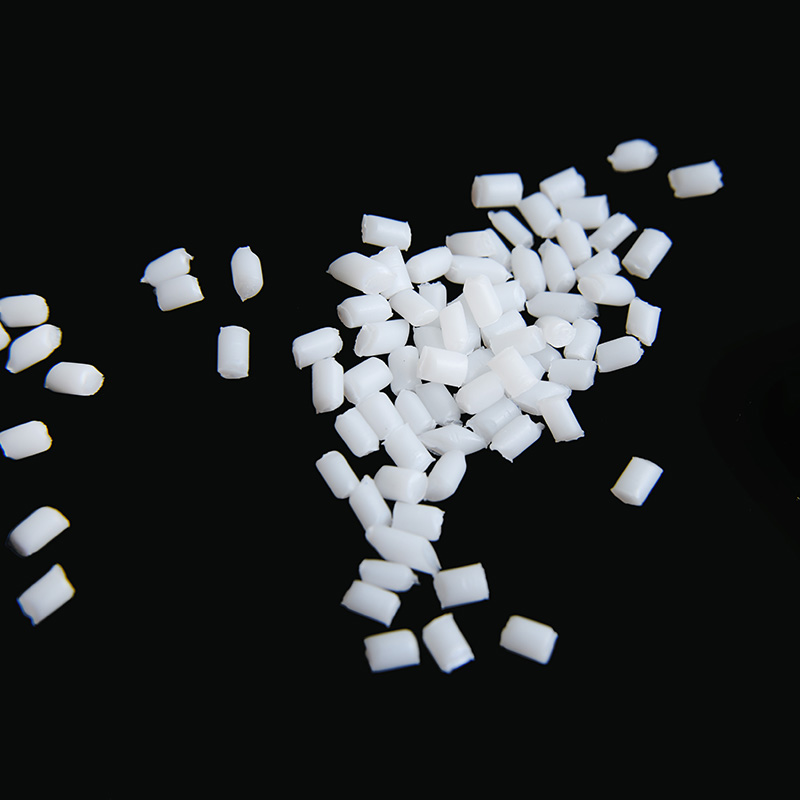
Raw ABS powder or crumb from the polymerization reactor is not yet a finished product. It must go through a compounding step, in which it is melt-mixed with a range of additives to achieve the desired final properties. This is typically done on a twin-screw extruder operating at melt temperatures of 200–240°C.
| Additive Type | Typical Loading (%) | Function in ABS |
|---|---|---|
| Thermal stabilizers | 0.1–0.5 | Prevent degradation of butadiene rubber at processing temperatures |
| Antioxidants | 0.1–0.3 | Protect against oxidation during processing and service |
| UV stabilizers | 0.2–1.0 | Reduce yellowing and surface chalking in outdoor applications |
| Flame retardants | 10–20 | Achieve UL 94 V-0 or V-2 ratings for electronics housings |
| Lubricants | 0.5–2.0 | Improve mold release and reduce melt viscosity |
| Colorants / pigments | 0.1–3.0 | Provide color without requiring painting |
| Glass fiber reinforcement | 10–30 | Increase stiffness and heat deflection temperature |
| Impact modifiers | 2–10 | Further boost low-temperature impact for demanding applications |
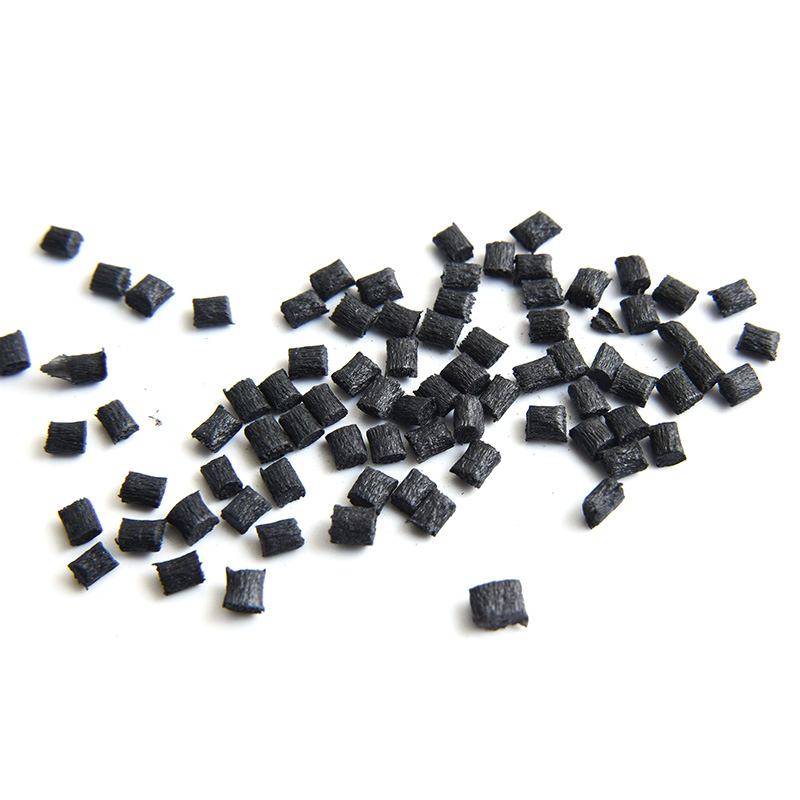
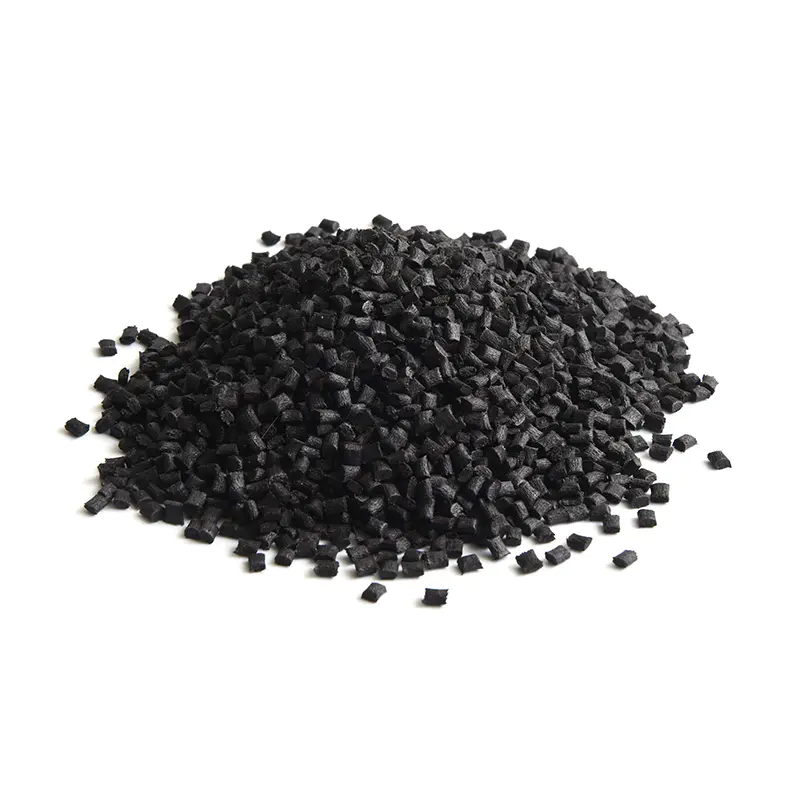
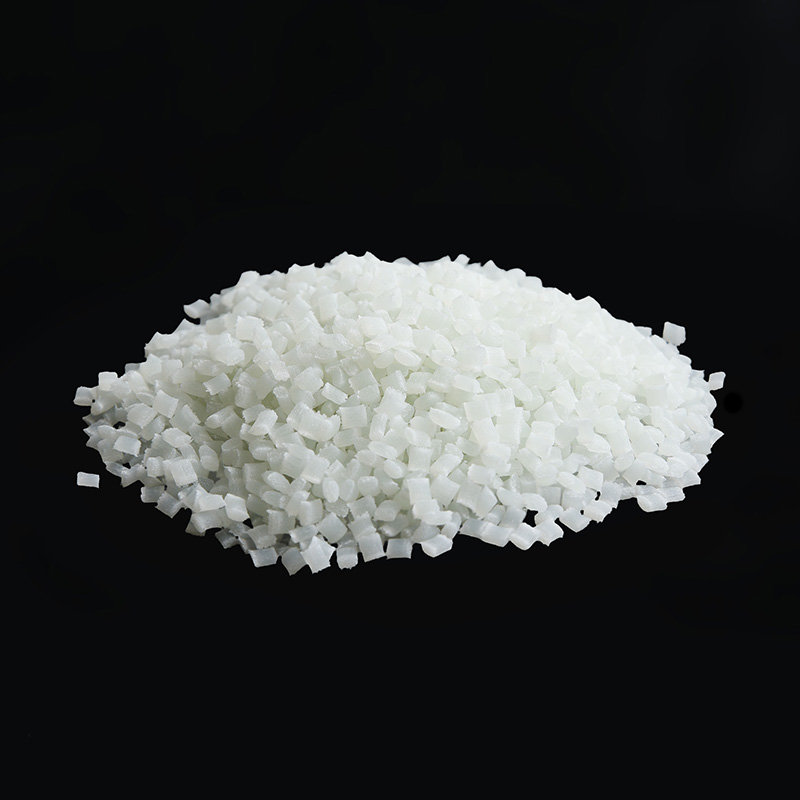
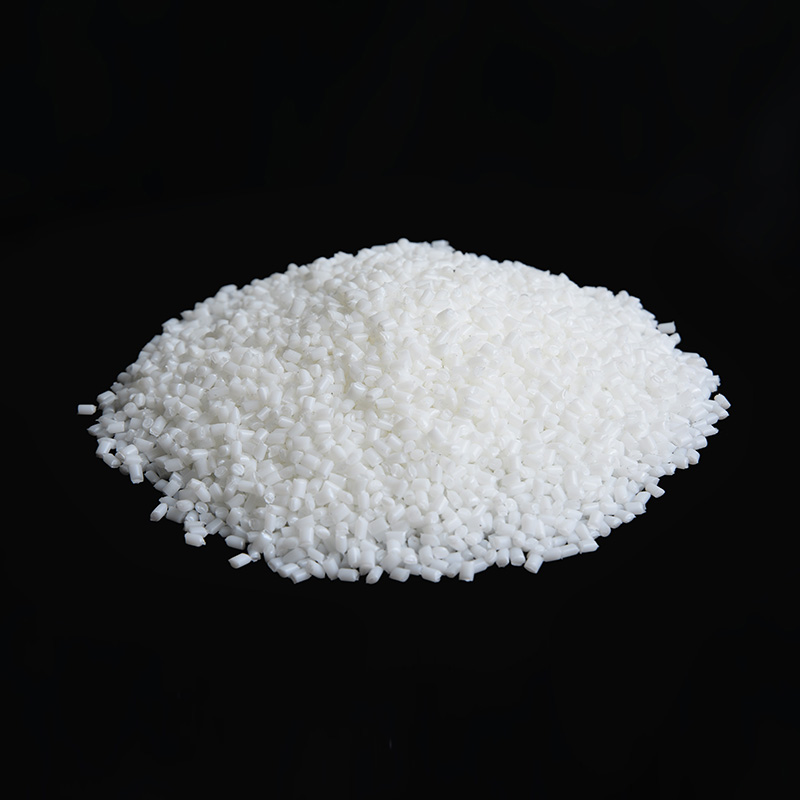
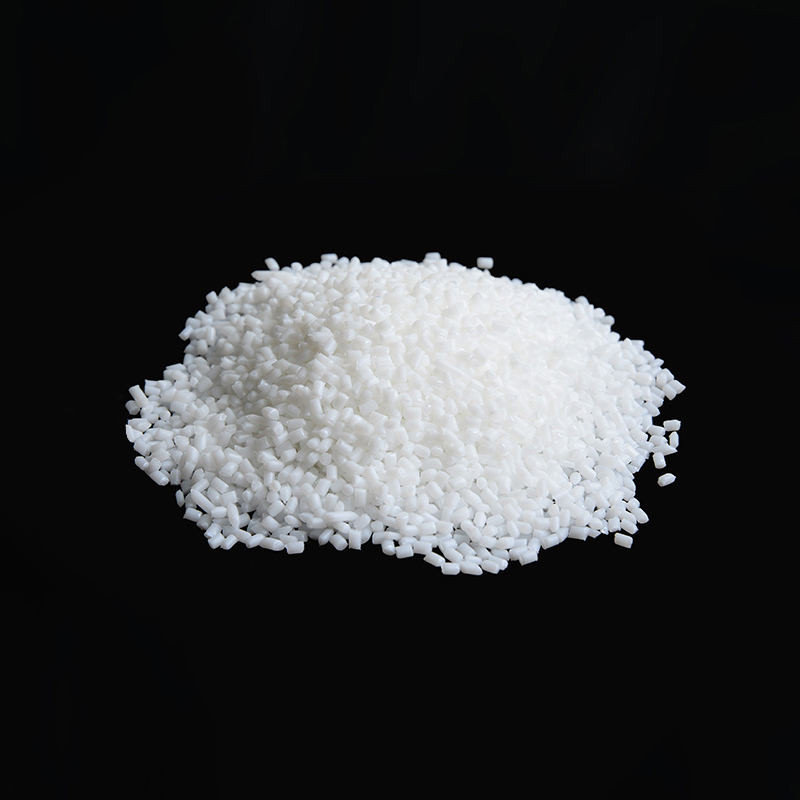
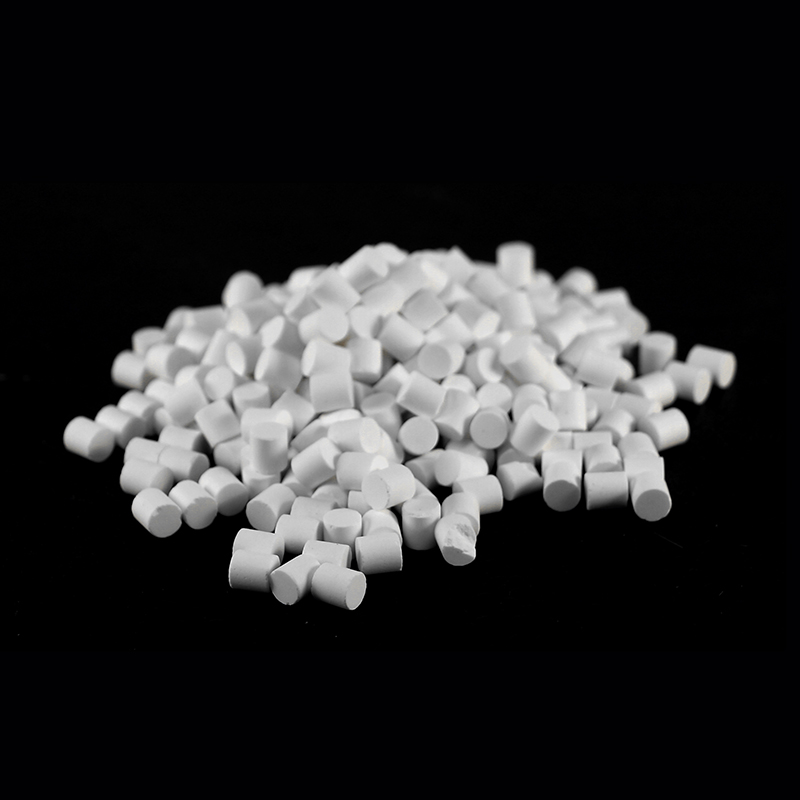
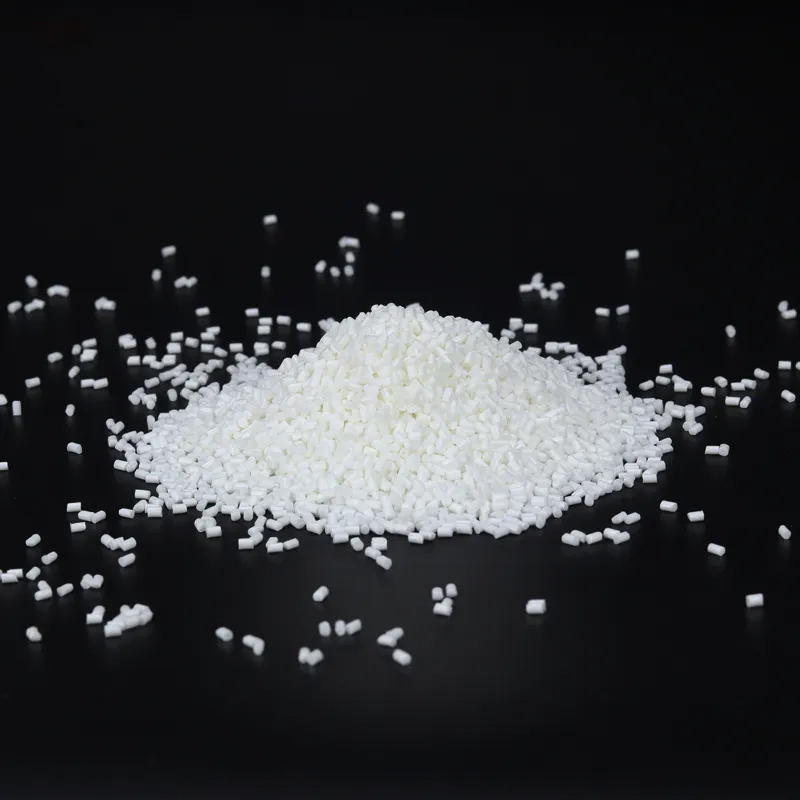
After compounding, the molten blend is extruded through a die, cooled in a water bath, and cut into uniform pellets. These pellets — typically 2–4 mm in diameter — are what converters (injection molders, extruders, and blow molders) purchase to make their parts. The pelletizing step also ensures a homogeneous blend: any uneven distribution of rubber particles or additives from the reactor is corrected during the high-shear mixing in the twin-screw extruder.
ABS vs. Engineering Nylon Plastic: Manufacturing and Property Differences
ABS and engineering nylon plastic (primarily nylon 6, nylon 6/6, and nylon 12) are both important members of the engineering thermoplastics family, but they are made through entirely different chemistry and offer distinct performance profiles. Understanding these differences is essential for material selection in product design.
ABS
- Made by free-radical addition polymerization (emulsion or bulk)
- No condensation byproducts — no water released during polymerization
- Amorphous structure — no sharp melting point, broad processing window
- Low moisture absorption (<0.5% ASTM D570) — dimensionally stable in humid environments
- Heat deflection temperature (HDT): 80–100°C (unfilled), up to 120°C (heat-stabilized grades)
- Excellent surface finish, easy to paint, plate, or glue
- Limited chemical resistance to ketones, esters, and chlorinated solvents
Engineering Nylon Plastic
- Made by condensation (step-growth) polymerization — water is released as a byproduct
- Semi-crystalline structure — sharp melting point (220–265°C for PA66)
- Higher continuous use temperature: 120–150°C (unfilled PA66)
- High moisture absorption (1–9% depending on grade) — affects dimensional stability
- Superior chemical resistance to hydrocarbons, fuels, and lubricating oils
- Excellent fatigue resistance and wear resistance — preferred for gears and bearings
- Requires drying before processing (typically 4–8 hours at 80°C)
In practice, ABS tends to dominate in consumer electronics, automotive interiors, appliance housings, and toys, where surface quality, dimensional stability, and ease of secondary operations (painting, plating) are priorities. Engineering nylon plastic, especially glass-filled PA66 and PA6, dominates in under-hood automotive components, power tool housings, and industrial gears — applications that demand higher heat resistance and better resistance to fuel and oil exposure.
There is also a large category of ABS/nylon alloys (ABS+PA blends), in which the two polymers are compounded together with compatibilizers to achieve a balance of toughness, chemical resistance, and surface finish not achievable by either material alone. These alloys are used in automotive exterior trim parts and power tool handles.
Specialty ABS Grades and How Their Manufacturing Differs
The standard ABS described above is just the starting point. Producers offer dozens of specialty grades, each requiring modifications to the polymerization process or compounding formulation:
High-Heat ABS
Achieved by replacing some styrene with alpha-methylstyrene (AMS) or N-phenylmaleimide (NPMI) comonomers. These rigid-ring or bulky monomers increase the glass transition temperature of the SAN matrix from about 105°C to 120–130°C, extending usability in automotive interior applications. High-heat ABS is increasingly positioned as a direct alternative to some engineering nylon plastic grades in applications where dimensional stability at elevated temperature is needed but moisture absorption must be minimized.
Flame-Retardant ABS
Produced by compounding standard ABS with brominated or phosphorus-based flame retardants and antimony trioxide synergists. Flame-retardant ABS grades are required to meet UL 94 V-0 at 1.5 mm wall thickness, which is mandatory for most electronics enclosures. The addition of flame retardants typically reduces impact strength by 15–25%, so the rubber content and particle size in FR-ABS formulations are often adjusted upward to compensate.
Electroplating-Grade ABS
Designed for chromium electroplating and requires very specific control of rubber particle morphology. The butadiene rubber phase is selectively etched away by chromic acid during pre-treatment, creating a micro-rough surface that anchors the metal layer. Electroplating-grade ABS typically has higher butadiene content (20–25%) and carefully controlled particle size distribution. Parts must be molded under tightly controlled conditions — any sink marks, flow lines, or residual stress will show through the plated surface as defects.
Transparent ABS (MABS)
Conventional ABS is opaque because the rubber phase has a different refractive index from the SAN matrix, scattering light. Transparent grades — sometimes called MABS or ABS-T — replace the butadiene rubber with methyl methacrylate-butadiene-styrene (MBS) rubber, whose refractive index is matched to the SAN matrix. The result is a material with light transmittance of 85–90% that still has good impact resistance, used in cosmetic packaging, lighting diffusers, and medical devices.
ABS for 3D Printing (FDM Grade)
ABS was one of the first materials used in fused deposition modeling (FDM) 3D printing and remains widely used despite competition from PLA and PETG. FDM-grade ABS is produced from the same base polymer but must meet tight specifications for melt flow index (typically 5–20 g/10 min at 220°C/10 kg), moisture content (<0.1%), and pellet uniformity before being extruded into filament at diameters of 1.75 mm or 2.85 mm with ±0.02 mm tolerance.
Quality Control During ABS Manufacturing
ABS production is subject to rigorous quality control at every stage, from raw monomer purity to final pellet testing. The following are the key quality parameters monitored in industrial ABS manufacture:
| Property | Test Method | Typical Range for General-Purpose ABS |
|---|---|---|
| Melt Flow Index (MFI) | ISO 1133 / ASTM D1238 | 5–30 g/10 min (220°C, 10 kg) |
| Izod Impact Strength (notched) | ISO 180 / ASTM D256 | 150–400 J/m |
| Tensile Strength at Break | ISO 527 / ASTM D638 | 38–50 MPa |
| Flexural Modulus | ISO 178 / ASTM D790 | 2,000–2,800 MPa |
| Heat Deflection Temperature (HDT) | ISO 75 / ASTM D648 | 80–100°C at 1.82 MPa |
| Moisture Content | Karl Fischer / Loss on drying | <0.2% (for processing) |
| Residual Monomer Content | GC headspace analysis | <100 ppm total VOCs (food contact grades) |
| Color (Yellowness Index) | ASTM E313 | <10 (natural white grades) |
Rubber particle size and distribution are characterized by transmission electron microscopy (TEM) or dynamic light scattering (DLS) at the latex stage. Degree of grafting — the fraction of SAN chemically bonded to the rubber particles — is measured by solvent extraction and is a critical parameter for ensuring good compatibility between the rubber and matrix phases. A grafting efficiency below about 20–30% typically results in inferior impact performance due to poor rubber-matrix adhesion.
Environmental Considerations in ABS Production
ABS production has several environmental challenges that the industry has been working to address:
- Acrylonitrile toxicity: Acrylonitrile is classified as a probable human carcinogen (Group 2A, IARC) and requires stringent emission controls at ABS polymerization plants. Workplace exposure limits are typically set at 1–2 ppm TWA in most jurisdictions.
- Wastewater from emulsion process: The emulsion route generates significant volumes of coagulation wastewater containing surfactants, coagulation agents, and trace monomers that require biological treatment before discharge.
- Recyclability: ABS is technically recyclable (resin identification code #7 or sometimes #9 in specific systems), but mixed plastic waste streams make collection and sorting difficult. Post-industrial ABS regrind is routinely reused in compounding, but post-consumer ABS recycling rates remain low globally.
- Bio-based ABS development: Research programs are underway to produce bio-based acrylonitrile from propane or 3-hydroxypropionic acid (bio-3-HPA), which would reduce ABS's dependence on fossil-derived propylene. Several companies including Asahi Kasei and INEOS have announced pilot-scale bio-AN programs as of 2023.
- Comparison with engineering nylon plastic: From a carbon footprint perspective, engineering nylon plastic (PA6, PA66) and ABS have similar cradle-to-gate carbon footprints — roughly 5–7 kg CO2e per kg of polymer — though exact figures vary significantly with energy source and production efficiency. LCA databases such as ecoinvent 3.9 (2023) can be consulted for more precise values.
How ABS Is Processed After Manufacturing
Once ABS pellets leave the compounding line, they are processed by downstream converters into finished parts. The three dominant processing methods are injection molding, extrusion, and thermoforming, each of which leverages ABS's excellent melt-processing behavior.
Injection Molding
Injection molding accounts for the majority of ABS consumption. ABS is dried to <0.1% moisture before processing (typically 2–4 hours at 80°C), then melted in the barrel at 200–240°C and injected into a steel mold under pressures of 50–150 MPa. Mold temperatures of 40–80°C are used depending on the required surface finish and cycle time. ABS shrinkage in the mold is typically 0.4–0.7%, significantly lower than engineering nylon plastic (0.8–2.0%), which simplifies mold design and gives better dimensional accuracy.
Extrusion
ABS sheet and profile are produced by single-screw or twin-screw extrusion. Sheet thicknesses range from 0.5 mm to 10 mm and are widely used in thermoforming applications including refrigerator inner liners, luggage shells, and medical equipment housings. ABS pipe extrusion is used in drain-waste-vent (DWV) plumbing systems in North America, where ABS pipe competes with PVC pipe based on lower-temperature installation flexibility.
Thermoforming
ABS sheet is readily thermoformed at temperatures of 150–175°C, well below the processing window of most engineering nylon plastic grades. Thermoformed ABS is used for vehicle interior panels, point-of-purchase displays, and large-format housings for industrial equipment. The material can be drawn to depth-to-diameter ratios of up to 1:1 without thinning problems in skilled forming operations.
Global ABS Market and Major Producers
The global ABS market was valued at approximately USD 25–27 billion in 2022 and is projected to grow at a CAGR of 4–5% through 2028, driven by automotive lightweighting, consumer electronics demand, and 3D printing adoption (MarketsandMarkets, Grand View Research, 2023). Asia-Pacific dominates production, with China, South Korea, and Taiwan accounting for over 65% of global ABS capacity.
The leading global ABS producers include:
- INEOS Styrolution — the world's largest styrenics producer, with ABS operations in Germany, Belgium, and the USA
- LG Chem — major ABS producer in South Korea, supplying automotive and electronics OEMs globally
- SABIC — supplies specialty ABS and ABS alloys for automotive and medical applications
- Chi Mei Corporation (Taiwan) — one of the largest ABS producers in Asia-Pacific
- Toray Industries — produces ABS and ABS/engineering nylon plastic alloys for high-performance applications
- Trinseo — North American and European ABS producer focusing on electronics and medical
In the engineering nylon plastic segment, major competitors to ABS in overlapping application areas include BASF (Ultramid PA6 and PA66), DuPont (Zytel nylon), and Lanxess (Durethan), all of which offer glass-filled grades that challenge reinforced ABS on heat resistance and stiffness.
Frequently Asked Questions About ABS Manufacturing
What does ABS stand for in plastic?
ABS stands for Acrylonitrile Butadiene Styrene. Each word refers to one of the three monomers from which the polymer is made: acrylonitrile (A), butadiene (B), and styrene (S). The material is called a terpolymer because it incorporates three distinct chemical building blocks rather than one (homopolymer) or two (copolymer).
Is ABS a thermoplastic or thermoset?
ABS is a thermoplastic. This means it softens and flows when heated above its glass transition temperature (approximately 105°C) and re-solidifies on cooling, without undergoing any chemical change. This behavior allows ABS to be reprocessed and recycled. This is in contrast to thermosets like epoxy or phenolic resins, which permanently crosslink during curing and cannot be remelted.
What is the difference between emulsion ABS and bulk ABS?
Emulsion ABS is made by polymerizing the three monomers in a water-based emulsion system, which allows very precise control of rubber particle size and produces ABS with excellent impact strength. Bulk (mass) ABS dissolves rubber directly in the monomer mixture without water, which gives better color and lower residual monomer levels but somewhat less impact strength. Most commercial ABS is produced by emulsion polymerization, but bulk grades are preferred for medical and food-contact applications.
How does ABS compare to engineering nylon plastic in terms of strength?
General-purpose ABS has tensile strength of 38–50 MPa and flexural modulus of 2,000–2,800 MPa. Unfilled engineering nylon plastic (PA66) has similar tensile strength (80 MPa conditioned) but is affected significantly by moisture, dropping to 50–60 MPa when equilibrated at 50% relative humidity. Glass-filled nylon (30% GF PA66) reaches tensile strength of 180–200 MPa and flexural modulus of 9,000–11,000 MPa, far exceeding standard ABS. Glass-filled ABS reaches only 75–100 MPa tensile and 5,000–7,000 MPa flexural modulus, making it weaker than equivalent glass-filled nylon on a structural basis.
Why does ABS turn yellow over time?
ABS yellows because the butadiene rubber phase is susceptible to UV-induced oxidation. The double bonds in the polybutadiene chains react with oxygen and UV light to form chromophoric degradation products (carbonyl and hydroxyl groups) that absorb in the visible spectrum, causing a yellow or brown discoloration. UV stabilizers (HALS — hindered amine light stabilizers — and UV absorbers) are added in outdoor-grade ABS to slow this process. Flame-retardant and heat-stabilized ABS grades are also more prone to yellowing due to the interaction of stabilizer systems with the rubber phase at processing temperatures.
Can ABS be recycled?
Yes, ABS can be mechanically recycled. Post-industrial ABS regrind is routinely reprocessed in compounding operations with minimal property loss if moisture is controlled and thermal history is not excessive. Post-consumer ABS recycling is more challenging because of contamination, mixing with other plastics, and loss of impact strength due to butadiene rubber degradation during service. Chemical recycling of ABS — breaking it down into its constituent monomers — is technically possible through pyrolysis but remains costly and not yet widely commercialized as of 2024.
What is the difference between ABS and HIPS?
High-impact polystyrene (HIPS) is made by a similar rubber-toughening mechanism to ABS — polybutadiene rubber dispersed in a polystyrene matrix — but without acrylonitrile. As a result, HIPS has lower tensile strength (25–35 MPa vs. 38–50 MPa for ABS), poorer chemical resistance, and lower heat deflection temperature, but it is significantly cheaper. HIPS is used where cost is paramount (disposable packaging, point-of-sale displays), while ABS is preferred where performance matters.
What is the role of the graft copolymer in ABS?
The graft copolymer — SAN chains chemically bonded to the surface of polybutadiene rubber particles — acts as a compatibilizer between the rubber and matrix phases. Without grafting, the rubber particles would simply be incompatible with the SAN matrix and would pull out under stress rather than deforming to absorb energy. The grafted SAN shell physically links the two phases, ensuring that stress is efficiently transferred from the matrix to the rubber particles during impact, allowing the energy-dissipating cavitation and crazing mechanisms to operate.
How is ABS used in the automotive industry?
ABS is widely used in automotive interior applications: instrument panels, door trim panels, pillar covers, interior mirror housings, and seat-back shells. Electroplating-grade ABS is used for exterior trim including grille surrounds, door handles, and mirror caps. Flame-retardant ABS is used in electrical connector housings and fuse box covers. In many of these applications, ABS competes directly with engineering nylon plastic (PA6, PA66), with the choice depending on the required heat resistance, chemical exposure, and surface finish specifications of each part.
What happens if ABS is not dried before processing?
ABS absorbs moisture from the atmosphere, typically reaching 0.2–0.3% moisture at equilibrium under ambient conditions. If processed without drying, the moisture vaporizes in the hot barrel and creates splay marks, silver streaks, and surface bubbles on the molded part. In severe cases, hydrolytic degradation of the SAN matrix can reduce molecular weight, permanently lowering impact strength and melt viscosity. Standard practice is to dry ABS pellets at 80°C for 2–4 hours in a dehumidifying dryer to below 0.1% moisture before processing. This drying requirement is similar to, but less demanding than, engineering nylon plastic, which must be dried more thoroughly (4–8 hours at 80–90°C) due to higher moisture absorption.
 Mob: +86-15867822829
 Tel: +86-0574-62538663
 Fax: +86-0574-62530664
 E-mail:
 Follow Us
 Home
Home
