


 English
 中文简体
中文简体 Español
 русский
 عربى
عربى
Content
- 1 The Discovery That Changed Materials Science
- 2 Stage One: Synthesizing Tetrafluoroethylene (TFE)
- 3 Stage Two: Free-Radical Polymerization into PTFE
- 4 Shaping and Sintering: Turning Resin Into Finished Products
- 5 Why Teflon Has Such Extraordinary Properties
- 6 How New Nylon Materials Fit Into the Polymer Landscape
- 7 Teflon vs. New Nylon Materials: A Detailed Property Comparison
- 8 Industrial Applications: Where Each Material Excels
- 9 Manufacturing Challenges: Why PTFE Is Harder to Process Than New Nylon Materials
- 10 Sustainability Trends: Teflon and New Nylon Materials in a Greener Future
- 11 Choosing Between PTFE and New Nylon Materials: A Practical Framework
- 12 Market Size and Growth: PTFE and New Nylon Materials in Global Demand
- 13 Frequently Asked Questions
- 13.1 What are the main raw materials used to manufacture Teflon?
- 13.2 Why must TFE be synthesized on-site at the PTFE manufacturing facility?
- 13.3 What is the difference between suspension polymerization and dispersion polymerization for PTFE?
- 13.4 Why can't Teflon be injection-molded like nylon?
- 13.5 How do new nylon materials compare to Teflon in chemical resistance?
- 13.6 What are new nylon materials, exactly?
- 13.7 What is sintering and why is it necessary in Teflon manufacturing?
- 13.8 Are PTFE (Teflon) products still manufactured using PFOA?
- 13.9 In what temperature range can new nylon materials operate compared to Teflon?
- 13.10 Which is more mechanically strong: PTFE or advanced nylon?
Teflon — the brand name for polytetrafluoroethylene (PTFE) — is manufactured through a two-stage chemical process: first synthesizing the monomer tetrafluoroethylene (TFE) from industrial raw materials, then converting that gas into a solid polymer through free-radical polymerization. The result is one of the most chemically inert and thermally stable materials ever engineered. Understanding this process also puts into perspective how new nylon materials — a rapidly evolving family of polyamides — compare, compete, and sometimes complement PTFE in real-world applications.
The Discovery That Changed Materials Science
PTFE was discovered entirely by accident in 1938 by DuPont chemist Roy Plunkett. While experimenting with new refrigerants, Plunkett found that a cylinder of TFE gas had solidified into a white, waxy powder. This material turned out to be extraordinarily slippery, chemically inert, and heat-resistant — properties no known polymer shared at the time. DuPont registered the Teflon trademark in 1944 and built its first dedicated production plant in Parkersburg, West Virginia in 1950. (Source: madehow.com)
The material gained early industrial significance during World War II, when DuPont used PTFE-coated gaskets and liners to resist the corrosive action of uranium hexafluoride in the Manhattan Project. After the war, Teflon found its way into consumer cookware in the 1960s, and has since expanded into thousands of industrial, medical, and electronic applications. Today, worldwide annual PTFE production stands at approximately 200,000 metric tons, according to industry data from Orion Industries.
1938 Roy Plunkett accidentally discovers PTFE at DuPont
1944 DuPont registers the Teflon trademark
1950 First Teflon production plant opens in West Virginia
1960s Teflon-coated cookware introduced to consumers
Today ~200,000 metric tons produced globally per year
Stage One: Synthesizing Tetrafluoroethylene (TFE)
The Teflon manufacturing process begins not with PTFE itself, but with the synthesis of its monomer: tetrafluoroethylene (TFE). This colorless, odorless gas is the chemical building block from which all PTFE is made. TFE is produced by combining three key industrial chemicals — fluorspar (calcium fluoride), hydrofluoric acid, and chloroform (trichloromethane) — in a reaction chamber heated to temperatures between 1,094°F and 1,652°F (590°C to 900°C). This thermal cracking process is called pyrolysis. (Source: Orion Industries)
Because TFE is highly flammable and potentially explosive under certain handling conditions, it cannot be transported in bulk quantities. This is a critical logistical constraint: every manufacturer of PTFE must synthesize TFE on-site at the same facility where polymerization will take place. The separation of these two steps — even by a short distance — is not commercially viable for safety reasons.
Raw Materials Used in TFE Synthesis
| Raw Material | Chemical Name | Role in Process |
|---|---|---|
| Fluorspar | Calcium Fluoride (CaF₂) | Primary fluorine source |
| Hydrofluoric Acid | HF | Fluorination reagent |
| Chloroform | Trichloromethane (CHCl₃) | Carbon backbone source |
| Water | H₂O (purified) | Reaction medium for polymerization |
Chloroform itself can be manufactured by reacting methane with a mixture of hydrogen chloride and chlorine — meaning most PTFE production chains are deeply integrated with the broader petrochemical industry. The purity of these raw materials directly affects the quality and consistency of the final PTFE resin.
Stage Two: Free-Radical Polymerization into PTFE
Once TFE is synthesized, it undergoes polymerization — the process of linking thousands of individual monomer molecules into long, stable polymer chains. The net reaction is deceptively simple: n F₂C=CF₂ → -(F₂C-CF₂)n-, but the engineering required to control this reaction safely and consistently is highly sophisticated. (Source: Kintek Solution)
There are two main polymerization methods used commercially, and both take place in aqueous (water-based) environments with the aid of chemical initiators such as disuccinic acid peroxide or ammonium persulfate:
Suspension Polymerization
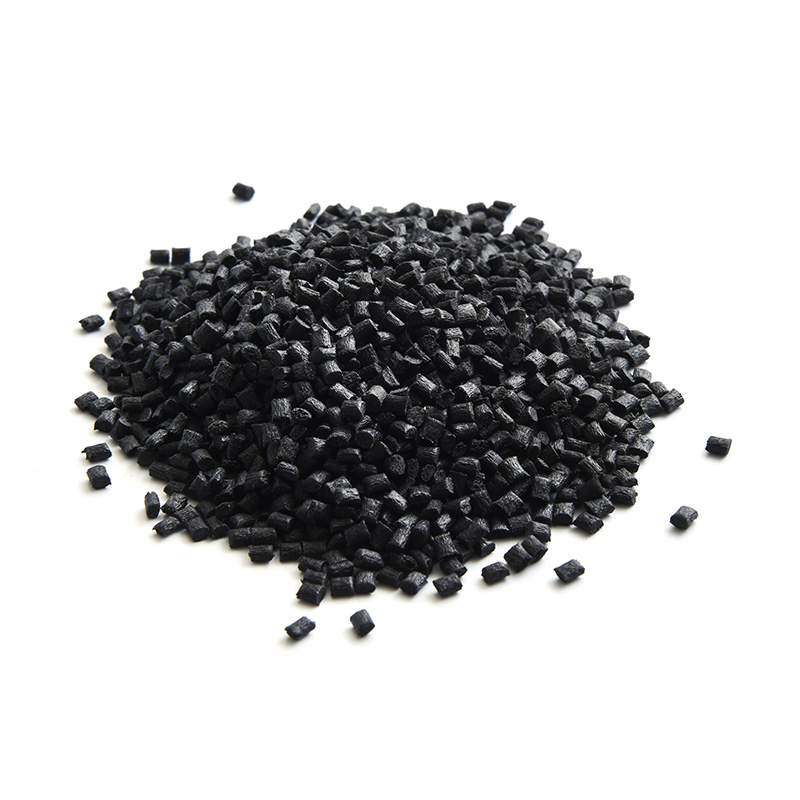
TFE is polymerized in water inside a pressurized reaction chamber. The TFE contacts the initiator and begins forming a polymer. Solid PTFE grains float on the surface of the water as they form. The chamber is agitated throughout the reaction to keep the process uniform. Once completed, the PTFE grains are dried and then pulverized in a mill to produce a granular resin that can be molded into pellets and shaped into final products.
Dispersion Polymerization
In this method, the resulting PTFE forms a stable, milky colloidal dispersion — essentially a fine paste suspended in water. This dispersion can be processed into a very fine powder. Both the paste and the powder forms are widely used for coating applications, such as applying Teflon to cookware surfaces, industrial liners, and tubing.
What makes PTFE's molecular architecture so remarkable is the structure it produces. The carbon backbone of the polymer chain is completely surrounded by a dense, protective sheath of fluorine atoms. The carbon-fluorine (C-F) bond is one of the strongest known in organic chemistry — approximately 544 kJ/mol — and this is directly responsible for Teflon's famous non-stick surface, its inertness to virtually all chemicals, and its stability at temperatures up to 260°C (500°F) in continuous service. (Source: Kintek Solution)
Shaping and Sintering: Turning Resin Into Finished Products
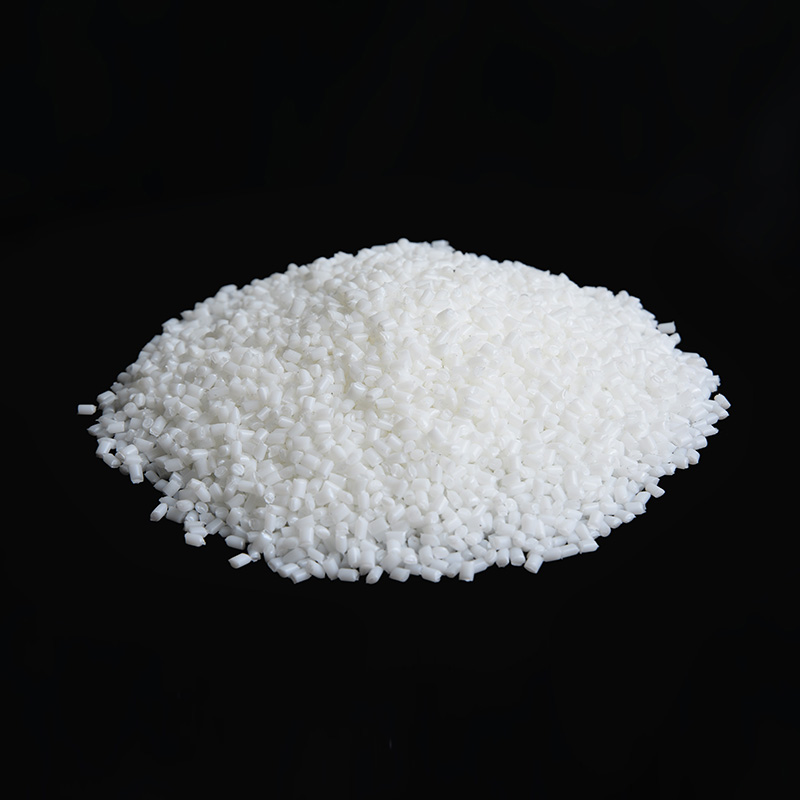
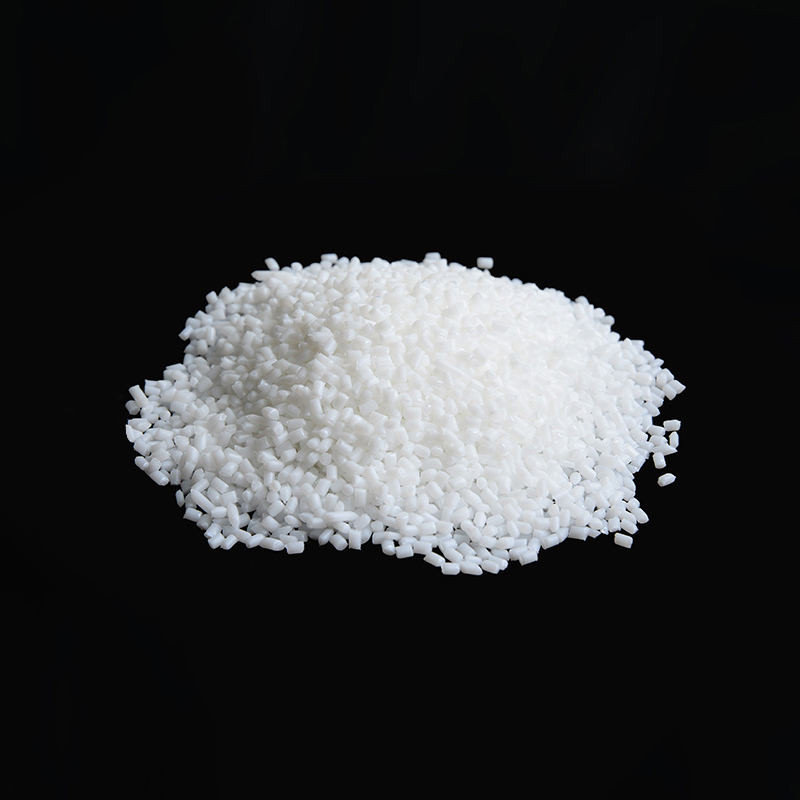
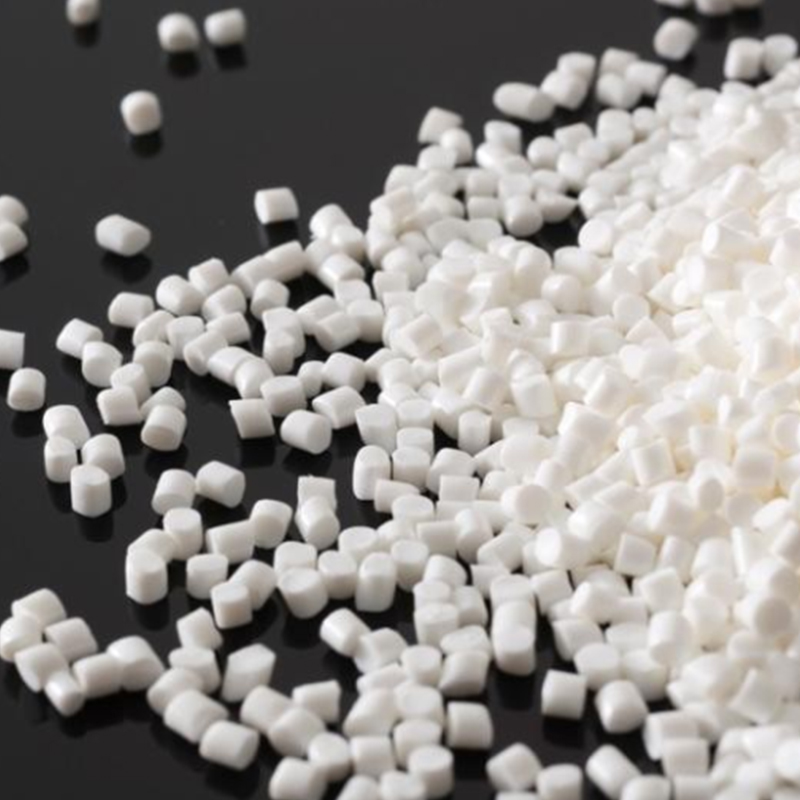
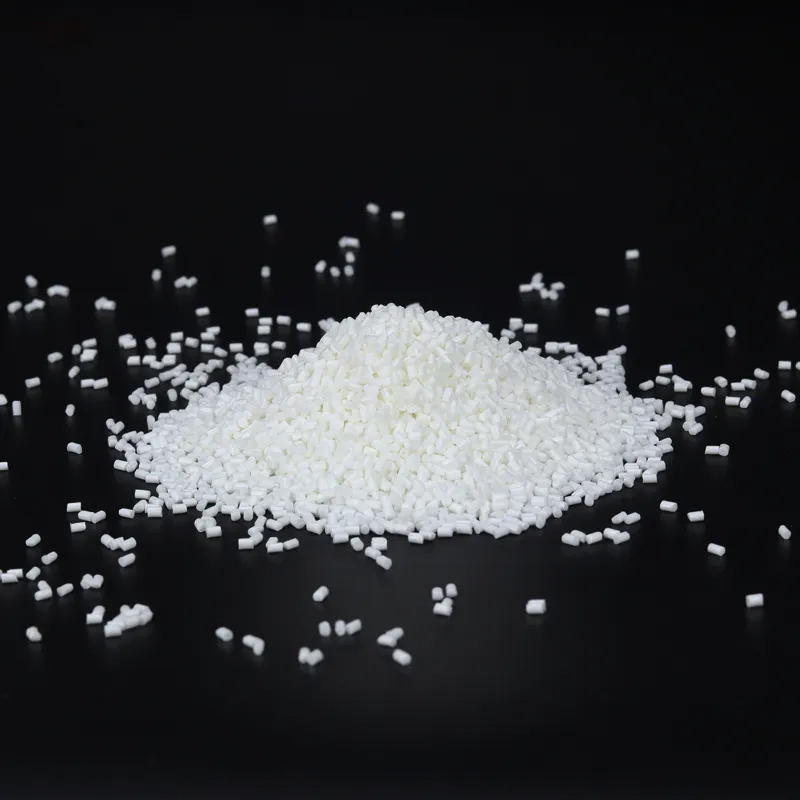
The raw PTFE resin — typically a white, granular or powdered solid — is an intermediate product. It must be further processed into usable forms before it reaches industrial or consumer markets. The shaping methods vary depending on the intended application:
- Compression Molding: PTFE powder is packed into a mold and compressed under high pressure to form a preform (a blank shape). This preform is then sintered.
- Extrusion: The resin is forced through a die to create continuous profiles such as rods, tubes, and sheets. This is commonly used for PTFE tubing in chemical processing and medical devices.
- Paste Extrusion: The milky dispersion paste is extruded through a die to produce thin-walled products, wire insulation, or tape (such as the widely used PTFE plumber's tape).
- Skiving: Sintered billets of PTFE are skived (thinly peeled) on a lathe to produce sheets and films of precise thickness.
- Spray Coating: For cookware and industrial surfaces, PTFE dispersion is sprayed in multiple thin layers onto the prepared substrate surface and baked at high temperatures.
The Sintering Step
Sintering is the critical thermal bonding step that occurs after shaping. The shaped PTFE part is baked at a high temperature — typically above 327°C (621°F), which is PTFE's crystalline melting point — to fuse the individual PTFE particles into a fully dense, coherent solid. Without sintering, shaped PTFE would be weak and porous. After sintering, it achieves its full mechanical and chemical properties.
For cookware specifically, the metal pan surface is first roughened by sandblasting to create a textured anchor for the coating. Multiple thin layers of PTFE dispersion are sprayed on and baked sequentially. This layered sintering process creates the tough, thermally bonded non-stick surface familiar to home cooks. A typical PTFE coating on cookware is applied to a thickness of 0.0003 to 0.0008 inches (approximately 7–20 microns). (Source: Orion Industries)
Why Teflon Has Such Extraordinary Properties
The manufacturing process directly determines PTFE's performance. Every remarkable property of Teflon traces back to specific aspects of how it is made:
Non-Stick Surface
The dense fluorine sheath around the carbon backbone creates an extremely low surface energy — approximately 18–20 mN/m. Almost nothing can bond to this surface chemically, which is why food, adhesives, and most other materials slide off cleanly.
Chemical Inertness
PTFE is resistant to virtually all known chemicals, including strong acids, strong bases, and organic solvents. This is because the C-F bonds forming the outer sheath are too stable for most reagents to attack or displace.
Temperature Range
PTFE maintains structural integrity and chemical resistance from -200°C to 260°C (-328°F to 500°F) in continuous service, making it indispensable in cryogenic systems, high-temperature reactors, and aerospace applications.
Low Friction Coefficient
PTFE has one of the lowest friction coefficients of any solid material — typically 0.05 to 0.10 — which makes it ideal for self-lubricating bearings, slide plates, and gears that operate without external lubrication.
Hydrophobic Nature
PTFE is extremely hydrophobic — water simply beads off it. This property makes it valuable in moisture-sensitive environments such as outdoor electrical insulation, waterproofing membranes, and medical device coatings.
Electrical Insulation
PTFE's dielectric constant (approximately 2.1) remains extremely stable across a wide frequency range, from low frequencies to microwave. This consistency makes it the preferred insulator for high-frequency cables, RF connectors, and semiconductor equipment.
How New Nylon Materials Fit Into the Polymer Landscape
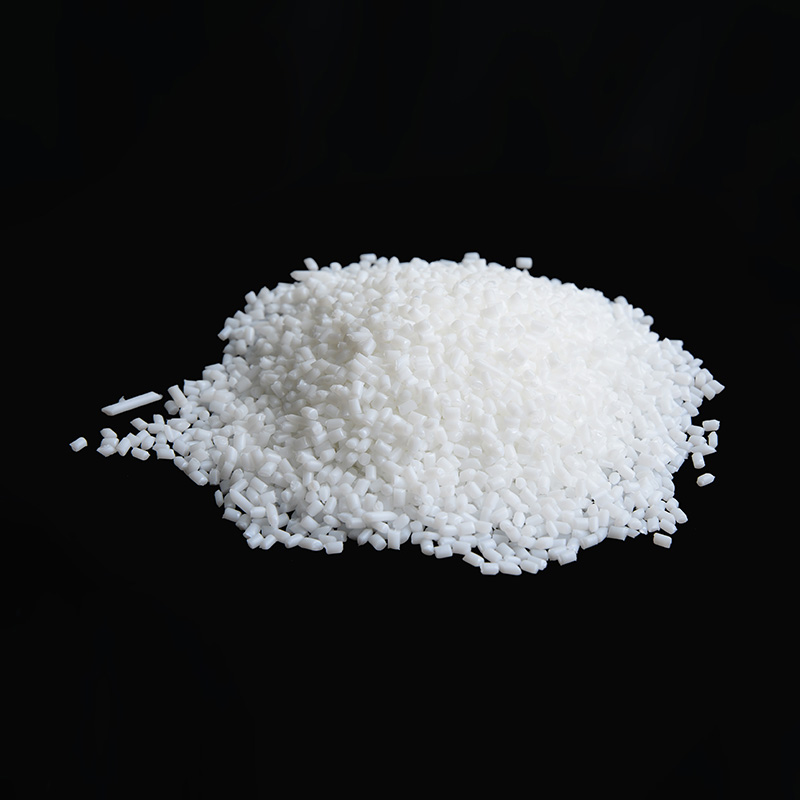
While Teflon's manufacturing history spans over eight decades of refinement, the polymer world has simultaneously seen the rapid development of new nylon materials — a term referring to advanced polyamide (PA) formulations that go far beyond the standard nylon 6 and nylon 66 grades familiar from textiles and basic engineering plastics. These new nylon materials are engineered through modification, reinforcement, and blending to close the performance gap with high-end fluoropolymers like PTFE, while offering cost and processing advantages that PTFE cannot match.
According to Astute Analytica, the global polyamide market was valued at US$40.80 billion in 2024 and is forecast to reach US$69.52 billion by 2033, growing at a CAGR of 6.1%. Global polyamide production volume reached approximately 8.7 million metric tons in 2024. This scale of investment is driving rapid innovation in new nylon material grades for automotive, electronics, EV battery systems, and industrial sealing applications — many of which previously relied exclusively on PTFE.
Representative Innovations in New Nylon Materials
Several major chemical companies have introduced notable advances in new nylon materials in recent years:
- In November 2024, BASF unveiled Ultramid T7000, an advanced blend combining polyamide (PA) and polyphthalamide (PPA). This new nylon material is engineered for structural components traditionally made from metal, bridging the performance gap between conventional PA66 and high-performance PPA with superior stiffness and strength — particularly in humid environments. (Source: MarketsandMarkets)
- In August 2024, INEOS Styrolution and LG Chem announced a joint venture to produce and market polyamide 12 resins — a new nylon material prized for its excellent low-temperature impact resistance and chemical resistance to fuels and hydraulic fluids. (Source: Technavio)
- In December 2024, Ascend Performance Materials announced the production of bio-circular PA66 derived from renewable resources — marking a significant step in making new nylon materials more sustainable without compromising mechanical performance. (Source: Expert Market Research)
- In February 2024, BASF and Inditex developed loopamid — the first circular nylon 6 made entirely from textile waste, capable of being recycled multiple times without losing original properties. (Source: Grand View Research)
- In February 2025, INVISTA opened a USD 13 million Texas Technology Center dedicated to polyamide innovation, underscoring the scale of R&D investment flowing into next-generation nylon materials. (Source: MarketsandMarkets)
Teflon vs. New Nylon Materials: A Detailed Property Comparison
When engineers select between PTFE and new nylon materials for a given application, they must compare a wide range of mechanical, thermal, chemical, and economic properties. The following table summarizes the key differences:
| Property | PTFE (Teflon) | Standard Nylon (PA6/PA66) | New High-Performance Nylon |
|---|---|---|---|
| Continuous Use Temperature | -200°C to 260°C | -40°C to 130°C | Up to 200°C+ (PPA blends) |
| Tensile Strength (Max) | 6,240 psi | 12,400 psi | Up to 25,000 psi (GF-reinforced) |
| Rockwell Hardness | 50–55 (R-scale) | 80–100 (R-scale) | 100–120 (GF-reinforced) |
| Friction Coefficient | 0.05–0.10 (self-lubricating) | 0.2–0.4 (requires lubrication) | 0.15–0.25 (MoS₂ modified grades) |
| Chemical Resistance | Exceptional (virtually universal) | Moderate (limited acid/solvent resistance) | Good (PA12 grades: fuels, hydraulics) |
| Water Absorption | <0.01% (hydrophobic) | 1.5–3.5% (hydrophilic) | 0.3–1.2% (PA12 / modified grades) |
| Processing (Moldability) | Difficult (no melt flow) | Excellent (standard injection molding) | Excellent (same equipment as PA66) |
| Relative Material Cost | High | Low | Medium to High |
The data reveals a clear picture: PTFE dominates in chemical resistance, temperature extremes, and surface friction, while new nylon materials — particularly glass-fiber-reinforced, PPA-blended, and PA12 grades — now challenge PTFE in mechanical strength, processability, and cost efficiency for structural and wear-resistant applications.
Industrial Applications: Where Each Material Excels
The manufacturing differences between PTFE and new nylon materials translate directly into their preferred application domains. Neither material is universally superior — the right choice depends on the specific demands of the environment and the component.
PTFE Is the Preferred Choice For:
- Chemical process piping liners, valve seats, and gaskets exposed to concentrated acids, alkalis, and aggressive solvents
- Semiconductor and laboratory equipment requiring ultra-high purity and zero contamination risk
- Medical device components — catheters, tubing, and coatings — where biocompatibility and non-stick surfaces are critical
- High-frequency RF cables, connectors, and microwave circuit substrates where dielectric stability is non-negotiable
- Non-stick cookware coatings and food-processing equipment surfaces
- Cryogenic seals and components used at temperatures approaching -200°C
- Self-lubricating bearings, slide pads, and guide rails in heavy industrial equipment
New Nylon Materials Are the Preferred Choice For:
- Automotive structural components — air intake manifolds, engine covers, fuel system housings — where PA6 and PA66's strength and thermal resistance replace metal at lower weight
- Electric vehicle (EV) battery housings, connectors, and thermal management components where new high-performance nylon grades combine heat resistance with excellent dimensional stability
- Gear wheels, bushings, rollers, and load-bearing structural parts that require high tensile strength and impact toughness
- Electronic and electrical housings where flame-retardant nylon grades (modified PA66 / PA6) meet UL94 V-0 requirements
- Consumer goods, athletic equipment, and textiles where cost efficiency, dyeability, and processability via standard injection molding matter
- Fuel delivery pipes and hydraulic seals in automotive applications, using PA12 grades for fuel resistance
Manufacturing Challenges: Why PTFE Is Harder to Process Than New Nylon Materials
One of the most significant practical differences between Teflon and new nylon materials lies in how they are manufactured into finished components. PTFE does not melt and flow like conventional thermoplastics. Its crystalline melting point is approximately 327°C (621°F), but above this temperature it becomes an extremely viscous gel rather than a free-flowing liquid — meaning it cannot be processed by standard injection molding or extrusion methods used for nylon and most other engineering plastics.
This processing limitation is a fundamental constraint on PTFE part complexity and production speed. Every PTFE part requires compression molding or paste extrusion followed by sintering — a multi-step batch process that is inherently slower and more labor-intensive than the single-step injection molding used for nylon. As a result, PTFE components are almost always more expensive to manufacture on a per-part basis, even before accounting for raw material costs.
New nylon materials, by contrast, are highly processable. They melt cleanly at defined temperatures (typically 210–280°C depending on the grade), flow readily through injection molding dies, and solidify quickly. Cycle times for injection-molded nylon parts can be as short as 15–30 seconds, enabling very high production volumes at low cost. Advanced new nylon formulations — including glass-fiber-reinforced grades, impact-modified grades, and PPA blends — can all be processed on standard injection molding equipment without special tooling or facilities.
This processing advantage is one of the key reasons why new nylon materials have expanded so aggressively into application spaces where PTFE was once dominant, particularly in automotive and electronics markets where high volumes and tight dimensional tolerances are required simultaneously.
Sustainability Trends: Teflon and New Nylon Materials in a Greener Future
Both PTFE and the broader new nylon materials sector face increasing scrutiny and opportunity in the context of sustainability. The environmental profiles of these two material families differ significantly.
PTFE and the PFOA Transition
For many decades, the production of PTFE involved PFOA (perfluorooctanoic acid) as a processing aid. PFOA belongs to the PFAS family of "forever chemicals" — substances that do not readily break down in the environment and can accumulate in biological systems. This raised significant environmental and health concerns. The PTFE industry has since transitioned: major manufacturers, including Chemours (the current owner of the Teflon brand, spun off from DuPont), phased out PFOA use more than a decade ago. Newer processing aids with improved environmental profiles have replaced PFOA in modern PTFE production. (Source: Kintek Solution)
Bio-Based and Circular New Nylon Materials
The new nylon materials sector has made more visible strides toward sustainability in recent years. Notable examples include:
- In February 2024, BASF and Inditex developed loopamid — the first circular nylon 6 produced entirely from textile waste. This material can be recycled multiple times through various fabric blends (including polyamide/elastane mixtures) without losing its original mechanical properties. (Source: Grand View Research)
- In April 2023, Lululemon launched products made from plant-based renewable nylon, targeting 100% sustainable materials use by 2030 and a 60% reduction in supply chain emissions intensity. (Source: Expert Market Research)
- In December 2024, Ascend Performance Materials began producing bio-circular PA66 from renewable feedstocks, advancing the goal of decarbonizing high-performance new nylon materials without sacrificing the mechanical properties that make PA66 essential in automotive and electronics. (Source: Expert Market Research)
These innovations reflect a broad industry direction: new nylon materials are becoming more sustainable at scale, while also maintaining or improving the performance characteristics that make them competitive with specialty polymers including PTFE.
Choosing Between PTFE and New Nylon Materials: A Practical Framework
Engineers and procurement teams selecting between Teflon and new nylon materials should work through a systematic evaluation of their application requirements. The following framework covers the most decisive criteria:
- Chemical Environment: If the component will be exposed to concentrated acids, bases, or aggressive organic solvents, PTFE is almost always the correct choice — its chemical inertness is unmatched. If the environment involves fuels, hydraulic fluids, or dilute chemicals, PA12 or other new nylon material grades may perform adequately at far lower cost.
- Temperature Requirements: PTFE handles continuous temperatures from -200°C to 260°C. Standard nylon degrades above approximately 130°C. New high-performance nylon materials (PPA blends, PA46, PA6T) can extend usable temperature range to 200°C or above, covering most automotive under-hood applications.
- Mechanical Load: If the part must bear significant tensile, compressive, or impact loads, new nylon materials — especially glass-fiber-reinforced grades — will typically outperform PTFE, which is prone to creep under sustained load. PTFE's tensile strength caps at approximately 6,240 psi, while GF-reinforced nylon can exceed 25,000 psi.
- Friction and Lubrication: For self-lubricating parts that run dry, PTFE's inherently low friction coefficient (0.05–0.10) is difficult to match. New nylon materials require external lubrication or the incorporation of solid lubricant additives (such as MoS₂ or PTFE powder) to reduce friction in wear-intensive applications.
- Production Volume and Geometry Complexity: For high-volume parts with complex geometries, new nylon materials win decisively — they can be injection-molded in seconds. For low-volume, simple-geometry parts in demanding environments, PTFE's processing limitations are more acceptable.
- Moisture Sensitivity: PTFE absorbs essentially no water (less than 0.01%). Standard nylon absorbs 1.5–3.5% moisture, which alters its dimensions and mechanical properties. New PA12-based nylon materials reduce moisture absorption to 0.3–1.2%, making them suitable for applications with humidity variation.
- Budget: PTFE is a specialty polymer with high raw material and processing costs. New nylon materials deliver far more value per kilogram in most general engineering contexts, and even advanced new nylon formulations (PPA blends, bio-based grades) are typically less expensive than PTFE on an installed-cost basis.
Market Size and Growth: PTFE and New Nylon Materials in Global Demand
Both materials are experiencing strong growth driven by megatrends in electrification, lightweighting, and high-performance manufacturing. However, their growth trajectories and drivers differ:
PTFE demand is driven primarily by growth in chemical processing, semiconductor manufacturing (where ultrapure PTFE components are critical), and medical devices. The global fluoropolymers market, of which PTFE is the largest segment, was valued at approximately USD 7.8 billion in 2023 and is projected to grow steadily as semiconductor fabrication capacity expands globally.
New nylon materials are on a far larger and faster growth trajectory. The global polyamide market was valued at USD 40.80 billion in 2024 and is expected to reach USD 69.52 billion by 2033 at a CAGR of 6.1% (Source: Astute Analytica). Production volume reached 8.7 million metric tons in 2024. The modified polyamide (advanced new nylon materials) sub-segment was valued at USD 2.3 billion in 2024 and is projected to reach USD 3.8 billion by 2032 at a CAGR of 7.4% (Source: 24ChemicalResearch). This higher growth rate in modified grades reflects the accelerating shift toward specialty performance applications that were once considered exclusive territory for fluoropolymers like PTFE.
The nylon 6 market alone reached USD 17.4 billion in 2025 and is expected to reach USD 29.8 billion by 2035 at a CAGR of approximately 5.5% (Source: Future Market Insights). Electric vehicle production — projected to reach approximately 17 million units in 2024 alone — is a major new demand driver for high-performance nylon materials in battery housings, e-motor components, and power electronics.
Frequently Asked Questions
What are the main raw materials used to manufacture Teflon?
Teflon (PTFE) is made from four primary raw materials: fluorspar (calcium fluoride), hydrofluoric acid, chloroform (trichloromethane), and purified water. The first three are combined under high heat (590–900°C) to produce tetrafluoroethylene (TFE) gas, which is then polymerized in water to form PTFE. (Source: Orion Industries)
Why must TFE be synthesized on-site at the PTFE manufacturing facility?
Tetrafluoroethylene (TFE) is highly flammable and can be explosive under certain conditions. Transporting it in bulk quantities is extremely hazardous, so every PTFE manufacturer must produce TFE on-site immediately before the polymerization step. This requirement significantly increases the capital cost and complexity of PTFE production facilities. (Source: Orion Industries)
What is the difference between suspension polymerization and dispersion polymerization for PTFE?
In suspension polymerization, PTFE forms as solid grains that float on water in the reaction chamber; these grains are dried and milled into granular resin for molding and machining into solid parts. In dispersion polymerization, PTFE forms as a fine milky paste or powder suspended in water; this form is primarily used for spray coating applications such as cookware surfaces and wire insulation. (Source: madehow.com)
Why can't Teflon be injection-molded like nylon?
PTFE does not melt and flow like conventional thermoplastics. Above its crystalline melting point of 327°C, it becomes an extremely viscous gel rather than a freely flowing liquid. This means it cannot fill injection mold cavities under standard pressure and temperature conditions. Instead, PTFE parts are made by compression molding or paste extrusion followed by sintering — a slower, more costly multi-step process compared to injection molding of nylon.
How do new nylon materials compare to Teflon in chemical resistance?
PTFE is substantially more chemically resistant than any nylon material, including the latest advanced grades. PTFE is inert to virtually all known chemicals, including concentrated acids, strong bases, and aggressive organic solvents. New nylon materials — including PA12 grades — offer good resistance to fuels, hydraulic fluids, and dilute chemicals, but they cannot match PTFE's near-universal chemical inertness and are attacked by strong acids and bases. (Sources: WeProFab, Tianyouseals)
What are new nylon materials, exactly?
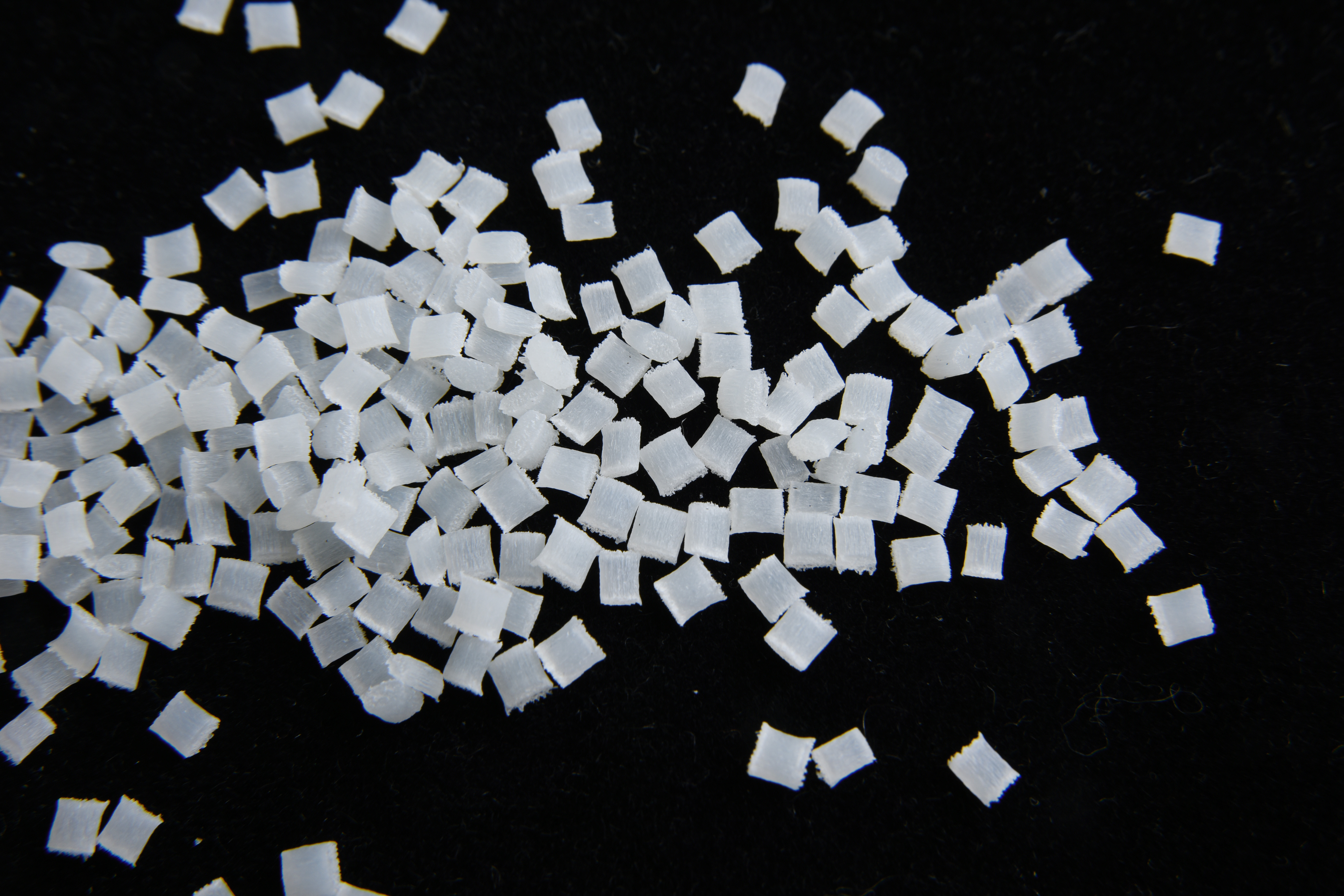
New nylon materials refer to advanced polyamide (PA) formulations engineered beyond the standard grades of nylon 6 and nylon 66. They include glass-fiber-reinforced nylon (for extreme strength), PA12 grades (for low moisture absorption and fuel resistance), PPA blends (for elevated temperature performance), flame-retardant nylon, and bio-based or circular nylon grades made from renewable or recycled feedstocks. These materials are driven by demand in automotive, EV battery systems, electronics, and sustainable consumer goods.
What is sintering and why is it necessary in Teflon manufacturing?
Sintering is a thermal bonding process in which shaped PTFE parts are baked at temperatures above 327°C. This causes the individual PTFE particles to fuse together into a fully dense, coherent solid with its complete mechanical and chemical properties. Without sintering, a compressed PTFE preform would remain weak, porous, and structurally inadequate. Sintering is a mandatory step in virtually all PTFE part manufacturing processes. (Source: Kintek Solution)
Are PTFE (Teflon) products still manufactured using PFOA?
No. For many decades, PFOA (perfluorooctanoic acid) was used as a processing aid in PTFE manufacturing. PFOA is a member of the PFAS "forever chemicals" family and raised significant environmental and health concerns. Major manufacturers, including Chemours (owner of the Teflon brand), phased out PFOA use more than a decade ago and have transitioned to newer processing aids with improved environmental profiles. Modern PTFE products are produced without PFOA. (Source: Kintek Solution)
In what temperature range can new nylon materials operate compared to Teflon?
Standard nylon (PA6/PA66) is typically rated for continuous service up to approximately 100–130°C. Advanced new nylon materials — such as BASF's Ultramid T7000 (PA/PPA blend) and similar high-temperature grades — can extend usable range to 200°C or above. PTFE, however, operates from -200°C to 260°C in continuous service, giving it a decisive temperature range advantage in both extreme cold and high-heat applications. (Sources: Kintek Solution, MarketsandMarkets)
Which is more mechanically strong: PTFE or advanced nylon?
Advanced nylon materials are significantly stronger mechanically than PTFE. The maximum tensile strength of PTFE is approximately 6,240 psi, while standard nylon 66 reaches 12,400 psi. Glass-fiber-reinforced new nylon materials can exceed 25,000 psi tensile strength. PTFE also has a lower Rockwell hardness (50–55 R-scale) than nylon 66 (80–100 R-scale) and is more prone to creep under sustained mechanical load. For structural and load-bearing applications, new nylon materials are the better engineering choice. (Sources: WeProFab, Tianyouseals)
 Mob: +86-15867822829
 Tel: +86-0574-62538663
 Fax: +86-0574-62530664
 E-mail:
 Follow Us
 Home
Home
