


 English
 中文简体
中文简体 Español
 русский
 عربى
عربى
Content
- 1 How Is Biodegradable Plastic Made: The Direct Answer
- 2 Raw Material Feedstocks: Where Biodegradable Plastic Begins
- 3 Step-by-Step Manufacturing Processes for Major Biodegradable Plastics
- 4 Biodegradable Plastics vs. Engineering Nylon Plastic: A Property Comparison
- 5 How Biodegradable Plastics Actually Break Down: The Science of Degradation
- 6 Industrial and Commercial Applications: Where Each Material Belongs
- 7 Current Innovations Closing the Performance Gap Between Biodegradable Plastics and Engineering Nylon Plastic
- 8 Environmental Impact: Life Cycle Analysis of Biodegradable Plastics vs. Conventional Materials
- 9 Processing Biodegradable Plastics on Conventional Plastic Manufacturing Equipment
- 10 Frequently Asked Questions About Biodegradable Plastic Manufacturing
- 10.1 Does biodegradable plastic break down in a landfill?
- 10.2 Can biodegradable plastic replace engineering nylon plastic in structural applications?
- 10.3 What is the difference between compostable and biodegradable plastic?
- 10.4 How much does biodegradable plastic cost compared to conventional engineering materials?
- 10.5 Can biodegradable plastic be recycled with conventional plastic waste streams?
- 10.6 Is engineering nylon plastic being phased out due to environmental concerns?
How Is Biodegradable Plastic Made: The Direct Answer
Biodegradable plastic is made by sourcing polymers from biological feedstocks — primarily plant-based starches, cellulose, and fermented sugars — and processing them through chemical or microbial pathways that produce materials capable of breaking down in natural environments within months to a few years. Unlike conventional plastics derived from petroleum, biodegradable variants use renewable carbon chains that microbes can metabolize into water, carbon dioxide, and organic matter.
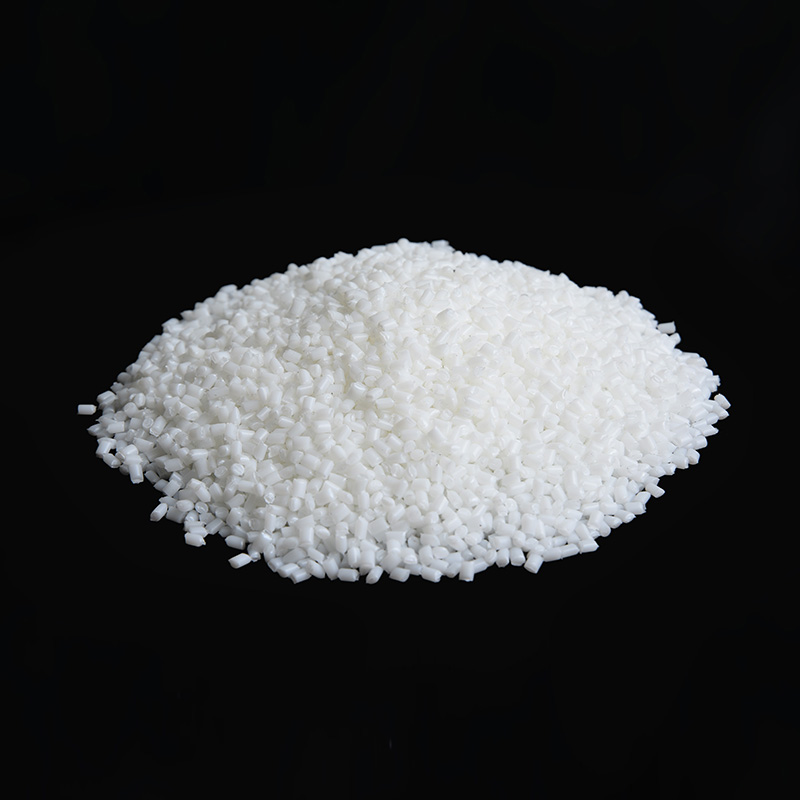
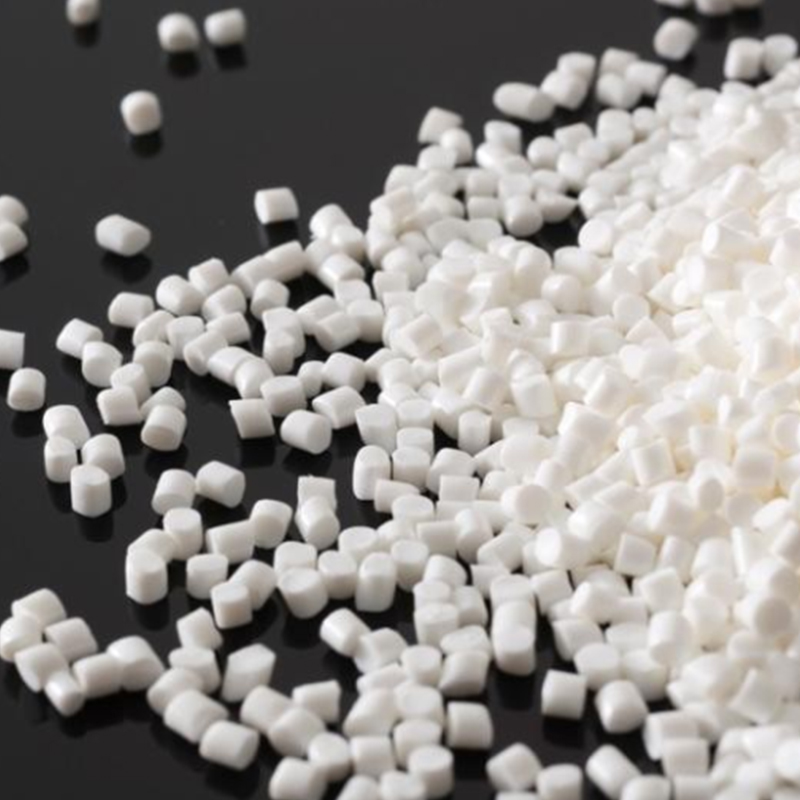
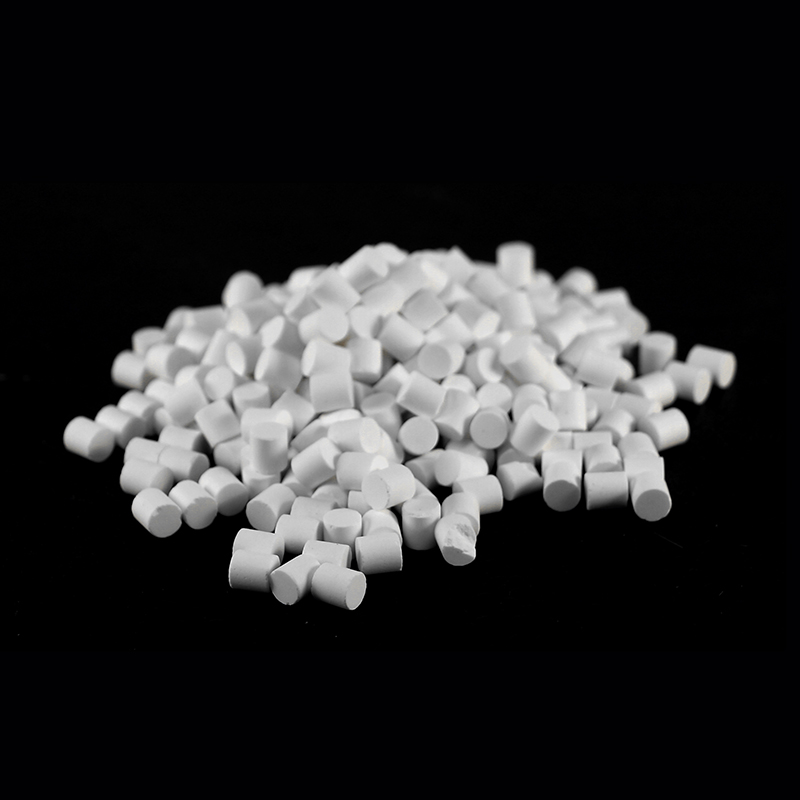
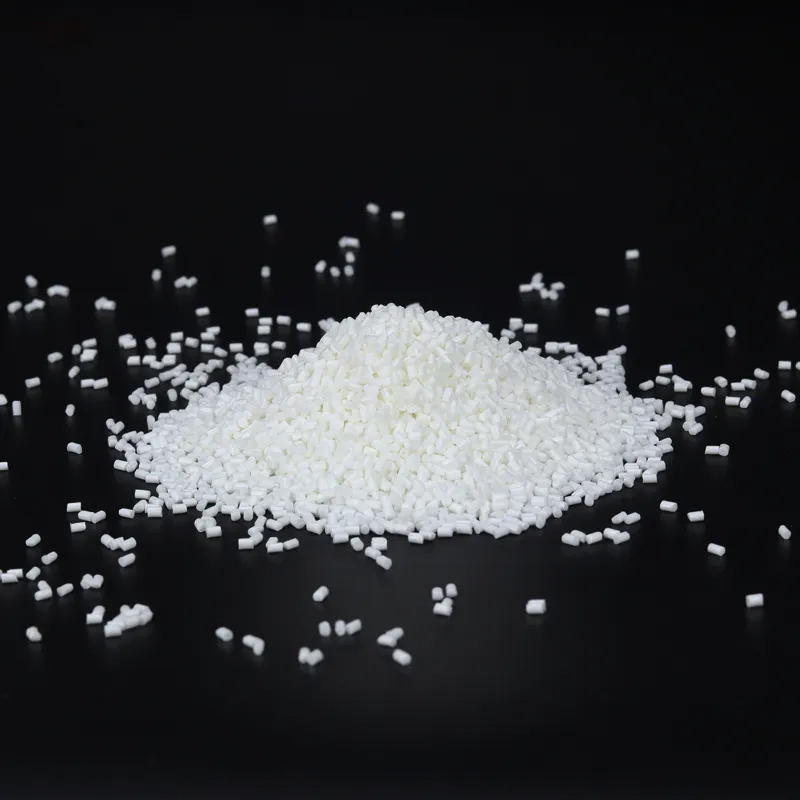
The most commercially significant biodegradable plastics today include polylactic acid (PLA), polyhydroxyalkanoates (PHA), thermoplastic starch (TPS), and polybutylene succinate (PBS). Each is made through distinct manufacturing routes, but all share one principle: their backbone polymers originate from biological rather than fossil sources, allowing enzymatic decomposition pathways to complete the material's life cycle.
It is worth clarifying upfront: biodegradability and bio-based origin are not the same property. Some bioplastics are bio-based but not biodegradable, while some petroleum-derived polymers can be engineered with biodegradable additives. This article focuses specifically on how plastics that are both bio-derived and genuinely biodegradable are manufactured, how they compare with conventional engineering materials like engineering nylon plastic, and what that means for industrial and product applications.
Raw Material Feedstocks: Where Biodegradable Plastic Begins
The manufacturing journey of biodegradable plastic starts not in a factory but on a farm. The choice of biological feedstock determines the chemical route, processing conditions, and final material properties of the resulting polymer.
Corn Starch and Sugarcane
Corn starch is the dominant feedstock for PLA production globally. The starch is first wet-milled to isolate glucose, which is then fermented by lactic acid bacteria (primarily Lactobacillus species) to produce lactic acid monomers. Sugarcane juice offers a higher sugar concentration and is the preferred feedstock in tropical regions, particularly Brazil. According to data from the European Bioplastics Association (2023 edition of their market report), PLA derived from corn starch and sugarcane accounts for roughly 32% of all bioplastic production capacity worldwide.
Cellulose from Agricultural Waste
Cellulose extracted from wheat straw, rice husks, sugarcane bagasse, or wood pulp is an increasingly attractive second-generation feedstock. It avoids direct competition with food supply chains. However, cellulose's crystalline structure requires enzymatic or acid hydrolysis pretreatment before fermentation can proceed, adding process steps and cost. Research published in Bioresource Technology (Vol. 289, 2019) demonstrated that enzymatic saccharification of wheat straw cellulose can yield glucose concentrations of 45–55 g/L, sufficient for downstream PHA fermentation.
Vegetable Oils and Fatty Acids
Soybean oil, palm oil, and castor oil serve as feedstocks for polyurethane-based biodegradable foams and certain polyester variants. Castor oil is particularly notable because it is inedible and its cultivation requires less water and pesticide than corn. The oleic and linoleic acid chains within these oils provide carbon-carbon backbones that can be oxidized and functionalized into polyol precursors for biodegradable polyesters and polyurethanes.
Methane and CO2 as Emerging Feedstocks
Companies including Mango Materials (USA) and Newlight Technologies have developed fermentation processes using methane — captured from landfills or agricultural waste — as the sole carbon source for PHA production. This represents a third-generation feedstock pathway that simultaneously sequesters greenhouse gases and produces a biodegradable polymer. Pilot-scale facilities have demonstrated yields of up to 80% cell dry weight PHA in certain bacterial strains under optimized conditions (source: Nature Communications, 2020, "Polyhydroxyalkanoate production from methane at pilot scale").

Step-by-Step Manufacturing Processes for Major Biodegradable Plastics
Making PLA: Fermentation to Ring-Opening Polymerization
PLA production follows a well-established industrial sequence:
- Feedstock preparation: Corn or sugarcane is processed to release fermentable sugars (glucose or sucrose).
- Lactic acid fermentation: Bacteria convert sugars into L-lactic acid or D-lactic acid under controlled pH and temperature (typically 37–43°C, pH 5.5–6.5).
- Purification: Lactic acid is recovered by precipitation, acidification, and distillation, achieving purities above 99.5%.
- Oligomerization: Lactic acid undergoes condensation polymerization under vacuum and elevated temperatures (150–170°C) to form low-molecular-weight PLA oligomers.
- Depolymerization to lactide: Oligomers are thermally depolymerized in the presence of a catalyst (typically tin(II) octoate) to produce cyclic lactide dimers.
- Ring-opening polymerization (ROP): Lactide undergoes ROP in the presence of a catalyst and initiator at 150–210°C, producing high-molecular-weight PLA with weight-average molecular weights of 100,000–300,000 g/mol.
- Pelletizing and formulation: The polymer melt is extruded, cooled, and pelletized for downstream processing.
NatureWorks LLC (Minnesota, USA) operates the world's largest PLA production facility, with a capacity of 150,000 metric tons per year using the ROP route. Their Ingeo brand PLA grades range from packaging films to fiber applications.
Making PHA: Microbial Intracellular Accumulation
PHA production is fundamentally different from PLA: the polymer is synthesized inside living bacterial cells as an intracellular energy reserve, then extracted. The process involves:
- Bacterial cultivation: Strains such as Cupriavidus necator (formerly Ralstonia eutropha), Burkholderia cepacia, or recombinant E. coli are grown in nutrient-rich media.
- Nutrient limitation phase: Nitrogen, phosphorus, or oxygen is deliberately restricted to trigger PHA accumulation. Bacteria redirect carbon flux toward PHA synthesis, sometimes accumulating up to 90% of their dry cell weight as PHA granules.
- Cell harvesting: The broth is centrifuged to concentrate the bacterial biomass.
- Cell disruption and extraction: Cells are lysed by chemical treatment (sodium hypochlorite, surfactants) or mechanical disruption (bead milling, homogenization). PHA is then extracted using solvents (chloroform, methylene chloride) or by an aqueous non-solvent precipitation route.
- Purification and drying: Solvent is evaporated or the polymer is precipitated in non-solvent, washed, and dried to yield a powder or pellet.
The most common PHA is poly(3-hydroxybutyrate) (PHB) and its copolymer poly(3-hydroxybutyrate-co-3-hydroxyvalerate) (PHBV). PHBV shows improved flexibility over PHB by disrupting the regular crystalline packing, giving elongation at break values of 15–50% versus PHB's typical 5%.
Making Thermoplastic Starch (TPS)
Native starch granules are brittle and hydrophilic and cannot be melt-processed directly. Converting them to TPS involves plasticization — blending starch with plasticizers (water, glycerol, sorbitol, urea) and applying mechanical shear and heat (90–180°C) in a twin-screw extruder. This disrupts the semi-crystalline granule structure and produces an amorphous, melt-processable thermoplastic matrix. TPS alone has limited mechanical performance; it is commonly blended with PLA, PBAT (polybutylene adipate terephthalate), or PBS to improve tensile strength and water resistance.
Making PBAT: A Fossil-Based but Biodegradable Copolyester
PBAT is synthesized from petroleum-derived monomers — 1,4-butanediol, adipic acid, and terephthalic acid — through melt condensation polymerization. Despite its fossil-based origin, PBAT is certified industrially compostable (EN 13432 / ASTM D6400) because its ester linkages are susceptible to enzymatic hydrolysis. PBAT is widely used in flexible packaging films as a toughening agent for brittle PLA blends. Globally, BASF's ecoflex (PBAT) and its Ecovio blend (PLA + PBAT) are the dominant commercial products.
Biodegradable Plastics vs. Engineering Nylon Plastic: A Property Comparison
One of the most common questions in material selection is how biodegradable plastics compare against high-performance conventional materials, particularly engineering nylon plastic (PA6, PA66, PA12). Engineering nylon plastic has decades of proven performance in automotive, industrial, and consumer applications. Understanding the performance gap is essential before choosing either material family.
| Property | PLA | PHA (PHBV) | TPS Blend | Engineering Nylon (PA66) |
|---|---|---|---|---|
| Tensile Strength (MPa) | 40–65 | 25–40 | 15–30 | 70–85 |
| Elongation at Break (%) | 3–8 | 15–50 | 30–200 | 60–300 |
| Heat Deflection Temp (°C) | 55–65 | 100–130 | 50–70 | 180–250 |
| Water Absorption (%) | 0.3–0.5 | 0.5–2.0 | High (5–20) | 2.5–8.5 |
| Processing Temp (°C) | 170–220 | 160–180 | 90–180 | 260–290 |
| Biodegradability | Industrial compost | Soil, marine, compost | Soil, compost | None (stable) |
| Typical Cost (USD/kg, 2024) | 1.8–2.5 | 4.0–8.0 | 1.5–3.0 | 2.0–3.5 |
The data makes clear that engineering nylon plastic outperforms biodegradable alternatives on almost every mechanical and thermal metric. PA66 offers tensile strengths 30–50% higher than PLA, heat deflection temperatures more than triple those of standard PLA, and excellent fatigue resistance — which is why engineering nylon plastic remains the material of choice for under-the-hood automotive components, power tool housings, gears, and industrial connectors. For applications that require these performance levels, biodegradable plastics are not currently viable substitutes without significant property modification through blending, compounding with fiber reinforcements, or application-specific redesign.
However, this is not the full picture. For packaging, disposable cutlery, agricultural mulch films, short-cycle medical devices, and consumer goods with defined end-of-life pathways, biodegradable plastics can match or exceed the necessary performance specifications while delivering a measurable environmental advantage. The engineering nylon plastic family continues to evolve too — bio-based PA11 (made from castor oil, commercialized by Arkema under the Rilsan brand) and PA410 (from DSM, using both bio-based and petroleum-derived monomers) represent a convergence where engineering nylon plastic gains partial bio-based content without sacrificing structural performance.
How Biodegradable Plastics Actually Break Down: The Science of Degradation
Understanding degradation mechanisms is as important as understanding how biodegradable plastic is made, because the two are directly linked. The chemical structures created during manufacturing determine which degradation pathways are accessible in the environment.
Hydrolytic Degradation
PLA degrades primarily through abiotic hydrolysis — water cleaves the ester bonds in the polymer backbone, progressively reducing molecular weight without requiring microbial activity. This process is autocatalytic: as hydrolysis proceeds, the lactic acid fragments produced further lower local pH, accelerating chain scission. At industrial compost conditions (58°C, >50% humidity), PLA degrades to low-molecular-weight fragments within 60–90 days, followed by rapid microbial mineralization. At ambient environmental temperatures (soil at 15–20°C), the same process can take 2–5 years, which is why PLA should not be marketed as suitable for home composting or littering without qualification. This kinetic reality is important: the term "biodegradable" on a PLA product does not mean it disappears quickly in any environment.
Enzymatic Degradation
PHA degrades through a fundamentally different primary mechanism — direct enzymatic attack by extracellular PHA depolymerases secreted by soil bacteria and fungi. These enzymes hydrolyze the ester bonds at the polymer surface, generating 3-hydroxybutyrate monomers that are immediately metabolized by the same or neighboring microorganisms. This makes PHA degradable across a much wider range of environments: marine sediments, freshwater, soil, and compost. PHBV thin films have been shown to lose 90% mass in activated sludge within 28 days and in marine environments within 60–90 days (source: Polymer Degradation and Stability, Vol. 94, Issue 4, 2009).
Photo-oxidative and Thermal Preconditioning
UV radiation and thermal cycling in outdoor environments can preCondition biodegradable plastics by initiating chain scission, increasing brittleness, and enlarging surface area accessible to microbial colonization. This is particularly relevant for agricultural mulch films based on PBAT/TPS blends, which are designed to fragment and mineralize in the field after one growing season. Critically, this photo-oxidative fragmentation pathway is also how conventional oxo-degradable additives work in standard polyolefins — but the resulting fragments are not biodegradable, a key distinction that has led to regulatory bans on oxo-degradable plastics in the EU under Directive 2019/904.
Why Engineering Nylon Plastic Does Not Biodegrade
Engineering nylon plastic (polyamide) resists biodegradation because its amide bonds (-CO-NH-) are significantly more hydrolytically stable than the ester bonds in PLA or PHA under ambient biological conditions. While industrial hydrolysis of polyamide at elevated temperatures (>200°C) and pressures is used in nylon recycling processes (known as aminolysis or hydrolysis depolymerization), soil and marine microorganisms lack efficient polyamide depolymerases capable of breaking these bonds at environmental conditions. Engineering nylon plastic can persist in the environment for hundreds of years, which is precisely why its mechanical performance is maintained throughout decades of service — a desirable property for structural components, but an environmental liability when the material becomes waste without dedicated recycling.
Industrial and Commercial Applications: Where Each Material Belongs
The manufacturing characteristics of biodegradable plastics and engineering nylon plastic make them suited to very different applications. Neither material is universally superior — both serve critical roles in the modern material ecosystem.
Applications Best Suited for Biodegradable Plastics
- Flexible packaging films: PBAT/PLA blends are used for produce bags, bread bags, and compostable bin liners. The European market alone used approximately 750,000 tonnes of compostable packaging in 2022 (source: European Bioplastics / nova-Institute, Bioplastics Market Data 2022).
- Single-use foodservice items: PLA cups, plates, and cutlery certified under EN 13432 are accepted by many industrial composting facilities. Starbucks and McDonald's Europe have trialed PLA-coated paper cups as replacements for PE-coated alternatives.
- Agricultural mulch films: PBAT-based films are plowed into soil after harvest and degrade within 3–12 months, eliminating the need for costly film removal. Italy mandates the use of certified biodegradable mulch films under its waste law (D.Lgs. 116/2020).
- Medical sutures and drug delivery scaffolds: PLA, PGA (polyglycolide), and their copolymer PLGA have been used in absorbable sutures since the 1970s. The body's esterases hydrolyze these polymers into safe metabolic byproducts. PLGA microspheres are used to deliver chemotherapy drugs at controlled release rates over 1–6 months.
- 3D printing filament: PLA is the most widely used FDM printing material globally due to its low warp, low toxicity fumes, and print temperature accessible to entry-level printers. The global PLA filament market was valued at approximately USD 430 million in 2023 (source: MarketsandMarkets, 2023 report).
- Seed trays and nursery pots: TPS and PHA-based trays can be planted directly into the ground with the seedling, eliminating transplant shock and plastic waste removal from growing operations.
Applications Where Engineering Nylon Plastic Remains Dominant
- Automotive under-hood components: Intake manifolds, engine covers, cable ties, fuel line connectors, and coolant reservoirs made from PA66 or PA6 glass-fiber-reinforced grades withstand continuous temperatures of 120–150°C with high chemical resistance to oils, fuels, and coolants. No biodegradable plastic currently approaches this performance envelope.
- Electrical connectors and housings: Engineering nylon plastic (PA66) is UL94 V-0 flame-retardant rated (with appropriate additives), offering tracking resistance and dimensional stability critical for electrical safety in consumer electronics, EV battery management systems, and industrial switchgear.
- Industrial gears, bearings, and bushings: Engineering nylon plastic's low coefficient of friction (0.1–0.3 against steel), self-lubricating properties, and fatigue resistance make it the go-to for non-lubricated mechanical drives in food processing, textile machinery, and conveyor systems.
- Power tool housings and handles: The high impact strength and surface hardness of PA6/66 withstand repeated drops and heavy-duty use cycles. Glass-fiber-reinforced grades (30% GF) achieve tensile strengths exceeding 160 MPa.
- Sporting goods and outdoor equipment: Ski bindings, bicycle derailleurs, zip ties, and carabiner bodies rely on engineering nylon plastic for long-term UV stability (with stabilizer packages), impact resistance, and lightweight structural performance.
Current Innovations Closing the Performance Gap Between Biodegradable Plastics and Engineering Nylon Plastic
A significant portion of current polymer research is dedicated to improving the performance of biodegradable plastics so they can serve in higher-demand applications. At the same time, efforts are underway to make engineering nylon plastic partially bio-derived while retaining its engineering advantages.
Stereocomplex PLA: Breaking the Heat Deflection Barrier
Standard PLA has a heat deflection temperature of 55–65°C, which disqualifies it from hot-fill packaging, dishwasher-safe containers, and many automotive applications. Stereocomplex PLA (sc-PLA), formed by blending PLLA (poly-L-lactide) and PDLA (poly-D-lactide) in a 1:1 ratio, forms a co-crystallized structure with a melting point of 220–230°C — significantly higher than either homopolymer alone. Research from Mitsui Chemicals and Toyota has demonstrated sc-PLA injection-molded parts withstanding 100°C continuous use temperatures, making them viable for some automotive interior components that currently use engineering nylon plastic.
PHA Copolymers and Blends for Toughness
PHB's inherent brittleness has historically limited PHA's commercial success. Current strategies to improve toughness include: (1) biosynthetic incorporation of longer side chains (3-hydroxyvalerate, 3-hydroxyhexanoate) to disrupt crystallinity and improve ductility; (2) reactive blending with PLA or PBAT using peroxide or dicumyl peroxide as compatibilizing agents; and (3) plasticization with epoxidized vegetable oils. These approaches have produced PHA-based materials with elongation at break exceeding 200% while maintaining full biodegradability — approaching the flexibility of low-density polyethylene, though not yet the performance of engineering nylon plastic.
Biocomposite Reinforcement: Natural Fibers in Biodegradable Matrices
Adding natural fibers — flax, hemp, jute, kenaf, or bamboo — to PLA or PHA matrices creates fully compostable biocomposites with substantially improved stiffness and strength. Flax fiber/PLA composites with 30% fiber loading have achieved tensile moduli of 8–12 GPa, approaching glass-fiber-reinforced engineering nylon plastic in stiffness while offering a much lower density (1.2–1.3 g/cm3 vs. 1.5 g/cm3 for 30% GF PA66). Companies including Bcomp (Switzerland) and Trifilon (Sweden) have commercialized these biocomposite systems for use in automotive interior panels, sports equipment, and consumer electronics housings.
Bio-Based Nylon: Bridging the Divide
The distinction between "biodegradable" and "bio-based" is often conflated, but bio-based engineering nylon plastic represents an important intermediate territory. PA11 (Rilsan, Arkema) is derived 100% from castor oil and is not biodegradable but offers a 50–60% lower carbon footprint than PA12 on a cradle-to-gate basis (source: Arkema Life Cycle Assessment, 2021). PA410 (EcoPaXX, DSM/Covestro) is 70% bio-based from castor oil and achieves the mechanical performance of PA66 with a Tg of 30°C and melting point of 250°C. These materials retain engineering nylon plastic's structural advantages while reducing dependence on petrochemical feedstocks — a pragmatic step in industrial decarbonization where fully biodegradable alternatives are not yet sufficient.
Enzymatic Recycling: Connecting End-of-Life to Production
A breakthrough technology from Carbios (France) uses engineered thermophilic cutinase enzymes to depolymerize PET — and by extension, PLA and other polyesters — back to pure monomers at 72°C within 10 hours, achieving over 97% depolymerization yield. This enzymatic recycling route, validated at pilot scale and licensed to partners including L'Oreal and Nestle, means biodegradable polyesters could eventually be chemically recycled to virgin-quality monomers rather than composted, closing the material loop far more efficiently. This positions biodegradable polyesters not just as end-of-life compostable materials but as recyclable platforms in a circular economy — a narrative that competes more directly with the recyclability credentials of engineering nylon plastic.
Environmental Impact: Life Cycle Analysis of Biodegradable Plastics vs. Conventional Materials
The environmental case for biodegradable plastics is more nuanced than marketing claims suggest. Life cycle assessment (LCA) data shows that biodegradable plastics are not categorically "greener" than conventional materials across all impact categories — but they offer specific advantages that are highly relevant in particular use cases.
Global Warming Potential (GWP)
A comparative LCA by the European Environment Agency (EEA, 2021) found that PLA production emits approximately 1.3–2.5 kg CO2-eq per kg of polymer, compared to 3.4–4.5 kg CO2-eq per kg for virgin PET and 2.5–3.5 kg CO2-eq per kg for PA66 (engineering nylon plastic). However, these figures vary substantially based on the energy mix of the production facility, land use change associated with feedstock agriculture, and transportation distances. When PLA is composted at end of life, the biogenic CO2 released is considered carbon-neutral (since it was recently captured from the atmosphere during plant growth), whereas incineration of fossil-based plastics releases fossilized carbon as a net addition to atmospheric CO2.
Land Use and Food Crop Competition
The primary criticism of first-generation biodegradable plastics like corn-starch PLA is that they compete for agricultural land with food production. At current global PLA production volumes (~600,000 tonnes/year), the feedstock corn requires approximately 1.2 million hectares of farmland — less than 0.1% of global cropland (source: nova-Institute, "Bio-based Building Blocks and Polymers," 2023). This is a relatively minor land impact today, but at scale, the land use implications of replacing all fossil plastics with first-generation bioplastics would be significant. This is a key driver of research into second-generation feedstocks (lignocellulosic waste) and third-generation (algae, methane) that do not compete with food systems.
Marine Pollution Considerations
One of the most frequently cited environmental advantages of biodegradable plastics, specifically PHA, is marine degradability. Marine plastic pollution is estimated at 8–12 million metric tonnes per year entering the ocean (source: Jambeck et al., Science, 2015). Engineering nylon plastic lost at sea as fishing nets, aquaculture equipment, or industrial debris degrades into microplastic fragments over decades. PHA is the only commercial biodegradable plastic certified to biodegrade in marine environments (ASTM D7991 standard), where it is metabolized by naturally occurring marine bacteria within months rather than decades. This makes PHA specifically appropriate for fishing gear, aquaculture netting, and marine coatings where loss to the ocean environment is an inherent risk — applications where engineering nylon plastic's persistence becomes an environmental liability.
Processing Biodegradable Plastics on Conventional Plastic Manufacturing Equipment
A practical question for manufacturers considering the switch from conventional plastics to biodegradable alternatives is whether existing machinery — injection molding machines, extruders, blow molding lines, thermoforming presses — can process biodegradable materials without major capital investment.
Injection Molding
PLA can be injection molded on standard reciprocating screw machines with barrel temperatures of 170–220°C and mold temperatures of 25–40°C for amorphous parts, or 80–110°C for crystalline (CPLA) parts. The key challenge is PLA's sensitivity to moisture: it must be pre-dried to below 250 ppm water content (ideally 100 ppm) before processing, or hydrolytic chain scission during molding reduces molecular weight and results in brittle parts. Residence time in the barrel should be minimized — PLA begins to degrade measurably after 5–10 minutes at processing temperatures. Compared to engineering nylon plastic (which requires drying to <0.2% moisture and processes at 260–290°C), PLA places less thermal demand on the barrel heaters but requires more careful moisture management.
Film Extrusion and Blown Film
PBAT, TPS/PLA blends, and PHA grades have been successfully processed on conventional blown film lines. Screw design modifications may be needed — shallower compression ratios (2.5:1 to 3:1) and lower shear compared to PE processing are typically recommended. Die gap and blow-up ratios must be adjusted because biodegradable polyesters have different melt strength behavior than LDPE. PHA is particularly prone to thermal degradation near its melting point (160–180°C) and requires precise temperature control with a narrow processing window. Some PHA grades benefit from nucleating agents to improve crystallization kinetics and reduce cycle time on extrusion lines.
Thermoforming
Amorphous PLA sheets thermoform at temperatures of 75–95°C, which is lower than most conventional thermoforming substrates and allows processing on existing equipment with modified temperature profiles. Crystalline PLA (CPLA) requires thermoforming at 135–160°C with dedicated mold designs. The wall thickness distribution in thermoformed PLA tends to be more uniform than in HIPS (high-impact polystyrene) due to PLA's higher strain hardening behavior, which is advantageous for thin-wall packaging applications. PLA thermoforming cycle times are generally competitive with PS at similar gauge.
Frequently Asked Questions About Biodegradable Plastic Manufacturing
Does biodegradable plastic break down in a landfill?
Most biodegradable plastics, including PLA, do not break down effectively in landfills. Landfill conditions — low oxygen, low moisture, and low temperatures in anaerobic zones — suppress the hydrolytic and microbial degradation pathways that biodegradable plastics depend on. PLA in a landfill may persist for decades, similar to conventional plastic. Industrial composting (58°C, aerobic, high humidity) is the intended end-of-life environment for most certified compostable plastics. Only PHA degrades under a wider range of conditions, including anaerobic environments, though rates are still much slower than in active compost or marine environments.
Can biodegradable plastic replace engineering nylon plastic in structural applications?
Not in most cases with current material technology. Engineering nylon plastic (PA6, PA66, PA12) offers mechanical properties — tensile strength 70–85 MPa, HDT up to 250°C, excellent chemical resistance — that current biodegradable alternatives cannot match without compromising biodegradability. Biocomposite approaches using natural fiber reinforcement in PLA or PHA matrices can approach engineering nylon plastic in stiffness, but toughness, thermal stability, and long-term chemical resistance remain significantly inferior. For structural applications, bio-based engineering nylon plastic (PA11 from castor oil, PA410) offers a more practical path to lower environmental impact without sacrificing performance.
What is the difference between compostable and biodegradable plastic?
"Biodegradable" means a material can be broken down by microorganisms into water, CO2, and biomass — but this definition gives no indication of the time scale or the required conditions. "Compostable" is a more specific and regulated term: a plastic certified under EN 13432 (Europe) or ASTM D6400 (USA) must disintegrate into fragments less than 2mm in size within 12 weeks in industrial composting conditions, and biodegrade to at least 90% of the carbon content as CO2 within 6 months. Compostable plastics must also demonstrate that residual material does not harm plant growth and that heavy metal content remains below defined thresholds. All certified compostable plastics are biodegradable, but not all biodegradable plastics are certified compostable.
How much does biodegradable plastic cost compared to conventional engineering materials?
As of 2024, commodity PLA costs approximately USD 1.8–2.5/kg, which is cost-competitive with many standard engineering thermoplastics. PHA remains significantly more expensive at USD 4–8/kg due to lower production volumes and more complex recovery processes. Engineering nylon plastic (PA6) trades at USD 2.0–3.5/kg for standard grades, making it broadly comparable in cost to PLA for certain applications. However, the total cost comparison must account for differences in processing conditions, drying requirements, cycle time impacts, and the need for certified compostable supply chains at end of life. As biodegradable plastic production scales up globally — total bioplastics capacity is projected to grow from 2.18 million tonnes in 2023 to over 6.3 million tonnes by 2028 (source: European Bioplastics / nova-Institute) — cost parity with conventional plastics for most grades is expected by the late 2020s.
Can biodegradable plastic be recycled with conventional plastic waste streams?
This is a critical practical concern. Biodegradable plastics — particularly PLA — are generally incompatible with conventional recycling streams for PET, HDPE, or PP. Even small contamination of PLA (<1%) in a PET recycling stream can cause visible defects in recycled PET products due to differences in melting behavior and optical clarity. Mechanical sorting systems increasingly use near-infrared (NIR) spectroscopy to separate PLA from PET, but accuracy is not perfect. The correct end-of-life pathway for certified compostable plastics is industrial composting, not curbside recycling bins. Enzymatic recycling technologies (such as Carbios's PETase platform) may eventually allow biodegradable polyesters to be chemically depolymerized back to monomers regardless of contamination level, resolving the sorting challenge.
Is engineering nylon plastic being phased out due to environmental concerns?
No. Engineering nylon plastic (polyamide) is not being phased out. Its long service life, recyclability through mechanical and chemical routes, and high performance-to-weight ratio make it an important material in lightweighting strategies for electric vehicles, aerospace, and renewable energy infrastructure — all of which reduce overall system carbon footprints. The trend in the engineering nylon plastic sector is toward increasing bio-based content (PA11, PA410, partially bio-based PA66 and PA6 from emerging bio-based hexamethylenediamine and adipic acid routes) rather than replacement by biodegradable materials. Recycled-content PA grades (made from end-of-life fishing nets, textile waste, or industrial scrap) are also increasingly available as drop-in alternatives with lower environmental impact than virgin engineering nylon plastic.
 Mob: +86-15867822829
 Tel: +86-0574-62538663
 Fax: +86-0574-62530664
 E-mail:
 Follow Us
 Home
Home
