


 English
 中文简体
中文简体 Español
 русский
 عربى
عربى
Content
Nylon 66, also known as polyamide 66, is one of the most widely used engineering plastics in the world. Its production process is like "making soup" and "pulling noodles" in a kitchen, emphasizing precise proportions and controlled heating.
Here are the simplified steps for making Nylon 66:
Step 1: Making "Nylon Salt"
Just like preparing saltwater, the factory first mixes two main raw materials (adipic acid and hexamethylenediamine) in water. These two raw materials react to form a white crystalline substance, commonly known as "nylon salt."
Why do this? Because these two raw materials must be in a perfect 1:1 ratio for the final nylon to be of good quality. Making it into "salt" ensures the ratio is absolutely precise.
Step 2: High-Temperature "Dehydration" and Refining
The nylon salt is placed in a reactor, similar to a pressure cooker, and heated and pressurized continuously.
Removing water: During heating, these "salt" molecules link together, simultaneously "kicking out" the excess water.
Forming long chains: As the water is removed, the molecular chains become longer and longer, and the initially thin liquid becomes increasingly viscous, eventually turning into a molten nylon similar to transparent maltose.
Difference from Nylon 6: Compared to Nylon 6, which can "self-cyclize" using only one raw material, Nylon 66 must rely on these two raw materials "pairing up," resulting in a more compact molecular structure.
Step 3: Cooling and Granulation
Once the "maltose" is ready, it is squeezed out through narrow slits at the bottom of the reactor, forming long, thin strands.
Water cooling: These hot strands are rapidly cooled in a cold water bath, immediately becoming hard.
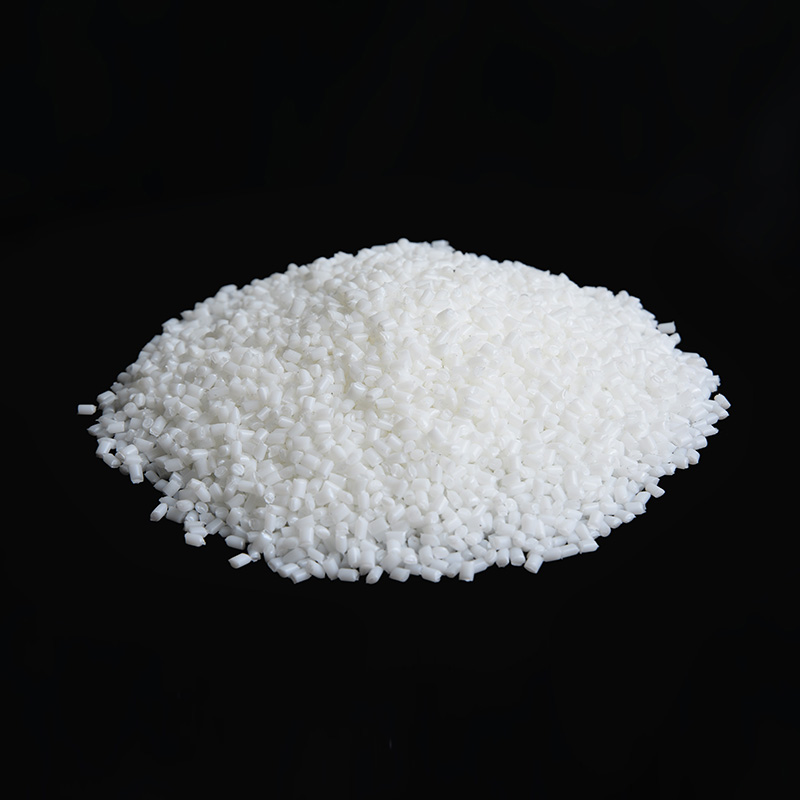
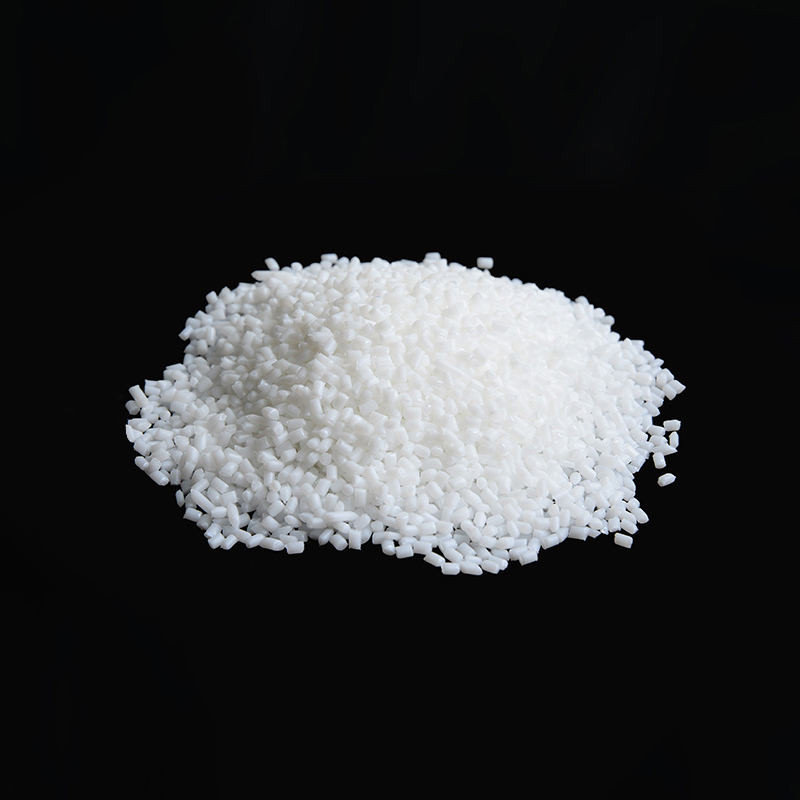
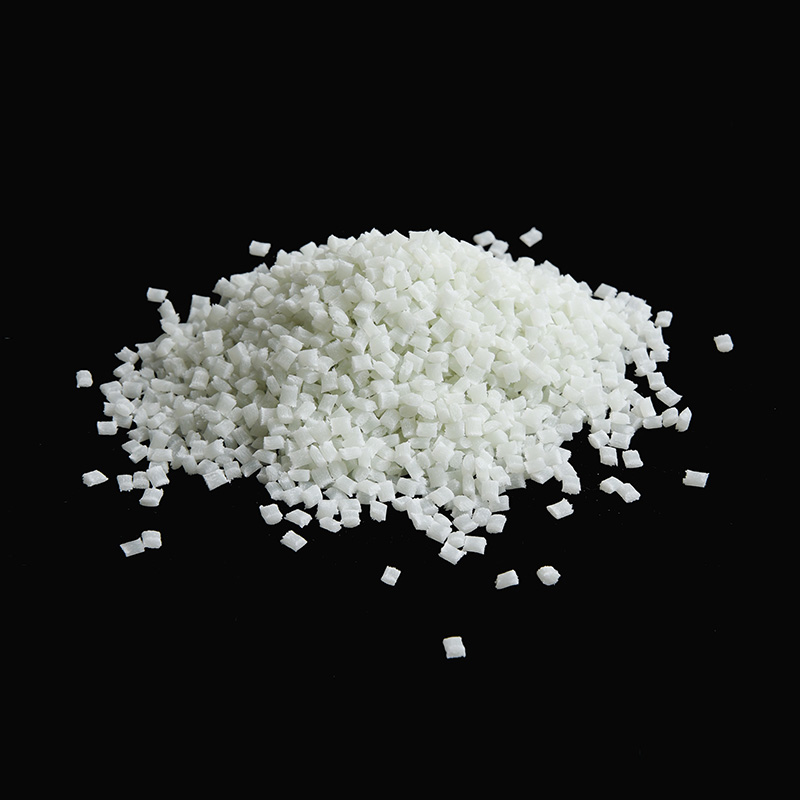
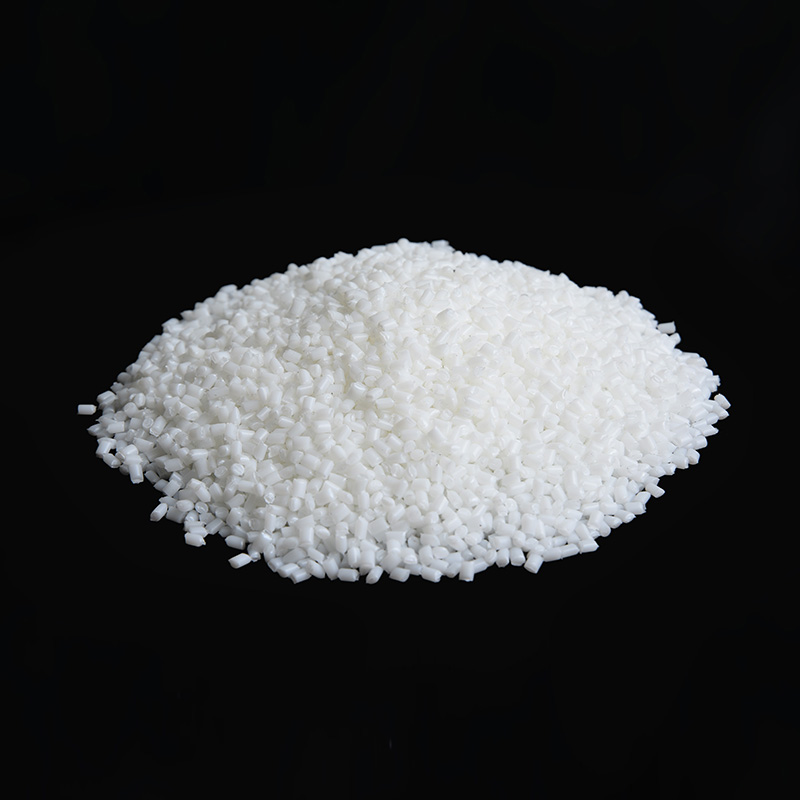
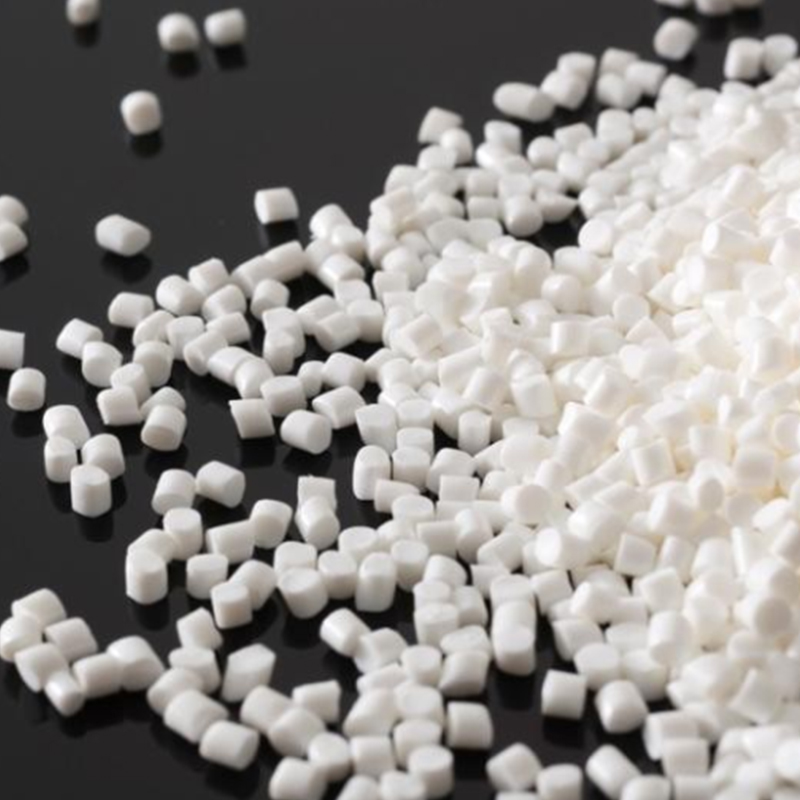
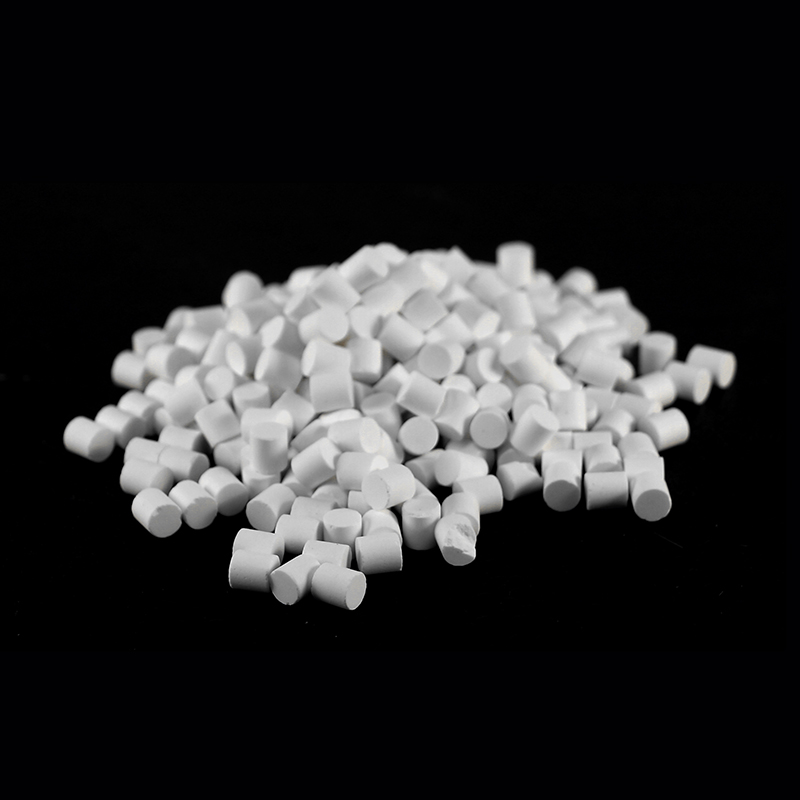
Cutting into small pieces: A machine cuts these hard strands into small, translucent granules. These granules are Nylon 66 chips, which are the raw materials for subsequent processing.
Step 4: Stretching and Shaping
If the material is to be made into fibers (for example, for clothing or ropes), these slices are remelted and then extruded through a nozzle similar to a showerhead.
Physical Stretching: The extruded filaments then undergo a crucial "stretching" process. By pulling them forcefully, the molecules are aligned more neatly. The tighter the stretching, the stronger and more durable the resulting nylon thread will be.

 Mob: +86-15867822829
 Tel: +86-0574-62538663
 Fax: +86-0574-62530664
 E-mail:
 Follow Us
 Home
Home
