


 English
 中文简体
中文简体 Español
 русский
 عربى
عربى
Content
- 1 The Direct Answer: How Urethane Is Made
- 2 The Core Chemical Reaction Explained
- 3 Raw Material One: Isocyanates and Their Industrial Sources
- 4 Raw Material Two: Polyols and the Polyamide Source Connection
- 5 Catalysts: The Chemical Accelerators Behind Urethane Production
- 6 Additives That Modify the Final Urethane Structure
- 7 Industrial Processing Methods for Making Urethane Products
- 8 Bio-Based and Sustainable Routes to Urethane Production
- 9 Urethane vs. Polyamide: Performance Comparison Across Key Properties
- 10 Quality Control and Testing in Urethane Manufacturing
- 11 Safety Considerations in Urethane Production
The Direct Answer: How Urethane Is Made
Urethane — more precisely called polyurethane when in its polymeric form — is made through a chemical reaction between a polyol (an alcohol with multiple reactive hydroxyl groups) and an isocyanate (a compound containing one or more –NCO groups). When these two components combine, they form a urethane linkage (–NH–COO–), which is the defining chemical bond of the material. This reaction does not require water or a solvent, can be catalyzed by amines or organometallic compounds, and proceeds rapidly at room temperature or with mild heat. The resulting material can be a rigid foam, flexible foam, elastomer, coating, adhesive, or fiber depending entirely on the molecular weight, functionality, and ratio of the starting materials.
This foundational chemistry was first described by Otto Bayer and his team at IG Farben in Germany in 1937. By the 1950s, commercial production had begun in the United States and Europe. Today, global polyurethane production exceeds 25 million metric tons per year, making it one of the most versatile and widely produced polymer families in existence.
The Core Chemical Reaction Explained
The urethane-forming reaction is a polyaddition reaction. Unlike condensation polymerization, it releases no byproducts. The hydroxyl group (–OH) of the polyol attacks the electrophilic carbon of the isocyanate group (–N=C=O), forming the urethane (carbamate) linkage. The simplified reaction is:
R–NCO + HO–R' → R–NH–COO–R'
In industrial practice, this is rarely a single-step event. Formulators carefully control the isocyanate index — the ratio of isocyanate groups to hydroxyl groups, expressed as a percentage. An index of 100 means a 1:1 stoichiometric ratio. Rigid foams often use an index of 110–120 to ensure complete reaction and achieve higher crosslink density, while flexible foam formulations typically target an index closer to 100–105.
Side Reactions That Alter Properties
Several important side reactions also occur during urethane formation, each of which modifies the final product's properties:
- Isocyanate + water → carbamic acid → amine + CO₂ (this reaction is deliberately triggered to generate gas bubbles in foam systems)
- Isocyanate + amine → urea linkage (increases rigidity and thermal resistance)
- Isocyanate + urethane → allophanate linkage (forms at elevated temperatures, increasing crosslinking)
- Isocyanate + isocyanate → isocyanurate ring (trimerization, creates extremely fire-resistant rigid foams)
Each of these reactions can be encouraged or suppressed by adjusting catalyst selection, temperature, and moisture content during processing. Formulators treat this chemistry as a tool kit, not a single fixed process.
Raw Material One: Isocyanates and Their Industrial Sources
The isocyanate component is the more chemically reactive of the two main ingredients. Two isocyanate compounds dominate global urethane production:
| Isocyanate | Full Name | Primary Use | Market Share |
|---|---|---|---|
| MDI | Methylene diphenyl diisocyanate | Rigid foams, structural panels, adhesives | ~60% of all isocyanate volume |
| TDI | Toluene diisocyanate | Flexible slabstock foam, mattresses, seating | ~34% of all isocyanate volume |
| HDI / IPDI | Aliphatic isocyanates | Coatings, automotive topcoats, UV-stable systems | ~6% of all isocyanate volume |
MDI is produced from aniline and formaldehyde via a condensation reaction to form MDA (methylenedianiline), which is then reacted with phosgene (COCl₂) to form MDI. TDI follows a similar phosgene route starting from toluene diamine. The phosgene route is dominant industrially despite phosgene's extreme toxicity, because no comparably efficient alternative has been commercialized at scale. BASF, Covestro, Huntsman, and Wanhua Chemical are among the world's largest isocyanate producers.
Aromatic isocyanates like MDI and TDI are cost-effective and highly reactive but yellow when exposed to UV light. Aliphatic isocyanates like HDI (hexamethylene diisocyanate) and IPDI (isophorone diisocyanate) are more expensive but provide color stability, making them the standard for automotive clearcoats and exterior architectural coatings where appearance must be maintained over decades.
Raw Material Two: Polyols and the Polyamide Source Connection
Polyols are the other half of the urethane equation. They determine softness, flexibility, chemical resistance, and thermal behavior more than almost any other formulation variable. There are two main families of polyols used commercially:
Polyether Polyols
Polyether polyols are made by ring-opening polymerization of propylene oxide (PO) or ethylene oxide (EO) initiated by a starter compound such as glycerol, sorbitol, or sucrose. They account for roughly 75% of all polyols used globally in urethane production. They are hydrolytically stable, low-cost, and easy to process. Flexible foams for furniture, bedding, and automotive seating overwhelmingly rely on polyether polyols.
Polyester Polyols
Polyester polyols are made by condensation polymerization of diacids (such as adipic acid) with diols (such as ethylene glycol or butanediol). They produce urethanes with superior mechanical strength, abrasion resistance, and solvent resistance compared to polyether-based systems. Shoe soles, conveyor belts, and high-performance coatings often specify polyester-based urethane systems precisely for these reasons. However, polyester polyols are susceptible to hydrolysis in humid environments, which limits their use in outdoor applications without stabilizers.
Polyamide Source as a Precursor and Comparative Material
Understanding the polyamide source is relevant here because polyamide and polyurethane share overlapping raw material origins and are often compared in engineering and textile applications. A polyamide source — typically caprolactam (for Nylon 6) or adipic acid combined with hexamethylenediamine (for Nylon 6,6) — yields a material with amide linkages (–CO–NH–) rather than urethane linkages. The distinction matters because:
- Polyamides produced from a bio-based polyamide source (such as castor oil-derived sebacic acid for Nylon 6,10) offer sustainability credentials comparable to bio-polyols used in green polyurethane systems.
- Adipic acid is simultaneously a key polyamide source component (used in Nylon 6,6 production) and a major ingredient in polyester polyols for urethane systems — meaning these two polymer industries share the same upstream chemical supply chains.
- In fiber applications, polyamide (nylon) and polyurethane (spandex/Lycra) are frequently blended — with polyurethane providing stretch and recovery while the polyamide source component contributes abrasion resistance and dimensional stability.
- Some reactive systems use amine-terminated polyamide oligomers — effectively a low-molecular-weight polyamide source — as chain extenders or crosslinkers in urethane formulations, introducing hard segment character and improving heat resistance.
This overlap between the polyamide source supply chain and the urethane raw material supply chain means that price fluctuations in adipic acid or caprolactam affect both industries simultaneously. In 2021–2022, global supply chain disruptions caused adipic acid prices to spike by over 40%, impacting both nylon manufacturers and polyester polyol producers for urethane applications.
Catalysts: The Chemical Accelerators Behind Urethane Production
Without catalysts, the reaction between a polyol and an isocyanate proceeds far too slowly for industrial processing. Two major catalyst classes are used:
Tertiary Amine Catalysts
Tertiary amines such as DABCO (1,4-diazabicyclo[2.2.2]octane) and DMEA (dimethylethanolamine) are widely used to promote the urethane-forming reaction and the blowing reaction (isocyanate + water → CO₂) in foam systems. Amine catalysts are typically used at 0.1–2.0 parts per hundred polyol (pphp). Reactive amine catalysts that chemically incorporate into the polymer backbone are increasingly favored because they reduce volatile organic compound (VOC) emissions from finished foam products — a regulatory priority in automotive interiors.
Organometallic Catalysts
Organotin compounds, particularly dibutyltin dilaurate (DBTDL) and stannous octoate (SnOct), are potent gelling catalysts that promote the urethane linkage formation specifically. DBTDL is effective at concentrations as low as 0.01–0.05 pphp. However, tin-based catalysts are facing regulatory pressure in the European Union under REACH restrictions due to toxicity concerns. This is driving adoption of bismuth-based and zinc-based alternatives, which offer comparable activity with significantly lower toxicity profiles.
Balancing the ratio of amine to organometallic catalyst is what gives formulators precise control over the cream time (initial viscosity rise), gel time (when the system loses flow), and tack-free time (surface cure) of any given urethane system. Changing a single catalyst by even 0.05 pphp can shift gel time by 15–30 seconds in a reactive injection molding process.
Additives That Modify the Final Urethane Structure
Beyond the two primary reactants and catalysts, a typical urethane formulation contains several additional components, each serving a specific purpose:
- Blowing agents: Physical blowing agents (HFCs, HFOs, pentane) or chemical blowing agents (water reacting with isocyanate) create the cellular structure in foam systems. Water is the most common chemical blowing agent; each gram of water theoretically generates approximately 95 mL of CO₂ at standard conditions.
- Surfactants: Silicone-based surfactants control cell size and cell window stability during foam rise. Without surfactant, foam cells collapse before the polymer gels. The surfactant concentration is typically 1–2 pphp.
- Chain extenders: Short-chain diols (such as 1,4-butanediol) or diamines (such as MOCA) react with isocyanate to create hard segments in thermoplastic polyurethane (TPU) systems, raising hardness and modulus.
- Crosslinkers: Triols or triamines increase the crosslink density of the network, raising glass transition temperature and chemical resistance.
- Flame retardants: Reactive phosphorus-containing polyols or additive halogenated compounds are incorporated when fire standards must be met — for example, building insulation must meet EN 13501 or ASTM E84 requirements.
- Fillers and reinforcements: Calcium carbonate, glass fibers, and carbon black can be incorporated into urethane systems to improve stiffness, reduce cost, or provide electrical conductivity.
Industrial Processing Methods for Making Urethane Products
The chemistry of urethane formation is only one part of the manufacturing story. The processing method determines the geometry, density, skin quality, and dimensional accuracy of the final product. Different methods suit different product categories:
Slabstock Foam Production
Slabstock is the dominant process for flexible polyurethane foam. Liquid components are metered by high-pressure dispensing equipment onto a moving conveyor belt. The foam rises freely to heights of 1.0–1.4 meters over a travel distance of roughly 30–50 meters, then is cut into blocks. These blocks are then fabricated into cushions, mattresses, carpet underlay, and packaging. A single slabstock line can produce 1,500–3,000 kg of foam per hour.
Reaction Injection Molding (RIM)
In RIM, two liquid streams — the isocyanate and the polyol blend — are impingement-mixed at high pressure (typically 150–200 bar) in a small mixing head and injected into a closed mold. The reaction completes inside the mold, producing a dense, dimensionally precise part. RIM is used for automotive bumper fascias, instrument panels, and structural body panels. Reinforced RIM (RRIM) adds chopped glass fibers or mineral fillers to the polyol stream to increase stiffness.
Spray Urethane Application
Spray polyurethane foam (SPF) is applied using a two-component spray gun that mixes A-side (isocyanate) and B-side (polyol blend) at the nozzle tip. The mixture adheres to the substrate and expands in place. SPF is the primary insulation method used in North American commercial roofing and residential wall cavity insulation. Closed-cell SPF achieves R-values of approximately R-6 to R-7 per inch — roughly twice the thermal resistance of open-cell SPF.
Casting and Potting
Liquid urethane systems can be cast into open molds or poured around electronic assemblies to provide dielectric insulation and vibration protection. Cast urethane elastomers are used for industrial wheels, rollers, seals, and screen printing squeegees. Shore A hardness can be formulated anywhere from 20 (very soft) to 90 (nearly rigid), giving designers enormous latitude compared to rubber or thermoplastic alternatives.
Thermoplastic Polyurethane (TPU) Extrusion and Injection Molding
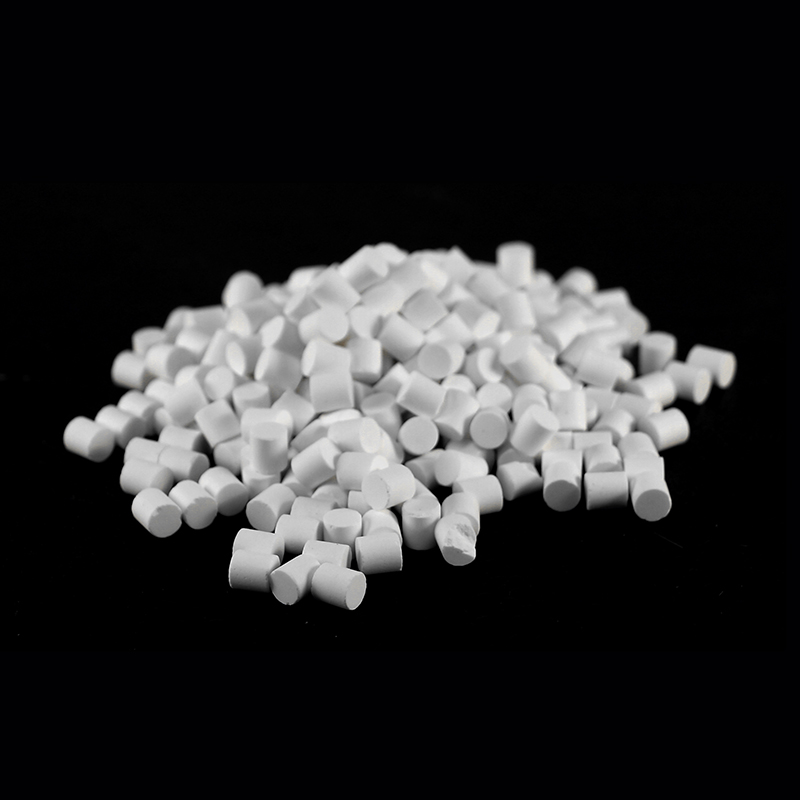
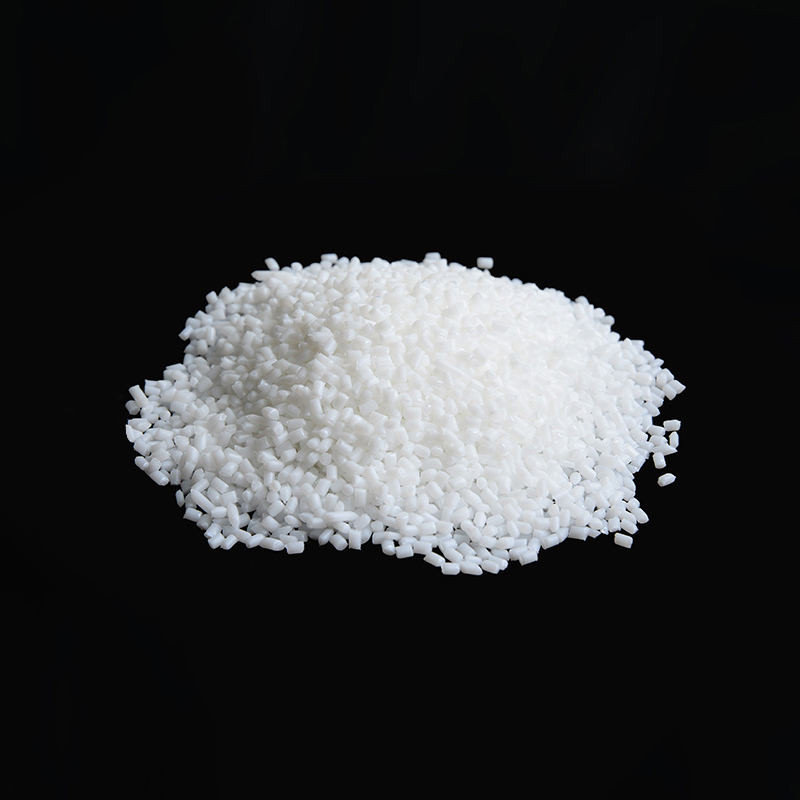
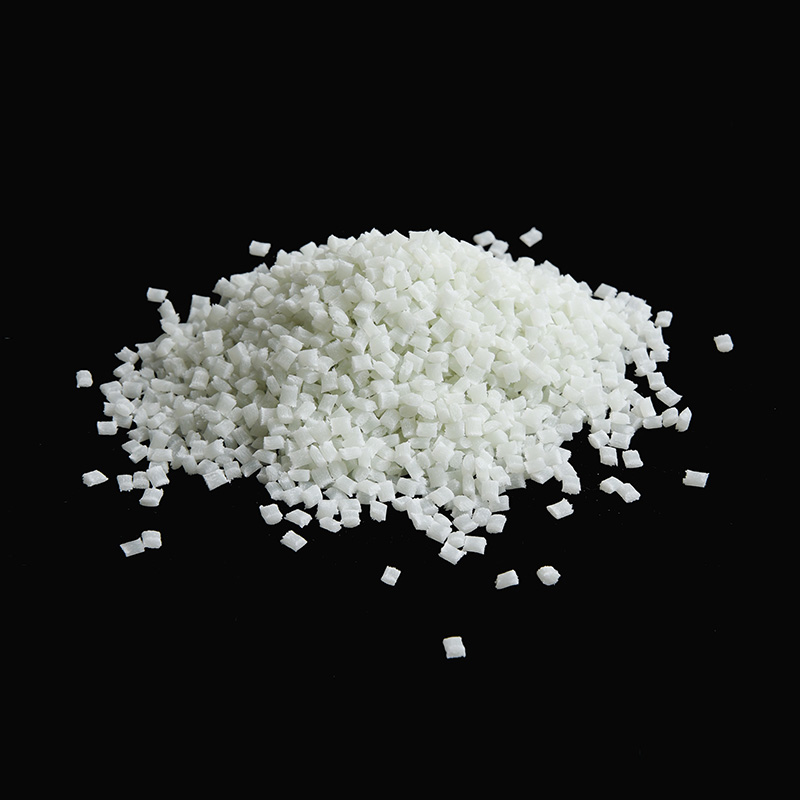
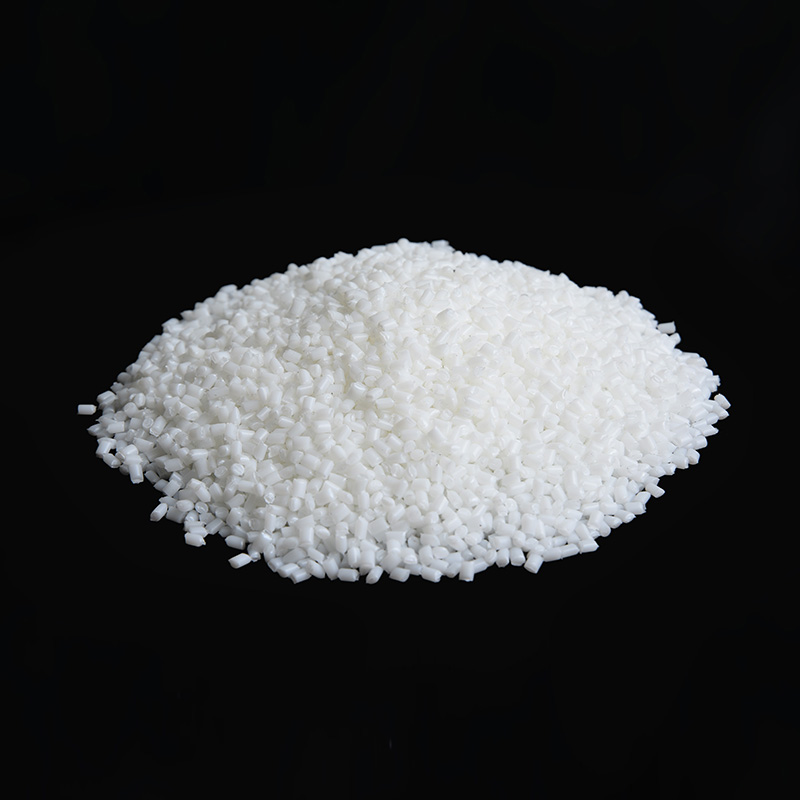
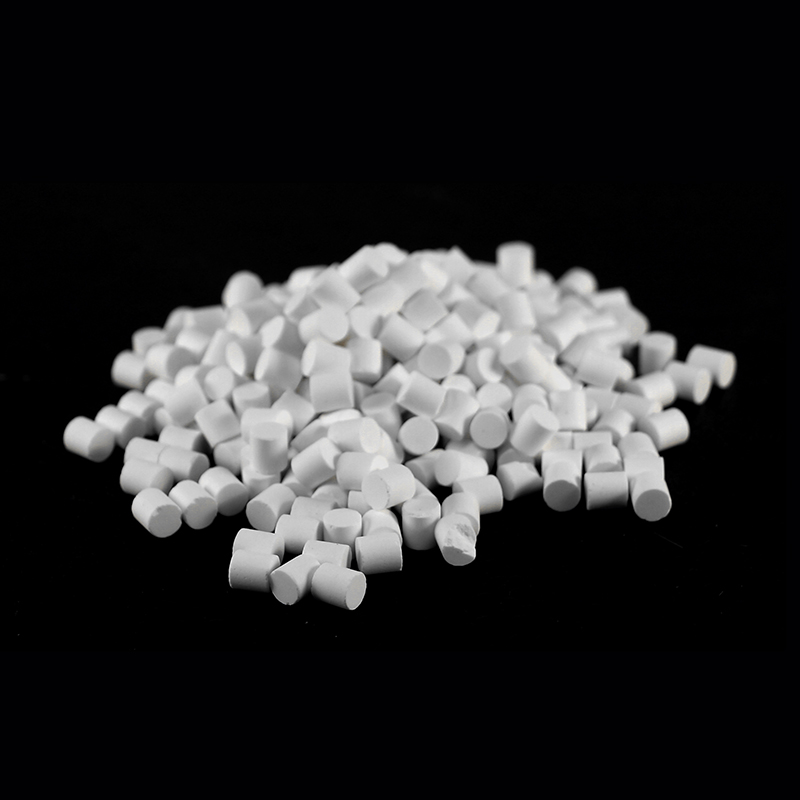
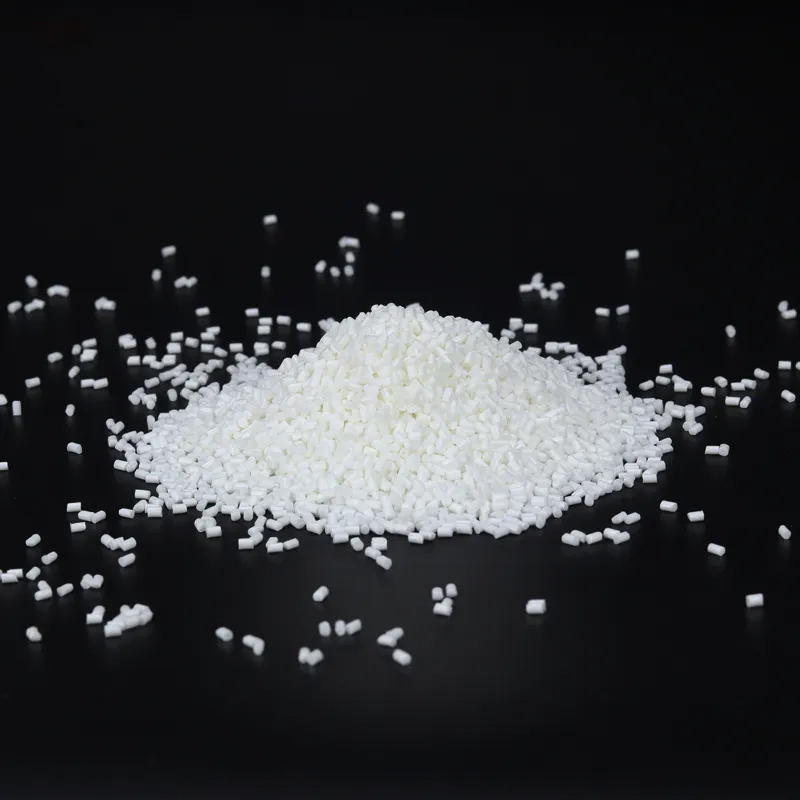
TPU is synthesized as pellets through a reactive extrusion process, then processed on conventional thermoplastic equipment. TPU consists of alternating hard segments (from the isocyanate and chain extender) and soft segments (from the polyol). This segmented block copolymer architecture gives TPU its signature combination of elasticity and toughness. TPU is found in phone cases, hose and tubing, film laminates for sportswear, and medical device components. Its recyclability is a significant advantage over thermoset urethane systems.
Bio-Based and Sustainable Routes to Urethane Production
Conventional urethane chemistry depends entirely on petrochemical feedstocks. With sustainability pressure mounting from brand owners and regulators, the industry has developed several alternative approaches:
- Bio-based polyols: Polyols derived from soy, castor oil, palm oil, or canola oil are commercially available and can replace a portion of petroleum-based polyether or polyester polyols. Castor oil is unique in that it is naturally a polyol (it contains hydroxyl groups from ricinoleic acid) and can be used directly or chemically modified. Bio-based content of 10–40% is achievable in commercial flexible foam formulations without compromising mechanical performance.
- CO₂-based polyols: Covestro's Cardyon technology uses CO₂ captured from industrial processes as a co-monomer in polyether polyol synthesis alongside propylene oxide. Up to 20% of the polyol weight can be derived from CO₂, reducing dependence on fossil-based propylene oxide.
- Non-isocyanate polyurethanes (NIPUs): Research into cyclocarbonate-amine chemistry offers a route to urethane-like linkages without using isocyanates or phosgene. NIPUs eliminate the most hazardous raw materials from the production process and are actively pursued for coatings and adhesive applications.
- Recycled polyols: Chemical recycling of polyurethane waste via glycolysis, hydrolysis, or acidolysis recovers polyol fractions that can be reintroduced into new formulations. Several major mattress and automotive foam recyclers now operate commercial glycolysis units.
It is worth noting that bio-based polyamide source materials — such as sebacic acid from castor oil used in Nylon 6,10 — parallel this trend. The same agricultural supply chains that enable bio-based urethane polyols also serve as a polyamide source for sustainable nylon grades. This convergence suggests that bio-based chemistry will increasingly blur the boundary between polyurethane and polyamide material families, particularly in fiber and film applications.
Urethane vs. Polyamide: Performance Comparison Across Key Properties
Because the polyamide source and urethane precursors often originate from the same chemical supply chain, these two materials are direct competitors in many engineering and textile applications. The following comparison clarifies where each excels:
| Property | Urethane (PU) | Polyamide (PA / Nylon) |
|---|---|---|
| Elasticity / Elongation | Excellent (up to 800% for TPU) | Moderate (20–300%) |
| Abrasion Resistance | Very high (especially polyester PU) | Very high |
| Continuous Use Temperature | Up to ~120°C (thermoset), 100°C (TPU) | Up to 150–180°C (PA66) |
| Moisture Absorption | Low (polyether) to moderate (polyester) | Moderate to high (1–9%) |
| Chemical Resistance | Good (polyether); moderate (polyester) | Good to excellent |
| Processability | Foam, cast, spray, TPU extrusion | Injection molding, extrusion, fiber spinning |
| Raw Material Cost | Moderate | Moderate to high |
The data shows that urethane wins clearly on elasticity and low-temperature flexibility, while polyamide (depending on polyamide source) excels in high-temperature structural applications. For textile applications, this is why activewear fabrics often combine spandex (segmented polyurethane) with nylon (polyamide) at ratios of 15–20% urethane to 80–85% polyamide by weight.
Quality Control and Testing in Urethane Manufacturing
Producing consistent urethane requires rigorous quality management at every stage. Key incoming material tests include:
- Hydroxyl number (OH number): Measured in mg KOH/g, this determines how many reactive sites are available on the polyol. A deviation of ±2 mg KOH/g can measurably shift foam hardness and cure time.
- NCO content: The percentage of isocyanate groups by weight in the isocyanate component. For MDI, this is typically 30–33% NCO. Moisture contamination in isocyanate drums will reduce the actual NCO content and cause foaming or viscosity buildup.
- Viscosity: Both components must remain within specification viscosity ranges for accurate metering and mixing. Polyols are often warmed to 25–35°C to reduce viscosity before processing.
- Water content (Karl Fischer titration): Even trace moisture in polyols or isocyanates alters the blowing reaction and causes defects. Acceptable water content limits are often below 0.05% in rigid foam systems.
Finished product testing depends on application. Foam density (ASTM D3574), compression set, tensile strength, and flammability (FMVSS 302 for automotive, UL 94 for electrical) are standard. For TPU and elastomers, Shore hardness, tear strength, and flex fatigue resistance (Ross flex test) are commonly specified.
Safety Considerations in Urethane Production
The production of urethane involves hazardous chemicals that require strict handling protocols. Isocyanates are the primary concern. TDI has a time-weighted average (TWA) occupational exposure limit of 0.005 ppm (5 ppb) in the United States (OSHA PEL). Isocyanates are sensitizers — repeated low-level exposure can cause occupational asthma that may persist even after exposure ends. Respiratory protection, enclosed processing systems, and continuous air monitoring are mandatory in any facility handling isocyanates in open processes.
Catalysts also present hazards. Dibutyltin dilaurate is classified as a reproductive toxin in the EU. Amine catalysts can be irritating to skin and mucous membranes at elevated concentrations. Blowing agents such as pentane are highly flammable and require explosion-proof electrical equipment in processing zones.
Polyamide source materials used as modifiers in urethane systems — such as amine-terminated polyamide oligomers — carry their own handling requirements, typically centered on dust control during solid handling and amine vapor exposure during melt processing. Understanding the full hazard profile of every component, including any polyamide source additive, is a regulatory and ethical requirement for any producer.
 Mob: +86-15867822829
 Tel: +86-0574-62538663
 Fax: +86-0574-62530664
 E-mail:
 Follow Us
 Home
Home
