


 English
 中文简体
中文简体 Español
 русский
 عربى
عربى
Content
- 1 How Polyvinyl Chloride Is Made: The Complete Answer
- 2 Raw Materials: Where PVC Production Begins
- 3 From Ethylene to VCM: The EDC Cracking Step
- 4 Three Ways to Polymerize VCM Into PVC Resin
- 5 Compounding: Turning Resin Into Usable Material
- 6 PVC vs. Engineering Plastic Polyamide: Where Each Fits in Industry
- 7 How PVC Is Shaped Into Final Products
- 8 Environmental Considerations in PVC Manufacturing
- 9 Key Quality Parameters That Define PVC Resin Grade
- 10 Frequently Asked Questions
Manufacturing Process
How Polyvinyl Chloride Is Made: The Complete Answer
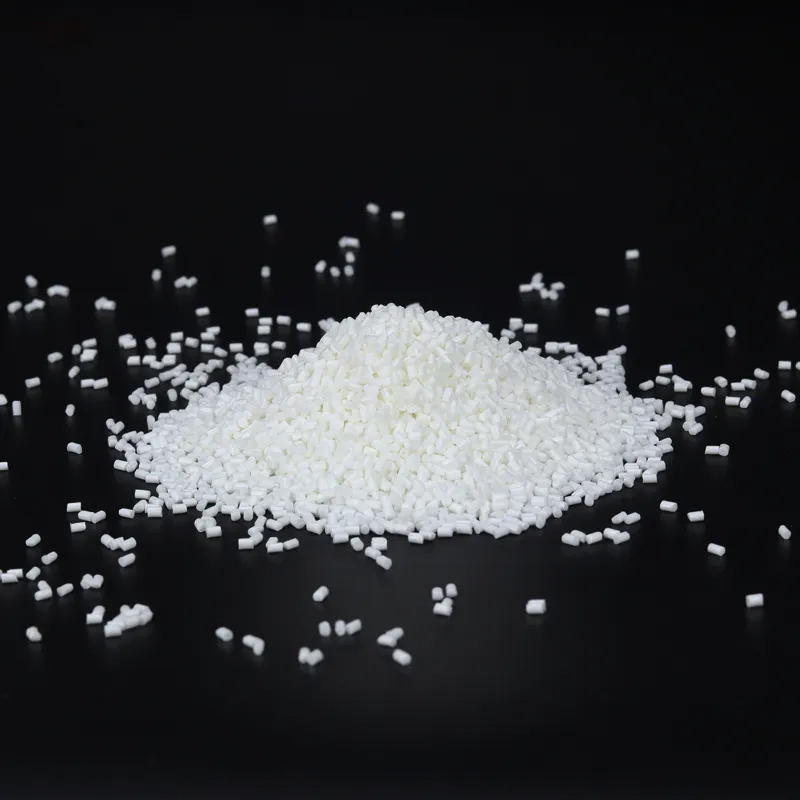
Polyvinyl chloride (PVC) is made through the polymerization of vinyl chloride monomer (VCM), which itself is produced by combining ethylene (derived from crude oil or natural gas) with chlorine (obtained from electrolysis of salt water). The resulting VCM undergoes one of three industrial polymerization processes — suspension, emulsion, or bulk — to create the white powder or granules that manufacturers then compound into everything from water pipes to medical tubing. The entire chain, from brine to finished resin, typically spans three major chemical stages and requires precise control of temperature, pressure, and catalyst concentration.
Stage 01
Raw Materials: Where PVC Production Begins
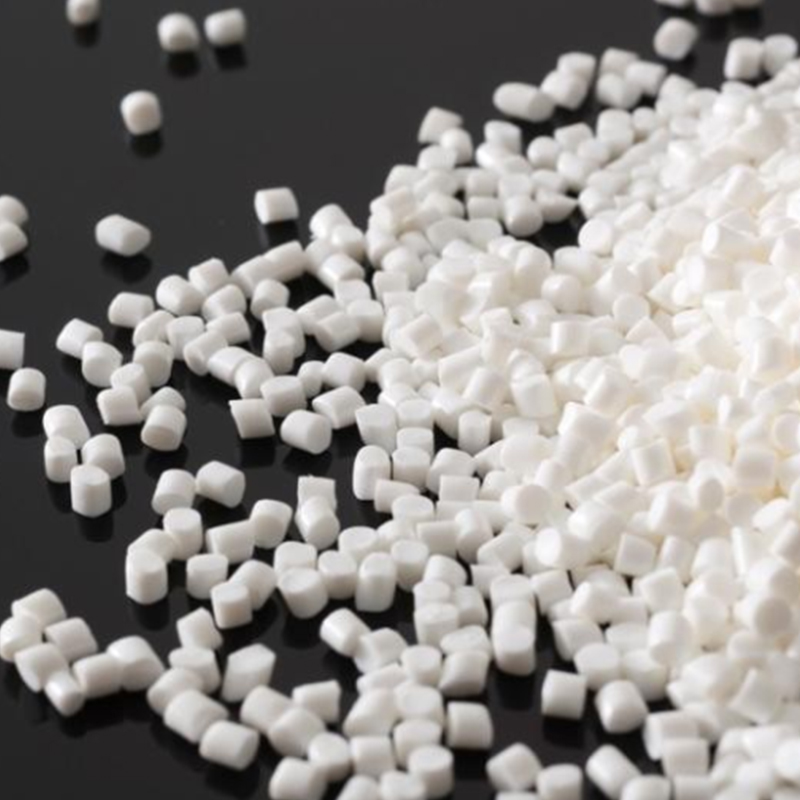
Every kilogram of PVC resin starts with two fundamental feedstocks: ethylene and chlorine. Ethylene is a byproduct of the steam cracking of naphtha or natural gas liquids, while chlorine is produced at a chlor-alkali plant by running electrical current through a saturated brine (sodium chloride) solution. This electrolysis also co-produces sodium hydroxide (caustic soda), making PVC manufacturing deeply integrated with the broader chlor-alkali industry.
The precise feedstock balance matters enormously at industrial scale. Producing one tonne of PVC requires roughly 0.47 tonnes of chlorine and 0.28 tonnes of ethylene in the ethylene dichloride (EDC) route — the dominant global pathway. A secondary route, the acetylene process, is still used in China where coal-based acetylene is economically competitive, but it is being phased out due to mercury catalyst concerns.
Unlike engineering plastic polyamide, which is derived predominantly from petrochemical intermediates like caprolactam or adipic acid, PVC draws heavily on the chlorine value chain. This gives it unique cost characteristics: when chlor-alkali plants are running at full capacity, chlorine is almost a byproduct commodity, which has historically kept PVC resin prices competitive against other polymers.
57%
Chlorine by mass in PVC molecular structure
43%
Carbon-hydrogen backbone from ethylene
~50M
Tonnes of PVC produced globally per year
Stage 02
From Ethylene to VCM: The EDC Cracking Step
The core intermediate in PVC manufacture is ethylene dichloride (EDC, also called 1,2-dichloroethane). EDC is synthesized by two parallel reactions that most world-scale plants run simultaneously to maximize chlorine utilization:
1
Direct Chlorination
Ethylene reacts with dry chlorine gas in the liquid phase at 50–130°C in the presence of a ferric chloride (FeCl₃) catalyst. This exothermic reaction is straightforward to control and produces high-purity EDC with very little byproduct formation. The reaction vessel temperature is carefully managed because higher temperatures favor unwanted side-chlorination products.
2
Oxychlorination
This step reacts ethylene with hydrogen chloride (HCl, recovered from the VCM cracking step) and oxygen over a copper chloride catalyst at 220–300°C. Oxychlorination recycles the HCl that would otherwise be a waste stream, making the balanced process nearly 100% chlorine-efficient. It is the reason modern PVC plants are described as "balanced" — almost all the chlorine fed into the system ends up in the final polymer.
3
EDC Purification and Thermal Cracking
The combined EDC streams are purified by distillation to remove heavies and lights before entering the cracking furnace. In the cracking furnace, EDC is heated to 480–530°C in a tubular pyrolysis reactor. At these temperatures, roughly 50–60% of the EDC per pass splits into vinyl chloride monomer (VCM) and HCl. The VCM is separated from unreacted EDC and HCl by a sequence of quench, compression, and distillation columns. Recovered EDC is recycled; HCl goes back to the oxychlorination unit.
The purity of VCM entering polymerization is critical. Typical specifications demand greater than 99.98% purity; even trace amounts of acetylene, butadiene, or high-boiling chlorinated compounds can poison initiators, create discoloration, or degrade the molecular weight distribution of the final resin.
Stage 03
Three Ways to Polymerize VCM Into PVC Resin
Once purified VCM is available, it undergoes free-radical addition polymerization. The choice of process determines the particle morphology, molecular weight, and end-use application of the resin.
| Process | Market Share | Particle Size | Primary Applications | Key Characteristics |
|---|---|---|---|---|
| Suspension (S-PVC) | ~80% | 100–180 µm | Pipes, profiles, window frames | High porosity, easy plasticizer absorption |
| Emulsion (E-PVC) | ~12% | 0.1–2 µm | Plastisols, coatings, gloves, flooring | Very fine particles, forms pastes with plasticizers |
| Bulk / Mass (M-PVC) | ~8% | 100–150 µm | Rigid applications, films | No water used; purer resin, lower energy |
Suspension Polymerization in Detail
In suspension polymerization, liquid VCM is dispersed into droplets in deionized water using agitation and suspension agents such as partially hydrolyzed polyvinyl alcohol or methylcellulose. Oil-soluble organic peroxide initiators (e.g., dilauroyl peroxide, diethylhexyl peroxydicarbonate) are dissolved in the monomer droplets. Each droplet acts as a mini-bulk polymerization reactor. The reaction proceeds at 40–70°C under autogenous pressure of 6–12 bar for several hours. Conversion is typically halted at 85–90% by venting unreacted VCM before stripping the slurry to remove residual monomer to below 1 ppm for regulatory compliance.
The reactor design is a jacketed stainless steel vessel fitted with internal baffles and a multi-blade agitator. Reactor sizes in modern plants range from 70 m³ to 200 m³. Temperature control is the most critical parameter: because the polymerization is highly exothermic (releasing approximately 1,500 kJ/kg of VCM), runaway reactions are prevented by carefully balancing the initiator feed rate and cooling capacity. The K-value (Fikentscher viscosity index) of the resulting resin — which determines molecular weight and thus mechanical properties — is directly controlled by reaction temperature: lower temperatures yield higher K-values (longer chains) and vice versa.
Emulsion Polymerization in Detail
Emulsion PVC uses water-soluble initiators (such as potassium persulfate) and surfactants (sodium lauryl sulfate or similar) to create a colloidal latex of sub-micron PVC particles. The small particle size is the defining feature of E-PVC: when mixed with plasticizers at room temperature, these particles form fluid plastisols that can be spread-coated, rotomolded, or dip-coated. After polymerization, the latex is spray-dried into a fine white powder. E-PVC grades are the material of choice for artificial leather, wall coverings, and automotive underseals.
Compounding: Turning Resin Into Usable Material
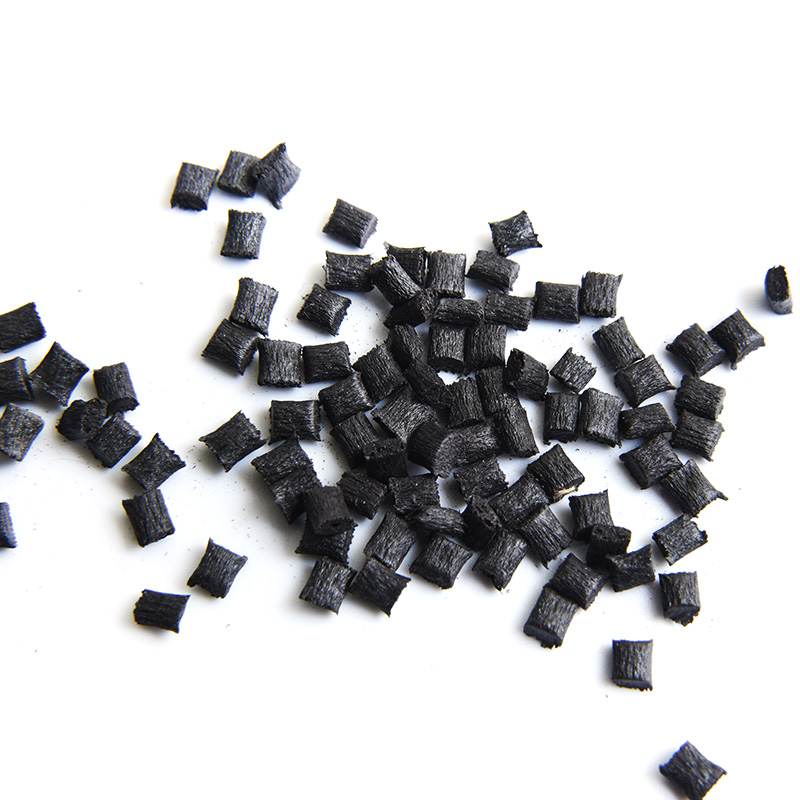
Pure PVC resin — sometimes called "neat" or "base" resin — is almost never used as-is in finished products. The polymer's inherent thermal instability (it begins to degrade and release HCl at around 100°C, well below its processing temperature of 160–200°C) means that a carefully formulated additive package is essential before any downstream processing can occur.
Thermal Stabilizers
Calcium-zinc (Ca-Zn), organotin, or mixed-metal stabilizers scavenge the HCl released during processing, preventing chain degradation and discoloration. Regulatory shifts in Europe and North America have largely phased out lead-based stabilizers, though they remain in use in some developing markets.
Plasticizers
Phthalate esters (DEHP was the classic; DINP and DIDP are now dominant for non-medical uses) and non-phthalate alternatives (DOTP, bio-based citrates) are added at levels from 10 to over 100 phr (parts per hundred resin) to produce flexible PVC. At 0 phr, the result is rigid PVC (uPVC) for pipes and window profiles.
Lubricants
Internal lubricants (e.g., fatty acid esters) reduce polymer-polymer friction during melt processing; external lubricants (e.g., oxidized polyethylene wax, calcium stearate) reduce melt-metal friction to prevent plate-out on processing equipment.
Fillers and Impact Modifiers
Calcium carbonate (CaCO₃) at 5–30 phr is the most widely used filler, improving stiffness and reducing cost. Acrylic or chlorinated polyethylene (CPE) impact modifiers are added to rigid PVC formulations to prevent brittle fracture, particularly important in outdoor applications where low-temperature impact resistance is critical.
The compounding step is typically carried out on a co-rotating twin-screw extruder or internal mixer (Banbury-type mixer), which simultaneously disperses the additives and partially fuses the PVC particles. The output is either a pre-compounded dry blend, a granulated pellet, or a calendered sheet, depending on the downstream processing route.
It is worth noting that while engineering plastic polyamide (nylon) requires very little stabilization for processing — it is inherently more thermally stable with a melting point of 220–280°C depending on grade — PVC's stabilization chemistry is far more complex. This is one area where engineering plastic polyamide has a formulation advantage, though PVC retains significant cost and chemical resistance benefits in many applications.
PVC vs. Engineering Plastic Polyamide: Where Each Fits in Industry
Understanding how polyvinyl chloride is made sheds light on why its properties differ so fundamentally from those of engineering plastic polyamide. Both are major industrial thermoplastics, yet they occupy quite different performance niches.
Polyvinyl Chloride (PVC)
- Excellent chemical resistance to acids, bases, and salts
- Inherently flame-retardant due to chlorine content
- Low cost: typically $0.80–1.40/kg for commodity grades
- Wide hardness range (Shore A 40 to Shore D 90) through plasticizer content
- Limited service temperature: typically –15°C to +60°C (flexible) or up to 70°C (rigid)
- Dominant in construction: pipes, fittings, window profiles, flooring
Engineering Plastic Polyamide (PA6, PA66)
- Superior mechanical strength and fatigue resistance
- High continuous service temperature: 100–130°C (PA6), 130–150°C (PA66)
- Higher cost: typically $2.50–5.00/kg depending on grade
- Excellent wear and abrasion resistance for moving parts
- Absorbs moisture (1–9% depending on grade), which affects dimensions and properties
- Dominant in automotive, electrical connectors, gears, and structural brackets
In sectors such as automotive wiring harness protection, both materials compete directly. PVC-coated wire is the historical standard for low-voltage automotive cables due to its flexibility and low cost. However, engineering plastic polyamide corrugated conduit is gaining ground in under-hood applications where temperatures routinely exceed 100°C and PVC would soften or emit plasticizer vapors.
In industrial fluid handling, PVC dominates for aggressive chemical transport at ambient temperatures, while glass-fiber-reinforced engineering plastic polyamide is used for high-pressure pneumatic tubing and hydraulic connectors that require dimensional stability across a wide temperature range.
How PVC Is Shaped Into Final Products
After compounding, PVC is processed by several well-established methods. Each imparts different product geometries and properties.
01
Extrusion
The most widely used method for rigid PVC. A single or twin-screw extruder melts and homogenizes the compound, then forces it through a die that imparts the cross-sectional profile. Pipes (4 mm to 2,400 mm diameter), window profiles, cable insulation, and siding panels are all extruded continuously. Twin-screw extruders are preferred for rigid PVC because their gentle, distributive mixing action is less thermally damaging than the intense shear of a single screw.
02
Calendering
Large heated rolls (calenders) squeeze a hot PVC compound into thin, continuous sheets. This process is used for PVC flooring, wall coverings, and synthetic leather. Modern calendar lines can produce films as thin as 0.05 mm and run at speeds up to 80 m/min. Surface embossing rolls can imprint textures in a single pass.
03
Injection Molding
Used for discrete three-dimensional parts such as pipe fittings, electrical conduit boxes, shoe soles, and medical device housings. PVC's relatively narrow processing window (160–200°C, with degradation starting quickly above 210°C) demands careful barrel temperature profiling and short residence times. Reciprocating screw machines with low L/D ratios and gentle screw geometries are standard.
04
Plastisol Coating and Rotational Molding
Emulsion PVC plastisols are fluid at room temperature and can be applied by spread coating, screen printing, dip coating, or slush molding. After shaping, the plastisol is fused (gelled) in an oven at 160–200°C to produce a homogeneous flexible PVC article. This route is used for vinyl gloves, automotive underbody coatings, fabric coatings, and toys.
05
Blow Molding
PVC blow molding is used for transparent bottles (mineral water, cooking oil) and medical bags. Clear rigid PVC bottles benefit from the polymer's inherent clarity and good barrier properties. However, PET has largely displaced PVC in beverage packaging in most markets due to recycling infrastructure and regulatory pressures on plasticizers and stabilizers.
Environmental Considerations in PVC Manufacturing
The production of polyvinyl chloride raises several environmental considerations that modern manufacturers address through process improvements and regulatory compliance.
VCM Emissions Control
Vinyl chloride monomer is classified as a Group 1 human carcinogen. Modern plants are required to limit atmospheric VCM to below 1 ppm in ambient plant air and to strip residual VCM from finished resin to below 1 ppm. Closed-loop stripping systems using steam or hot water have reduced plant-level VCM emissions by over 99% compared to 1970s-era operations.
Dioxin Formation
When PVC is incinerated at low temperatures (below 850°C), it can form polychlorinated dibenzo-p-dioxins and furans (PCDD/F). Modern waste-to-energy plants mitigate this through high-temperature combustion (above 1,000°C) combined with activated carbon injection and bag filter systems, reducing PCDD/F to levels compliant with EU Directive 2010/75/EU.
Mechanical Recycling
Rigid PVC (pipes, profiles, window frames) has well-established mechanical recycling streams in Europe. The Vinyl 2010 and VinylPlus programs have collectively recycled over 5 million tonnes of PVC since 2000. Flexible PVC is harder to recycle because different plasticizer packages are incompatible and difficult to sort.
Chemical Recycling
Hydrogenation and pyrolysis routes for mixed plastic waste struggle with chlorinated polymers because HCl release corrodes reactor components. Specific dehalogenation pre-treatment steps — including mechanical separation and alkaline thermal treatment — are being developed to allow PVC to enter chemical recycling streams alongside polyolefins and engineering plastic polyamide fractions.
Key Quality Parameters That Define PVC Resin Grade
Not all PVC resins are the same. Resin producers and their customers use a set of standard parameters to specify and verify resin quality:
- K-Value (or inherent viscosity): The most widely used measure of molecular weight in the PVC industry. K-values range from approximately 57 (low MW, easy processing, lower mechanical properties) to 80 (high MW, more demanding processing, better impact and tensile properties). Pipe-grade S-PVC typically has a K-value of 65–68; cable insulation uses K-57 to K-62; paste-grade E-PVC uses K-65 to K-75.
- Bulk Density: Affects powder flow, bin design, and compounding throughput. Suspension PVC typically has a bulk density of 500–650 g/L. A higher bulk density generally means denser packing of primary particles and affects plasticizer absorption rate.
- Plasticizer Absorption (PA100): Measured as grams of DOP (dioctyl phthalate) absorbed per 100 g of resin in a standardized test. High-porosity resins can absorb 30–35 g/100 g; low-porosity grades absorb 10–15 g/100 g. This parameter directly controls the mixing time and temperature needed in compounding.
- Thermal Stability (White Oven Test): A pressed sheet or granule sample is held at 180°C in an oven; the time to the first observable yellowing is the thermal stability time. Pipe-grade resins should exceed 30–45 minutes; inadequate performance points to contamination or insufficient stabilizer in the compound formulation.
- Residual VCM: Regulatory limits in food-contact applications are typically 1 ppm or below. Non-food applications may permit slightly higher levels. Testing is performed by headspace GC (gas chromatography).
- Fish-eyes count: Number of unmelted PVC gel particles visible in a pressed film. A high fish-eye count indicates incomplete fusion during processing, often traced to oversized resin particles, contamination, or suboptimal processing temperatures. Specifications for transparent film applications are very tight — sometimes fewer than 10 fish-eyes per 150 cm² film.
Frequently Asked Questions
Is PVC the same as vinyl?
In everyday commercial language, "vinyl" and "PVC" are used interchangeably. Strictly speaking, "vinyl" refers to the vinyl chloride monomer (CH₂=CHCl), while PVC is the polymerized form. In product contexts — vinyl flooring, vinyl records, vinyl siding — the material is always polyvinyl chloride.
How does PVC compare to engineering plastic polyamide in terms of chemical resistance?
PVC has broader resistance to inorganic acids, bases, and aqueous salt solutions. Engineering plastic polyamide resists hydrocarbons and certain organic solvents better but is degraded by strong acids and absorbed water over time. For concentrated sulfuric acid, PVC is the clear choice; for fuel line fittings in a hot engine bay, engineering plastic polyamide or fluoropolymers are more appropriate.
Why is PVC considered difficult to recycle?
Several factors compound the difficulty: the chlorine content means that thermally recycled PVC can generate HCl, which corrodes equipment and contaminates other plastic streams. Flexible PVC contains plasticizers that vary widely between products, making material sorting and re-compounding into consistent quality difficult. Rigid PVC (windows, pipes) is much more successfully recycled because it is a relatively homogeneous stream.
What is the difference between suspension PVC and paste PVC (emulsion PVC)?
Suspension PVC (S-PVC) consists of porous particles 100–180 µm in diameter designed to absorb plasticizers as dry powder at elevated temperature during compounding. Paste PVC (P-PVC, made by emulsion polymerization) consists of sub-micron particles that disperse in plasticizers at room temperature to form a fluid paste or plastisol, which is then shaped and fused by heat. The two grades are not interchangeable.
What makes engineering plastic polyamide a better choice than PVC in some mechanical applications?
Engineering plastic polyamide has a significantly higher continuous service temperature (up to 150°C for PA66 vs. 70°C for rigid PVC), greater tensile strength, and far better wear resistance against abrasive media. In applications such as cable tie heads, gear wheels, pump impellers, and structural brackets, the mechanical performance of polyamide at elevated temperatures is simply not replicable with PVC regardless of formulation.
How long does the PVC polymerization reaction take?
In suspension polymerization, a typical batch cycle runs 5–12 hours depending on the target K-value, reactor size, initiator system, and reaction temperature. Higher K-values (higher molecular weight) require lower temperatures and therefore longer cycle times. Including charging, reaction, monomer stripping, discharge, and cleaning, the total batch turnaround time for a large 150 m³ reactor is typically 10–16 hours.
 Mob: +86-15867822829
 Tel: +86-0574-62538663
 Fax: +86-0574-62530664
 E-mail:
 Follow Us
 Home
Home
