


 English
 中文简体
中文简体 Español
 русский
 عربى
عربى
Content
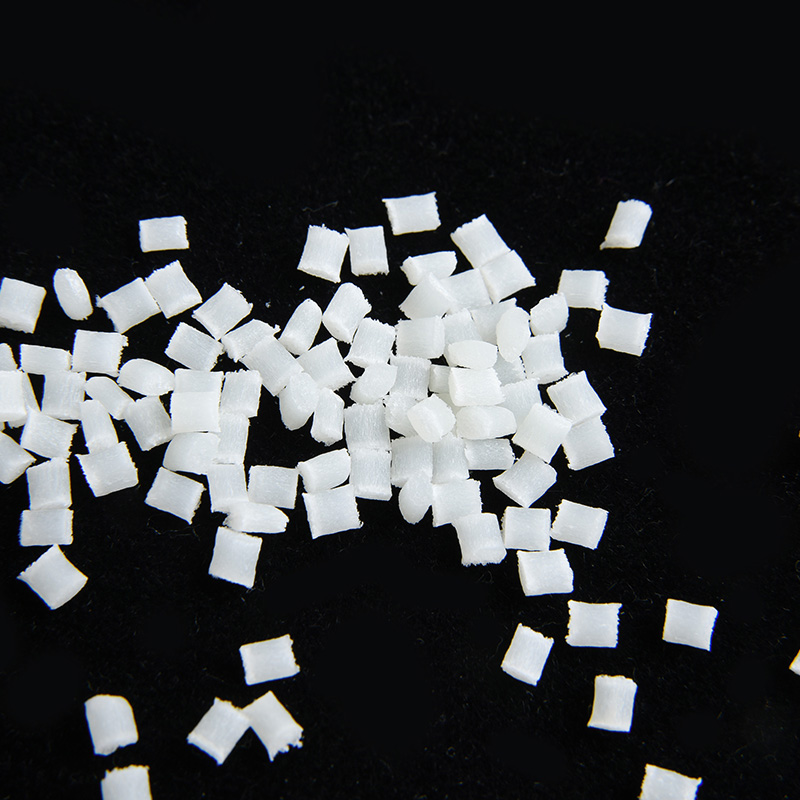
- 1 Customized engineering plastic polyamide
- 2 Polycarbonate Is Strong Enough to Replace Glass and Outperform Most Rigid Plastics on Impact
- 3 Why Polycarbonate Behaves the Way It Does at a Molecular Level
- 4 Impact Strength Compared Against Other Common Materials
- 5 Tensile, Flexural, and Compressive Strength Numbers You Should Know
- 6 How Wall Thickness and Part Geometry Change Effective Strength
- 7 Six Factors That Change Polycarbonate's Real Strength on a Finished Part
- 8 How Manufacturing Method Changes the Strength of the Final Part
- 9 Additives That Push Polycarbonate's Performance Beyond the Base Resin
- 10 Polycarbonate Versus Polyamide: Choosing the Right Engineering Plastic
- 11 Reinforced and Modified Grades Push the Strength Numbers Higher
- 12 Chemical and Environmental Resistance: Where Strength Can Fail Early
- 13 Practical Design Guidelines for Maximizing Polycarbonate Strength
- 14 Where Polycarbonate's Strength Actually Gets Used
- 15 Balancing Strength Against Cost in Material Selection
- 16 Frequently Asked Questions About Polycarbonate Strength
- 16.1 Is polycarbonate stronger than steel?
- 16.2 Can polycarbonate stop a bullet?
- 16.3 Does polycarbonate get weaker over time outdoors?
- 16.4 Why does polycarbonate scratch more easily than glass?
- 16.5 Is polyamide ever a better substitute for polycarbonate?
- 16.6 How thick does polycarbonate sheet need to be for impact protection?
- 16.7 Does adding glass fiber always make polycarbonate stronger?
- 16.8 Can polycarbonate crack without any visible impact?
- 16.9 What is the practical temperature range for polycarbonate strength?
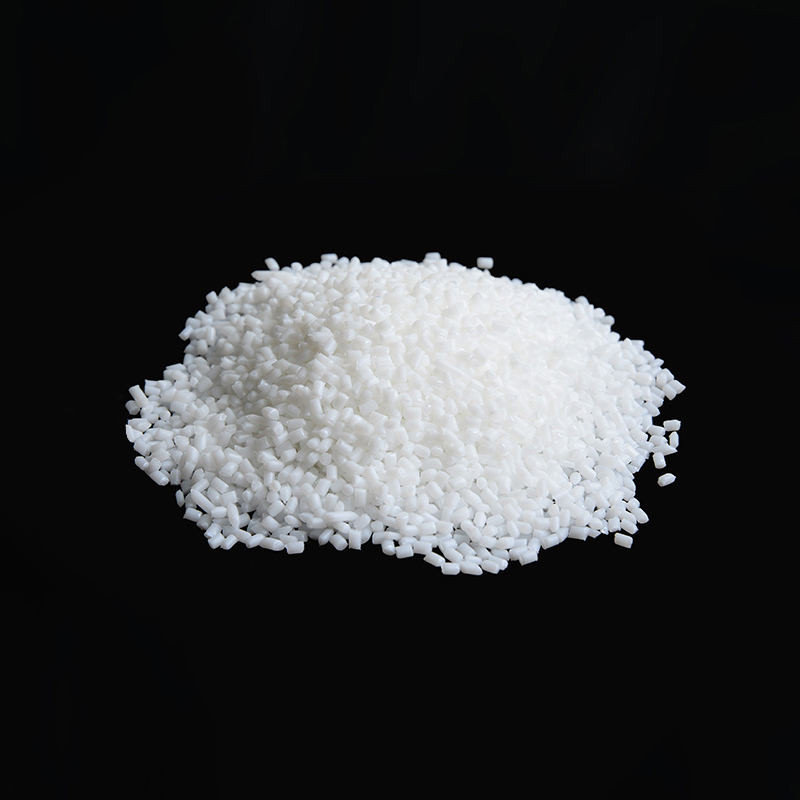
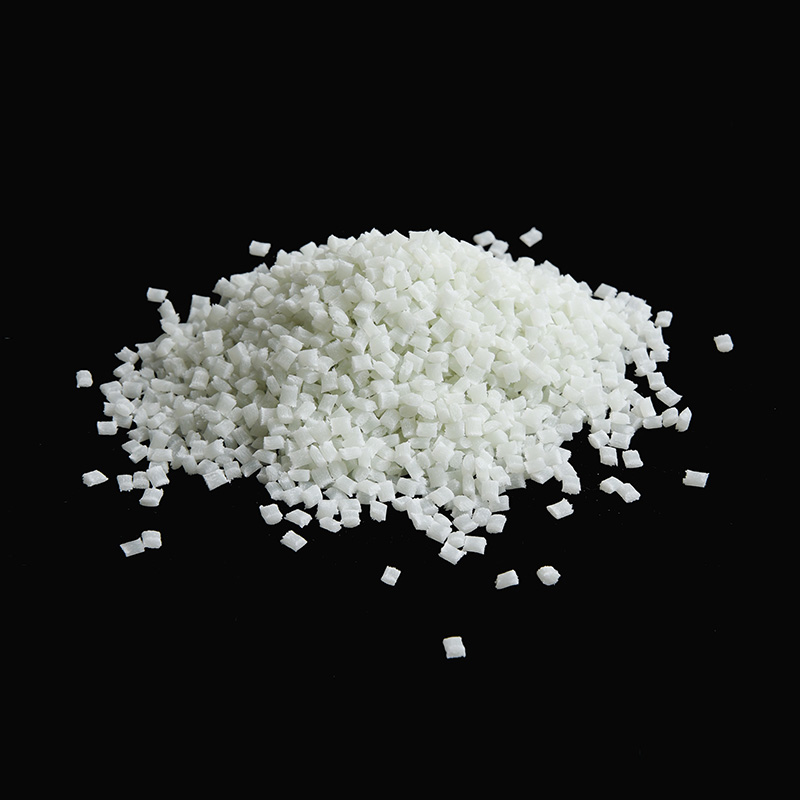
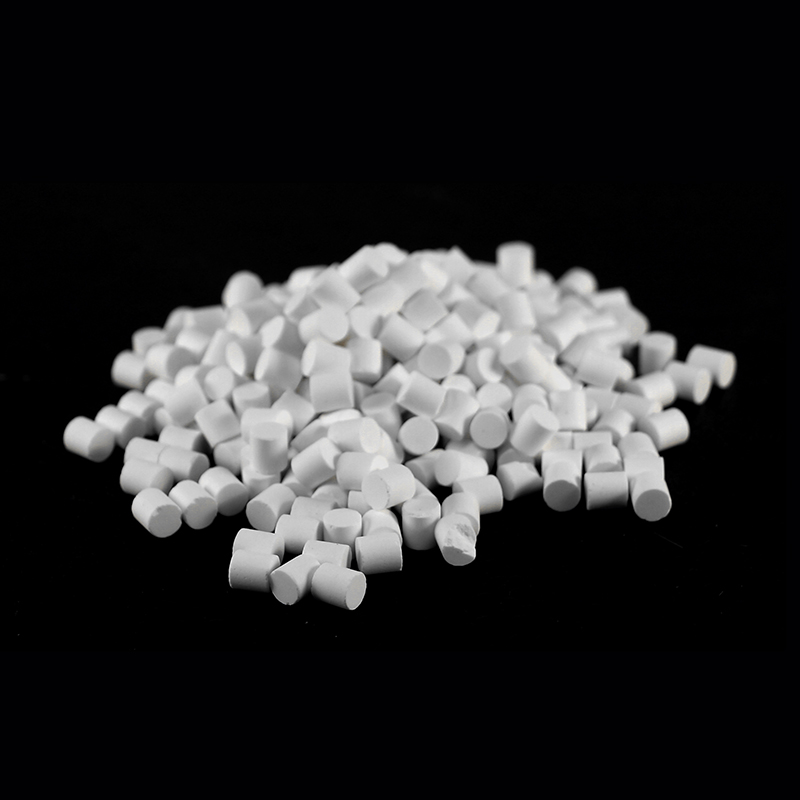
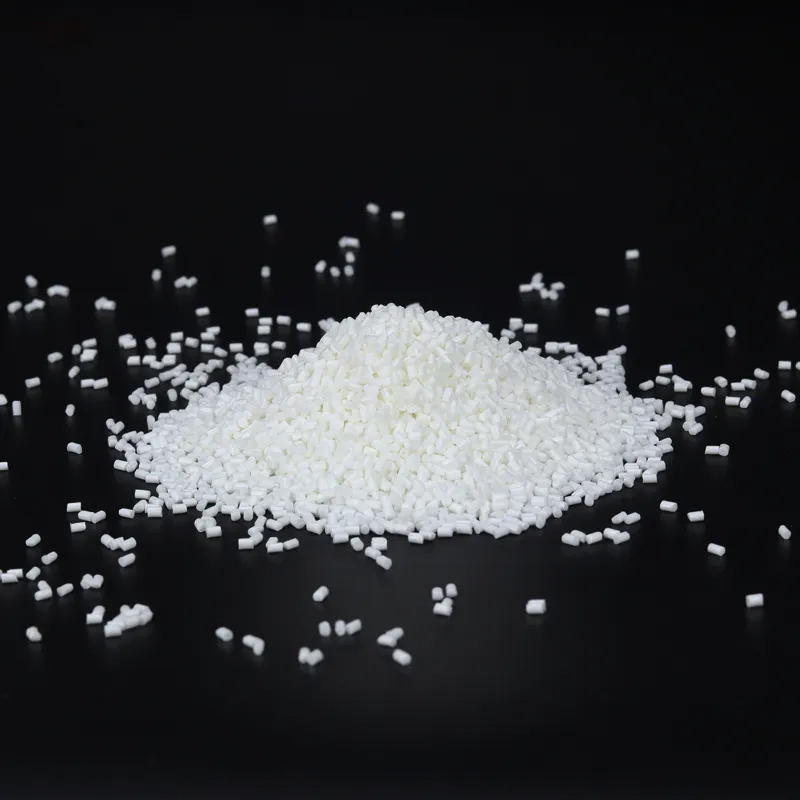
Customized engineering plastic polyamide
Polycarbonate Is Strong Enough to Replace Glass and Outperform Most Rigid Plastics on Impact
Polycarbonate can absorb impact energy roughly 250 times better than standard glass and around 30 times better than acrylic of the same thickness, which is why it is the material behind riot shields, machine guards, and bullet-resistant glazing layers. As an engineering plastic, its tensile strength typically sits between 55 and 75 MPa, its flexural strength lands near 90 to 100 MPa, and its notched Izod impact resistance can exceed 800 J/m in unmodified grades. That combination of stiffness and toughness is unusual: most rigid plastics have to trade one for the other, but polycarbonate holds both at once.
What makes this material worth a deep technical look is not just the raw numbers but how consistently they hold up across temperature swings, outdoor exposure, and repeated impact events. A single grade of unmodified polycarbonate can serve in a freezer door, a machine guard on a factory floor, and a skylight panel, and in each case the strength profile barely shifts. Very few plastics, and few materials of any kind, offer that kind of range without needing a different formulation for every job. The sections below break down exactly where those numbers come from, how polycarbonate stacks up against polyamide, ABS, acrylic, and glass, how manufacturing choices change the final strength of a molded or extruded part, and what design details separate a polycarbonate component that survives years of abuse from one that cracks in its first season.
Why Polycarbonate Behaves the Way It Does at a Molecular Level
Polycarbonate gets its toughness from long, amorphous polymer chains linked by carbonate groups, with bulky bisphenol rings sitting between them. Those rings restrict rotation along the backbone, so instead of the chain snapping cleanly under sudden load, the material yields and stretches locally, spreading the impact energy across a wider zone before any crack can form. Engineers describe this as a high degree of ductility paired with a high glass transition temperature, roughly 147 degrees Celsius, which is why polycarbonate stays tough across a wide range of ambient conditions rather than turning brittle in cold weather the way many commodity plastics do.
The amorphous nature of the polymer also explains its optical clarity. Because the chains do not pack into ordered crystalline regions, light passes through with very little scattering, giving polycarbonate a light transmission value close to 90 percent, similar to glass. This is the rare case where a structural property, chain rigidity, and an optical property, transparency, both trace back to the same molecular cause.
How This Differs From Crystalline Plastics Like Polyamide
Polyamide, commonly known as nylon, is partly crystalline rather than fully amorphous. Its ordered regions give it excellent wear resistance, low friction, and strong fatigue performance under repeated flexing, but that same crystalline structure makes it more sensitive to notches and sudden impact loading, especially in dry conditions before it has absorbed ambient moisture. Polycarbonate does not rely on moisture content to stay tough, which makes its impact behavior far more predictable and consistent from one batch to the next.
The Role of Molecular Weight
Within polycarbonate itself, molecular weight has a direct effect on strength. Higher molecular weight grades resist crack propagation better and hold up longer under repeated stress, but they are also more viscous during processing and require higher melt temperatures. Manufacturers balance this by selecting a molecular weight range suited to the part: thin, complex parts often use lower molecular weight grades for easier flow, while thick structural parts favor higher molecular weight for maximum toughness.
Impact Strength Compared Against Other Common Materials
The clearest way to answer how strong polycarbonate really is comes from side-by-side impact data. The table below lists typical notched Izod impact strength, a standard lab test where a pendulum strikes a notched sample and measures how much energy it absorbs before breaking.
| Material | Notched Izod Impact (J/m) | Relative Toughness |
|---|---|---|
| Polycarbonate (unmodified) | 640 to 960 | Very high |
| Polyamide 6 (dry) | 50 to 110 | Moderate |
| ABS | 200 to 400 | High |
| Acrylic (PMMA) | 16 to 32 | Low |
| Annealed glass | 2 to 4 | Very low |
Acrylic is frequently marketed as a lightweight alternative to polycarbonate because it is cheaper and easier to polish, but the table shows why that substitution fails in any application involving shock loading, impact, or repeated stress. Polycarbonate wins that comparison by a wide margin, which is exactly why it dominates categories like safety eyewear lenses, vehicle headlamp covers, and riot-control equipment. Even against ABS, a plastic already known for toughness, polycarbonate holds a clear lead once the part has to survive a genuine impact event rather than routine handling.
It is worth noting that these numbers describe a single sharp impact under lab conditions. Real parts often face repeated low-energy impacts rather than one dramatic event, and here polycarbonate's fatigue behavior, while good, is not unlimited. Repeated flexing near a stress point can eventually initiate a crack even in a material this tough, which is why part geometry matters as much as the base resin, a point covered in more detail further down this article.
Tensile, Flexural, and Compressive Strength Numbers You Should Know
Impact resistance only tells part of the story. A material also needs to hold its shape under steady load, resist bending, and take compression without crushing. Here is where polycarbonate lands on the three properties engineers check most often.
| Property | Typical Range | Test Basis |
|---|---|---|
| Tensile strength | 55 to 75 MPa | Pulled to failure, ASTM D638 method |
| Flexural strength | 90 to 100 MPa | Three-point bend test, ASTM D790 method |
| Compressive strength | 80 to 86 MPa | Axial load to yield, ASTM D695 method |
| Elongation at break | 80 to 150 percent | Same tensile pull as above |
| Flexural modulus | 2300 to 2400 MPa | Stiffness under bending load |
| Rockwell hardness | M70 to M75 | Surface indentation resistance |
That elongation figure matters more than people expect. A rigid plastic that can stretch 80 to 150 percent before breaking is not brittle by any definition; it is the reason polycarbonate parts bend and deform under overload rather than shattering into sharp fragments, which is a real safety advantage in machine guarding and protective barriers. Compare that elongation number to acrylic, which typically breaks after stretching only 2 to 5 percent, and the practical difference in a drop or impact scenario becomes obvious even without running a lab test.
The flexural modulus figure is also worth reading carefully. A lower modulus than something like glass fiber reinforced nylon means polycarbonate flexes more readily under a given load before it resists further bending. That flexibility is usually an asset in impact scenarios, since a part that can flex absorbs energy that a stiffer, more brittle part would have to resist entirely through internal stress, but it becomes a liability in parts that need to stay perfectly flat or rigid under constant load, such as certain structural brackets.
How Wall Thickness and Part Geometry Change Effective Strength
Datasheet numbers come from a standardized test bar, usually a few millimeters thick. Real parts rarely match that geometry exactly, and thickness changes strength in ways that are not always intuitive. A thicker section is not automatically tougher against impact; it depends on how the load is applied and where stress concentrates.
| Sheet Thickness | Typical Use Case | Impact Behavior |
|---|---|---|
| 1.5 to 3 mm | Machine guard windows, signage | Flexes under load, resists cracking |
| 3 to 6 mm | General glazing, canopies | Balanced stiffness and impact absorption |
| 9 to 12 mm | Security glazing, detention windows | High resistance to forced entry attempts |
| 20 mm and above, laminated | Ballistic-rated glazing systems | Multiple layers absorb high-energy impact |
Beyond flat sheet, molded parts introduce another variable: the sharp internal corner. A notch, a sudden change in wall thickness, or a sharp inside corner acts as a stress concentrator, meaning the local stress at that point can be several times higher than the average stress across the part. This is why a polycarbonate bracket with a sharp 90 degree inside corner can crack under a load that an identical bracket with a generous radius would survive without issue. Designers typically specify an inside radius of at least 0.5 times the wall thickness, and ideally closer to 0.75 times, to keep stress concentration within a safe range.
Six Factors That Change Polycarbonate's Real Strength on a Finished Part
Datasheet numbers describe a lab sample, not necessarily the part sitting on your bench. These variables move the actual strength up or down significantly, sometimes by a wide margin.
- Wall thickness and notches: A sharp internal corner concentrates stress and can cut effective impact strength by half or more, so molded parts need generous radii.
- UV exposure: Unprotected polycarbonate yellows and loses surface toughness after prolonged sun exposure; UV-stabilized or coated grades hold their properties for years longer outdoors.
- Temperature: Strength holds up well from around minus 40 to 120 degrees Celsius, but performance drops sharply once temperatures approach the glass transition point near 147 degrees Celsius.
- Chemical exposure: Certain solvents, strong alkalis, and some cleaning agents cause stress cracking in polycarbonate well below its rated mechanical limits.
- Processing quality: Poor drying before molding traps moisture, which degrades the polymer chains during processing and quietly lowers impact strength in the finished part.
- Residual stress from molding: Fast cooling or uneven wall thickness can lock stress into the part during manufacturing, leaving it more prone to cracking later even without an external notch.
How Manufacturing Method Changes the Strength of the Final Part
Polycarbonate reaches its finished shape through a handful of common processes, and each one leaves a different fingerprint on the part's strength.
Injection Molding
Injection molding is the standard route for complex, three-dimensional parts like housings and brackets. Melt temperature, mold temperature, and cooling rate all affect how much residual stress ends up locked into the part. A mold that is too cold relative to the melt causes the polymer to freeze unevenly, creating internal stress that can lower impact resistance at the gate and weld line areas even though the bulk material tests fine on a lab bar.
Extrusion for Sheet and Profile
Flat sheet, multiwall panels, and structural profiles are typically extruded, a continuous process that pulls molten polycarbonate through a shaped die. Extruded sheet tends to have more uniform molecular orientation along the length of the sheet than across it, which is why some sheet products show slightly different impact behavior depending on which direction the load is applied relative to the extrusion direction.
Thermoforming
Sheet can also be reheated and formed into curved shapes such as machine guard domes or vehicle canopies. This reheating cycle can reduce molecular weight slightly if temperatures run too high or too long, which is why thermoforming temperature control has a direct, measurable effect on the final impact strength of a formed part compared with the flat sheet it started as.
Additives That Push Polycarbonate's Performance Beyond the Base Resin
Unmodified polycarbonate rarely reaches the end customer without some additive package. The table below covers the most common categories and what each one changes.
| Additive Type | Primary Benefit | Strength Trade-off |
|---|---|---|
| UV stabilizer | Slows yellowing and surface degradation outdoors | Minimal effect on bulk mechanical properties |
| Flame retardant package | Improves fire performance for electrical housings | Can slightly reduce impact strength |
| Glass fiber reinforcement | Raises tensile strength and stiffness sharply | Reduces impact toughness and removes clarity |
| Impact modifier | Boosts low-temperature impact performance | Can lower heat resistance slightly |
| Mold release agent | Improves part ejection during molding | Negligible if dosed correctly |
The general pattern across this table is a familiar engineering trade-off: additives that solve one problem, whether that is fire performance, UV stability, or stiffness, almost always cost a small amount of impact toughness somewhere else. Selecting the right additive package means matching the trade-off to the part's actual failure mode, not just chasing a single headline property.
Polycarbonate Versus Polyamide: Choosing the Right Engineering Plastic
Polycarbonate and polyamide get compared constantly because both sit in the mid-to-high performance tier of engineering plastics, yet they solve different problems. The table below lines up the properties that usually decide which one gets specified.
| Property | Polycarbonate | Polyamide (Nylon 6/6) |
|---|---|---|
| Impact resistance | Excellent, high ductility | Good, moisture-dependent |
| Wear and friction | Average | Excellent, low friction surface |
| Optical clarity | Naturally transparent | Opaque |
| Moisture sensitivity | Low | High, absorbs up to 8 percent by weight |
| Fatigue resistance | Good under moderate cyclic load | Excellent under continuous flexing |
| Best fit | Glazing, lenses, protective covers | Gears, bushings, sliding components |
If the part needs to stay clear, take a hard knock, and resist shattering, polycarbonate is the stronger choice. If the part slides against another surface, spins on a shaft, or needs low friction under load, polyamide usually wins even though its raw impact numbers are lower. Some designs actually use both: a polycarbonate housing paired with polyamide bushings or gears inside it, letting each material do the job it is naturally suited for rather than forcing one plastic to cover every function.
Reinforced and Modified Grades Push the Strength Numbers Higher
Glass Fiber Reinforcement
Adding 10 to 30 percent glass fiber to polycarbonate raises tensile strength into the 100 to 140 MPa range and significantly increases stiffness, though it lowers impact toughness and removes optical clarity. This trade is common in structural brackets, electrical housings, and automotive components that need rigidity more than shock absorption. Higher fiber loadings, up to 30 or 40 percent, push tensile strength further but also make the part more brittle and more prone to warping if cooling is not carefully controlled during molding.
Polycarbonate and Polyamide Alloys
Blending polycarbonate with polyamide or with ABS combines the impact strength of polycarbonate with the chemical resistance or flow characteristics of the second polymer. PC/ABS blends, for example, are widely used in automotive interior panels and electronics housings because they mold more easily than pure polycarbonate while retaining most of its toughness. PC/polyamide alloys go a step further, aiming to combine polycarbonate's impact strength with polyamide's chemical and fuel resistance for under-hood automotive components.
Multiwall and Laminated Sheet
For glazing and roofing applications, multiwall polycarbonate sheet traps air between ribbed layers, which adds insulation value and distributes impact load across a wider surface area, effectively increasing the practical strength of the panel without changing the base resin. Laminated sheet, where multiple solid layers are bonded together, takes this further by allowing each layer to absorb part of an impact independently, which is the basic principle behind higher-security and ballistic-rated glazing builds.
Flame-Retardant Grades
Electrical and appliance housings often specify flame-retardant polycarbonate grades. These formulations meet strict fire performance targets while retaining most of the base resin's impact strength, though the exact mechanical values shift slightly depending on which flame-retardant chemistry the supplier uses.
Chemical and Environmental Resistance: Where Strength Can Fail Early
Mechanical strength numbers assume a part free of chemical attack. Polycarbonate is generally resistant to dilute acids, many salts, and everyday cleaning water, but it has well-known weak points that can cause strength to fail far below its rated mechanical limits.
- Aromatic and chlorinated solvents: Contact with certain solvents used in some cleaning products or paints can cause stress cracking within hours, even without any external load applied.
- Strong alkalis: Prolonged exposure to strong alkaline solutions gradually breaks down the carbonate linkages in the polymer, reducing strength over time.
- Ammonia-based cleaners: These are a common cause of unexpected cracking in polycarbonate machine guards cleaned with the wrong products.
- Hot water and steam: Repeated exposure above roughly 60 degrees Celsius accelerates hydrolysis, a slow chemical breakdown of the polymer chain that reduces toughness over months or years.
- Combined stress and chemical exposure: A part under mechanical stress is far more vulnerable to chemical attack than the same part at rest, which is why stressed mounting points often crack first.
This is a point worth remembering for anyone specifying cleaning procedures for polycarbonate parts in a production environment: the wrong cleaning agent can undo years of otherwise excellent mechanical performance in a matter of weeks.
Practical Design Guidelines for Maximizing Polycarbonate Strength
None of the strength numbers above matter much if the part design works against them. These guidelines reflect common practice among engineers who design polycarbonate parts for demanding environments.
- Keep wall thickness as uniform as possible; sudden thickness changes create internal stress during cooling that weakens the part before it ever sees a real load.
- Use generous internal radii, ideally at least 0.5 times the wall thickness, at every inside corner to avoid stress concentration.
- Position gates and weld lines away from high-stress zones, since these areas are naturally weaker than the surrounding material.
- Avoid sharp threads cut directly into polycarbonate; use molded-in bosses or inserts instead to spread fastening loads over a larger area.
- Specify UV-stabilized grades for any part with meaningful outdoor exposure, since strength loss from UV degradation is one of the most common field failures.
- Confirm chemical compatibility with any cleaning agents, adhesives, or coatings that will contact the part before committing to a design.
Where Polycarbonate's Strength Actually Gets Used
The properties covered above are not abstract lab curiosities; they map directly onto specific industries that depend on polycarbonate's particular balance of toughness, clarity, and processability.
- Machine guarding and safety enclosures on industrial equipment, where a sudden tool failure must not send fragments outward.
- Riot shields and window glazing for security vehicles, chosen for the balance of transparency and impact absorption.
- Automotive headlamp lenses, which need to survive stone impacts at highway speed while staying optically clear.
- Power tool housings and electronic enclosures, where drop resistance during daily handling is a core requirement.
- Greenhouse and skylight panels, using multiwall sheet to resist hail and wind-blown debris over long outdoor service life.
- Medical device housings, where accidental drops in a clinical setting cannot be allowed to crack the casing.
- Sports equipment such as helmet visors and eye protection, where impact energy needs to disperse rather than transfer to the wearer.
- Point-of-sale and retail display fixtures, which need to survive repeated handling in high-traffic public settings.
Balancing Strength Against Cost in Material Selection
Strength is rarely the only variable in a real purchasing decision. Polycarbonate typically costs more per kilogram than commodity plastics like ABS or polystyrene, and reinforced or specialty grades cost more again. The practical question for most buyers is not which material is strongest in isolation, but which material delivers the strength the application actually needs at the lowest total cost, including processing and finishing.
For applications where impact resistance is the deciding factor, such as a machine guard that occasionally takes a stray tool impact, paying the premium for polycarbonate over acrylic or glass is easy to justify because a single field failure, replacement part, and downtime event often costs more than the material price difference across an entire production run. For applications where wear resistance or chemical exposure dominates instead, spending extra on polycarbonate when polyamide would perform just as well, or better, is a wasted premium. Matching the material to the actual failure mode the part is likely to face is the difference between a well-engineered decision and simply defaulting to the toughest-sounding material on the datasheet.
Frequently Asked Questions About Polycarbonate Strength
Is polycarbonate stronger than steel?
No. Steel has far higher tensile and yield strength by weight of material used in structural sections. Polycarbonate's advantage is impact toughness relative to its light weight and transparency, not raw structural strength, which is why it replaces glass and acrylic rather than metal in load-bearing frames.
Can polycarbonate stop a bullet?
Laminated polycarbonate sheet, often built up in multiple thick layers, is used in bullet-resistant glazing for certain lower-threat classifications, but a single sheet of standard polycarbonate is not bullet resistant on its own. Ballistic-rated products go through separate lamination and thickness specifications distinct from general-purpose sheet.
Does polycarbonate get weaker over time outdoors?
Yes, unprotected polycarbonate gradually yellows and loses some surface toughness under sustained UV exposure. Sheet products intended for outdoor use typically carry a UV-resistant coating on one face, which extends service life to a decade or more depending on climate and coating quality.
Why does polycarbonate scratch more easily than glass?
Its surface hardness is lower than glass even though its impact strength is dramatically higher. Manufacturers address this with hard coat finishes on lenses, eyewear, and optical parts, trading a small amount of raw toughness for scratch resistance where visual clarity matters most.
Is polyamide ever a better substitute for polycarbonate?
In parts that need to slide, rotate, or resist wear rather than absorb shock, polyamide typically performs better than polycarbonate despite lower impact numbers. The right choice depends on whether the part's main job is toughness under impact or durability under friction and repeated motion.
How thick does polycarbonate sheet need to be for impact protection?
General glazing applications commonly use 3 to 6 millimeter sheet, security applications move up to 9 to 12 millimeter, and ballistic-rated laminated constructions can exceed 20 millimeters combined thickness. Thickness needs scale directly with the impact energy the application is expected to withstand.
Does adding glass fiber always make polycarbonate stronger?
It depends on which kind of strength matters. Glass fiber reinforcement raises tensile strength and stiffness substantially, but it lowers impact toughness and removes transparency, so it strengthens the part against steady loads while making it more brittle against sudden impact.
Can polycarbonate crack without any visible impact?
Yes, this typically happens through stress cracking caused by chemical exposure combined with existing mechanical stress in the part, or through slow hydrolysis from repeated hot water or steam exposure. Both mechanisms weaken the material gradually rather than through a single dramatic event.
What is the practical temperature range for polycarbonate strength?
Polycarbonate maintains good mechanical properties from around minus 40 degrees Celsius up to roughly 120 degrees Celsius for continuous use. Short-term exposure above that range is possible but sustained use near the glass transition point of about 147 degrees Celsius causes a sharp drop in stiffness and strength.
 Mob: +86-15867822829
 Tel: +86-0574-62538663
 Fax: +86-0574-62530664
 E-mail:
 Follow Us
 Home
Home
