


 English
 中文简体
中文简体 Español
 русский
 عربى
عربى
Content
- 1 Why Some Plastics Are Clear and Others Are Not
- 2 Four Practical Methods for Producing Transparent Plastic Parts
- 3 Step-by-Step Production Process for Clear Injection-Molded Parts
- 4 Comparing Common Transparent and Translucent Plastics
- 5 Where Engineering Nylon Plastic Fits Into Transparent Part Design
- 6 Factors That Determine How Clear a Finished Part Turns Out
- 7 Common Clarity Defects and How to Address Them
- 8 Where Transparent Plastics Are Used Today
- 9 Frequently Asked Questions
- 9.1 Can any plastic be made transparent with the right process?
- 9.2 Why does my molded part come out cloudy even though I used a clear resin?
- 9.3 Is transparent nylon as strong as standard nylon?
- 9.4 What is the difference between transparent and translucent plastic?
- 9.5 Does UV exposure affect the clarity of transparent plastic over time?
- 9.6 Can transparent plastic be recycled the same way as opaque plastic?
Materials Engineering Guide
The fastest way to make transparent plastic is to start with an inherently amorphous, non-crystalline resin such as polycarbonate, acrylic (PMMA), or clarified polypropylene, then process it under conditions that prevent the polymer chains from packing into light-scattering crystalline zones. In practice this means controlling melt temperature, cooling rate, mold polish, and additive selection so the finished part has a uniform refractive index throughout its thickness. Transparency is not something added to plastic after the fact; it is preserved during the molding or casting process by avoiding anything that creates internal light scattering, including crystallinity, trapped bubbles, contamination, and rough surface texture. The rest of this guide walks through the science, the material choices, the step-by-step production process, and where semi-crystalline engineering resins such as Engineering nylon plastic fit into transparent and translucent part design.
Why Some Plastics Are Clear and Others Are Not
Every polymer is made of long molecular chains, and how those chains arrange themselves determines whether light passes through cleanly or gets scattered. Amorphous polymers have chains that are randomly tangled, like cooked spaghetti in a bowl, with no repeating order. Because there are no crystalline regions with a different density than the surrounding material, light travels through without hitting internal boundaries that would bend or reflect it. Polycarbonate, acrylic, polystyrene, and PET in its amorphous state all fall into this category, which is why bottles, lenses, and display covers are commonly made from them.
Semi-crystalline polymers behave differently. As the melt cools, sections of the chains fold and pack into ordered crystalline lamellae surrounded by amorphous material. Each crystalline region has a slightly different density and refractive index than the amorphous region around it, so light entering the part gets bent at every boundary. With enough boundaries, the plastic looks milky, frosted, or opaque rather than glass-clear. Polyethylene, polypropylene in its natural state, and standard nylon (polyamide) are semi-crystalline, which explains why an ordinary milk jug or nylon gear is translucent to opaque rather than transparent.
The Role of Crystallite Size
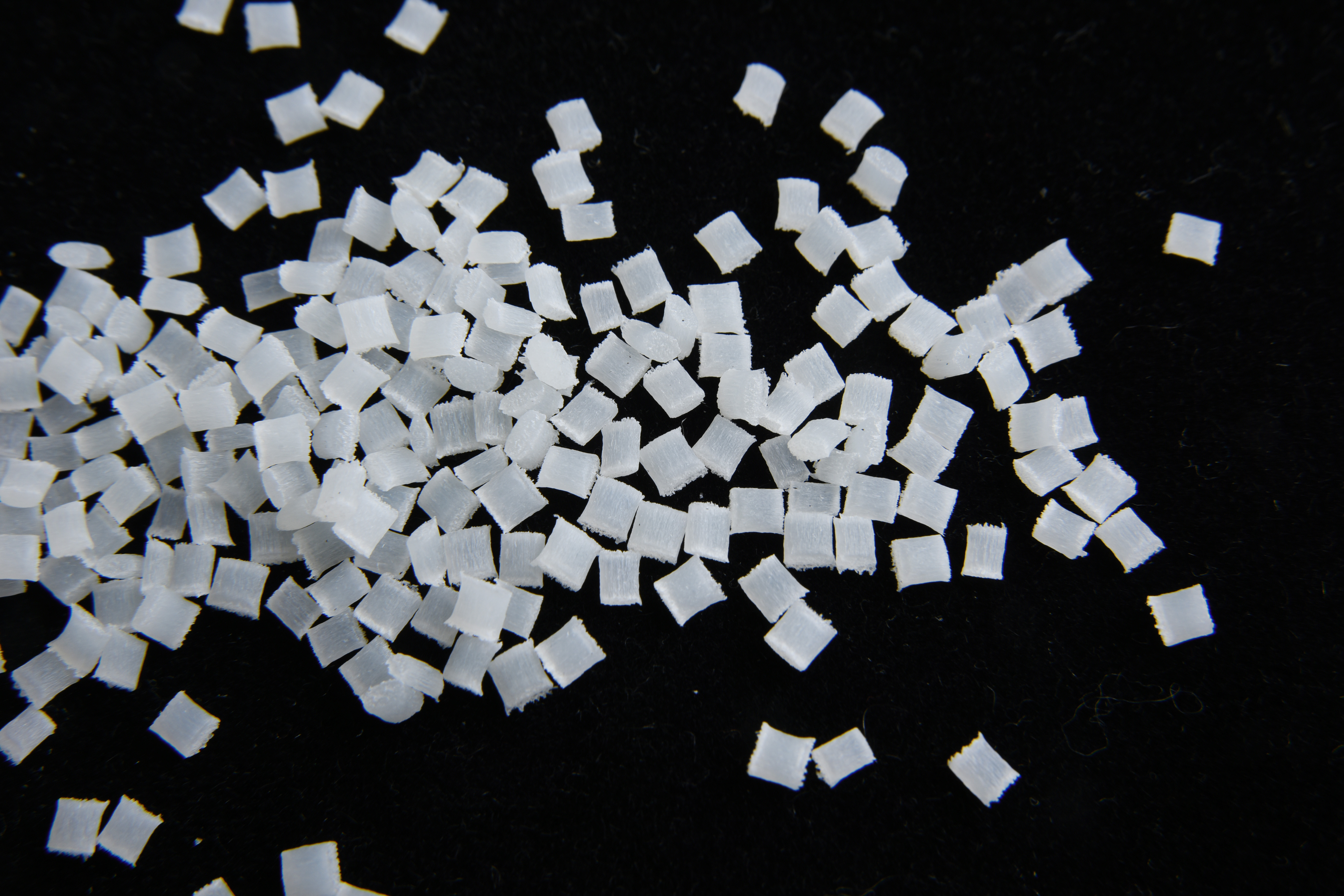
Light scattering depends heavily on the size of the crystalline structures relative to the wavelength of visible light, roughly 400 to 700 nanometers. When crystallites are smaller than about one-tenth the wavelength of light, scattering drops sharply and the material can appear translucent or even near-clear despite being semi-crystalline. This is the working principle behind clarified polypropylene and optically modified nylon grades: nucleating agents are added to the melt to force the formation of very large numbers of very small crystallites instead of a few large ones, which keeps haze low even though the polymer has not become amorphous.
Four Practical Methods for Producing Transparent Plastic Parts
Manufacturers reach for different techniques depending on the part geometry, the required optical clarity, and the production volume. The four approaches below cover the large majority of commercial transparent plastic production as of 2026.
1. Selecting an Inherently Amorphous Resin
The simplest and most reliable route to transparency is choosing a resin that is amorphous by nature. Polycarbonate (PC), polymethyl methacrylate (PMMA, commonly called acrylic), polystyrene (PS), and amorphous PET (A-PET) all transmit over 88 percent of visible light in a properly processed 3 mm sample. No special crystallinity control is required because there is nothing to suppress.
2. Nucleating and Clarifying Semi-Crystalline Resins
For semi-crystalline polymers such as polypropylene or nylon, compounders add clarifying agents, typically sorbitol-based or nonitol-based additives, at loadings between 0.1 percent and 0.3 percent by weight. These additives act as nucleation sites, triggering the formation of extremely fine, uniform crystallites during cooling. The result is a resin that keeps most of its mechanical toughness and chemical resistance while reaching haze values as low as 4 to 8 percent, a level most people perceive as clear rather than cloudy.
3. Controlling Cooling Rate During Molding
Crystallization is a time-dependent process, so cooling the melt quickly limits how much time the chains have to organize into ordered structures. Injection molders producing clear parts typically hold mold surface temperatures 20 to 40 degrees Celsius lower than standard production settings and reduce wall thickness to speed heat extraction. Thin, rapidly quenched sections consistently show lower haze than thick, slowly cooled sections of the identical resin.
4. Solvent Casting and Polishing
For sheet products such as acrylic panels, the resin can be cast between two pieces of optically polished glass, allowing polymerization to occur slowly without mechanical stress or flow lines. Post-processing steps such as flame polishing, diamond buffing, or vapor smoothing remove any residual surface roughness, which matters because even a fully amorphous, defect-free polymer will scatter light if its surface is not optically smooth.
Step-by-Step Production Process for Clear Injection-Molded Parts
The table below outlines a representative process sequence used by molders producing optically clear parts from resins like polycarbonate or clarified polypropylene.
| Stage | Key Parameter | Why It Matters |
|---|---|---|
| Resin drying | Below 0.02 percent moisture | Trapped moisture flashes to steam and creates bubbles that scatter light |
| Melt heating | Resin-specific, often 260 to 310 degrees Celsius for PC | Even melt temperature prevents localized degradation and yellowing |
| Injection speed | Fast fill, low shear | Reduces flow lines and weld line visibility in the finished part |
| Mold surface finish | SPI A1 to A3 diamond polish | Any tool marks are copied directly onto the part surface |
| Cooling | Controlled, rapid, uniform | Uneven cooling causes warping and localized haze |
| Annealing (optional) | Below glass transition temperature | Relieves internal stress that can cause stress-whitening or cracking later |
Comparing Common Transparent and Translucent Plastics
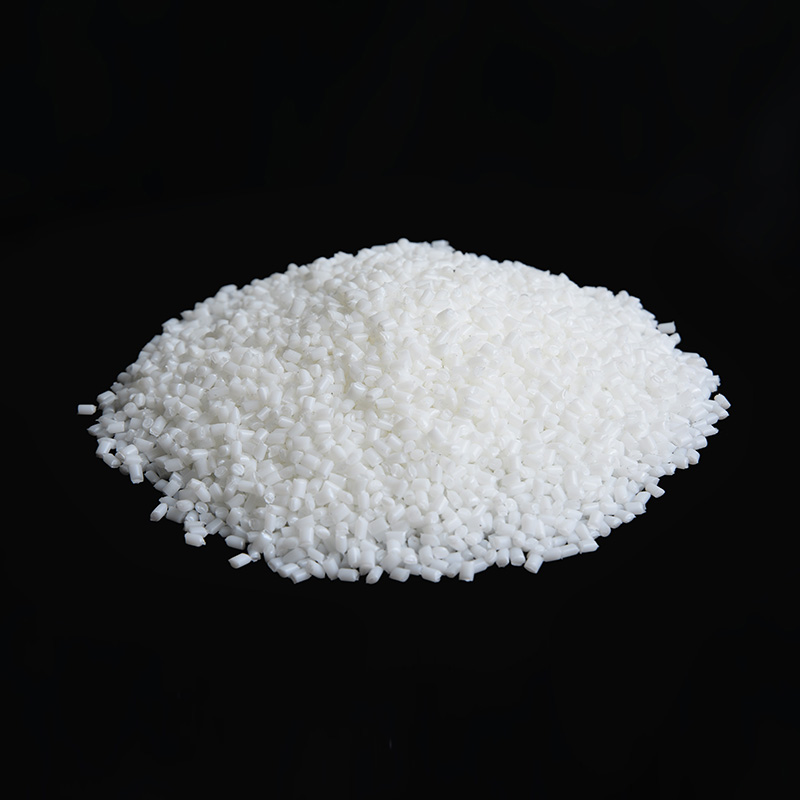
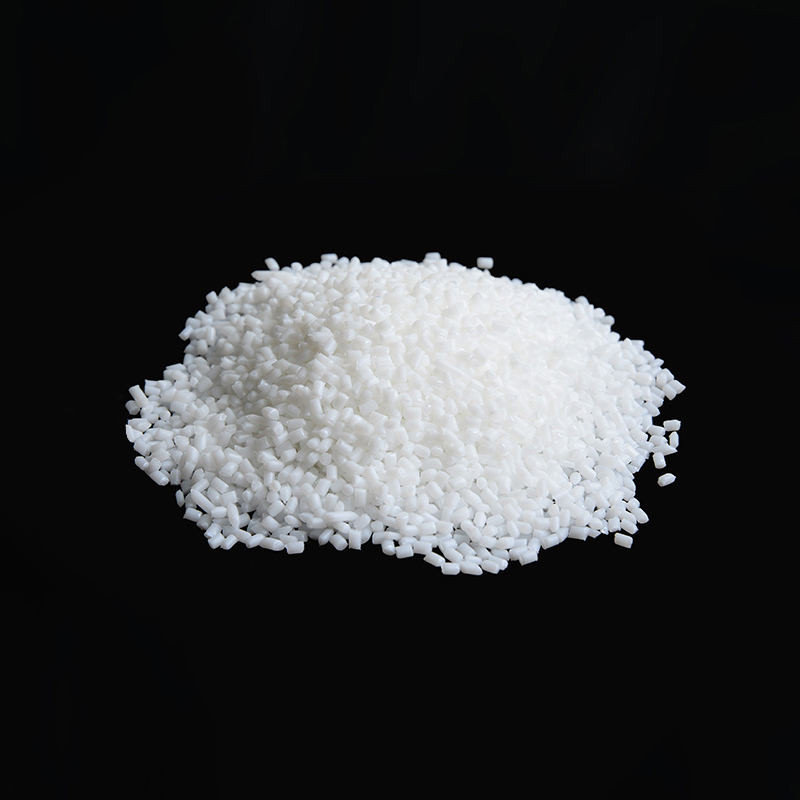
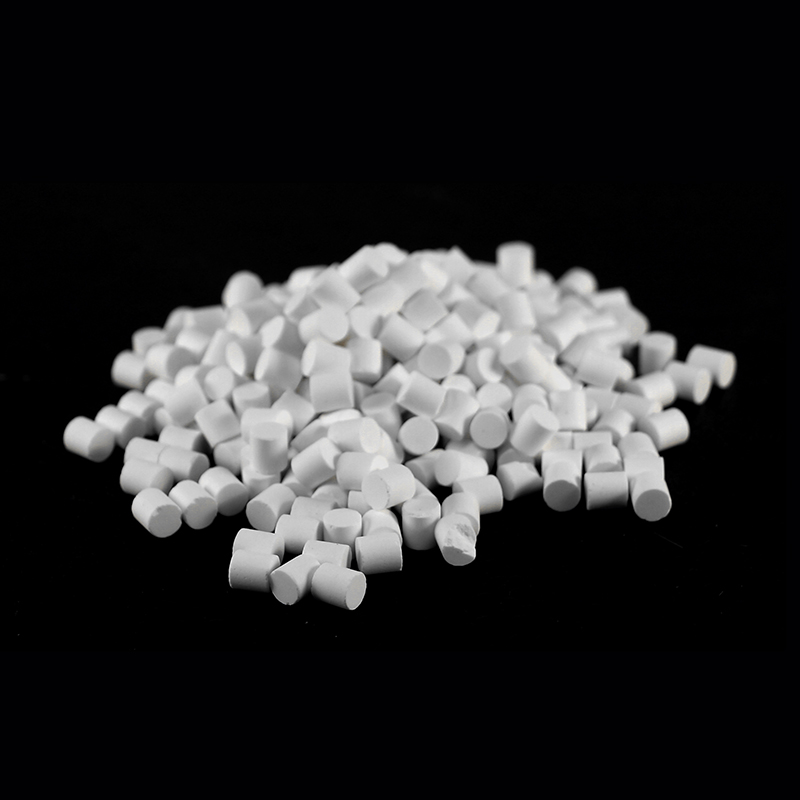
Choosing the right resin depends on the balance between optical clarity, impact strength, heat resistance, and cost. Engineering nylon plastic occupies a specific niche in this comparison: standard grades are translucent to opaque, but modified and thin-wall grades can reach usable transparency while retaining the mechanical toughness, abrasion resistance, and chemical resistance that nylon is known for. This makes it a candidate for structural components that need to be seen through, such as sight glasses, fluid-level indicators, and certain connector housings, where pure acrylic or polycarbonate would not survive the mechanical or chemical environment.
| Material | Light Transmission | Impact Resistance | Typical Use |
|---|---|---|---|
| Polycarbonate (PC) | About 88 to 90 percent | Very high | Safety glazing, machine guards, lenses |
| Acrylic (PMMA) | About 92 percent | Moderate | Signage, display cases, aquariums |
| Clarified Polypropylene | About 80 to 85 percent | High | Food containers, medical devices |
| Engineering nylon plastic (modified/thin-wall) | About 70 to 80 percent in thin sections | Very high | Sight glasses, fluid indicators, wear-resistant clear housings |
| Standard PET | About 90 percent | Moderate to high | Beverage bottles, packaging film |
Where Engineering Nylon Plastic Fits Into Transparent Part Design
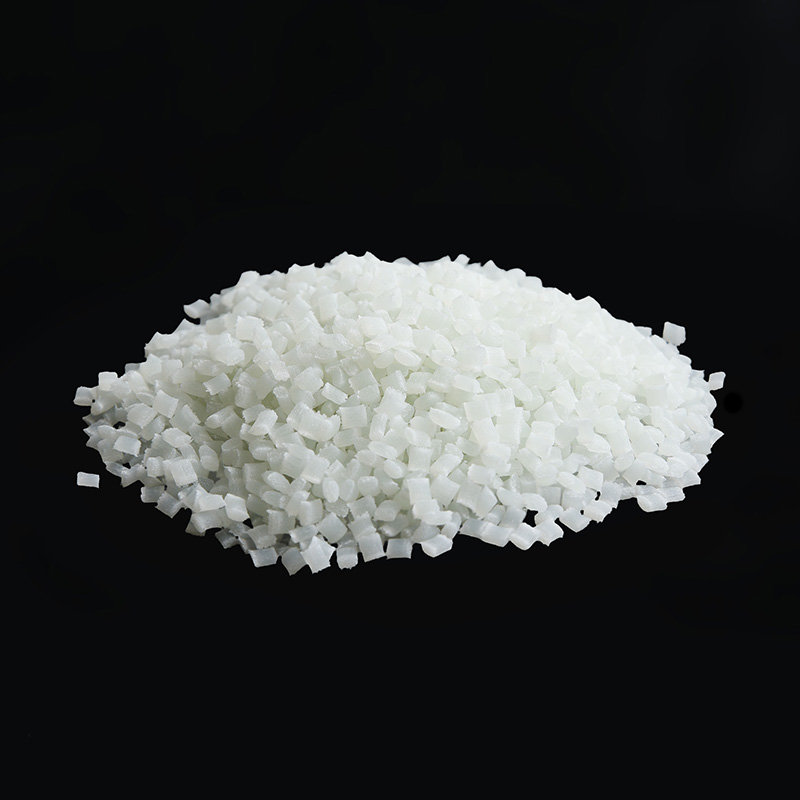
Standard nylon, whether nylon 6 or nylon 66, is semi-crystalline and typically shows crystallinity levels of 30 to 45 percent, which is far too high for glass-like clarity. However, several strategies bring nylon closer to transparency for parts where its mechanical and chemical resistance advantages outweigh acrylic or polycarbonate.
Amorphous and Semi-Aromatic Nylon Grades
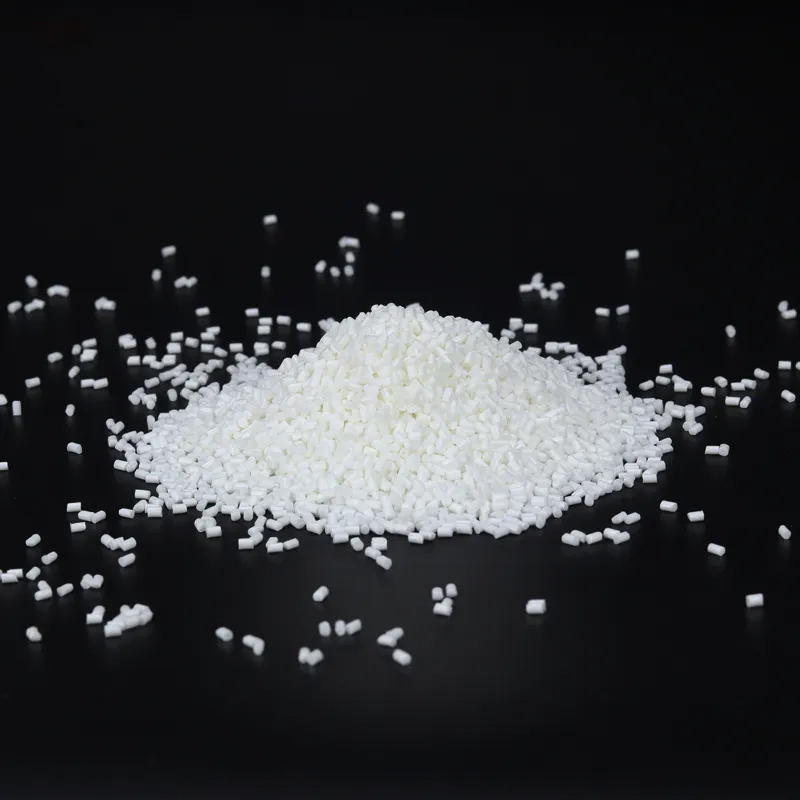
Certain nylon chemistries, including amorphous polyamides built from cycloaliphatic monomers, do not crystallize under normal processing conditions at all. These specialty grades of Engineering nylon plastic can reach light transmission above 85 percent while retaining better chemical resistance to fuels, oils, and solvents than acrylic. They are commonly specified for fuel-line sight glasses, fluid reservoirs in automotive and industrial equipment, and protective covers exposed to lubricants.
Thin-Wall Design With Standard Nylon
Because scattering scales with the amount of crystalline material light must pass through, keeping wall sections under roughly 1 mm can make even standard semi-crystalline nylon appear translucent rather than opaque, which is sufficient for indicator windows or backlit components where full optical clarity is not required.
Nucleated and Clarified Nylon Compounds
Similar to the clarifying additive approach used with polypropylene, some nylon compounders introduce nucleating agents that produce very fine spherulites during crystallization, lowering haze without switching to a fully amorphous chemistry. These compounds trade some ultimate clarity for retained toughness and abrasion resistance, making them useful for gears, bushings, or connector components that also need to be visually inspected without disassembly.
Factors That Determine How Clear a Finished Part Turns Out
- Resin selection: amorphous polymers start with a clarity advantage before processing even begins.
- Moisture content: hygroscopic resins like nylon and polycarbonate must be dried to manufacturer specification or trapped moisture creates internal voids.
- Wall thickness: thinner, more uniform sections cool faster and scatter less light than thick or variable sections.
- Cooling rate: rapid, even cooling limits crystallite growth in semi-crystalline resins.
- Mold surface finish: a mirror-polished cavity is required to produce a mirror-clear surface on the part.
- Contamination control: dust, degraded regrind, or incompatible colorant particles all scatter light and reduce clarity.
- Internal stress: high molded-in stress can cause stress-whitening, a localized clouding that appears under load or over time.
Common Clarity Defects and How to Address Them
| Defect | Likely Cause | Common Fix |
|---|---|---|
| Overall haze | Excess crystallinity or slow cooling | Lower mold temperature, add clarifying agent |
| Small bubbles | Residual moisture or trapped air | Extend drying time, increase venting |
| Yellow tint | Thermal degradation from overheating | Reduce barrel temperature and residence time |
| Surface dullness | Worn or scratched mold cavity | Re-polish tooling to specified SPI finish |
| Stress-whitening at flex points | Molded-in stress concentration | Add annealing step, redesign radii |
Where Transparent Plastics Are Used Today
- Automotive: headlamp lenses, interior trim, fluid reservoirs, and sight glasses in fuel and coolant lines.
- Medical devices: IV chambers, syringe barrels, diagnostic cartridges, and protective equipment shields.
- Consumer electronics: display covers, light pipes, and camera housings.
- Food packaging: clamshells, bottles, and portion containers where product visibility supports purchasing decisions.
- Industrial equipment: gauge covers, level indicators, and machine guards where operators need to visually confirm conditions without opening an enclosure.
Frequently Asked Questions
Can any plastic be made transparent with the right process?
No. Some polymers are chemically incapable of reaching high clarity regardless of processing because their crystalline structures form at a scale that always scatters visible light heavily. Highly crystalline resins such as high-density polyethylene fall into this category; process control can reduce haze somewhat but will not produce glass-like transparency.
Why does my molded part come out cloudy even though I used a clear resin?
Cloudiness in an otherwise clear resin is most commonly caused by residual moisture that was not fully removed during drying, mold temperatures that are too high for the cooling rate the resin needs, or a worn mold surface that no longer holds its original polish. Checking these three variables resolves the majority of unexpected haze issues.
Is transparent nylon as strong as standard nylon?
Amorphous and clarified grades of Engineering nylon plastic generally retain most of the tensile strength of standard nylon, though impact performance and chemical resistance can shift depending on the specific chemistry used to suppress crystallinity. Reviewing the supplier's data sheet for the specific grade is the reliable way to confirm mechanical performance before specifying it for a load-bearing application.
What is the difference between transparent and translucent plastic?
Transparent plastic transmits light with minimal scattering, so objects on the other side remain sharp and distinct. Translucent plastic transmits light but scatters enough of it that objects on the other side appear blurred or diffused. The difference comes down to the size and density of internal scattering sites such as crystallites, additives, or surface texture.
Does UV exposure affect the clarity of transparent plastic over time?
Yes. Prolonged ultraviolet exposure can degrade many clear polymers, causing yellowing and microscopic surface crazing that increases haze. Outdoor and automotive applications commonly specify UV stabilizer packages or protective coatings to slow this degradation and preserve optical performance over the service life of the part.
Can transparent plastic be recycled the same way as opaque plastic?
Transparent plastics such as PET and PC can generally be recycled through standard mechanical recycling streams, though clarity is often reduced in the recycled resin due to contamination and repeated thermal cycling. Manufacturers wanting consistent optical clarity in a finished product typically limit the proportion of recycled content or use it only in non-visible structural layers.
 Mob: +86-15867822829
 Tel: +86-0574-62538663
 Fax: +86-0574-62530664
 E-mail:
 Follow Us
 Home
Home
