


 English
 中文简体
中文简体 Español
 русский
 عربى
عربى
Content
- 1 PA6 Is a Strong Material — With Important Caveats
- 2 Core Mechanical Properties of Unreinforced PA6
- 3 How Moisture Absorption Changes Everything
- 4 PA6 GF Materials: The Reinforced Category Explained
- 5 Anisotropy in PA6 GF Materials: The Fiber Orientation Problem
- 6 Creep Resistance: Long-Term Strength Under Sustained Load
- 7 Chemical Resistance of PA6 and PA6 GF Materials
- 8 Thermal Performance Across the Operating Range
- 9 Real-World Applications Where PA6 and PA6 GF Materials Are Used
- 10 PA6 vs PA66: Choosing Between Two Common Polyamides
- 11 Processing and Design Guidelines for PA6 GF Materials
- 12 Sustainability and Recycling Considerations for PA6
- 13 Summary: When to Choose PA6, PA6 GF, or Something Else
PA6 Is a Strong Material — With Important Caveats
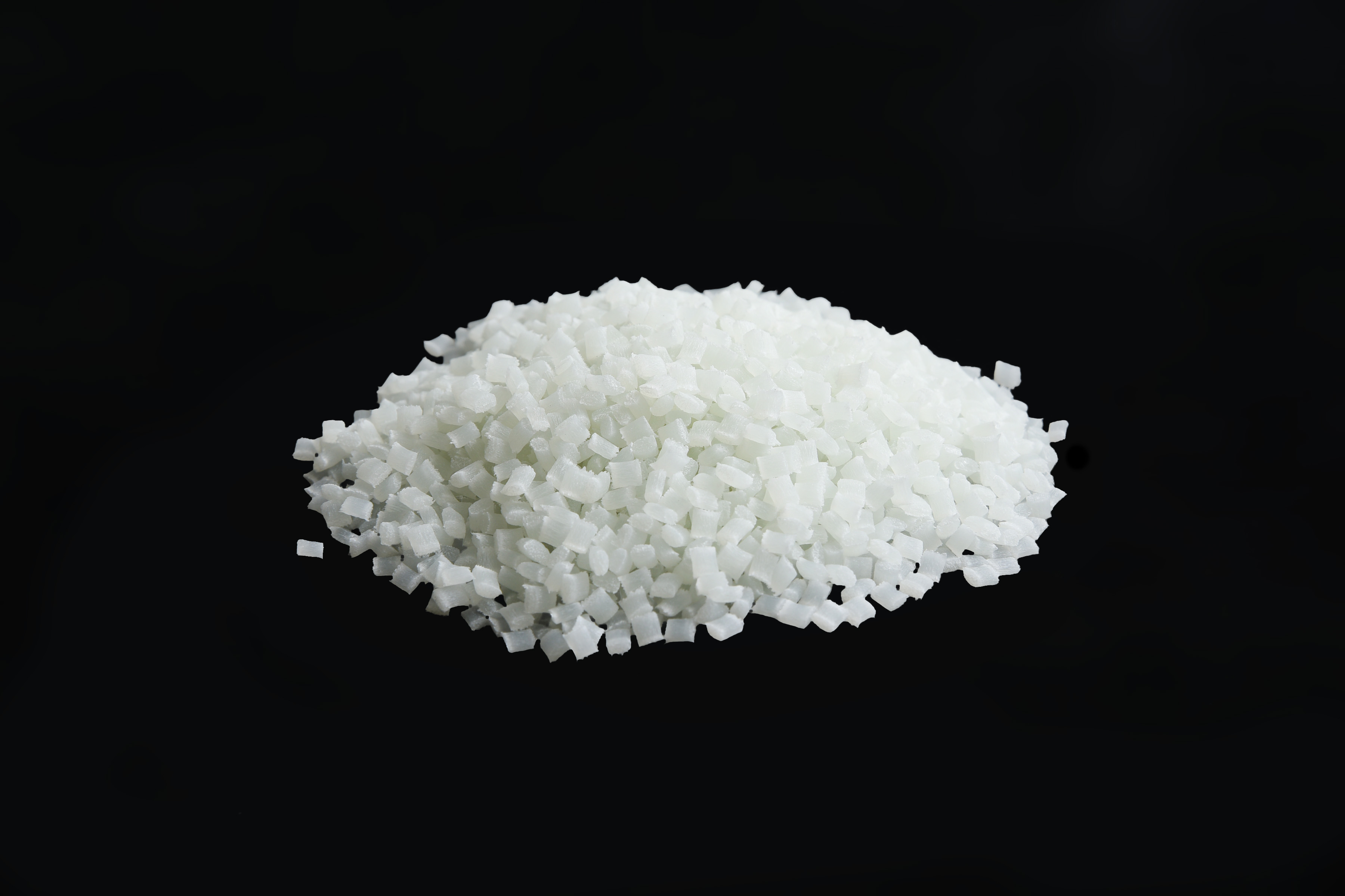
Yes, PA6 (Polyamide 6, also known as Nylon 6) is genuinely a strong engineering-grade thermoplastic. Its tensile strength in the dry-as-molded (DAM) condition typically ranges from 70 to 85 MPa, and its flexural modulus sits around 2,500 to 3,200 MPa. These figures place it firmly in the category of structural polymers capable of replacing metal components in moderate-load applications. However, the word "strong" only tells part of the story. PA6's mechanical performance is highly sensitive to moisture absorption, temperature, and — most critically — whether it has been reinforced with glass fiber. Understanding these variables is what separates a successful material selection from a costly design failure.
When engineers refer to PA6 GF materials (PA6 with glass fiber reinforcement, such as PA6 GF30 or PA6 GF50), they are describing a substantially upgraded version of the base polymer. Glass-filled grades can push tensile strength above 180 MPa and flexural modulus beyond 9,000 MPa, making them viable in demanding structural, automotive, and industrial environments where unreinforced PA6 would simply deflect too much or creep over time. This article walks through both materials in detail, covering mechanical data, real-world performance, limitations, and where each grade genuinely belongs.
Core Mechanical Properties of Unreinforced PA6
Unreinforced PA6 is a semi-crystalline polymer with a well-balanced combination of toughness, stiffness, and wear resistance. Its mechanical behavior is defined by the following key properties under dry-as-molded conditions at room temperature:
| Property | Typical Value (DAM) | Unit |
|---|---|---|
| Tensile Strength | 70 – 85 | MPa |
| Flexural Modulus | 2,500 – 3,200 | MPa |
| Elongation at Break | 30 – 100 | % |
| Izod Impact Strength (notched) | 5 – 10 | kJ/m² |
| Hardness (Rockwell R) | 108 – 120 | R scale |
| Heat Deflection Temperature | 65 – 80 | °C at 1.8 MPa |
| Moisture Absorption (equilibrium) | 2.5 – 3.5 | % by weight |
The elongation at break figure — 30 to 100% — reveals one of PA6's most valuable characteristics: it does not simply fracture under overload. It deforms, providing a warning before failure. This ductile behavior makes it a popular choice for parts that must absorb shock or survive occasional misuse without shattering catastrophically, such as cable ties, clips, and mechanical housings.
The heat deflection temperature of 65–80°C at 1.8 MPa is a meaningful limitation. Unreinforced PA6 begins to lose stiffness well before it reaches its melting point of approximately 220°C. For applications near heat sources or under sustained mechanical load at elevated temperatures, this limitation often pushes engineers toward glass-reinforced grades or higher-performance polyamides such as PA66 or PA46.
How Moisture Absorption Changes Everything
PA6's hygroscopic nature is one of the most frequently underestimated aspects of working with this material. In a dry, freshly molded state, the figures in Table 1 apply. Once PA6 absorbs moisture — which it does naturally when exposed to ambient humidity or direct water contact — its properties shift substantially.
At equilibrium moisture content (roughly 2.5–3.5% water by weight in a 50% relative humidity environment), the following changes occur:
- Tensile strength drops by approximately 20–35%, falling to roughly 50–65 MPa
- Flexural modulus can decrease by as much as 40–50%
- Impact strength actually increases, sometimes by a factor of two or more
- Dimensional changes occur, with linear growth of approximately 0.5–1.0% depending on section thickness
- The material becomes noticeably more flexible and resistant to notch-induced fracture
This moisture-induced plasticization is not always harmful. In applications such as gears, bearings, and sliding contacts, the increased ductility and lower friction coefficient actually extend service life. But in precision structural components with tight dimensional tolerances, moisture uptake poses a serious engineering challenge that must be addressed at the design stage — either through moisture-conditioning parts before assembly, designing for the conditioned state, or switching to PA6 GF materials, which absorb less moisture proportionally and retain far more stiffness in humid conditions.
PA6 absorbs moisture significantly faster and in greater quantities than PA66. A 3mm-thick PA6 specimen can reach 50% of its equilibrium moisture content in roughly 200 hours at 23°C and 50% RH, while the full equilibrium state may take weeks or months depending on part thickness. Designers using PA6 in outdoor or humid environments should always specify conditioned material properties — not DAM values — in their structural calculations.
PA6 GF Materials: The Reinforced Category Explained
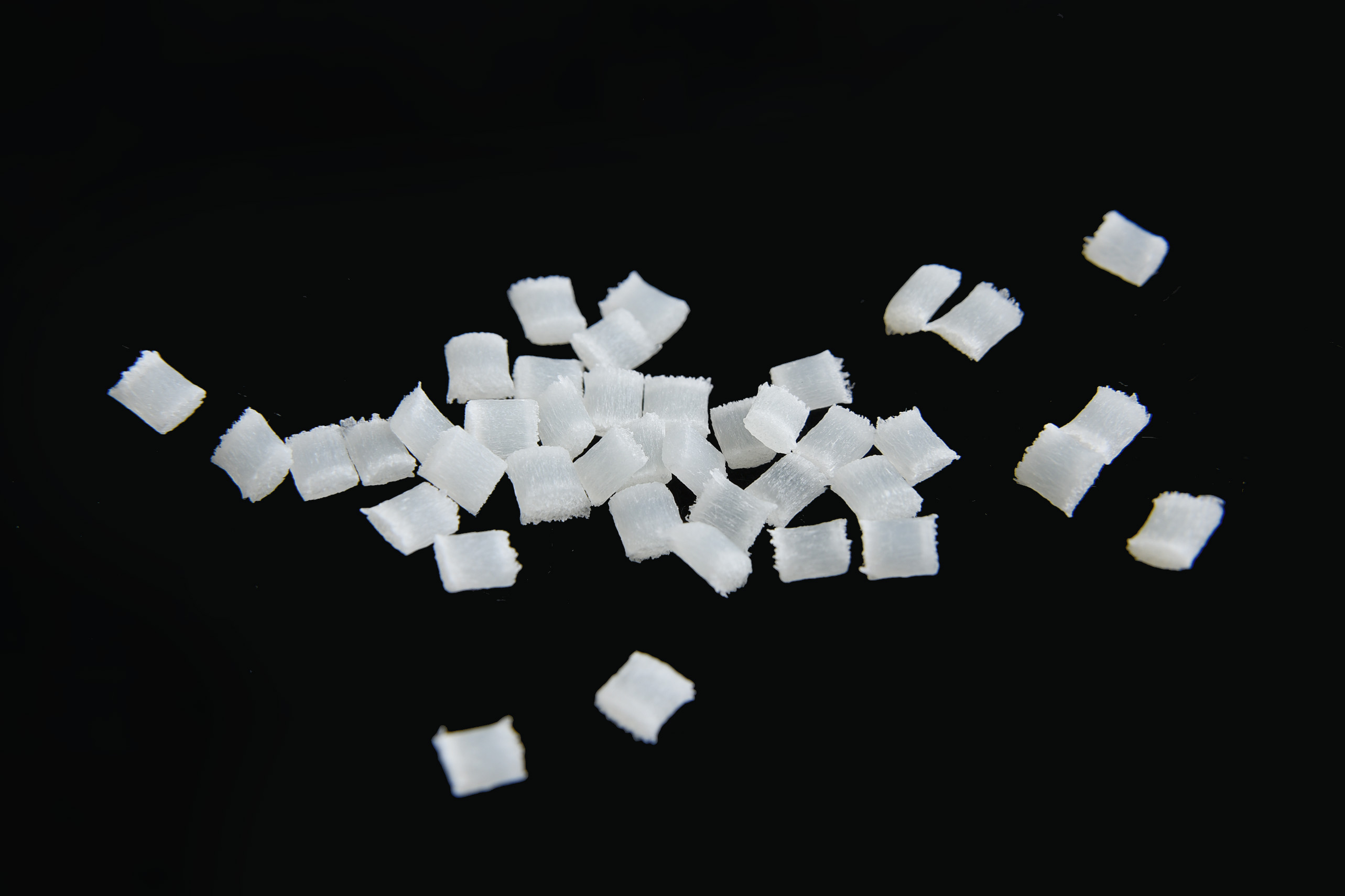
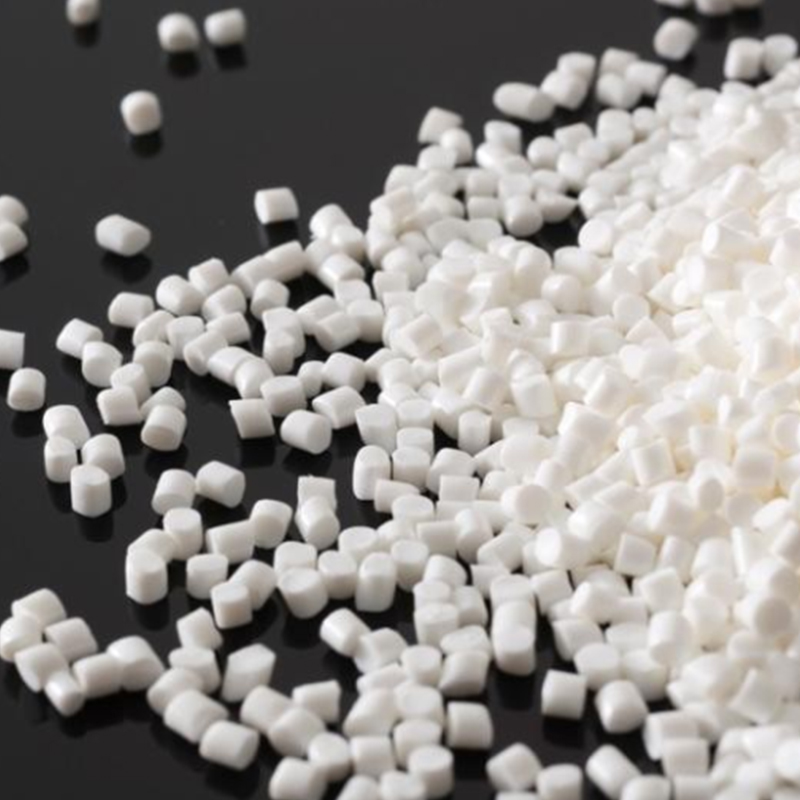
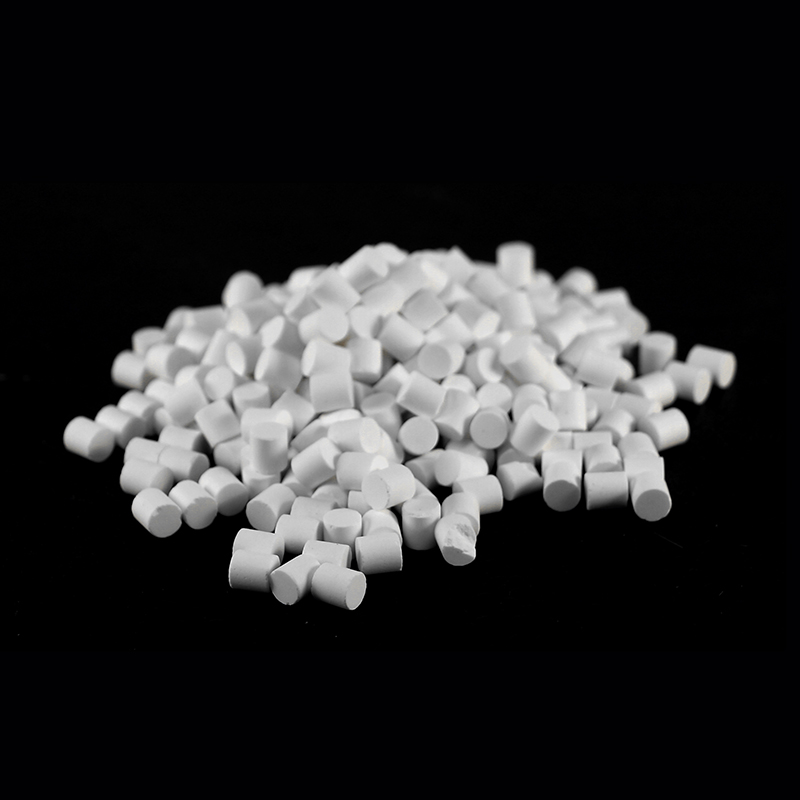
PA6 GF materials are compounds in which short glass fibers — typically 10 to 50% by weight — are blended into the PA6 matrix during compounding. The glass fibers act as a structural skeleton within the polymer, dramatically increasing stiffness, strength, and thermal resistance while reducing moisture absorption and creep.
The most commonly used grades are PA6 GF15, PA6 GF30, and PA6 GF50, with the number indicating the percentage of glass fiber by weight. PA6 GF30 is by far the most widely specified grade and serves as a practical benchmark for comparing reinforced PA6 performance.
| Property | PA6 (Unreinforced) | PA6 GF15 | PA6 GF30 | PA6 GF50 |
|---|---|---|---|---|
| Tensile Strength (MPa) | 75 | 110 | 160 – 185 | 200 – 230 |
| Flexural Modulus (MPa) | 2,800 | 5,000 | 8,500 – 10,000 | 14,000 – 16,000 |
| HDT at 1.8 MPa (°C) | 65 – 80 | 180 – 190 | 200 – 210 | 210 – 220 |
| Elongation at Break (%) | 30 – 100 | 4 – 6 | 2 – 4 | 1.5 – 3 |
| Moisture Absorption (%) | 2.5 – 3.5 | 1.8 – 2.2 | 1.2 – 1.6 | 0.8 – 1.2 |
The heat deflection temperature improvement is one of the most striking benefits of adding glass fiber. Unreinforced PA6 deflects at 65–80°C, but PA6 GF30 maintains structural integrity up to 200–210°C — nearly at the polymer's melting point. This happens because the glass fiber network physically restrains the polymer matrix from deforming even as it softens, effectively decoupling structural performance from the base resin's softening behavior. This is why PA6 GF materials dominate in under-the-hood automotive applications where temperatures regularly exceed 120°C.
The tradeoff is brittleness. While unreinforced PA6 stretches 30–100% before breaking, PA6 GF30 typically breaks at just 2–4% elongation. This shift from ductile to brittle failure mode is a critical design consideration. Components made from PA6 GF materials must be carefully designed to avoid stress concentrations such as sharp internal corners, as these can act as crack initiation sites leading to sudden failure with little warning.
Anisotropy in PA6 GF Materials: The Fiber Orientation Problem
One of the most technically important — and frequently overlooked — characteristics of PA6 GF materials is anisotropy: the material behaves differently depending on the direction being tested relative to how the glass fibers are oriented. During injection molding, fibers align primarily in the direction of melt flow, creating a part that is substantially stronger along the flow direction than perpendicular to it.
For PA6 GF30, the difference between flow-direction and cross-flow-direction tensile strength can be as large as 20–35%. Weld lines — areas where two melt fronts meet during molding — are particularly vulnerable because fibers at these junctions are oriented perpendicular to the load direction, and the tensile strength at a weld line in PA6 GF30 can fall to just 40–60% of the base material strength.
Addressing this issue requires close coordination between part designers and mold engineers. Strategies include:
- Positioning gates so that weld lines form in low-stress regions of the part
- Using mold flow simulation software (such as Moldflow or Moldex3D) to predict fiber orientation before cutting steel
- Specifying material properties based on worst-case (cross-flow) orientation in structural calculations
- Considering long glass fiber (LGF) compounds or continuous fiber composites when truly isotropic strength is needed
Engineers specifying PA6 GF materials for structural parts should never rely solely on datasheet values, which are typically measured on standard ISO or ASTM tensile bars molded under ideal conditions. Real injection-molded parts with complex geometries, multiple gates, and varying section thicknesses will exhibit locally variable properties that only simulation and physical testing can fully characterize.
Creep Resistance: Long-Term Strength Under Sustained Load
Short-term tensile strength data measures how much stress a material can handle in a brief test. But most real-world structural applications involve sustained loads over hours, months, or years — and polymers, including PA6, creep under such conditions. Creep means the material continues to deform slowly even when the applied stress is well below the short-term yield point.
Unreinforced PA6 is a notably compliant polymer under sustained load. At stresses of just 20–30% of its short-term tensile strength, significant creep strain can accumulate over 1,000 hours of loading at room temperature. At elevated temperatures or in conditioned (moist) conditions, creep behavior worsens substantially.
PA6 GF30 materials show a dramatic improvement in creep resistance. The rigid glass fiber network constrains polymer chain mobility, reducing long-term deformation by a factor of three to five compared to unfilled PA6 under equivalent conditions. This is one of the primary reasons glass-reinforced grades are specified for structural brackets, load-bearing clips, and housings that must maintain tight dimensional tolerances under load over their entire service life.
For any application where a PA6-based part will carry sustained mechanical load, engineers should consult isochronous stress-strain curves (creep data at specific time points) rather than relying on short-term tensile data. These curves are available from major resin suppliers including BASF (Ultramid), Lanxess (Durethan), DSM (Akulon), and Solvay (Technyl), and they form an essential foundation for accurate design calculations.
Chemical Resistance of PA6 and PA6 GF Materials
Chemical resistance is a practical dimension of "strength" that often determines whether PA6 can survive its operating environment. PA6 has good resistance to many chemicals commonly encountered in industrial and automotive settings, but it has specific vulnerabilities that must be understood.
Materials PA6 Resists Well
- Aliphatic hydrocarbons (mineral oil, diesel fuel, gasoline)
- Most alcohols at room temperature
- Mild alkalis and weak bases
- Greases and lubricating oils
- Ketones and esters at room temperature
Materials PA6 Is Vulnerable To
- Strong acids — even dilute hydrochloric or sulfuric acid will degrade PA6 rapidly through hydrolysis
- Oxidizing agents — including bleach and hydrogen peroxide, which attack the amide bond
- Phenols and cresols — which act as solvents for PA6
- Calcium chloride solutions — a known environmental stress cracking agent for polyamides, particularly relevant for road salt exposure
- Prolonged hot water exposure — accelerates hydrolytic degradation and can cause surface chalking and loss of mechanical integrity
The glass fiber in PA6 GF materials does not fundamentally alter the base resin's chemical resistance profile. The matrix polymer is still PA6, and it remains susceptible to the same chemical attack mechanisms. However, the lower overall moisture absorption in PA6 GF grades provides some incidental benefit in environments involving aqueous solutions.
Thermal Performance Across the Operating Range
PA6's crystalline melting point is approximately 220°C. This gives it a processing window during injection molding of typically 240–270°C melt temperature. As a structural material, its upper service temperature depends heavily on reinforcement level and the load applied.
For continuous service without significant mechanical load, unreinforced PA6 can operate up to roughly 100–110°C. Under mechanical load, the heat deflection temperature of 65–80°C is a more practical limit. PA6 GF30, with its HDT of 200–210°C, extends the practical structural service temperature to approximately 130–150°C under sustained load in real-world conditions, accounting for safety margins and long-term property retention.
At low temperatures, PA6 becomes more brittle, particularly in its dry state. Below -20°C, unreinforced PA6 impact strength decreases sharply, and the material can fracture rather than deform. Moisture-conditioned PA6 retains better low-temperature toughness. PA6 GF materials, being inherently less ductile, require careful impact assessment when operating below 0°C.
For applications requiring extended thermal stability, heat stabilizer packages are routinely added to both unreinforced and glass-reinforced PA6 grades. These additives extend the upper continuous-use temperature and prevent oxidative degradation during processing. Grades designated with "HS" or "heat stabilized" in their trade names (such as BASF Ultramid B3WG6 HS) are specifically formulated for under-hood and other thermally demanding environments.
Real-World Applications Where PA6 and PA6 GF Materials Are Used
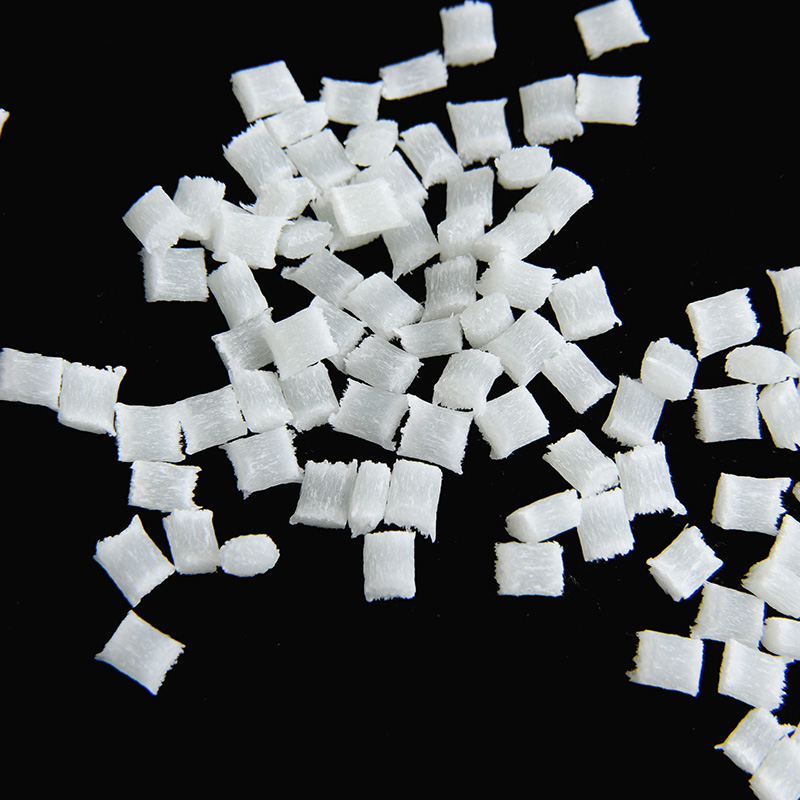
The wide range of available grades — from unfilled to heavily glass-reinforced — means PA6 appears in applications spanning household products to safety-critical structural components. Below is a practical breakdown of how the material is deployed across industries.
Automotive Industry
The automotive sector is the single largest consumer of PA6 GF materials globally, accounting for a substantial share of all glass-fiber-reinforced polyamide consumption. Applications include:
- Engine intake manifolds — PA6 GF30 replaced aluminum in most passenger vehicles from the 1990s onward, reducing weight by approximately 40–50% while withstanding continuous temperatures of 120–130°C and pressure cycling
- Air filter housings and ducts — exploiting PA6 GF's combination of stiffness, heat resistance, and fuel/oil resistance
- Radiator end tanks — where PA6 GF35 or GF50 grades are welded to aluminum cores, forming the majority of modern automotive cooling systems
- Pedal brackets and accelerator mechanisms — where dimensional stability and fatigue resistance are critical
- Structural door handles, mirror housings — using PA6 GF15 or GF30 for cosmetic and structural performance
Electrical and Electronics
- Connector housings and terminal blocks — where PA6's electrical insulation properties (volume resistivity above 10¹³ Ω·cm) and flame-retardant grades meet UL 94 V-0 requirements
- Circuit breaker housings and switchgear components
- Cable management systems including cable ties — one of the highest-volume uses of unreinforced PA6 globally
Industrial Machinery and Consumer Goods
- Gears, bearings, and wear pads — where PA6's self-lubricating character and toughness outperform many metals in light to moderate load applications
- Power tool housings — combining PA6 GF's stiffness with toughness modifiers for drop resistance
- Sporting equipment including skis, inline skate frames, and bicycle components
- Food processing equipment — where FDA-compliant PA6 grades are approved for incidental food contact
PA6 vs PA66: Choosing Between Two Common Polyamides
PA6 and PA66 are often compared directly, as they share similar chemistry, processing routes, and application areas. Understanding the differences helps clarify when PA6 GF materials are the right choice versus their PA66 GF counterparts.
| Characteristic | PA6 | PA66 |
|---|---|---|
| Melting Point | ~220°C | ~262°C |
| HDT (unreinforced, 1.8 MPa) | 65 – 80°C | 90 – 110°C |
| Moisture Absorption | Higher | Lower (~20% less) |
| Toughness (ductility) | Higher | Slightly lower |
| Raw Material Cost | Lower | Higher |
| Processing Window | Wider / easier | Narrower |
| Surface Finish | Generally better | Can be rougher at high GF% |
In practice, PA6 GF30 and PA66 GF30 are often interchangeable for many injection-molded structural applications. The higher melting point of PA66 is genuinely advantageous in the most thermally demanding under-hood applications, but for the majority of industrial and consumer applications that operate below 120°C under load, PA6 GF materials provide comparable performance at lower cost and with a more forgiving processing behavior.
The wider processing window of PA6 is a practical manufacturing advantage. PA66 has a sharper crystallization behavior, making it more sensitive to mold temperature and injection speed variations. PA6 processes more uniformly, especially in complex multi-cavity tools, and typically produces parts with better surface finish at equivalent glass fiber loadings.
Processing and Design Guidelines for PA6 GF Materials
Getting the most out of PA6 GF materials requires attention to both processing conditions and part design rules. Deviations from best practice in either area can significantly reduce the real-world performance of what is, on paper, a high-strength material.
Drying Requirements
PA6 and PA6 GF materials must be thoroughly dried before injection molding. Moisture levels above 0.2% by weight at the time of processing cause hydrolytic degradation of the polymer chains during melting, reducing molecular weight and leading to parts with significantly lower impact strength and toughness than expected. Standard drying conditions are typically 80–85°C for 4–6 hours in a dehumidifying dryer. Simple hot air circulation dryers are not recommended for thick layers or high-throughput applications.
Mold Temperature and Crystallinity
PA6 is a semi-crystalline polymer, and the degree of crystallinity achieved during molding directly affects stiffness, shrinkage, and dimensional stability. Higher mold temperatures (60–80°C) promote higher crystallinity and more predictable post-mold shrinkage behavior. Lower mold temperatures produce faster cycle times but less consistent crystalline structure and higher potential for post-mold dimensional change in service.
Wall Thickness and Ribbing
PA6 GF materials are stiffer than unreinforced grades, which allows designers to reduce wall thickness compared to equivalent unfilled parts while maintaining structural performance. General guidelines for PA6 GF30 structural parts suggest nominal wall thickness of 2.0–4.0 mm for most applications. Ribs used to increase stiffness should follow a thickness ratio of approximately 50–60% of the adjacent wall to minimize sink marks, with rib height kept below three times the wall thickness to avoid filling problems and excessive residual stress.
Corner Radii and Stress Concentration
Given the reduced elongation at break in PA6 GF materials, generous corner radii are essential. Internal corner radii should be a minimum of 0.5 mm, and ideally 1.0 mm or greater, to reduce stress concentration factors. Sharp internal corners in PA6 GF30 parts can reduce effective fatigue life by an order of magnitude compared to properly radiused alternatives.
Sustainability and Recycling Considerations for PA6
As sustainability requirements increasingly influence material selection, PA6's recyclability profile is relevant to a complete evaluation of its merits. Unlike thermoset composites, PA6 is a thermoplastic and can in principle be remelted and reprocessed. However, repeated processing causes molecular weight reduction and property degradation, particularly for glass-fiber-reinforced grades where fiber breakage during reprocessing shortens fiber length and reduces reinforcement effectiveness.
Chemical recycling of PA6 via hydrolysis or glycolysis to recover caprolactam monomer is technically feasible and commercially practiced at scale. Several manufacturers, including Aquafil with their Econyl program (focused on post-consumer PA6 from carpets and fishing nets), have established commercial chemical recycling loops for PA6. Recycled caprolactam can be repolymerized to produce virgin-equivalent PA6 with no significant property penalty, offering a genuinely circular pathway for this material that is not available for most other engineering plastics.
Bio-based PA6 is also in development, with some producers offering grades where the caprolactam feedstock is derived partially from renewable sources rather than petroleum. While the volume remains limited compared to conventional PA6, bio-based grades are mechanically equivalent and represent a growing option for applications with corporate sustainability requirements.
Summary: When to Choose PA6, PA6 GF, or Something Else
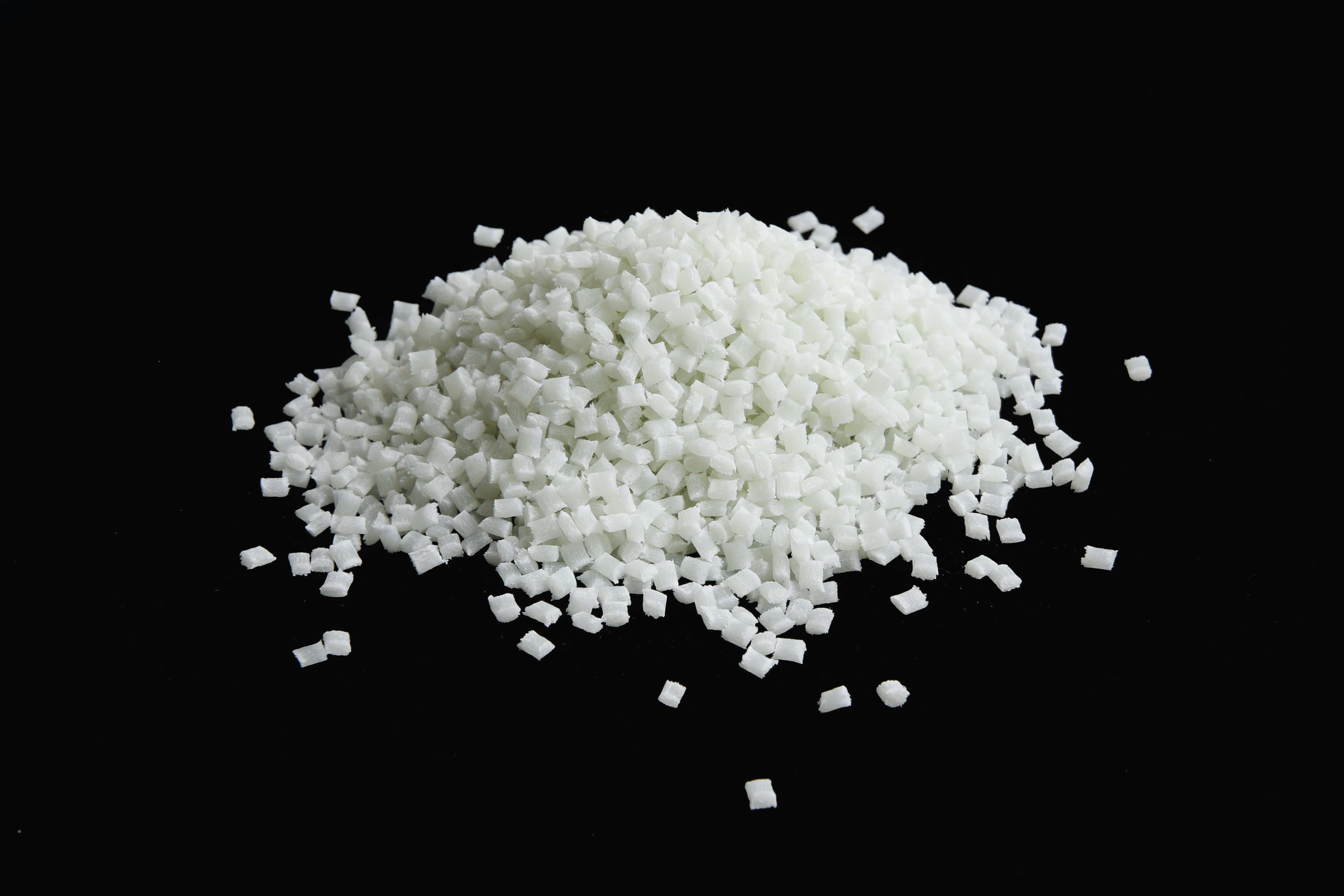
PA6 is a strong material by polymer standards — but "strong" means something specific, and the right answer for any application depends entirely on what performance is actually required. The following practical decision framework summarizes when each grade category makes sense:
- Unreinforced PA6: Best when toughness, ductility, and surface quality take priority over maximum stiffness. Appropriate for cable ties, gears, sliding components, sports equipment, and applications where some flexure is acceptable or beneficial.
- PA6 GF15–GF20: A moderate reinforcement step that improves stiffness and heat resistance while retaining better surface finish and somewhat better toughness than higher-loaded grades. Suitable for covers, semi-structural housings, and parts requiring moderate heat resistance.
- PA6 GF30: The primary structural workhorse grade. Appropriate for load-bearing brackets, automotive underhood components, structural industrial parts, and anywhere dimensional stability under thermal and mechanical load is critical.
- PA6 GF50 and above: For maximum stiffness and heat performance where brittleness is manageable and weld line positioning can be controlled. Used in high-performance automotive and industrial applications where mass production demands a single plastic component to replace a metal assembly.
- Consider alternatives when: The application involves continuous submersion in hot water (consider PPS or PEEK), strong acid exposure (consider PTFE or polypropylene), truly isotropic structural performance (consider continuous fiber composites), or operating temperatures consistently above 150°C under load (consider PA46, PA6T, or high-temperature polyamides).
PA6 and PA6 GF materials have earned their position as staple engineering polymers through a combination of predictable processing, well-understood failure modes, broad supplier availability, and a performance range that covers a large proportion of industrial design needs. Used with full understanding of their moisture sensitivity, anisotropic behavior, and temperature limitations, they remain among the most cost-effective structural materials available to designers today.
 Mob: +86-15867822829
 Tel: +86-0574-62538663
 Fax: +86-0574-62530664
 E-mail:
 Follow Us
 Home
Home
