


 English
 中文简体
中文简体 Español
 русский
 عربى
عربى
Content
- 1 The Direct Answer: Is PA6 Flame Resistant?
- 2 How PA6 Behaves in Fire: The Basic Chemistry
- 3 UL94 Ratings Explained: Where Does PA6 Fit?
- 4 Flame Retardant Additives Used in PA6: How Manufacturers Achieve FR Grades
- 5 PA6 vs. PA66 vs. Other Polyamides: Fire Performance Comparison
- 6 Applications Where Flame Retardant PA6 Is Commonly Specified
- 7 Effect of Flame Retardant Additives on PA6's Mechanical Properties
- 8 Regulatory Standards and Certifications to Know When Specifying FR PA6
- 9 Practical Selection Guide: When to Use Standard PA6 vs. FR PA6
- 10 Notable Commercial FR PA6 Grades and Suppliers
- 11 Summary: What You Need to Know About PA6 and Flame Resistance
The Direct Answer: Is PA6 Flame Resistant?
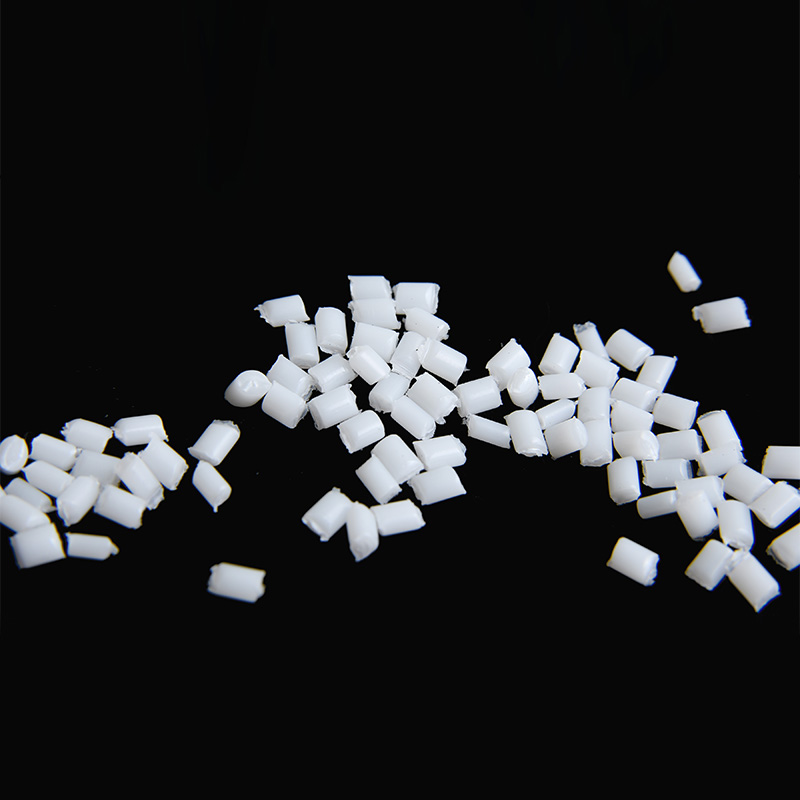
Standard Polyamide 6 (PA6) is not inherently flame resistant. In its unmodified form, PA6 is a combustible thermoplastic that will ignite when exposed to a direct flame and continue burning after the ignition source is removed. It typically achieves only a UL94 HB (Horizontal Burn) classification, which is the lowest rating on the UL94 flammability scale — meaning it burns slowly rather than self-extinguishing.
However, this is not the full story. Through the addition of flame retardant (FR) additives and reinforcing agents, PA6 can be engineered to meet significantly higher fire performance standards, including UL94 V-0 — the most stringent vertical burn classification. Understanding the difference between standard PA6 and flame retardant PA6 grades is essential when specifying materials for safety-critical applications.
How PA6 Behaves in Fire: The Basic Chemistry
Polyamide 6 is a semi-crystalline thermoplastic polymer produced by the ring-opening polymerization of caprolactam. Its backbone consists of repeating amide linkages (-CO-NH-), which give it strong mechanical properties but also define its combustion behavior.
When exposed to heat and flame, PA6 undergoes a two-stage thermal degradation process. First, at temperatures between 300°C and 400°C, the polymer chains begin to depolymerize, releasing caprolactam monomer and other volatile organic compounds. These volatiles then mix with ambient oxygen and combust, sustaining the flame. The limiting oxygen index (LOI) of standard PA6 is approximately 24–26%, meaning it requires just slightly more oxygen than is present in normal air (20.9%) to sustain combustion. This makes it technically self-extinguishing in pure oxygen-depleted environments, but readily flammable under real-world conditions.
The combustion of PA6 also produces toxic byproducts including carbon monoxide, hydrogen cyanide (in trace quantities), and nitrogen-containing compounds. This smoke and gas toxicity is an important consideration in enclosed environments such as rail carriages, aircraft cabins, and building interiors — all domains where fire regulations are particularly strict.
Key Fire Properties of Unmodified PA6
| Property | Value / Rating | Significance |
|---|---|---|
| UL94 Rating | HB | Slow horizontal burn; not self-extinguishing |
| Limiting Oxygen Index (LOI) | ~24–26% | Slightly above ambient oxygen; combustible in air |
| Ignition Temperature | ~420–450°C | Moderate resistance to ignition from external heat |
| Melting Point | ~220°C | Drips when melting, potential for fire spread |
| Smoke Density | Moderate | Relevant for enclosed-space regulations |
One additional concern with burning PA6 is melt dripping. Unlike char-forming polymers such as polycarbonate, PA6 tends to melt and drip when ignited. These flaming droplets can spread fire to adjacent materials, making the effective fire hazard greater than the polymer's own burn rate might suggest.
UL94 Ratings Explained: Where Does PA6 Fit?
The UL94 standard, published by Underwriters Laboratories, is the most widely referenced flammability classification system for plastic materials in electrical and electronic applications. Understanding what each rating means puts PA6's performance in context.
- HB (Horizontal Burn): The specimen burns at a rate of less than 76 mm/min for thicknesses below 3 mm, or stops burning before the 100 mm mark. This is the minimum classification — it does not mean the material is safe from fire propagation.
- V-2: The specimen stops burning within 30 seconds after two 10-second flame applications. Flaming drips are permitted, provided they do not ignite a cotton pad beneath the sample.
- V-1: The specimen self-extinguishes within 30 seconds. Flaming drips are allowed, but must not ignite the cotton indicator.
- V-0: The specimen self-extinguishes within 10 seconds. No flaming drips. This is the highest standard vertical burn classification and is required for most demanding electrical enclosures, connectors, and circuit breaker housings.
- 5VA / 5VB: These are flame spread ratings evaluated by a larger burner and longer flame application, used for certain housings and structural components.
Standard PA6 grades achieve only HB. Flame retardant PA6 grades can achieve V-0 at thicknesses as low as 0.4 mm, depending on the formulation. Some halogen-free FR PA6 grades are rated V-0 at 0.8 mm — a remarkable achievement considering the polymer's natural flammability. These FR grades are commercially available from major suppliers and are used in hundreds of millions of electrical components annually.
Flame Retardant Additives Used in PA6: How Manufacturers Achieve FR Grades
The fire resistance of Polyamide 6 can be substantially improved by compounding it with flame retardant systems during the melt-processing stage. Different additive chemistries work through different mechanisms, and each has tradeoffs in terms of performance, environmental profile, processing difficulty, and cost.
Halogenated Flame Retardants
Brominated flame retardants (BFRs), particularly brominated polystyrene and decabromodiphenyl ethane combined with antimony trioxide (Sb₂O₃), have historically been the most efficient FR additives for PA6. They work in the gas phase by interrupting the radical chain reaction of combustion. Loading levels of 15–20% bromine-containing compound plus 4–6% Sb₂O₃ are typically sufficient to achieve UL94 V-0 in PA6. The downsides are well-documented: restricted under RoHS for certain applications, concerns about persistent organic pollutants, and corrosive gases generated during combustion.
Halogen-Free Flame Retardants (HFFR)
Growing regulatory and customer pressure has accelerated the adoption of halogen-free FR systems in PA6. The dominant technology is based on aluminum diethylphosphinate (AlPi), often sold under trade names such as Exolit OP by Clariant. AlPi functions primarily in the gas phase, similar to halogens, but also promotes char formation in the condensed phase. A typical loading of 15–25% AlPi in PA6 GF30 (30% glass-fiber-reinforced PA6) yields a V-0 rating at 0.8 mm, with LOI values rising to 32–38% — well above what is needed for self-extinguishment in air.
Red phosphorus is another halogen-free option, especially effective in glass-fiber-reinforced PA6 grades. At loadings as low as 6–10%, it can achieve V-0 ratings. However, it imparts a red color to the part and requires careful handling due to moisture sensitivity and potential phosphine gas generation during processing.
Intumescent Systems
Intumescent flame retardants work by expanding and forming a charred, foamy protective layer on the polymer surface when heated, physically blocking heat and oxygen from reaching the underlying material. These systems are more common in polyolefins and coatings but can be adapted for PA6, particularly when low smoke toxicity is the priority — such as in mass transit and building applications.
Mineral-Based Flame Retardants
Aluminum hydroxide (ATH) and magnesium hydroxide (MDH) release water vapor when heated, cooling the burning zone and diluting combustible gases. While environmentally benign and low-smoke, they require very high loadings (typically 50–65% by weight) to achieve meaningful fire retardancy in PA6, which severely compromises mechanical properties. As a result, they are rarely used as the primary FR system in structural PA6 components.
PA6 vs. PA66 vs. Other Polyamides: Fire Performance Comparison
PA6 is often compared with its close relative PA66 (Polyamide 66), as well as with other engineering thermoplastics. In terms of inherent flammability, PA6 and PA66 are quite similar — both are HB-rated in unmodified form with LOI values in the 24–28% range. However, some differences are worth noting.
| Material | UL94 (Unmodified) | LOI (%) | Achievable FR Rating |
|---|---|---|---|
| PA6 (standard) | HB | 24–26 | V-0 (with FR additives) |
| PA66 (standard) | HB | 26–28 | V-0 (with FR additives) |
| PA12 | HB | ~23 | V-2 to V-0 |
| Polycarbonate (PC) | V-2 | ~27 | V-0 (with FR additives) |
| PBT (standard) | HB | ~21 | V-0 (with FR additives) |
| PPS | V-0 | ~44 | Inherently V-0 |
PA6 is notably easier and less expensive to compound with FR additives than PA66, partly because its lower processing temperature (roughly 230–260°C vs. 270–290°C for PA66) gives formulators more flexibility without degrading the flame retardant additive. This has made FR PA6 a commercially dominant choice in cost-sensitive, high-volume electrical components.
If inherent flame resistance is the top priority and cost is secondary, materials like polyphenylene sulfide (PPS), polyetherimide (PEI), and certain liquid crystal polymers (LCP) offer V-0 ratings without any FR additives, with LOI values often exceeding 40%. These are used where reliability under fire exposure is non-negotiable — for example, in aerospace connectors or medical device enclosures.
Applications Where Flame Retardant PA6 Is Commonly Specified
Flame retardant grades of Polyamide 6 are used across a wide range of industries where both mechanical performance and fire safety are critical requirements. The combination of PA6's excellent strength-to-weight ratio, chemical resistance, and processability with a V-0 fire rating makes it a practical choice in scenarios where other FR polymers would not meet the structural demands or would be cost-prohibitive.
Electrical and Electronic Components
This is by far the largest market segment for FR PA6. Circuit breaker housings, terminal blocks, connector bodies, relay bases, and cable management systems all frequently specify UL94 V-0 PA6 grades. IEC 60695 and UL 508 — standards governing electrical equipment enclosures — often mandate V-0 classification. FR PA6 GF30 (glass-fiber-reinforced with 30% glass content) is particularly common, as the glass fiber not only improves stiffness and dimensional stability but also enhances the FR performance by reducing melt flow and drip tendency during combustion.
Automotive Electrical Systems
With the proliferation of electric vehicles (EVs) and hybrid vehicles, the demand for flame retardant engineering plastics in under-hood and battery-adjacent applications has grown rapidly. PA6 FR grades are used for high-voltage connector housings, battery module end plates, bus bar covers, and charging port components. The global EV market's growth is expected to drive a compound annual growth rate (CAGR) of over 6% for FR polyamide consumption through 2030, according to market research reports from analysts including Grand View Research and MarketsandMarkets. These components must withstand both mechanical stress from vibration and thermal stress from proximity to high-energy systems, while meeting FMVSS and OEM-specific fire standards.
Rail and Mass Transit
The EN 45545 standard governs fire safety of railway vehicles in Europe, and its requirements go beyond UL94 — demanding low smoke density, low heat release, and low toxicity of combustion gases. Standard FR PA6 grades meeting only UL94 V-0 may not satisfy EN 45545 HL2 or HL3 requirements. Specialized low-smoke, low-toxicity (LSLT) PA6 compounds are developed for seat components, cable ducting, and interior trim in trains and metro systems. These formulations often combine phosphorus-based FR with char-promoting co-additives and are tested to NF P 92-501, ISO 5659-2, and NF X 70-100 alongside UL94.
Consumer Electronics and Appliances
Laptop chassis, power supply housings, electric tool bodies, and kitchen appliance components increasingly use halogen-free FR PA6 to satisfy both UL 94 V-0 and the halogen-free requirements of major OEMs (particularly those following IEC 61249-2-21 guidance). The aesthetic advantages of PA6 — capable of taking fine surface textures and being available in a wide color range — add to its appeal over less processable FR polymers.
Effect of Flame Retardant Additives on PA6's Mechanical Properties
A common concern when specifying FR PA6 is whether achieving a V-0 rating comes at the cost of the mechanical performance that makes PA6 attractive in the first place. The answer depends heavily on the FR system used and whether the compound is reinforced.
In unreinforced PA6, adding 20–25% halogen-free FR additives typically causes a noticeable reduction in tensile strength (from approximately 80 MPa to 55–65 MPa), elongation at break (from ~30% to 5–15%), and impact strength. This is because the FR additives are essentially inert fillers that disrupt the polymer matrix without contributing to load-bearing performance. The material becomes more brittle and notch-sensitive.
However, when FR PA6 is glass-fiber reinforced, the picture changes considerably. FR PA6 GF30 can retain tensile strength above 140 MPa and flexural modulus above 8,000 MPa, while still meeting UL94 V-0. The glass fibers compensate for the dilution effect of the FR additives on the polymer matrix, and in many cases the FR system and glass fiber work synergistically — the glass reduces dripping and the FR suppresses ignition.
| Grade | Tensile Strength (MPa) | Flexural Modulus (MPa) | Impact Strength (kJ/m²) | UL94 Rating |
|---|---|---|---|---|
| PA6 Unmodified | ~80 | ~2,800 | ~50 | HB |
| PA6 FR (unreinforced) | ~60 | ~2,500 | ~25–35 | V-0 or V-2 |
| PA6 GF30 (standard) | ~175 | ~8,500 | ~80 | HB |
| PA6 FR GF30 | ~145–160 | ~8,000–9,000 | ~60–70 | V-0 |
Moisture absorption is another consideration. PA6 absorbs more moisture than PA66 (approximately 9–10% at saturation vs. 7–8%), and absorbed moisture acts as a plasticizer, reducing stiffness and altering dimensional tolerances. For FR PA6 components in humid environments such as outdoor switchgear or marine applications, material selection must account for conditioned (moisture-equilibrated) property values rather than dry-as-molded data.
Regulatory Standards and Certifications to Know When Specifying FR PA6
Navigating fire standards for Polyamide 6 requires understanding which tests apply to your specific application and market. Different industries and geographies use different standards, and a material that passes one test may not comply with another.
- UL 94 (USA / Global E&E): The standard for flammability of plastic materials used in devices and appliances. V-0 is required for most demanding electrical housings. UL-listed FR PA6 grades carry a specific UL Yellow Card with the tested thicknesses and colors.
- IEC 60695-11-10: The international equivalent of UL94 for vertical and horizontal burn testing, used in IEC-compliant markets including the EU, China, Japan, and South Korea.
- GWFI / GWIT (IEC 60695-2-12 / -2-13): Glow Wire Flammability Index and Glow Wire Ignition Temperature tests simulate the ignition risk from an overloaded resistor or glow wire inside electrical equipment. FR PA6 grades need to be tested separately for GWFI (typically 960°C requirement) and GWIT, as a V-0 rating does not automatically guarantee glow wire performance.
- EN 45545 (Railway): The European standard for fire protection in railway vehicles. It classifies materials across hazard levels (HL1, HL2, HL3) for different vehicle types and operational scenarios, with HL3 being the most stringent (e.g., for very long tunnels). Tests include cone calorimeter (ISO 5660-1), smoke density (ISO 5659-2), and gas toxicity (NF X 70-100).
- RoHS Directive (EU 2011/65/EU, amended 2015/863/EU): Restricts the use of certain hazardous substances including some brominated flame retardants (PBB and PBDE) in electrical and electronic equipment. Many customers now require full RoHS compliance plus halogen-free status per IEC 61249-2-21.
- REACH (EC 1907/2006): Requires substance registration and may restrict certain FR additives identified as substances of very high concern (SVHCs). Suppliers of FR PA6 compounds should provide up-to-date REACH declarations covering the specific additives used.
One practical consideration: a V-0 rating is specific to the tested color and thickness on the UL Yellow Card. A PA6 FR grade listed as V-0 at 0.8 mm in black may not hold that rating in red or yellow, because pigments can affect combustion behavior. Always verify that the specific color and wall thickness of your part are covered by the supplier's UL listing before finalizing the design.
Practical Selection Guide: When to Use Standard PA6 vs. FR PA6
Choosing between standard and flame retardant grades of Polyamide 6 involves weighing fire safety requirements against cost, mechanical performance, processing characteristics, and regulatory obligations. The following guidance covers the most common decision points.
Use Standard PA6 When:
- The application has no specific fire safety standard requirement and operates away from potential ignition sources.
- Maximum mechanical performance (especially impact strength and elongation) is more critical than fire behavior.
- The part is used in structural, wear, or fluid-handling applications such as gears, bearings, pump housings, or cable ties in non-electrical contexts.
- Cost is a primary constraint and the end-use environment does not present a fire risk that requires mitigation.
Use Flame Retardant PA6 When:
- The application falls under a standard requiring UL94 V-0 or V-2 (e.g., IEC 60669 switch housings, IEC 60317 connectors, IEC 60947 control gear).
- The component is in close proximity to live electrical circuits or heat-generating elements where ignition is plausible.
- The OEM has halogen-free material requirements driven by customer specifications or regional legislation.
- The part is destined for rail, aerospace, or mass transit applications governed by EN 45545 or equivalent standards.
- Product liability risk in the event of fire is a concern, and documented compliance with a fire standard is needed for insurance or certification purposes.
FR PA6 commands a price premium of roughly 15–40% over standard PA6 depending on the FR system and whether glass reinforcement is also included. For high-volume production runs in which fire compliance is mandatory, this premium is typically well justified compared to the cost and risk of using a non-compliant material and facing field failures or product recalls.
Notable Commercial FR PA6 Grades and Suppliers
Several global polymer compounders produce well-established FR PA6 product lines with documented UL listings and broad regulatory compliance data. The following are among the most widely specified in engineering design.
- BASF Ultramid B3ZG6: A glass-fiber-reinforced PA6 FR grade with 30% GF content and V-0 certification. Widely used in electrical connectors and miniature circuit breakers. Halogen-free version available as Ultramid B3ZG6 HR.
- DSM / Envalior Akulon K224-HG6 FR: A halogen-free PA6 GF30 grade meeting V-0 at 0.75 mm, commonly used in automotive electrical systems and consumer electronics. Provides excellent tracking resistance (CTI ≥ 600V).
- Lanxess Durethan BKV 30 FN04: A halogen-free FR PA6 with 30% glass reinforcement. This grade carries UL94 V-0 at 0.8 mm and meets GWFI 960°C / GWIT 775°C, making it suitable for demanding IEC 60335 appliance applications.
- Solvay Technyl A 218 V30 Black: A black PA6 GF30 grade rated V-0, with good long-term thermal stability for use in under-hood automotive electrical housings exposed to elevated temperatures.
- Radici Radilon A RV300 NHF: A halogen-free FR PA6 GF30 with V-0 classification, widely used in European electrical switchgear and rail component applications.
When evaluating commercial FR PA6 grades, always request the full UL Yellow Card, the safety data sheet (SDS), and ideally third-party test data for glow wire resistance and CTI (comparative tracking index), as these properties are not captured by UL94 alone and are frequently specified in IEC standards for electrical equipment.
Summary: What You Need to Know About PA6 and Flame Resistance
To bring all the key points together: standard Polyamide 6 is not flame resistant and should not be used in applications where fire safety compliance is required. Its UL94 HB rating and LOI of approximately 24–26% place it firmly in the category of combustible engineering thermoplastics. It burns, drips, and does not self-extinguish under normal atmospheric conditions.
That said, PA6 is an exceptionally versatile base polymer. When compounded with appropriate flame retardant additives — especially halogen-free phosphinate systems in glass-fiber-reinforced formulations — it becomes a high-performing, V-0-rated engineering material that meets the most demanding requirements of the electrical, automotive, and rail industries. FR PA6 GF30 grades routinely achieve UL94 V-0 at 0.8 mm while maintaining tensile strengths above 140 MPa, demonstrating that fire safety and structural performance do not have to be mutually exclusive.
The decision to use standard or FR PA6 should be driven by a clear understanding of applicable fire standards, the specific fire risk profile of the application environment, and the mechanical and processing constraints of the design. When in doubt, specifying an FR grade — particularly a halogen-free one with a documented UL listing — is the lower-risk path in any application where fire exposure is even a remote possibility.
 Mob: +86-15867822829
 Tel: +86-0574-62538663
 Fax: +86-0574-62530664
 E-mail:
 Follow Us
 Home
Home
