


 English
 中文简体
中文简体 Español
 русский
 عربى
عربى
Content
- 1 What Is Polyamide Fabric? A Definition That Actually Makes Sense
- 2 How Polyamide Fabric Is Made: From Polymer Chips to Finished Yarn
- 3 Key Properties of Polyamide Fabric: Strength, Elasticity, and Everyday Performance
- 4 Pros and Cons of Polyamide Fabric: What to Weigh Before You Buy
- 5 Polyamide vs Polyester: How Do They Actually Differ?
- 6 What Is Polyamide Fabric Used For? From Leggings to Seatbelts
- 7 Environmental Impact: Microplastics and the Shift to Recycled Polyamide
- 8 How to Care for Polyamide Fabric So It Lasts
- 9 Frequently Asked Questions About Polyamide Fabric
- 9.1 Is polyamide the same as nylon?
- 9.2 Does polyamide fabric breathe?
- 9.3 Does polyamide shrink?
- 9.4 Is polyamide good for winter?
- 9.5 Is polyamide waterproof?
- 9.6 Does polyamide fade in sunlight?
- 9.7 Is polyamide better than polyester for activewear?
- 9.8 Can polyamide fabric be recycled?
- 9.9 Does polyamide hold odor?
- 9.10 How much does polyamide fabric cost?
- 9.11 Does polyamide stretch out over time?
- 9.12 Is polyamide fabric hypoallergenic?
Polyamide fabric is a synthetic textile made from petroleum-derived polymers, and the most practical way to understand it is to call it by its common name: nylon. Polyamide and nylon are used interchangeably in the garment industry, but the two words describe slightly different levels of chemistry. If you are choosing fabric for activewear, outdoor gear, or truly everyday clothing, polyamide is the material known for its high strength, excellent elasticity, and long service life.
When a garment label says "polyamide," it is telling you that the fiber belongs to the same chemical family as nylon. In practical terms, that means the fabric will feel smooth, recover its shape well, and resist abrasion. It may not be the most breathable option, and it can fade in the sun, but in terms of pure mechanical performance, polyamide is an exceptional material.
The textile industry also calls it "nylon," which was the original brand name of the first polyamide fiber. Today, the two words are used interchangeably in most fabric descriptions, and buyers should treat them as the same material for garment selection.
What Is Polyamide Fabric? A Definition That Actually Makes Sense
Polyamide is a polymer built from repeating units linked by amide bonds. In textile terms, this means a fiber whose molecular chain contains amide groups along its length. The most famous polyamide is nylon, first invented in 1935 by an American chemist, Wallace Carothers. Since then, the word "nylon" has become a generic term for polyamide textiles in the United States and the United Kingdom, while many European labels say "polyamide."
Not all polyamides are the same, though. The two most common textile grades are PA6 and PA66, named after the monomers used to create them. PA6 is made from caprolactam, while PA66 is made from hexamethylenediamine and adipic acid. Both can be spun into yarn, but they have different temperature thresholds. PA66 has a higher melting point, around 262°C, and is often chosen for more demanding technical applications. PA6 is easier to dye and generally more affordable.
For a fabric buyer or designer, the key takeaway is simple: when a label says polyamide, it almost always means nylon-based fiber. There is no practical difference for most garments, and the performance characteristics are identical to what consumers know as nylon.
How Polyamide Fabric Is Made: From Polymer Chips to Finished Yarn
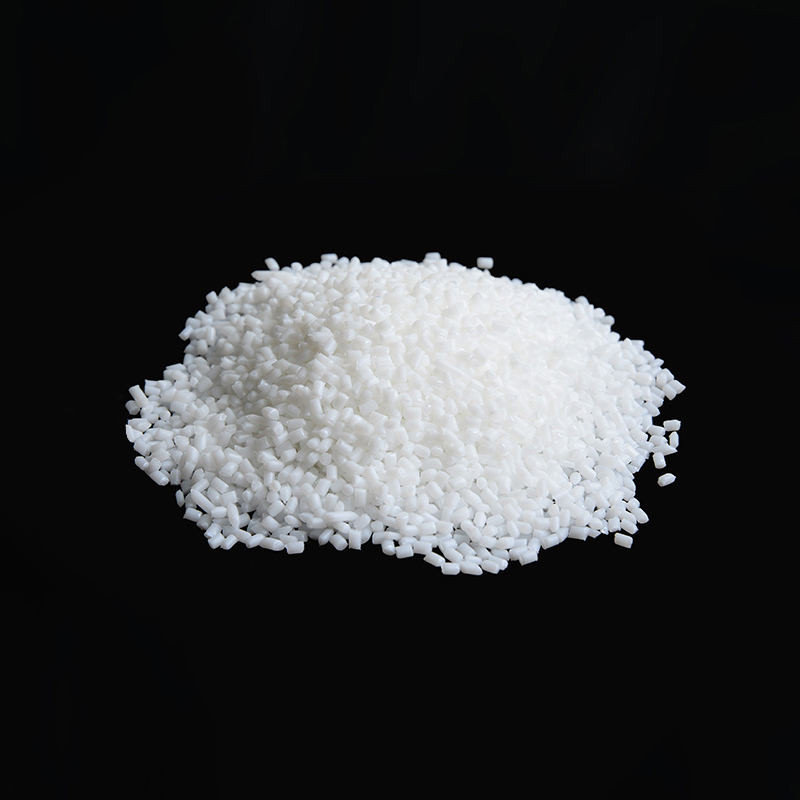
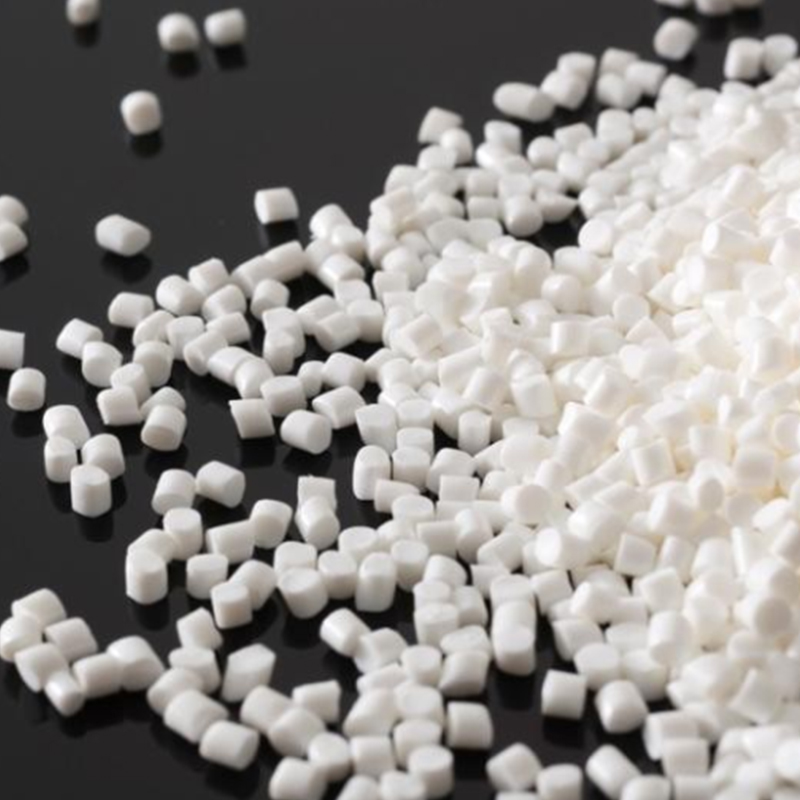
The journey from raw material to fabric starts with polyamide chips, also called granules or pellets. These small pieces of plastic are the raw polymer that textile producers melt and spin into fiber. The production process has four main steps:
- Polymerization. For PA6, caprolactam is polymerized under heat and pressure to form long molecular chains. For PA66, adipic acid and hexamethylenediamine react to create nylon salt, which is then polymerized.
- Melt spinning. The polymer chips are melted and pushed through a spinneret, a plate with fine holes. The melted polymer exits as thin strings and solidifies as it cools.
- Drawing. The filaments are stretched to align the polymer chains. This step gives the fiber its strength and elasticity.
- Texturizing. The yarn is crimped to add bulk and a softer hand feel, making it suitable for knitting and weaving.
The quality of the final fabric depends heavily on the quality of the chips. Contaminants, inconsistent molecular weight, or poor thermal stability upstream can cause filament breaks and uneven dyeing downstream. This is why reputable yarn mills pay close attention to the raw material they buy.
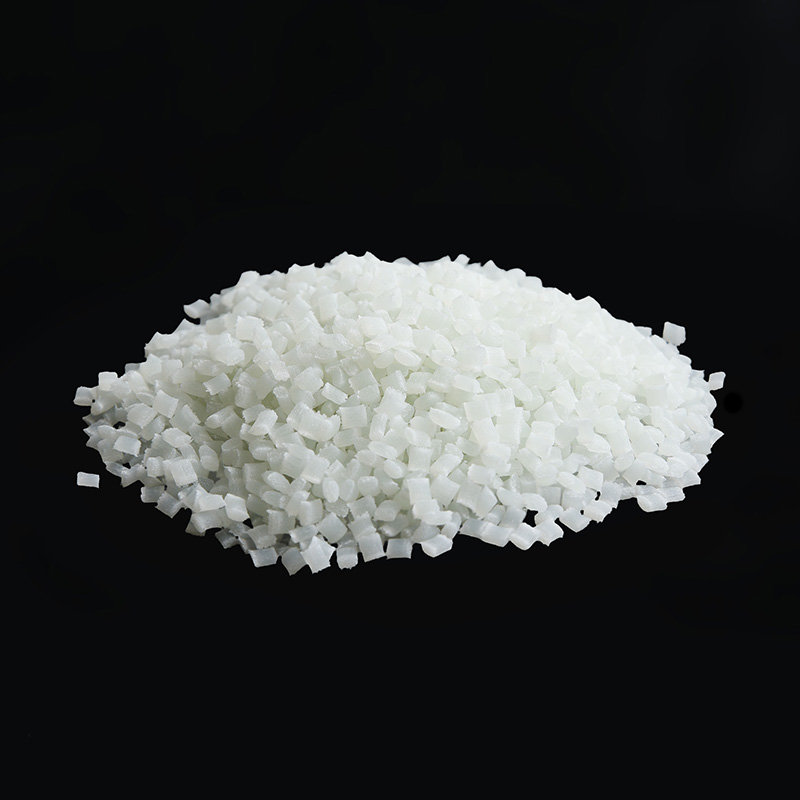 Premium Nylon 6 Chips for Reliable Fiber ProductionThese PA6 chips are engineered for high-speed spinning and engineering plastics, ensuring consistent quality that minimizes filament breaks and uneven dyeing in downstream processes.View Product →
Key Properties of Polyamide Fabric: Strength, Elasticity, and Everyday Performance
Polyamide owes its reputation to its molecular structure. The amide bonds form strong hydrogen bonds between adjacent polymer chains, which gives the fiber remarkable tensile strength. It can stretch up to 300 to 400 percent before breaking and recover almost fully afterward. That is why activewear leggings and swimwear feel snug yet comfortable.
The table below summarizes typical polyamide fabric properties, based on standard textile literature and manufacturer data sheets.
| Property | Typical Value | Why It Matters |
|---|---|---|
| Tensile strength | 7-9 g/denier | Less material needed for the same strength |
| Elastic recovery | 90-100% after 5% stretch | Keeps shape in leggings and swimwear |
| Abrasion resistance | Excellent | Lasts longer in socks and upholstery |
| Moisture regain | 4-4.5% | Wicks moisture but absorbs less sweat than cotton |
| Melting point | PA6: 220°C / PA66: 262°C | Limits heat setting and ironing |
| UV resistance | Poor to moderate | Fades in direct sunlight without stabilizers |
The most overlooked property is UV resistance. Polyamide fiber degrades and yellowing under prolonged exposure to sunlight. For outdoor products, manufacturers add UV stabilizers during the spinning process, or they blend polyamide with polyester to balance the weakness.
Pros and Cons of Polyamide Fabric: What to Weigh Before You Buy
The strength and elasticity of polyamide make it a favorite for sportswear, but the material also has trade-offs. Here is a clear breakdown.
Pros
- High strength-to-weight ratio. Polyamide is one of the strongest fibers per gram.
- Excellent elasticity. It stretches and recovers without losing shape.
- Quick-drying. It sheds surface moisture faster than cotton.
- Resistant to mold, mildew, and insects. This makes it suitable for travel and outdoor gear.
- Lightweight comfort. It can be woven into light yet strong fabric.
Cons
- Low UV resistance. Colors fade and fibers weaken in constant sunlight.
- Static electricity. It builds up static charge, which attracts dust and causes cling.
- Odor retention. It holds onto body oils and smells more than polyester.
- Microplastic shedding. Every wash releases tiny fibers into wastewater.
- Higher cost. Polyamide is more expensive to produce than polyester.
Polyamide vs Polyester: How Do They Actually Differ?
Polyamide and polyester are the two dominant synthetic fibers. They look similar in a garment, but their chemistry and feel are different. If you are comparing sportswear or technical textiles, the differences below matter.
| Factor | Polyamide (Nylon) | Polyester |
|---|---|---|
| Hand feel | Softer, silkier | Crisper, slightly stiffer |
| Elasticity | Higher | Moderate |
| Breathability | Slightly lower | Slightly higher |
| Moisture absorption | 4-4.5% | 0.4% |
| UV resistance | Low | High |
| Price | Higher | Lower |
For a deeper look into the chemistry of nylon, read our guide on what nylon material is.
The practical rule: choose polyamide when you need stretch and silky comfort; choose polyester when budget and UV stability are priorities.
What Is Polyamide Fabric Used For? From Leggings to Seatbelts
The volume of polyamide consumed by the textile industry is enormous, but the same resin also feeds the engineering plastics sector. Its applications span several industries:
- Apparel. Leggings, running shorts, swimwear, socks, innerwear, and performance base layers.
- Home furnishings. Carpets, rugs, upholstery fabrics, and curtains.
- Outdoor gear. Tents, backpacks, climbing ropes, paraglider canopies, and fishing nets.
- Industrial textiles. Conveyor belts, seatbelts, airbags, truck tarpaulins, and safety harnesses.
- Engineering plastics. Automotive components, small appliances, power tool housings, and electrical connectors.
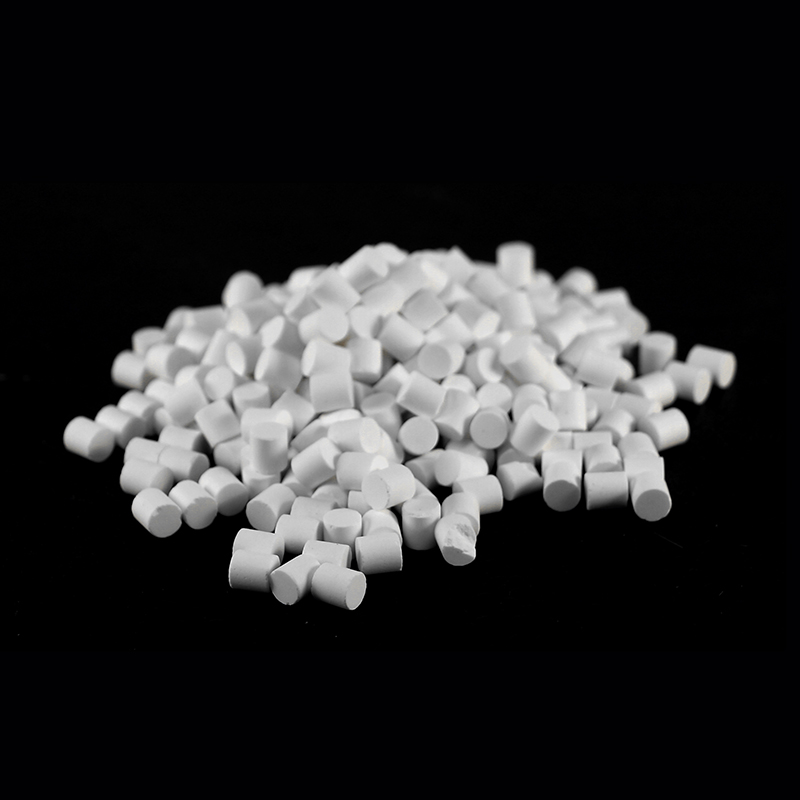
In the engineering plastics area, polyamide is rarely used without reinforcement. Glass fibers or mineral fillers are added to improve stiffness and dimensional stability. That is why our enhanced PA6 chips are offered specifically for injection-molding customers who need added rigidity.
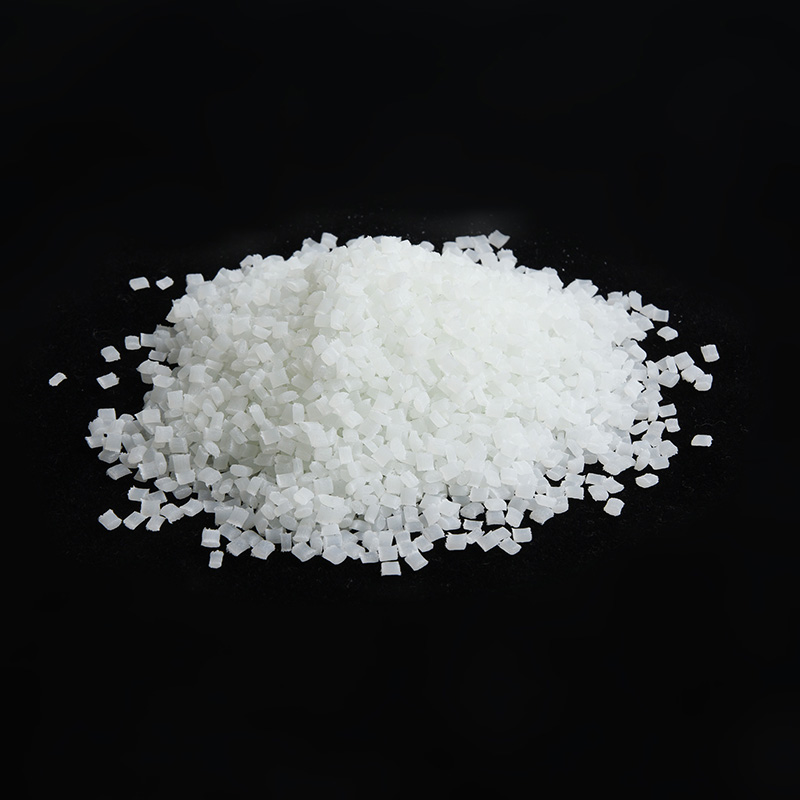 Reinforced PA6 Chips for High-Rigidity Injection MoldingEnhanced with glass or mineral fillers, these PA6 chips provide superior stiffness, dimensional stability, and heat resistance, making them ideal for automotive and industrial components.View Product →
Environmental Impact: Microplastics and the Shift to Recycled Polyamide
Polyamide has a legitimate environmental cost. The polymerization process consumes significant energy, and washing polyamide fabric releases microfibers that enter waterways. These microfibers are one of the largest sources of microplastic pollution in marine environments.
Better processing options and mechanical recycling are changing the picture. Recycled polyamide granules are made from post-industrial waste, old fishing nets, and discarded fiber. These materials are cleaned, shredded, and re-melted. The result is a yarn with performance very close to virgin polyamide while using less energy and producing less waste.
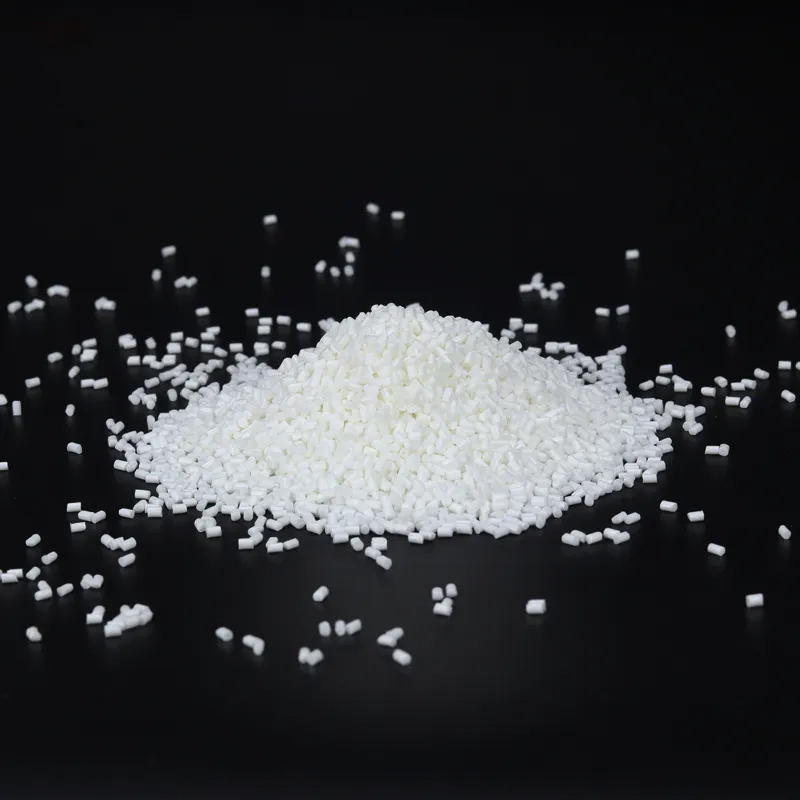
If you are sourcing yarn or pellets, ask your supplier whether they can provide a recycled grade. Our recycled polyamide granules are intended for customers who want a sustainable content story without giving up mechanical performance. Read our article about the role of recycled polyamide granules in the circular economy.
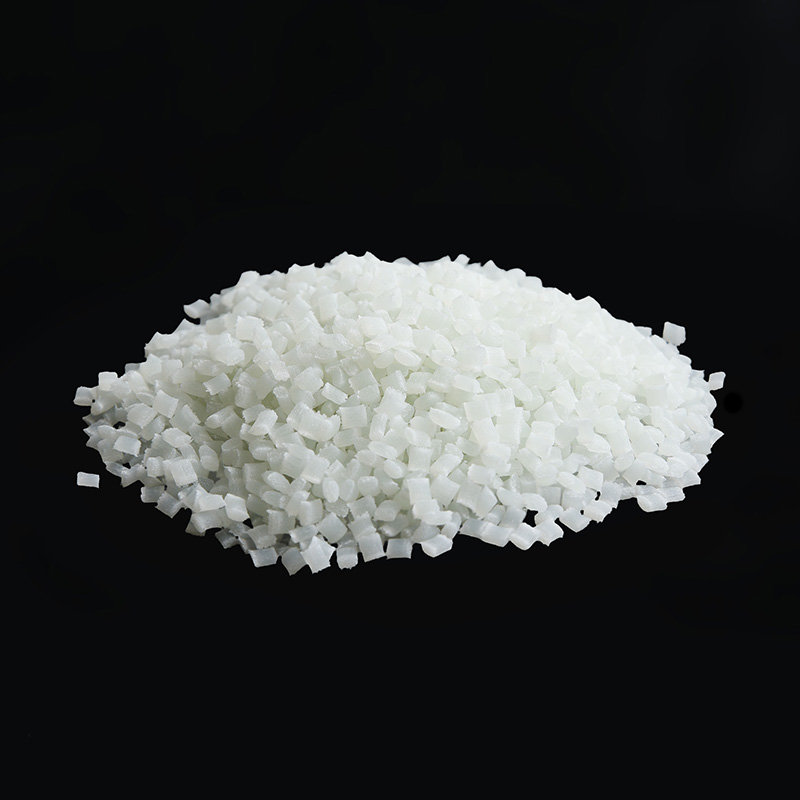 Recycled Polyamide Granules with Consistent Mechanical PerformanceThese granules offer a sustainable alternative without compromising strength or durability, suitable for customers seeking circular economy solutions in textiles and engineering plastics.View Product →
How to Care for Polyamide Fabric So It Lasts
Polyamide is durable, but improper care can still cause pilling, shrinkage, or loss of stretch. Follow these simple rules to preserve the fabric's performance:
- Wash at 30°C in a gentle cycle with similar colors.
- Use a mild detergent and avoid bleach.
- Do not tumble dry on high heat. Low heat or air drying is safer.
- Iron on low heat only if needed, using a damp cloth to protect the fiber.
- Store polyamide garments away from direct sunlight to minimize fading.
For activewear, washing with a microfiber-filtering laundry bag can reduce shedding. This is a practical step for anyone who cares about microplastic pollution.
Frequently Asked Questions About Polyamide Fabric
Is polyamide the same as nylon?
Yes, for textile purposes. Nylon is the original commercial name for the first polyamide. All nylon fibers are polyamides, but not all polyamides are nylon. The two terms are interchangeable in most garment contexts.
Does polyamide fabric breathe?
Polyamide is less breathable than cotton or linen, but more breathable than heavily coated synthetic materials. Micro-nylon and moisture-wicking finishes can improve airflow.
Does polyamide shrink?
Quality polyamide is dimensionally stable. Low-quality fabric can shrink if washed in hot water or dried on high heat. Adhere to the care label.
Is polyamide good for winter?
By itself, polyamide is not insulating. However, it works well as a base layer underneath fleece because it is lightweight, manages moisture, and retains shape.
Is polyamide waterproof?
No. Polyamide absorbs some moisture and is not naturally waterproof. For rainwear, a waterproof coating or membrane is required.
Does polyamide fade in sunlight?
Yes. Polyamide is UV-sensitive. Color fading and strength loss occur over time, although UV stabilizers can slow the process.
Is polyamide better than polyester for activewear?
If you prioritize stretch, softness, and recovery, polyamide is the better choice. If you want a lower price and better color fastness in sunlight, polyester wins.
Can polyamide fabric be recycled?
Yes. Recycled polyamide is produced from textile waste, fishing nets, and industrial scrap. It offers a practical path to reducing the environmental footprint.
Does polyamide hold odor?
Yes. Polyamide retains body oils and smells more than polyester. Antimicrobial treatments are common in high-performance activewear.
How much does polyamide fabric cost?
Polyamide typically costs 20-30% more than polyester of equal quality. The price depends on yarn count, finishing, and whether the fiber is virgin or recycled.
Does polyamide stretch out over time?
No. High-quality polyamide recovers remarkably well. Loss of stretch is usually a sign of poor fabric construction or incorrect washing.
Is polyamide fabric hypoallergenic?
Polyamide is non-toxic and does not cause allergies in most people. However, acidic dyes used in some batches can trigger skin sensitivity in rare cases.
Polyamide fabric is a synthetic material that combines strength, elasticity, and durability in a way few other fibers can match. It powers sports clothes, technical textiles, countless everyday garments, and engineering parts. The trade-offs are real—UV sensitivity, microplastics, and price—but they are manageable with thoughtful product design and proper care.
Whether you are a buyer, designer, or just a consumer, understanding what polyamide is gives you a clear advantage. The fabric is reliable, adaptable, and still evolving, especially with the rise of recycled grades that reduce waste. If you need a fiber that can stretch, recover, and outlast harsh conditions, polyamide is the answer.

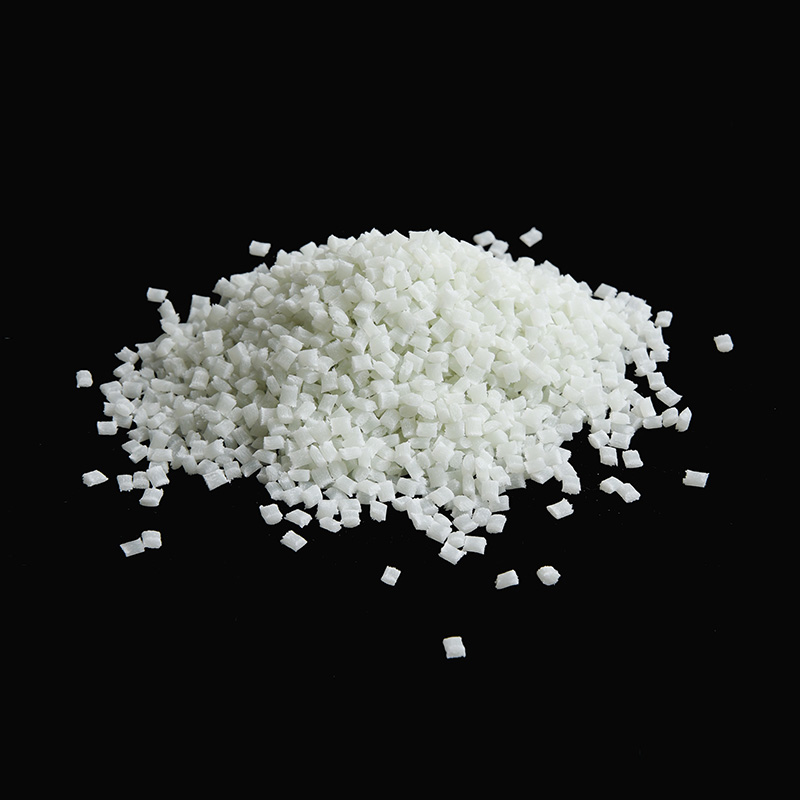
 Mob: +86-15867822829
 Tel: +86-0574-62538663
 Fax: +86-0574-62530664
 E-mail:
 Follow Us
 Home
Home
