


 English
 中文简体
中文简体 Español
 русский
 عربى
عربى
Content
- 1 How Is High Density Polyethylene Made: The Direct Answer
- 2 Step One: Producing the Ethylene Feedstock
- 3 The Catalyst Systems That Define HDPE Structure
- 4 Slurry-Phase Polymerization: The Loop Reactor Method
- 5 Gas-Phase Polymerization
- 6 Solution Polymerization
- 7 From Reactor Powder to Finished Pellet: Compounding and Extrusion
- 8 Why Chain Structure Controls Density and Performance
- 9 HDPE Versus Engineering Plastics Like Polyamide 66
- 10 Common HDPE Grades and How Manufacturing Adjusts to Fit Them
- 11 A Brief History of How HDPE Manufacturing Came to Be
- 12 Reactor Engineering: How Producers Control Heat, Pressure, and Residence Time
- 13 Comonomer Chemistry: Why a Small Percentage Changes Everything
- 14 Molecular Weight Distribution and Bimodal Reactor Technology
- 15 Global HDPE Production Capacity and Regional Trends
- 16 Environmental and Safety Controls Inside an HDPE Plant
- 17 Where Manufacturing Choices Show Up in Finished HDPE Products
- 18 Where HDPE Manufacturing Is Heading Next
- 19 Sustainability and Recycling Considerations in Current Production
- 20 Frequently Asked Questions
- 20.1 What raw material is HDPE made from?
- 20.2 What catalyst is used to make HDPE?
- 20.3 Is HDPE production a chemical reaction?
- 20.4 What is the difference between HDPE and LDPE manufacturing?
- 20.5 Can HDPE and Polyamide 66 be processed on the same equipment?
- 20.6 How long does the HDPE production process take from ethylene to pellet?
- 20.7 Why is HDPE resistant to chemicals?
- 20.8 What is bimodal HDPE and why does it matter for pipe applications?
- 20.9 Does HDPE production create hazardous emissions?
- 20.10 How is recycled HDPE incorporated back into new production?
- 20.11 What is the difference between HDPE and Polyamide 66 in terms of how they are manufactured?
- 20.12 Why do some HDPE grades use hydrogen gas during production?
- 20.13 Can HDPE manufacturing produce different colors and grades from a single plant?
How Is High Density Polyethylene Made: The Direct Answer
High density polyethylene (HDPE) is produced by polymerizing ethylene gas under low pressure with a Ziegler-Natta, chromium (Phillips), or metallocene catalyst, which links thousands of ethylene monomers into long, straight molecular chains with very little branching. This straight-chain structure is what gives HDPE its signature density of 0.941 to 0.965 g/cm3 and its stiffness, chemical resistance, and strength. The ethylene feedstock itself is produced first by steam-cracking natural gas liquids or naphtha, then purified before it ever reaches a reactor. From there, the resin passes through polymerization, degassing, additive compounding, extrusion, and pelletizing before it becomes the raw material that molders and extruders turn into pipe, bottles, film, and tanks.
Three industrial processes dominate current HDPE production: slurry-phase polymerization, gas-phase polymerization, and solution polymerization. Each method changes reactor conditions, but the underlying chemistry is the same coordination polymerization reaction first commercialized by Karl Ziegler and Giulio Natta in the 1950s. The remainder of this article walks through every stage of that process in detail, compares HDPE to other polymer families including Polyamide 66, and answers the most common technical questions buyers and engineers ask about HDPE resin production.
Step One: Producing the Ethylene Feedstock
Before any polymer chain can form, raw ethylene gas has to be isolated at high purity, typically above 99.9 percent. Producers achieve this through steam cracking, a process where hydrocarbon feedstocks such as ethane, propane, or naphtha are heated to between 750 and 950 degrees Celsius inside tubular furnaces for a fraction of a second. The extreme heat breaks the long carbon chains of the feedstock into smaller olefin molecules, with ethylene making up the largest single output stream.
Cracking Feedstock Choices
Ethane-based cracking, common in North America because of shale gas supply, yields a cleaner ethylene stream with fewer heavy byproducts. Naphtha-based cracking, more common in Asia and Europe, produces a broader slate of co-products such as propylene and butadiene alongside ethylene, which changes the overall plant economics.
Purification Before Polymerization
After cracking, the gas stream moves through a sequence of compression, chilling, and distillation towers that separate ethylene from methane, hydrogen, propylene, and heavier fractions. Trace impurities such as acetylene, carbon monoxide, and sulfur compounds are removed at this stage because even a few parts per million can poison the catalyst used later in polymerization. This purification train is one of the most capital-intensive parts of an integrated HDPE plant, and it is the reason most large HDPE producers build their reactors next to a cracker rather than shipping ethylene long distances.
The Catalyst Systems That Define HDPE Structure
The catalyst is the single biggest variable separating HDPE from other polyethylene grades. Because ethylene polymerizes with almost no help from heat or pressure alone, a catalyst is required to coordinate monomer units and control how the chain grows. Three catalyst families are used commercially today.
| Catalyst Type | Typical Reactor Temp | Molecular Weight Distribution | Common Process |
|---|---|---|---|
| Ziegler-Natta (titanium chloride) | 70 to 90 C | Broad | Slurry, gas-phase |
| Phillips (chromium oxide on silica) | 85 to 110 C | Broad to bimodal | Slurry loop |
| Metallocene (single-site) | 60 to 85 C | Narrow | Gas-phase, solution |
Ziegler-Natta catalysts remain the most widely used because they are inexpensive and give producers flexibility to tune density and molecular weight by adjusting hydrogen levels and comonomer feed. Phillips catalysts, developed by Robert Banks and John Hogan at Phillips Petroleum in 1951, produce especially high-stiffness HDPE and are the backbone of most pipe-grade resin. Metallocene catalysts, commercialized starting in the 1990s, give the most uniform chain structure and are favored for film and specialty applications where consistency matters more than raw cost.
Slurry-Phase Polymerization: The Loop Reactor Method
Slurry polymerization is the most common commercial route for HDPE. Ethylene, a hydrocarbon diluent such as isobutane, hydrogen, and the catalyst are fed continuously into a loop-shaped reactor. As polymerization occurs, solid HDPE particles form and stay suspended in the liquid diluent, which is why the process is called slurry.
- Ethylene and diluent are pumped into the loop reactor along with catalyst and, if a copolymer grade is needed, a small amount of comonomer such as 1-hexene.
- Hydrogen gas is metered in to control chain length, since hydrogen terminates growing polymer chains through chain transfer reactions.
- The reaction runs at roughly 85 to 110 degrees Celsius and 30 to 45 bar of pressure, with the slurry circulated continuously by an axial pump.
- Settling legs periodically withdraw concentrated slurry, which then moves to flash tanks where diluent is separated for recovery and reuse.
- The remaining HDPE powder, sometimes called fluff, is dried and sent to compounding.
Loop reactors are prized because a single train can produce thousands of tons per day with residence times under two hours, and because modern designs allow bimodal resin production by running two reactors in series, one producing low molecular weight chains and one producing high molecular weight chains, which are blended in situ to give pipe resin exceptional slow crack growth resistance.
Gas-Phase Polymerization
Gas-phase polymerization skips the liquid diluent entirely. Ethylene gas, hydrogen, and catalyst are introduced into a fluidized bed reactor where growing polymer granules are kept suspended by an upward flow of recycled gas. As the reaction proceeds, granules grow from micron-sized catalyst particles to pellets roughly 500 to 1000 microns across.
Why Producers Choose Gas-Phase
Gas-phase plants avoid diluent recovery equipment, which lowers capital cost and eliminates a category of volatile organic compound emissions. The process also handles a wide density range, letting a single reactor train switch between HDPE and linear low density polyethylene grades by adjusting comonomer ratio. Cooling is managed by recycling unreacted gas through an external heat exchanger, since the fluidized bed itself has limited capacity to dissipate the heat of an exothermic polymerization reaction.
Solution Polymerization
In solution polymerization, ethylene and catalyst are dissolved in a hydrocarbon solvent such as cyclohexane at temperatures above the melting point of the polymer, typically 130 to 250 degrees Celsius. Because the polymer stays dissolved rather than precipitating as a solid, reaction and viscosity control differ substantially from slurry or gas-phase routes.
Solution processes run at higher temperature and shorter residence time, often under five minutes, which makes them well suited to specialty and metallocene-catalyzed grades where tight molecular weight control is the priority. After polymerization, the solvent is flashed off under vacuum and recycled, and the molten polymer is sent directly to pelletizing without a separate drying step.
From Reactor Powder to Finished Pellet: Compounding and Extrusion
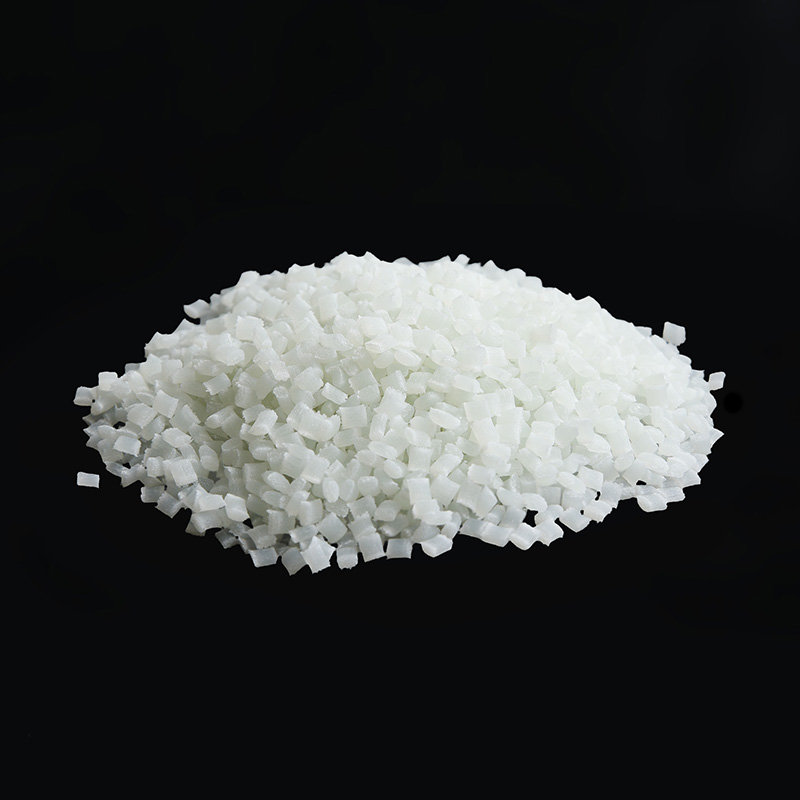
Regardless of which reactor technology is used, raw HDPE leaving the polymerization stage is a fine powder or granule, not the uniform pellet that molders purchase. Finishing converts reactor-grade resin into a stable, additive-protected pellet ready for extrusion, blow molding, or injection molding.
Additive Compounding
Antioxidants, typically phenolic and phosphite stabilizers, are blended in first to prevent thermal degradation during melt processing. UV stabilizers, carbon black, colorants, and slip or antiblock agents are added depending on the target application. Pipe-grade HDPE commonly receives 2 to 2.5 percent carbon black loading specifically for ultraviolet resistance in outdoor installations.
Melt Extrusion and Pelletizing
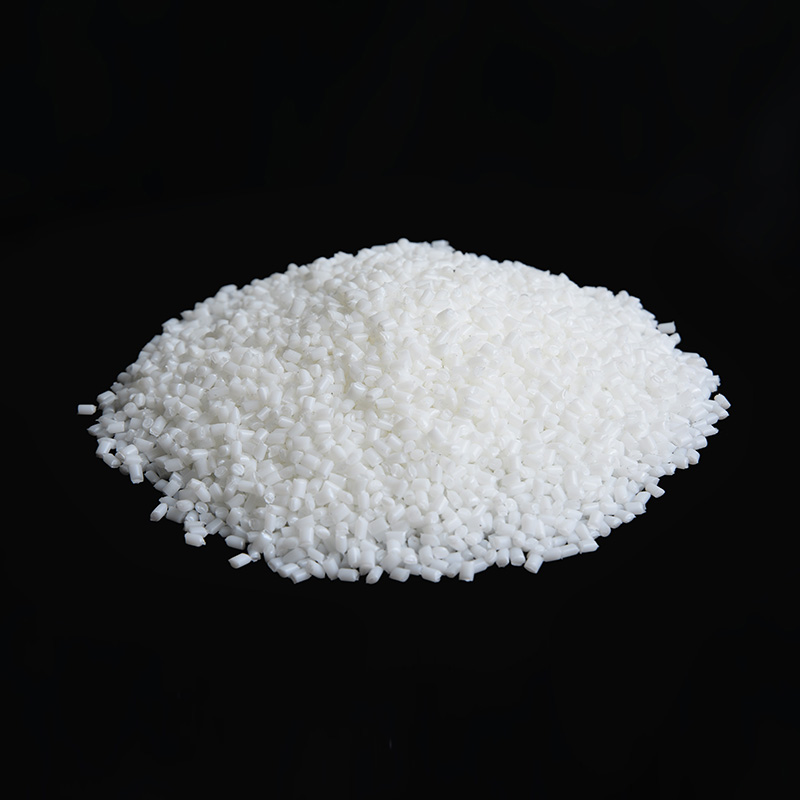
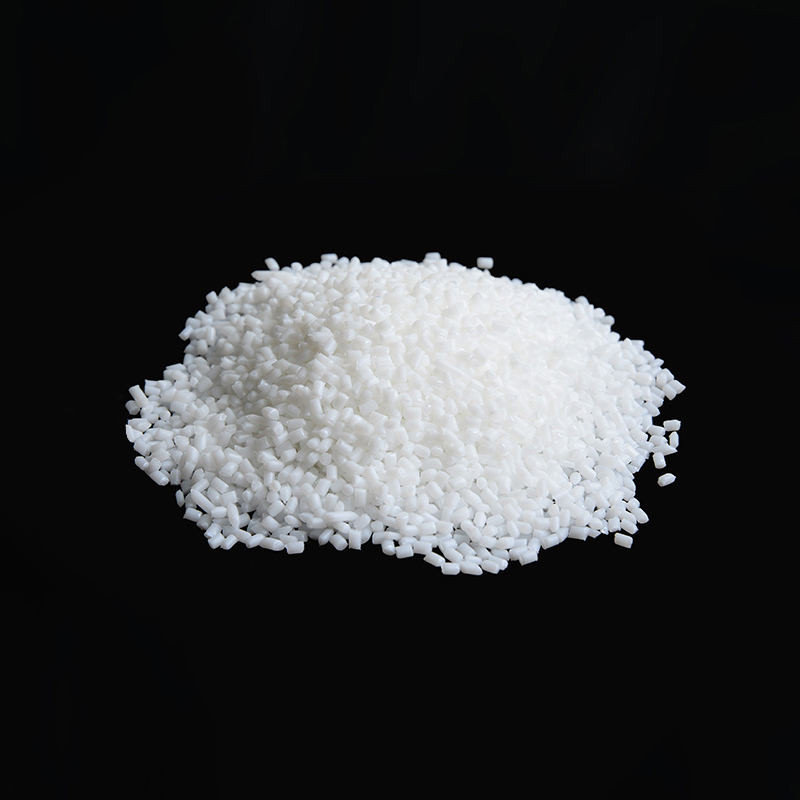
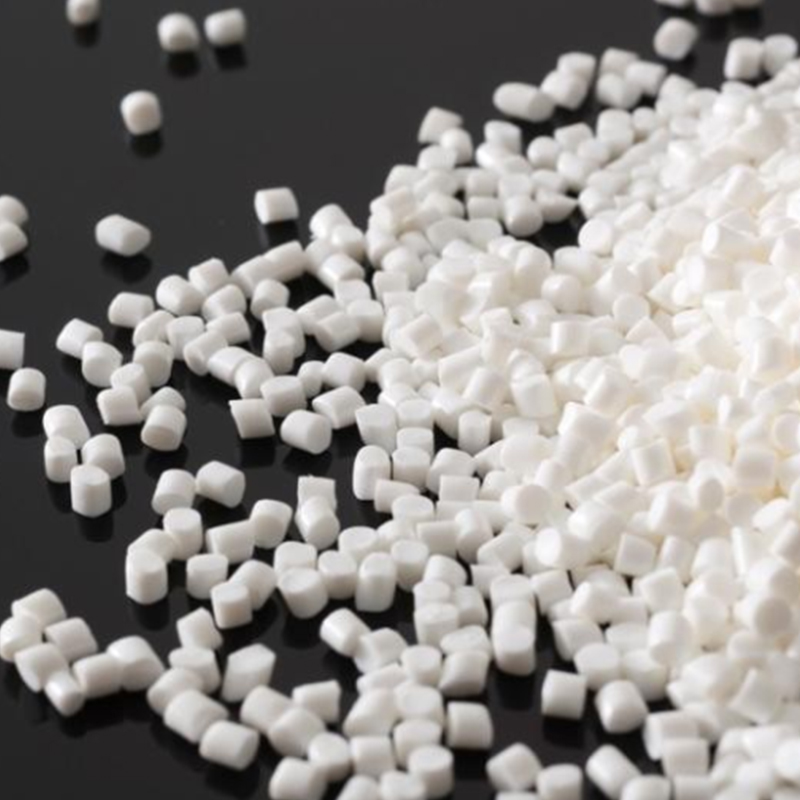
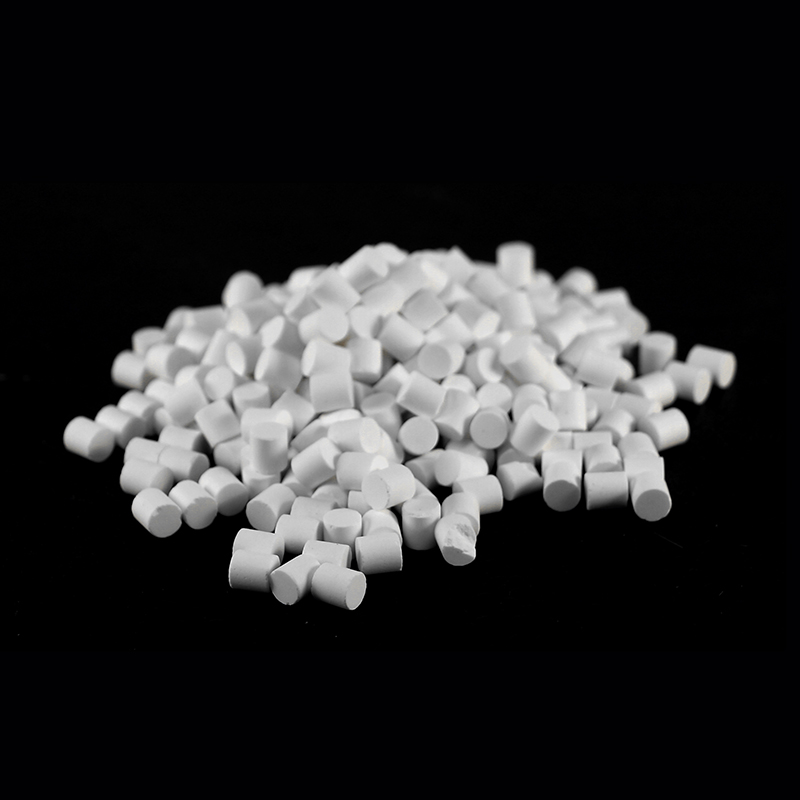
The powder and additive package are fed into a twin-screw extruder, where mechanical shear and barrel heating melt the resin homogeneously, typically between 200 and 260 degrees Celsius depending on grade. The molten polymer is pushed through a die plate into strands, which are cooled in a water bath and cut into uniform pellets by a rotating cutter. Quality teams sample pellets continuously for melt flow index, density, and gel content before releasing a production lot.
Quality Testing Parameters
| Property | Test Method | Typical Range |
|---|---|---|
| Density | ASTM D792 | 0.941 to 0.965 g/cm3 |
| Melt flow index | ASTM D1238 | 0.05 to 40 g/10 min |
| Tensile strength at yield | ASTM D638 | 20 to 32 MPa |
| Environmental stress crack resistance | ASTM D1693 | 100 to 5000+ hours |
Why Chain Structure Controls Density and Performance
HDPE earns its name because its molecular chains pack closely together. Unlike low density polyethylene, which forms with heavy branching that keeps chains from lining up, HDPE chains have very few side branches, sometimes fewer than 5 branches per 1000 carbon atoms. This lets chains crystallize into tightly ordered regions, and crystallinity in commercial HDPE typically reaches 60 to 80 percent, compared with 40 to 50 percent for LDPE.
Higher crystallinity translates directly into measurable performance gains: greater tensile strength, higher stiffness measured as flexural modulus, better chemical resistance against solvents and fuels, and a higher softening point. The tradeoff is reduced flexibility and lower clarity compared with branched polyethylenes, which is why HDPE dominates applications needing rigidity, such as pipe, drums, and structural components, while LDPE and LLDPE dominate flexible film.
HDPE Versus Engineering Plastics Like Polyamide 66
Buyers sourcing components for industrial or automotive parts frequently compare HDPE against engineering thermoplastics such as Polyamide 66, also called nylon 66 or PA66, because both are semi-crystalline polymers but serve very different performance envelopes. Polyamide 66 is produced through a separate condensation polymerization reaction between hexamethylenediamine and adipic acid, forming amide linkages along the backbone, which is chemically unrelated to the coordination polymerization used to make HDPE from ethylene.
| Property | HDPE | Polyamide 66 |
|---|---|---|
| Density | 0.941 to 0.965 g/cm3 | 1.13 to 1.15 g/cm3 |
| Tensile strength | 20 to 32 MPa | 75 to 85 MPa |
| Melting point | 125 to 135 C | 255 to 265 C |
| Moisture absorption | Negligible | 2.5 to 3 percent at saturation |
| Typical use case | Pipe, containers, film | Gears, bearings, connectors |
The practical takeaway for buyers is straightforward. HDPE is chosen when the part needs chemical resistance, low cost, moisture indifference, and impact toughness in cold conditions, while Polyamide 66 is chosen when the part needs high heat resistance, wear resistance, and load-bearing strength at elevated temperature, such as under-hood automotive components or gears running against metal. Some manufacturers blend or reinforce Polyamide 66 with glass fiber to close the stiffness gap further, but the base resin chemistry, and therefore the manufacturing route, remains fundamentally different from HDPE.
Common HDPE Grades and How Manufacturing Adjusts to Fit Them
Not every HDPE resin is made the same way even though the underlying polymerization chemistry is shared. Producers adjust catalyst choice, hydrogen ratio, comonomer type, and reactor configuration to hit different target grades.
Blow Molding Grade
Blow molding resin for bottles and drums needs a broad molecular weight distribution and high melt strength so the parison does not sag before the mold closes. This typically comes from a Ziegler-Natta catalyst run in a single loop reactor with moderate hydrogen dosing.
Pipe Grade (PE80 and PE100)
Pipe resin demands exceptional resistance to slow crack growth over a service life that can exceed 50 years underground. Modern PE100 pipe resin is almost always bimodal, made in two reactors in series where the first stage builds low molecular weight chains for processability and the second stage builds high molecular weight chains for long-term strength.
Injection Molding Grade
Injection molding grades favor a narrower molecular weight distribution and higher melt flow index, often in the 5 to 40 g/10 min range, so the resin fills complex mold cavities quickly without warping.
Film Grade
HDPE film resin, used for grocery bags and packaging liners, is frequently made via gas-phase polymerization with a small comonomer fraction to balance stiffness with tear resistance, giving the crinkly, high-clarity feel typical of HDPE shopping bags.
A Brief History of How HDPE Manufacturing Came to Be
HDPE did not appear overnight. Its manufacturing route grew out of two parallel discoveries in the early 1950s that changed the entire plastics industry. In 1953, Karl Ziegler at the Max Planck Institute in Germany found that certain titanium and aluminum compounds could polymerize ethylene at low pressure and room temperature, something previously thought impossible without extreme pressure. That same year, at Phillips Petroleum in the United States, chemists Robert Banks and John Hogan independently discovered that chromium oxide supported on silica could achieve a similar result. Both discoveries were commercialized within a few years, and by the late 1950s the first HDPE plants using loop-reactor slurry technology were running at industrial scale.
Ziegler shared the 1963 Nobel Prize in Chemistry with Giulio Natta, whose work extending the catalyst chemistry to polypropylene proved just as significant. The low-pressure route these two catalyst families opened is still, more than seventy years later, the foundation of virtually every HDPE plant operating today, even though the reactors, control systems, and catalyst formulations have been refined many times over. Metallocene catalysts, commercialized broadly starting in the 1990s, represent the most recent major leap in catalyst technology, giving producers single-site control over chain structure that neither Ziegler-Natta nor Phillips catalysts can match.
Reactor Engineering: How Producers Control Heat, Pressure, and Residence Time
Polymerizing ethylene is strongly exothermic, releasing roughly 3.5 megajoules per kilogram of polymer formed. Managing that heat load safely, while keeping the reaction running at a steady rate, is one of the central engineering challenges in HDPE production, regardless of which process route a plant uses.
Heat Removal in Loop Reactors
Slurry loop reactors rely on a jacketed pipe design where cooling water flows around the outside of the loop while the ethylene, diluent, and catalyst slurry circulates at high velocity on the inside, driven by an axial flow pump. This constant circulation, often at speeds exceeding 6 meters per second, keeps the diluent in close contact with the cooled reactor walls so heat is carried away continuously rather than allowing hot spots to form, which would otherwise cause uneven polymer growth or reactor fouling.
Heat Removal in Fluidized Bed Reactors
Gas-phase fluidized bed reactors cannot rely on a jacket alone because the reacting gas volume is large relative to the vessel wall area. Instead, unreacted gas is continuously withdrawn from the top of the bed, cooled in an external heat exchanger, compressed, and reintroduced at the bottom, both to fluidize the resin particles and to strip heat out of the system. The recycle gas flow rate is one of the most closely monitored variables on the control room screen, because too little flow risks bed collapse while too much flow can carry fine particles out of the reactor.
Pressure and Residence Time Control
Slurry reactors typically run between 30 and 45 bar, gas-phase reactors between 20 and 25 bar, and solution reactors as high as 150 bar to keep the polymer dissolved at elevated temperature. Residence time, meaning how long ethylene molecules and growing chains stay inside the reactor before being withdrawn, is tuned by adjusting feed rates and withdrawal rates, and it directly affects average molecular weight and how much unreacted monomer remains in the product stream headed to degassing.
Comonomer Chemistry: Why a Small Percentage Changes Everything
Pure ethylene homopolymer produces the highest density and stiffest HDPE grades, but many commercial resins include a small amount of an alpha-olefin comonomer, usually between 0.5 and 4 mol percent, copolymerized alongside the ethylene. This single formulation choice is one of the most important levers producers have for tailoring final resin behavior.
| Comonomer | Branch Introduced | Effect on Resin |
|---|---|---|
| 1-butene | Ethyl side chain | Improves flexibility, moderate impact gain |
| 1-hexene | Butyl side chain | Best balance of stiffness and stress crack resistance, common in pipe grade |
| 1-octene | Hexyl side chain | Higher toughness at low temperature, used in premium film |
The short branches these comonomers introduce interrupt the otherwise straight HDPE backbone just enough to reduce crystallinity slightly and lower density into the lower end of the HDPE range, while dramatically improving environmental stress crack resistance, which is the property that determines how well a finished part resists cracking when exposed to certain chemicals under mechanical stress over time. Pipe resin producers in particular lean on 1-hexene copolymerization because pipe must resist slow crack growth for service lives that regulators expect to exceed fifty years underground.
Molecular Weight Distribution and Bimodal Reactor Technology
Average molecular weight tells only part of the story of how an HDPE resin will behave. Two resins with the same average molecular weight can process and perform completely differently depending on how that weight is distributed across the population of chains, a property producers describe using molecular weight distribution, often abbreviated MWD.
Why a Broad Distribution Helps
A resin with a broad or bimodal distribution contains both short chains, which lower melt viscosity and make the resin easier to extrude or mold, and long chains, which provide mechanical strength, toughness, and resistance to slow crack growth once the part is in service. Trying to achieve both properties from a single narrow molecular weight population is difficult because low viscosity and high strength normally pull in opposite directions.
Two-Reactor Bimodal Production
The dominant solution is to run two polymerization reactors in series, most often two loop reactors. The first reactor is dosed with a high hydrogen concentration to produce short, low molecular weight chains that keep melt flow high. The partially finished slurry then flows into a second reactor with little or no additional hydrogen, where much longer chains grow and physically entangle with the material already produced in stage one. The result, once blended, is a single pellet population containing an intimate mix of both chain lengths, achieving a combination of processability and long-term strength that neither reactor could deliver alone. This bimodal approach is now the standard technology behind PE100 and PE100-RC pressure pipe resin sold globally.
Global HDPE Production Capacity and Regional Trends
HDPE is produced at industrial scale on every continent with significant petrochemical infrastructure, and the geography of production has shifted meaningfully over the past decade. North American capacity expanded rapidly through the 2010s on the back of low-cost shale-derived ethane feedstock, giving Gulf Coast producers a structural cost advantage for ethane-based ethylene cracking. China has simultaneously built out enormous new capacity, both from traditional naphtha-based crackers and from coal-to-olefins and methanol-to-olefins routes that are less dependent on imported oil.
The Middle East continues to hold a cost advantage rooted in access to inexpensive associated natural gas from oil production, supporting large integrated complexes that combine ethylene cracking with downstream HDPE, LLDPE, and other derivative units on a single site. Europe, by contrast, has faced higher energy costs in recent years, which has pressured the economics of older, smaller-scale crackers and pushed some regional producers to consolidate or convert capacity toward specialty and recycled-content grades where margins are less dependent on feedstock cost alone.
Environmental and Safety Controls Inside an HDPE Plant
Because ethylene is flammable and the diluents used in slurry processes are volatile hydrocarbons, HDPE plants are designed with multiple layers of containment and monitoring. Reactor loops and flash tanks operate as closed systems under positive pressure, with continuous gas detection sensors positioned around potential leak points such as pump seals, flanges, and valve packing.
Emissions Management
Diluent and unreacted monomer recovered during flashing and degassing are compressed and recycled back into the process rather than vented, both for economic reasons and to minimize volatile organic compound emissions. Modern plants route any residual vent gas through flare systems or thermal oxidizers so that hydrocarbons are combusted rather than released untreated to the atmosphere.
Wastewater and Solid Byproduct Handling
Cooling water circuits are kept separate from process streams to avoid hydrocarbon contamination, and any process water that does contact resin or diluent is treated through oil-water separation and biological treatment before discharge. Catalyst residues and any off-specification polymer fines generated during startup or grade transitions are collected and, where possible, reprocessed into lower-grade applications rather than sent to landfill.
Where Manufacturing Choices Show Up in Finished HDPE Products
The reactor and catalyst decisions made months earlier in a resin plant are ultimately what determine how a finished HDPE product performs in the field. The following breakdown connects specific end markets back to the production choices that make them possible.
Pressure Pipe and Gas Distribution
Municipal water mains and natural gas distribution pipe both rely on bimodal PE100 resin produced through two-stage loop reactor technology, because these applications require decades of crack-free service under sustained internal pressure and soil stress.
Blow Molded Containers
Milk jugs, detergent bottles, and industrial drums use monomodal, broad molecular weight distribution resin from Ziegler-Natta catalyzed slurry or gas-phase processes, chosen for high melt strength that keeps a hot parison from thinning unevenly during the blow molding cycle.
Geomembranes and Large Structural Sheet
Landfill liners and pond liners require exceptionally high environmental stress crack resistance and puncture toughness, driving producers toward 1-hexene or 1-octene copolymer grades with carefully controlled density near the lower end of the HDPE range.
Wire and Cable Jacketing
Underground telecommunications and power cable jacketing uses HDPE valued for its electrical insulation properties and resistance to moisture ingress, typically formulated with carbon black for ultraviolet protection during long outdoor or buried service life, similar to pipe-grade compounding practice.
Where HDPE Manufacturing Is Heading Next
Several developments are actively reshaping how HDPE will be produced over the coming years. Advanced or chemical recycling technology, which breaks post-consumer plastic waste back down into pyrolysis oil or recovered ethylene-range hydrocarbons, is being integrated into some producers' feedstock slate so that recycled-origin ethylene can enter the same steam crackers used for virgin fossil feedstock, yielding chemically identical HDPE with a documented recycled content claim.
Bio-based ethylene, produced by dehydrating ethanol derived from sugarcane or other biomass, is already used commercially at limited scale to make what the industry calls green or bio-based HDPE, which is molecularly identical to conventional HDPE but carries a lower carbon footprint tied to renewable feedstock sourcing. Digitalization of reactor control, including advanced process control software and inline sensors that estimate melt index and density in near real time rather than waiting on laboratory testing, is also reducing off-specification production and helping plants transition between grades faster, improving both yield and energy efficiency across the production line.
Sustainability and Recycling Considerations in Current Production
HDPE carries the number 2 resin identification code and is one of the most widely recycled plastics because its melt properties survive reprocessing relatively well compared with more heat-sensitive polymers. Recent producer investment has shifted toward mechanical recycling streams that blend post-consumer HDPE, primarily from milk jugs and detergent bottles, back into new pellet supply at ratios that can reach 25 to 100 percent recycled content depending on the application.
Chemical recycling, where HDPE is broken back down to ethylene or naphtha-range hydrocarbons through pyrolysis, is expanding as a complementary route for contaminated or mixed plastic streams that mechanical recycling cannot handle economically. Several major resin producers have announced expanded advanced recycling capacity, with a growing share of certified circular HDPE grades entering pipe, packaging, and automotive supply chains as brand owners commit to recycled content targets.
Frequently Asked Questions
What raw material is HDPE made from?
HDPE is made from ethylene gas, which is derived from steam cracking natural gas liquids such as ethane or naphtha from crude oil refining.
What catalyst is used to make HDPE?
Producers use Ziegler-Natta catalysts, Phillips chromium oxide catalysts, or metallocene catalysts, with the choice affecting molecular weight distribution, density control, and the final application the resin is designed for.
Is HDPE production a chemical reaction?
Yes. HDPE forms through coordination polymerization, where the catalyst opens the carbon-carbon double bond in each ethylene monomer and adds it to a growing polymer chain, a fundamentally different mechanism from the condensation reaction used to make Polyamide 66.
What is the difference between HDPE and LDPE manufacturing?
LDPE is produced through free-radical polymerization at very high pressure, often above 1500 bar, which creates heavily branched chains. HDPE is produced at much lower pressure, typically under 50 bar, using a catalyst that produces straight, minimally branched chains.
Can HDPE and Polyamide 66 be processed on the same equipment?
Not typically. Polyamide 66 requires processing temperatures above 270 degrees Celsius and must be pre-dried because of its hygroscopic nature, while HDPE processes well below 260 degrees Celsius and does not require drying, so most manufacturers run them on separate, dedicated equipment.
How long does the HDPE production process take from ethylene to pellet?
Polymerization residence time ranges from a few minutes in solution processes to one or two hours in slurry loop reactors, with additional time for degassing, compounding, and pelletizing bringing the full cycle to several hours per production batch in a continuous plant.
Why is HDPE resistant to chemicals?
Its high crystallinity and non-polar hydrocarbon backbone leave few sites for acids, bases, or solvents to attack, which is why HDPE containers are widely used for chemical storage and transport.
What is bimodal HDPE and why does it matter for pipe applications?
Bimodal HDPE is produced in two reactors connected in series, combining a low molecular weight fraction for easy processing with a high molecular weight fraction for long-term strength, which is why nearly all modern pressure pipe resin is manufactured this way rather than in a single reactor.
Does HDPE production create hazardous emissions?
Modern HDPE plants recover and recycle unreacted ethylene and diluent rather than venting them, and route residual gas through flares or thermal oxidizers, keeping volatile organic compound emissions well below the levels associated with older, less integrated plant designs.
How is recycled HDPE incorporated back into new production?
Post-consumer HDPE, most often sourced from milk jugs and detergent bottles, is sorted, washed, and reprocessed mechanically into pellet form, then blended with virgin resin at ratios ranging from a small fraction up to fully recycled content depending on the mechanical property requirements of the final product.
What is the difference between HDPE and Polyamide 66 in terms of how they are manufactured?
HDPE is built through addition polymerization of a single monomer, ethylene, using a metal catalyst, while Polyamide 66 is built through condensation polymerization of two different monomers, hexamethylenediamine and adipic acid, which release water as a byproduct and require a completely different reactor design and process control strategy.
Why do some HDPE grades use hydrogen gas during production?
Hydrogen acts as a chain transfer agent that terminates a growing polymer chain earlier than it otherwise would, giving producers precise control over average molecular weight and, in turn, the melt flow index of the finished resin.
Can HDPE manufacturing produce different colors and grades from a single plant?
Yes. The base polymerization reactor typically produces a natural, uncolored resin, and colorants, carbon black, and other additives are introduced downstream during compounding and extrusion, allowing a single reactor train to supply many different finished grades and colors from one polymer backbone.
 Mob: +86-15867822829
 Tel: +86-0574-62538663
 Fax: +86-0574-62530664
 E-mail:
 Follow Us
 Home
Home
