


 English
 中文简体
中文简体 Español
 русский
 عربى
عربى
Content
- 1 Nylon Is Prepared Through Condensation Polymerization of a Diamine and a Diacid
- 2 A Short Background on Nylon 66 Development
- 3 Raw Materials Required for Nylon 66 Synthesis
- 4 Step by Step Process of How Nylon 66 Is Prepared
- 5 The Core Chemical Reaction Behind Nylon 66 Formation
- 6 Nylon 66 vs Nylon 6: How Their Preparation Differs
- 7 Typical Industrial Process Parameters
- 8 Properties That Result From This Preparation Method
- 9 Common Grades Produced From the Same Base Preparation
- 10 Overview of a Continuous Production Line
- 11 Quality Control Checks During Preparation
- 12 Where the Finished Nylon 66 Is Used
- 13 Recycling and Reuse of Prepared Nylon 66
- 14 Common Issues That Arise During Nylon 66 Preparation
- 15 Ongoing Developments in Nylon 66 Preparation
- 16 Frequently Asked Questions About Nylon Preparation
- 16.1 What two chemicals are combined to prepare nylon 66?
- 16.2 Why is it called nylon 66 instead of just nylon?
- 16.3 What temperature is needed to prepare nylon 66?
- 16.4 Is water really released during nylon 66 preparation?
- 16.5 Can nylon 66 be prepared in a laboratory setting?
- 16.6 What determines the final strength of prepared nylon 66?
- 16.7 How long does the nylon 66 preparation process take?
- 16.8 Does nylon 66 preparation require a catalyst?
Nylon Is Prepared Through Condensation Polymerization of a Diamine and a Diacid
Nylon is prepared through a chemical reaction called condensation polymerization, where two monomers link together repeatedly while releasing small molecules such as water. Nylon 66, the most widely produced nylon variant, is made by reacting hexamethylenediamine with adipic acid, forming long polymer chains held together by amide bonds. This reaction takes place inside industrial reactors under controlled temperature and pressure, followed by melt processing to turn the raw polymer into fibers, films, or molded parts. The number "66" refers to the fact that both monomers contain six carbon atoms each, a naming convention that distinguishes it from other nylon types such as nylon 6 or nylon 610.
Understanding how nylon 66 is prepared requires looking at the full production chain: monomer sourcing, salt formation, polycondensation chemistry, melt extrusion, chip formation, and finally spinning or molding. Each stage influences the mechanical strength, thermal resistance, and processability of the finished material, which is why manufacturers monitor temperature, pressure, and reaction time so closely throughout the process.
A Short Background on Nylon 66 Development
Nylon 66 was first synthesized in the 1930s by a research team working on synthetic polyamide fibers, and it became the first fully synthetic fiber to reach commercial textile production. Its early appeal came from replacing silk in stockings and parachutes, but the same condensation reaction used decades ago remains the foundation of nylon 66 preparation today, refined mainly through better catalysts, more precise temperature control, and continuous rather than batch reactors.
Modern production facilities can process several tons of nylon salt per hour using continuous polymerization lines, a major shift from the small batch autoclaves used in early manufacturing. The underlying chemistry, an amine reacting with a carboxylic acid to release water and form an amide bond, has not changed, only the scale and control precision have improved.
Raw Materials Required for Nylon 66 Synthesis
Two monomers form the backbone of nylon 66 production, and their purity directly affects the molecular weight and mechanical strength of the finished polymer.
| Monomer | Carbon Atoms | Functional Group | Common Source |
|---|---|---|---|
| Hexamethylenediamine | 6 | Diamine | Adiponitrile hydrogenation |
| Adipic acid | 6 | Dicarboxylic acid | Cyclohexane oxidation |
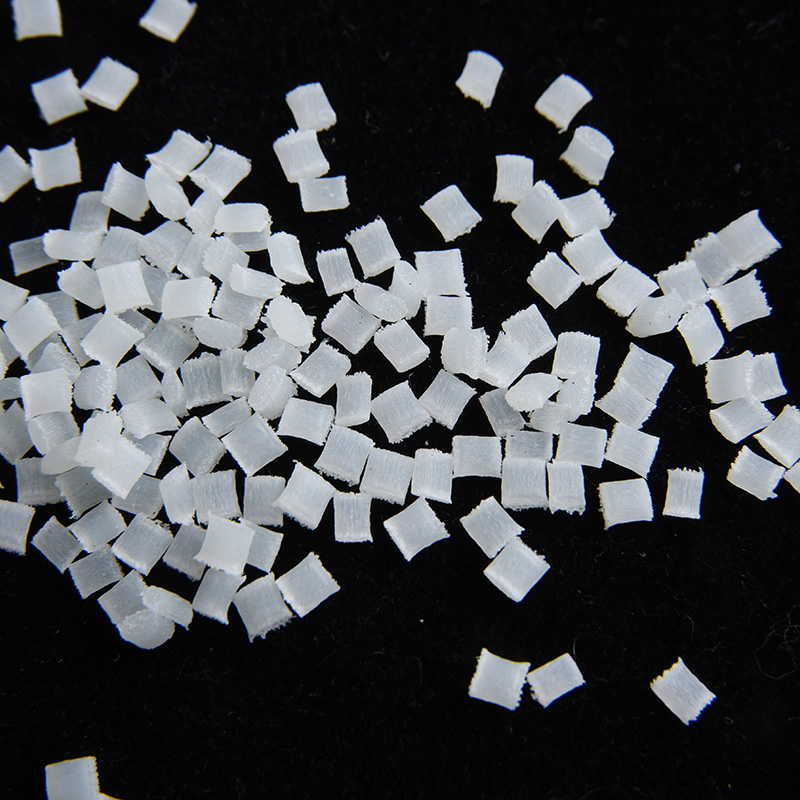
Both raw materials are produced from petrochemical feedstocks, typically starting with benzene or cyclohexane. Manufacturers control the molar ratio between the diamine and the diacid very closely, since even a slight imbalance limits the final chain length and lowers the polymer's tensile strength. A stoichiometric one to one ratio is generally targeted, and this balance is one reason the intermediate nylon salt step exists, since it naturally self-corrects small ratio errors during crystallization.
Why Monomer Purity Matters
Trace metal ions, unreacted intermediates, or moisture in either monomer can interrupt chain growth or cause discoloration in the finished polymer. Fiber grade nylon 66 producers typically specify adipic acid purity above 99.5 percent and hexamethylenediamine purity above 99 percent to keep the resulting chips clear and consistent in molecular weight.
Step by Step Process of How Nylon 66 Is Prepared
Step 1: Formation of Nylon Salt
Hexamethylenediamine and adipic acid are dissolved separately in methanol or water, then mixed together at a controlled temperature to form hexamethylenediammonium adipate, commonly known as nylon salt or "66 salt." This intermediate compound has a sharp melting point near 190 to 192 degrees Celsius, which manufacturers use as a purity check before moving to the next stage. The salt is typically filtered, washed, and dried into a white crystalline powder before it enters the reactor.
Step 2: Concentration and Pre-Polymerization
The nylon salt solution is concentrated by evaporating excess solvent, then heated under moderate pressure, usually around 1.5 to 1.8 megapascals, to begin the condensation reaction. Water is released as the amine and acid groups combine to form amide linkages, and short polymer chains, called oligomers, begin forming at this stage. Pressure is held steady during this phase to prevent premature loss of the volatile diamine before it has fully reacted.
Step 3: High Temperature Polycondensation
The reaction mixture is heated further, typically between 250 and 280 degrees Celsius, while pressure is gradually released to drive off remaining water and push the reaction toward longer chain formation. This melt polycondensation stage determines the final molecular weight of the nylon 66 resin, which in turn controls its mechanical properties. A vacuum stage is often applied near the end of this step, since removing the last traces of water is what allows the chains to keep growing rather than stalling at equilibrium.
Step 4: Extrusion and Chip Formation
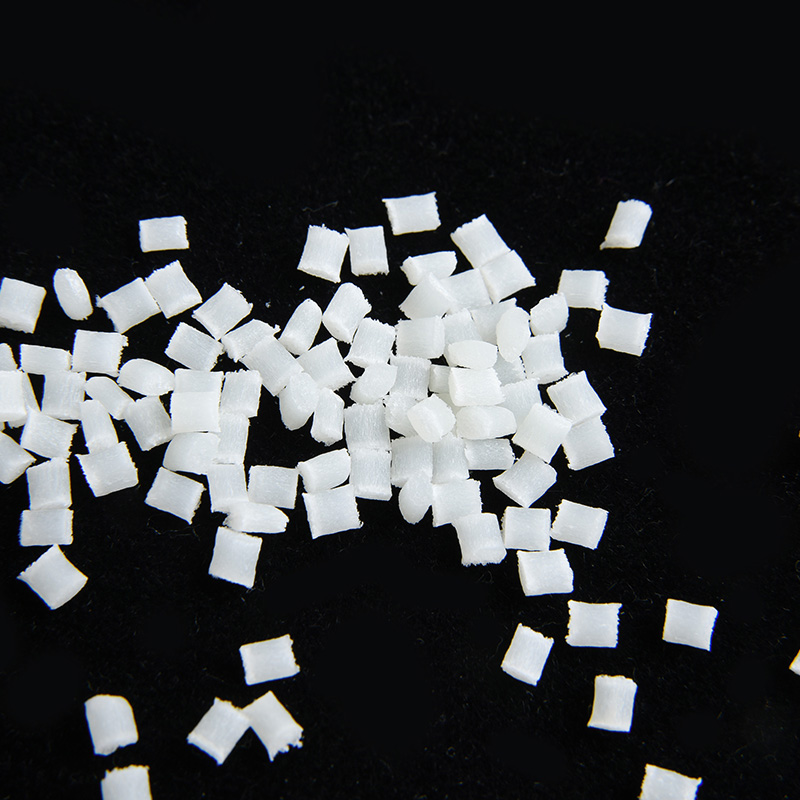
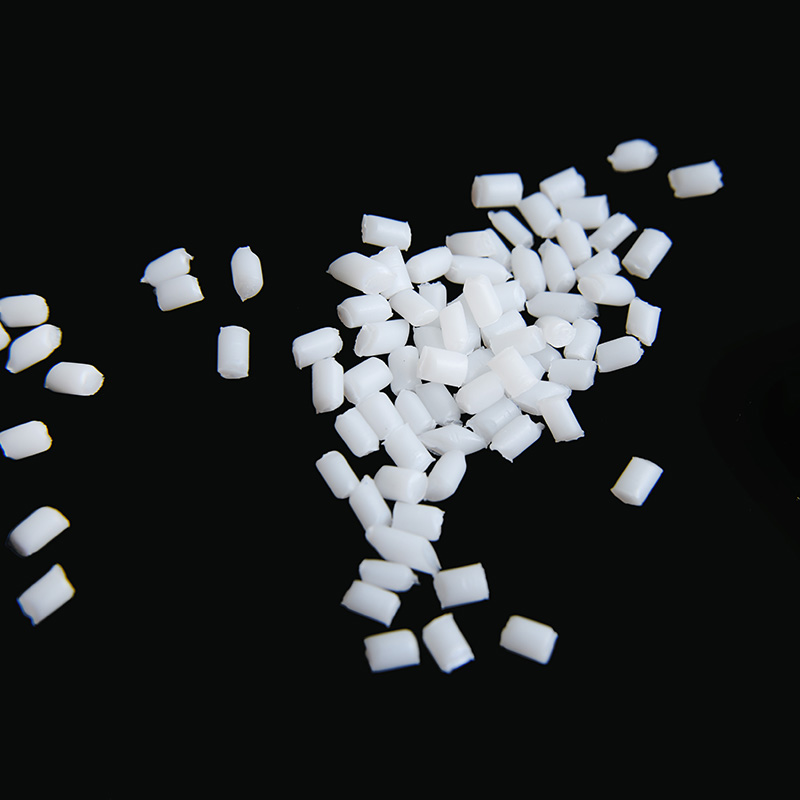
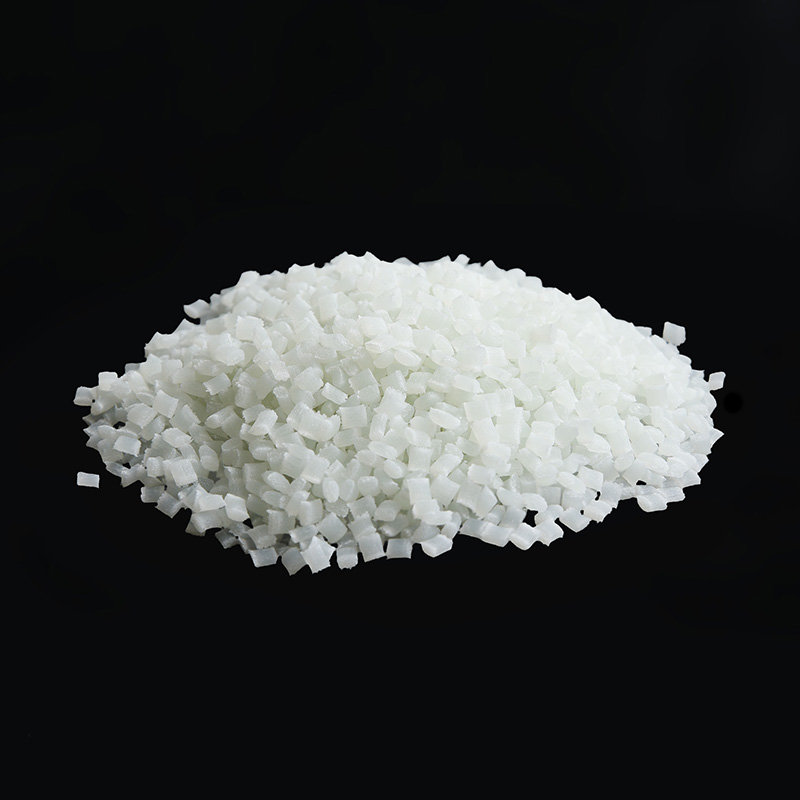
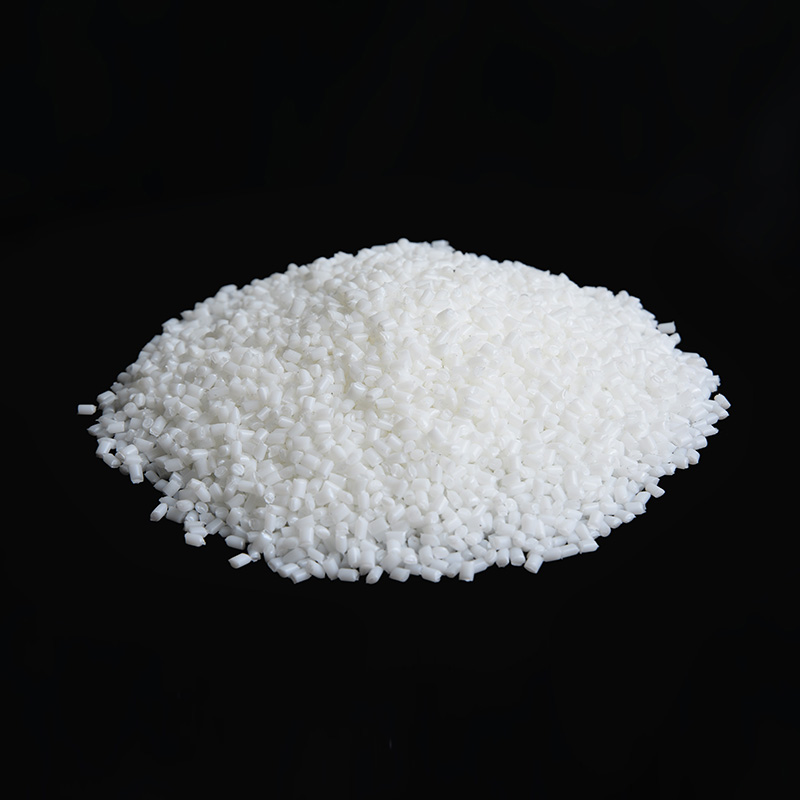
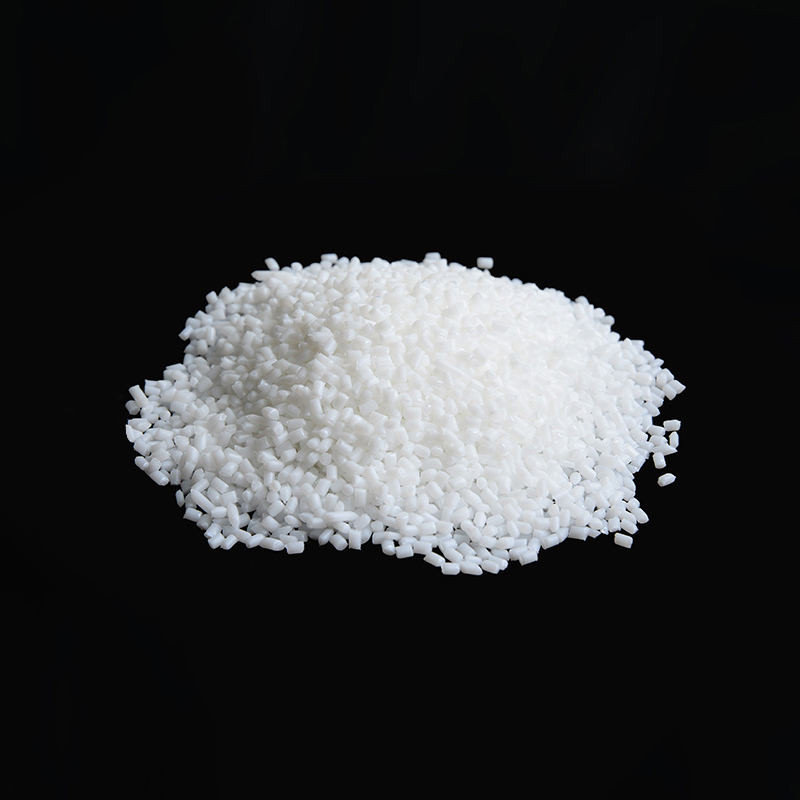
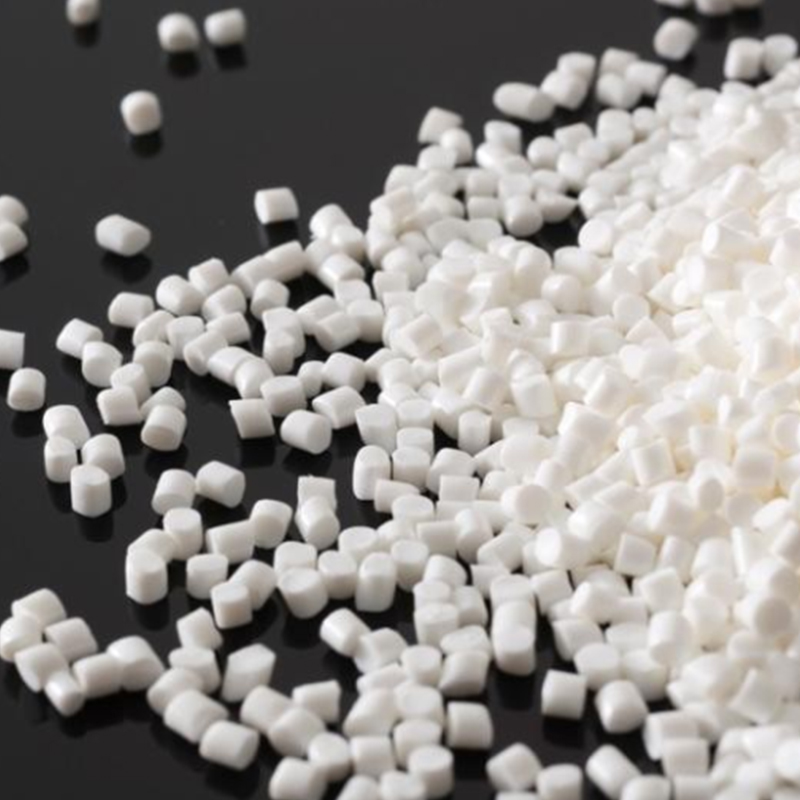
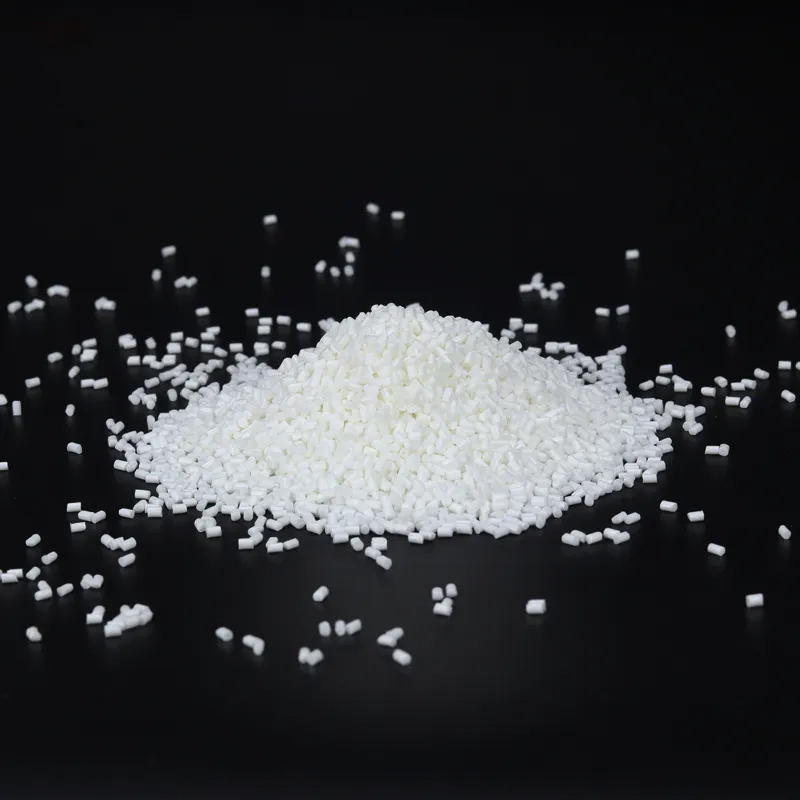
Once the target viscosity is reached, the molten polymer is extruded through a die into strands, cooled rapidly in a water bath, then cut into small pellets or chips. These chips are the standard raw material form shipped to downstream manufacturers for spinning into fiber or injection molding into plastic parts. Chip moisture is usually dried down to below 0.1 percent before packaging, since residual moisture can cause hydrolysis and chain breakdown during later melt processing.
Step 5: Melt Spinning or Molding
For textile applications, the chips are re-melted and extruded through spinnerets to form continuous filaments, which are then drawn to align the polymer chains and increase tensile strength. Drawing ratios of four to five times the original filament length are common, since this molecular alignment is what gives nylon 66 fiber its characteristic strength and elasticity. For engineering plastic applications, the same chips are melted and injection molded directly into finished components, sometimes with glass fiber or mineral fillers added to boost stiffness.
The Core Chemical Reaction Behind Nylon 66 Formation
The preparation of nylon 66 relies on a step-growth polymerization mechanism, where an amine group on one monomer reacts with a carboxylic acid group on another, releasing a water molecule and forming an amide bond.
- An amine group (-NH2) on hexamethylenediamine attacks the carbonyl carbon of adipic acid.
- A water molecule is eliminated, forming a new carbon-nitrogen amide bond.
- This process repeats along the chain, alternating diamine and diacid units.
- Chain growth continues until equilibrium is reached or water removal stops.
Because water is a byproduct, removing it efficiently during the later stages of the reaction is essential. If water is not fully removed, the reaction reaches equilibrium too early and produces short chains with poor mechanical performance, which is why vacuum stages are often used near the end of industrial production.
Degree of Polymerization and Molecular Weight
The average number of repeating units in a nylon 66 chain, known as the degree of polymerization, generally falls between 100 and 200 units for commercial fiber grade resin. This corresponds to a number average molecular weight of roughly 15,000 to 25,000 grams per mole. Higher molecular weight generally means higher viscosity, greater toughness, and better fiber-forming ability, but it also requires longer reaction times and more careful water removal.
Nylon 66 vs Nylon 6: How Their Preparation Differs
Nylon 6 is often confused with nylon 66, but the two are prepared through entirely different mechanisms even though they share similar end-use properties.
| Feature | Nylon 66 | Nylon 6 |
|---|---|---|
| Reaction type | Condensation polymerization | Ring-opening polymerization |
| Starting monomer | Hexamethylenediamine + adipic acid | Caprolactam |
| Byproduct | Water | None (ring opens directly) |
| Typical melting point | Around 265 degrees Celsius | Around 220 degrees Celsius |
| Moisture regain | Around 4.5 percent | Around 4.0 to 4.5 percent |
Nylon 6 preparation avoids a salt formation step entirely, since caprolactam already contains both the amine and acid functionality within a single ring structure. This makes nylon 6 slightly easier to process at lower temperatures, while nylon 66 generally offers a higher melting point and better heat resistance because of its more regular, symmetrical chain structure.
Typical Industrial Process Parameters
Manufacturers follow tightly controlled process windows to ensure consistent chain length and low residual monomer content in the finished resin.
- Salt solution concentration: approximately 50 to 60 percent by weight
- Autoclave pressure during pre-polymerization: 1.5 to 1.8 megapascals
- Final polycondensation temperature: 270 to 285 degrees Celsius
- Reaction time from salt to finished chip: roughly 3 to 5 hours
- Target intrinsic viscosity for fiber grade resin: 1.0 to 1.4 deciliters per gram
- Chip drying moisture target: below 0.1 percent before storage
These figures vary between manufacturers depending on the intended end use, since fiber grade nylon 66 requires higher molecular uniformity than resin used for injection molded plastic parts. Engineering resin grades often tolerate a broader viscosity range because mechanical toughness, rather than fiber spinnability, is the priority.
Properties That Result From This Preparation Method
The way nylon 66 is prepared directly shapes its final properties, which is why the polymerization stage receives so much process control attention.
Mechanical Strength
Longer polymer chains formed during high temperature polycondensation give nylon 66 higher tensile strength and abrasion resistance compared to shorter-chain variants, making it suitable for demanding applications like airbags, tire cord, and mechanical gears.
Thermal Stability
The regular, symmetrical structure of hexamethylenediamine and adipic acid units allows nylon 66 chains to pack closely together, producing a higher melting point than many other polyamides and better performance in under-hood automotive components.
Moisture Absorption
Amide bonds formed during preparation are polar and attract water molecules, so nylon 66 absorbs moisture from the air. This affects dimensional stability in precision molded parts and is a factor engineers account for during product design.
Chemical Resistance
The amide linkages formed during preparation also give nylon 66 reasonable resistance to oils, greases, and many solvents, though strong acids can hydrolyze the same amide bonds that hold the polymer together, reversing the condensation reaction over time.
Common Grades Produced From the Same Base Preparation
Although the underlying reaction is the same, adjusting molecular weight, additives, and post-treatment produces several distinct nylon 66 grades for different markets.
| Grade Type | Distinguishing Feature | Typical Use |
|---|---|---|
| Fiber grade | High and uniform viscosity | Carpets, apparel, tire cord |
| Engineering resin | Broader viscosity, filler compatible | Automotive parts, connectors |
| Glass filled compound | Reinforced with glass fiber | Structural housings, gears |
| Film grade | Controlled thickness uniformity | Packaging films |
Overview of a Continuous Production Line
Large scale nylon 66 manufacturers generally use continuous rather than batch production lines to keep output consistent and reduce cycle time between batches.
| Stage | Equipment | Purpose |
|---|---|---|
| Salt preparation | Neutralization tank | Form nylon salt from monomers |
| Evaporation | Evaporator | Concentrate the salt solution |
| Polycondensation | Reactor or autoclave | Build polymer chain length |
| Extrusion | Die and water bath | Form and cool strands |
| Cutting and drying | Pelletizer and dryer | Produce packaged chips |
Quality Control Checks During Preparation
Because nylon 66 preparation involves several sequential reaction stages, quality checks are placed throughout the process rather than only at the end.
Salt Melting Point Check
Technicians verify that the nylon salt melts within a narrow range close to 190 to 192 degrees Celsius, since deviations point to an incorrect monomer ratio or contamination.
Viscosity Monitoring
Relative viscosity or intrinsic viscosity is measured on samples pulled during and after polycondensation to confirm the chain length is on target before the melt is extruded into chips.
Moisture and Color Testing
Finished chips are tested for residual moisture content and visual color, since yellowing typically signals thermal degradation from excessive reaction temperature or extended residence time in the reactor.
Where the Finished Nylon 66 Is Used
Once prepared and processed into chips or fiber, nylon 66 serves a wide range of industries due to its balance of strength, heat resistance, and processability.
- Automotive parts such as engine covers, radiator tanks, and connectors
- Textile fibers for carpets, hosiery, and technical fabrics
- Industrial cord for tires and conveyor belts
- Electrical connectors and insulating components
- Sporting goods including fishing line and racket strings
- Zippers and other clothing hardware
Recycling and Reuse of Prepared Nylon 66
Because nylon 66 is formed through a reversible condensation reaction, it can be broken back down into its original monomers under controlled hydrolysis conditions, a process some manufacturers use for chemical recycling of production scrap and post-consumer fiber waste.
Mechanical recycling, which simply re-melts clean nylon 66 waste into new pellets without breaking the chemical bonds, is also common for factory offcuts and clean industrial scrap, though repeated melting gradually reduces molecular weight and mechanical performance compared to virgin resin.
Common Issues That Arise During Nylon 66 Preparation
- Low viscosity chips usually point to incomplete water removal during polycondensation or an imbalanced monomer ratio.
- Yellow discoloration typically results from excessive reaction temperature or prolonged residence time causing thermal degradation.
- Gel particles in the melt often trace back to monomer impurities or localized overheating in the reactor.
- Inconsistent chip moisture can lead to hydrolysis and unpredictable viscosity drop during downstream melt spinning or molding.
Ongoing Developments in Nylon 66 Preparation
Producers continue refining continuous polymerization equipment to shorten reaction time while maintaining consistent molecular weight, and some are exploring bio-based routes to hexamethylenediamine and adipic acid derived from renewable feedstocks rather than petrochemical sources. These bio-based monomers follow the same fundamental condensation chemistry once purified, meaning the core preparation steps described above remain largely unchanged even as the starting raw material source shifts.
Frequently Asked Questions About Nylon Preparation
What two chemicals are combined to prepare nylon 66?
Nylon 66 is prepared by combining hexamethylenediamine and adipic acid, which react through condensation polymerization to form long polyamide chains while releasing water as a byproduct.
Why is it called nylon 66 instead of just nylon?
The number 66 refers to the carbon count in each monomer, six carbons in hexamethylenediamine and six carbons in adipic acid, distinguishing it from nylon 6, nylon 610, and other polyamide variants prepared from different monomers.
What temperature is needed to prepare nylon 66?
Industrial polycondensation of nylon 66 typically occurs between 250 and 285 degrees Celsius, with the exact temperature depending on the desired molecular weight and the equipment used.
Is water really released during nylon 66 preparation?
Yes, each time an amine group reacts with a carboxylic acid group to form an amide bond, one water molecule is released, which is why this reaction is classified as a condensation polymerization.
Can nylon 66 be prepared in a laboratory setting?
A simplified version can be demonstrated in a lab using adipoyl chloride and hexamethylenediamine at room temperature, producing a nylon rope through interfacial polymerization, though industrial nylon 66 uses adipic acid and higher temperatures for greater efficiency and scale.
What determines the final strength of prepared nylon 66?
Chain length, controlled by how completely water is removed during polycondensation, is the primary factor determining the final tensile strength and toughness of the nylon 66 resin.
How long does the nylon 66 preparation process take?
From nylon salt formation to finished chip, the full reaction sequence typically takes three to five hours in a continuous industrial line, though exact timing depends on batch size, reactor design, and the target viscosity.
Does nylon 66 preparation require a catalyst?
The base condensation reaction proceeds without a catalyst under high temperature, though some producers use small amounts of phosphorus-based stabilizers to limit oxidative degradation and color formation during the long heating cycle.
 Mob: +86-15867822829
 Tel: +86-0574-62538663
 Fax: +86-0574-62530664
 E-mail:
 Follow Us
 Home
Home
