


 English
 中文简体
 Español
 русский
 عربى

Content
PVC pipe stands for polyvinyl chloride pipe, a thermoplastic tube made from the polymer vinyl chloride. If you are looking for a straightforward answer: PVC pipes are the most widely used plastic piping material in the world, mainly because they are lightweight, low-cost, corrosion-resistant, and offer a service life of up to 50–70 years in buried water mains. However, PVC has clear performance boundaries — it becomes brittle below 0°C, cannot sustain hot-water temperatures above 60°C (140°F) for long periods, and is not suitable for many organic solvents. When projects require higher temperature resistance, higher pressure ratings, or chemical compatibility that PVC cannot deliver, engineering thermoplastics such as nylon, especially Frontechnic’s modified polyamide grades, become the practical alternative. This guide explains the basics of PVC pipes, compares the main types, and shows exactly when you should choose a nylon-based product instead.
What Are PVC Pipes?
PVC pipe is a rigid or flexible plastic pipe produced by extruding a compound of PVC resin, plasticizers, stabilizers, and other additives. The raw material is heated, mixed, and forced through a die to form a continuous tube, which is then cut to length. The base polymer (vinyl chloride) gives the pipe its characteristic mechanical strength and chemical resistance. Depending on the formulation, PVC pipes can be classified as unplasticised PVC (PVC-U) for rigid applications or chlorinated PVC (CPVC) for hot-water systems.
Most people encounter PVC pipe in a home context through the white or grey pipe under sinks or in drainage stacks. In municipal engineering, PVC is specified for drinking-water transmission, sanitary sewer mains, and stormwater drainage because of its resistance to corrosion and low frictional losses. The low thermal conductivity of PVC also means the pipe does not sweat as much as metal pipe, which is a benefit in cold-water installations. Yet the practical temperature limit for continuous service is generally 60°C for PVC-U and 90°C for CPVC. Beyond that, the material softens, loses pressure retention, and will eventually deform.
PVC is also known for its excellent electrical insulation properties, which is why it is the default choice for electrical conduit. However, the presence of chlorine in its structure makes PVC flammable only with difficulty — it self-extinguishes once the ignition source is removed. This characteristic, combined with its formaldehyde-free formulation, has made PVC the dominant plumbing material in many countries.
The Main Types of PVC Pipes
When people ask “what are PVC pipes?”, they often don’t realise that the term covers several distinct formulations. The five most common types are PVC-U, CPVC, PVC-O, PVC-M, and PVC-A. Each has a specific molecular structure and set of performance characteristics. The table below compares them at a glance.
| Type | Abbreviation | Key property | Typical use |
|---|---|---|---|
| Unplasticised PVC | PVC-U | Rigid, high strength, low cost | Cold water supply, drainage, sewer |
| Chlorinated PVC | CPVC | Higher heat resistance (up to 90°C) | Hot water pipes, industrial lines |
| Oriented PVC | PVC-O | Biaxially oriented, lighter and stronger | Water mains, pressure pipelines |
| Modified PVC | PVC-M | Impact modified via toughening agents | Buried pipe subject to ground movement |
| Amorphous PVC | PVC-A | Combines rubber-like toughness with PVC | High-pressure sewers and water lines |
Notice that the base PVC-U is the most economical, while CPVC adds chlorine atoms to the polymer backbone to improve heat tolerance. PVC-O provides higher tensile strength due to molecular orientation, and PVC-M and PVC-A are impact-modified variants that handle ground movement better in buried service. Selecting the right type starts with identifying the fluid temperature and pressure, not with the material price alone.
Where PVC Pipes Are Commonly Used
PVC pipe is a utility material. Its main applications involve the transport of water, wastewater, and electrical cables. Below is a concise list of the most important end-uses, based on decades of municipal and industrial practice.
- Drinking water supply: PVC is the standard choice for potable water mains up to 250 mm in diameter, primarily because of its corrosion resistance and smooth bore that reduces pumping energy.
- Sanitary and storm drainage: Gravity sewer and storm lines use PVC-U due to its low cost, ease of jointing with solvent cement, and long service life in wet soil conditions.
- Agricultural irrigation: PVC is used in sprinkler systems, drip lines, and mainline supply pipes. The low friction factor and light weight make installation fast in large fields.
- Electrical conduit: Listed PVC conduit protects electrical wiring in buildings and outdoor installations due to its insulating properties and moisture resistance.
- Industrial fluid handling: CPVC carries aggressive chemicals, acids, and hot fluids in process plants, where PVC-U would soften or crack.
Beyond these categories, you will find PVC pipe in subsurface drainage for roads, turf drainage in sports fields, and even in some mining and ventilation lines.
Advantages and Disadvantages of PVC Pipes
Advantages
- Cost-effective: The raw material and manufacturing cost are lower than metal and most other plastics.
- Corrosion-resistant: PVC does not rust, galvanically corrode, or develop scale, reducing maintenance.
- Lightweight: A 6-meter length of 50 mm PVC pipe weighs only about 1.8 kg, so one worker can handle it.
- Long service life: Industry reports and standard predictions indicate 50 to 70 years for buried water mains.
- Smooth internals: The Hazen-Williams coefficient for PVC is about 150, meaning high flow capacity with low friction loss.
Disadvantages
- Temperature limit: PVC-U begins to soften at around 60°C; hot-water plumbing requires CPVC or another material.
- UV sensitivity: Prolonged sunlight degrades uncoated PVC, leading to surface brittleness.
- Not suitable for certain solvents: Aromatic hydrocarbons, ketones, and esters can attack the polymer structure.
- Impact behaviour at low temperature: PVC becomes increasingly brittle below 0°C and can fracture on impact.
- Environmental concerns: Chlorine-based chemistry complicates recycling; incineration may produce hydrochloric acid.
When PVC Is Not the Best Choice: The Case for Nylon Plastics
PVC meets many piping needs, but not all. For hot water, steam, brake lines, fuel lines, or hydraulic systems, PVC’s heat resistance and flex fatigue limits become serious liabilities. That is where nylon (polyamide) plastics enter the picture. Nylon pipes and tube fittings are widely used in automotive and industrial applications because they tolerate continuous temperatures of 120–160°C, resist engine fluids, and survive vibration without cracking. Unlike PVC, nylon does not rely on solvent cement; it is usually joined with heat fusion or compression fittings, giving a more robust seal in dynamic conditions.
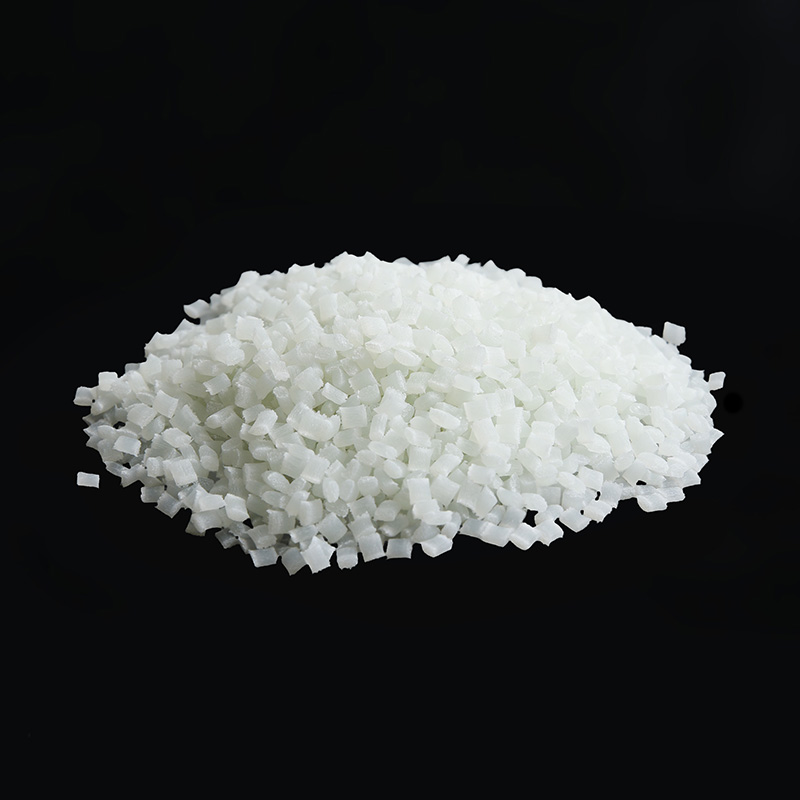
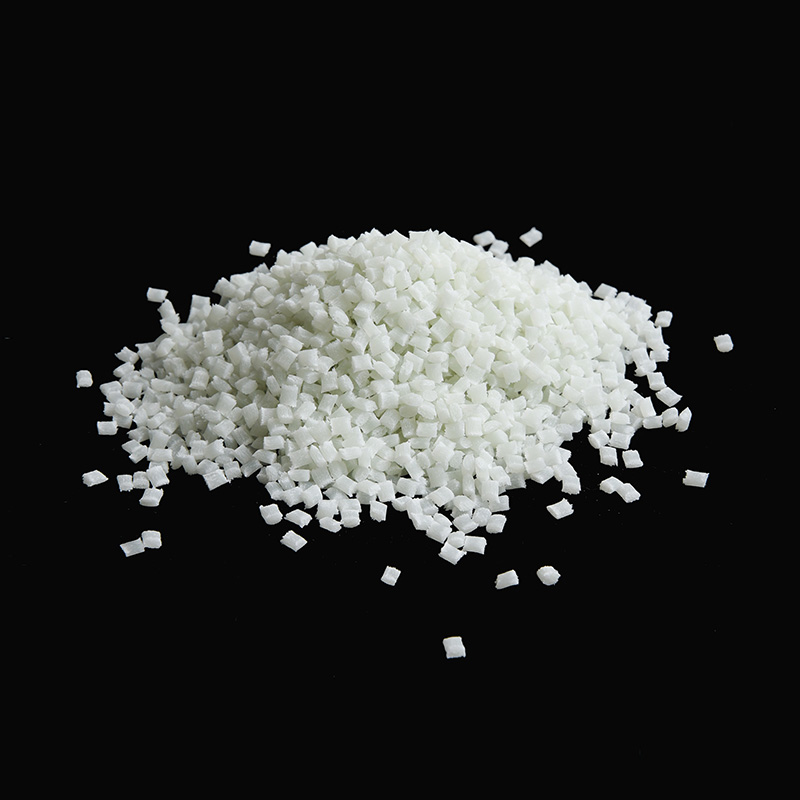
 Toughened PA6 Nylon Chips for Demanding Engineering ApplicationsThis toughened PA6 grade balances impact strength, mechanical performance, and chemical resistance, making it a practical choice for automotive and industrial parts that face vibration and dynamic loads.View Product →
One of the first things to understand is that nylon is not a single material. The two workhorses are PA6 and PA66. PA6 is easier to process and has good impact strength; PA66 offers higher mechanical strength and heat deflection temperature. If an application requires repeated exposure to hot oil or grease, PA66 is usually preferred. For the most demanding thermal or chemical environments, a PPA (polyphthalamide) grade can perform at temperatures above 170°C. According to a public industry explainer on what nylon material is, those polyamide families are the ones that dominate engineering tubing and conduit.
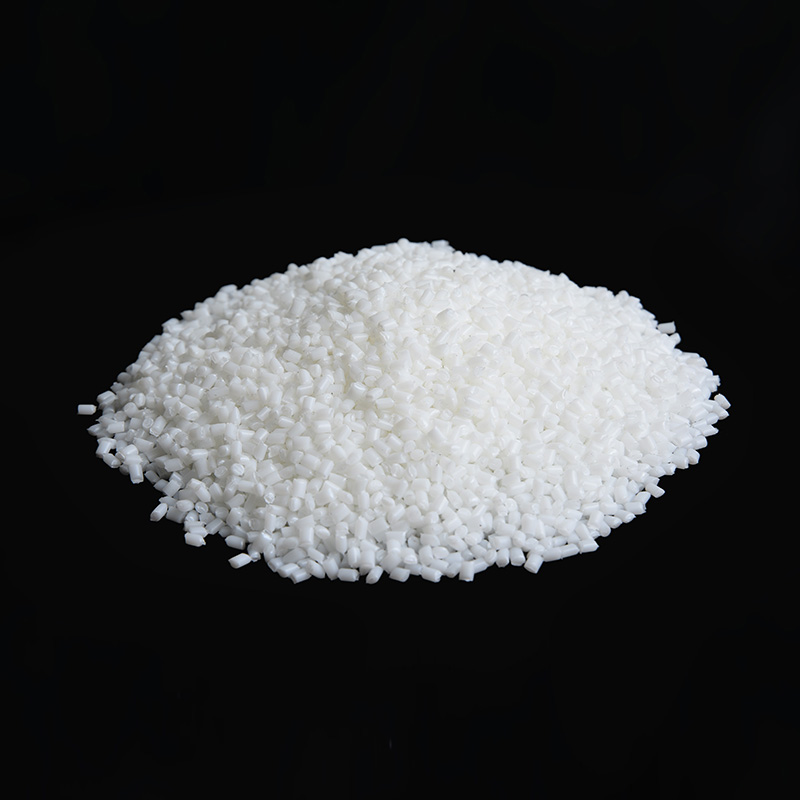
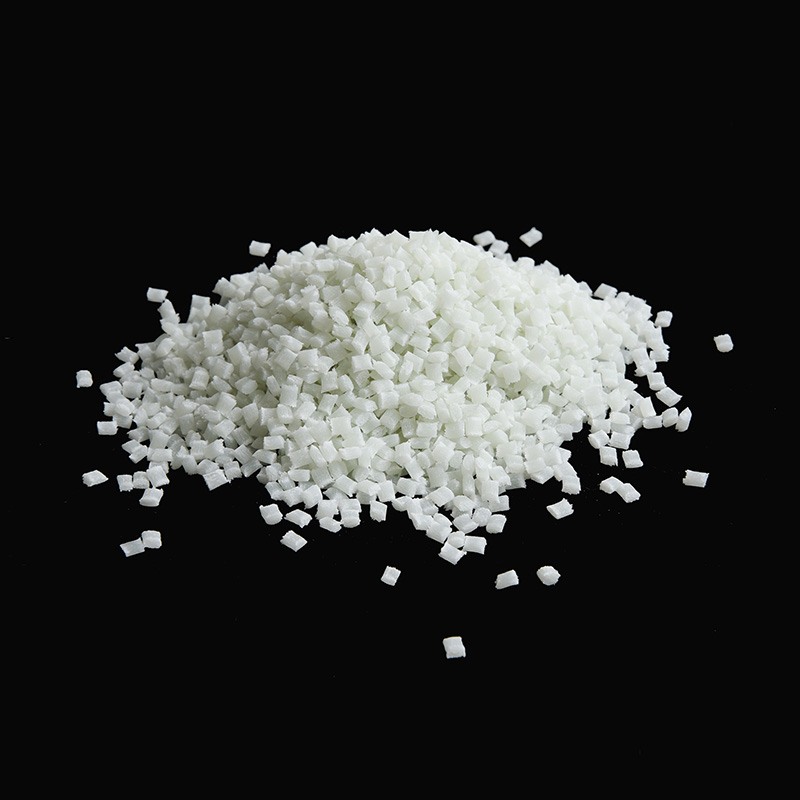 Glass-Reinforced PA66 Chips for High-Strength Heat-Resistant PartsEnhanced PA66 with glass fibre reinforcement delivers higher mechanical strength and heat deflection, suiting components that must withstand elevated temperatures and rigid service conditions.View Product →
In pipe-related applications, the switch to nylon is not about simply replacing a PVC pipe with a nylon pipe of the same schedule. It is about rethinking the whole fluid path. For example, a compressed-air line in a factory may be installed in PVC, but if a compressor outlet temperature reaches 80°C, the recommended material is nylon 11 or nylon 12 rather than PVC. When the pH of a chemical stream is below 4 or above 12, unplasticised PVC is at its chemical limits; flame-retardant PPA or enhanced PA66 can often provide both chemical resistance and the mechanical strength needed for pressure service. In these cases, you are not just buying a pipe — you are buying a material specification that must meet flammability, UV, ageing, and pressure test requirements.
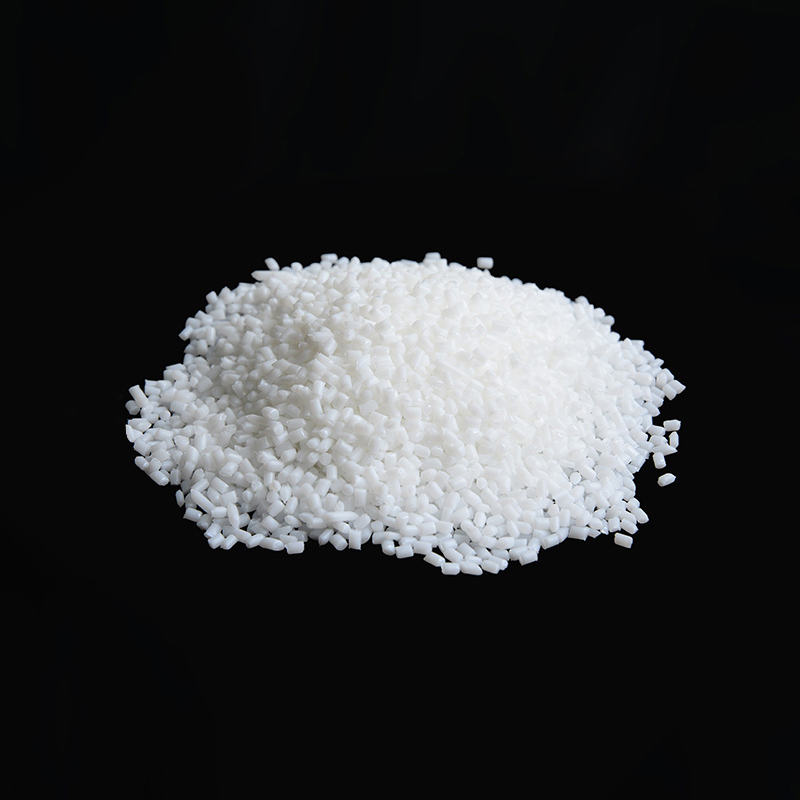
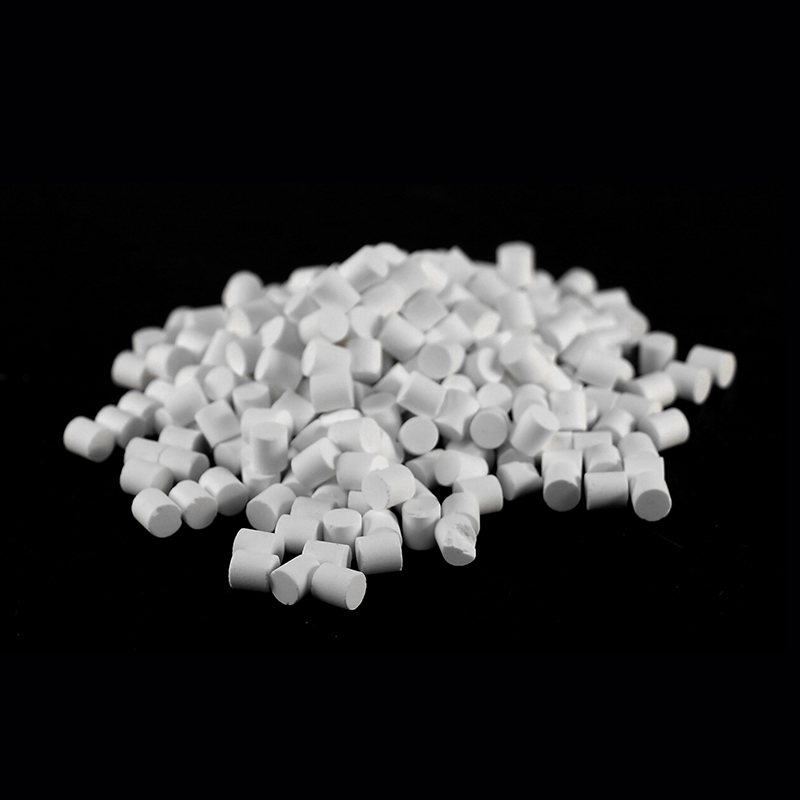 Flame-Retardant PPA Chips for High-Temperature Electrical UseThis flame-retardant PPA combines thermal stability, chemical resistance, and electrical insulation, addressing applications where PVC or standard nylon cannot meet safety and performance demands.View Product →
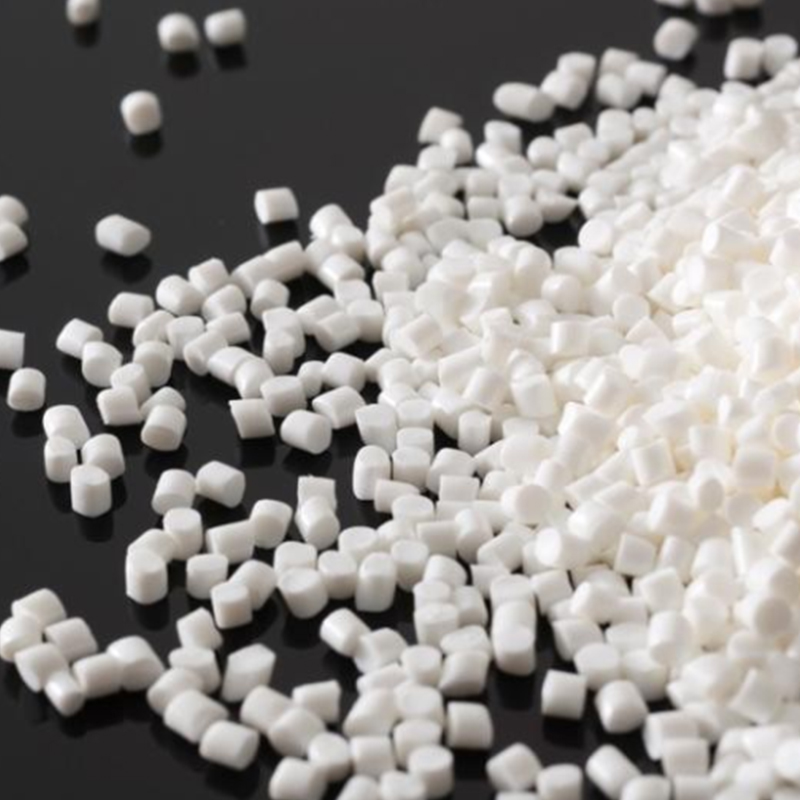
That is why a material supplier with a diversified portfolio matters. Instead of assuming a one-size-fits-all PVC product, you can select a nylon compound with the exact additive package: glass-fibre reinforcement for pressure ratings, flame retardants for electrical area use, or tougheners for vibration-prone connections. Manufacturers like Frontechnic produce these grades in both chip and granule form, allowing pipe producers to compound their own formulations rather than be tied to a generic PVC extrusion line.
How to Choose the Right Pipe Material
Choosing between PVC and nylon comes down to four parameters: fluid temperature, system pressure, chemical exposure, and external loading. Start by listing the maximum sustained temperature at the pipe wall. If it exceeds 60°C, PVC-U is automatically excluded; above 90°C, all PVC variants are excluded and a polyamide such as PA66 or PPA should be evaluated.
| Condition | PVC-U | CPVC | PA66 / PPA |
|---|---|---|---|
| Water at 20°C, low pressure | Recommended | Not needed | Over-specified |
| Hot water at 80°C | Not suitable | Suitable | Suitable if pressure is high |
| Aggressive chemical at 40°C | Check compatibility | Often suitable | Depends on chemical family |
| High-pressure hydraulic line | Never use | Not for moving systems | Recommended |
External loading matters too. Buried PVC below roadways must be correctly bedded, while nylon tubing used in a moving vehicle can flex millions of times without failing. If your installation involves cyclic stress or pressurised fluids, a modified nylon grade with tougheners is safer than a rigid PVC schedule. Keep in mind that fitting and joining requirements differ: PVC depends on solvent welding that weakens at high temperature; nylon permits mechanical fittings and laser welding, which preserve the heat resistance of the material.
Frequently Asked Questions
Is PVC pipe safe for drinking water?
Yes, when the pipe is certified as meeting national standards for potable water. The key is the additive package — lead-free stabilizers are now standard in most countries. PVC does not naturally leach harmful chemicals, and the smooth inner surface discourages biofilm growth. Always look for a legitimate water-contact certification on the product label.
Can PVC pipe handle hot water?
Standard PVC-U is not designed for continuous hot water above 60°C. For residential hot-water lines, CPVC is rated up to about 90°C. For industrial hot fluid beyond that, nylon or other engineering thermoplastics are required.
How long does PVC pipe last?
For buried water mains, the commonly accepted design service life is 50 to 70 years. In indoor drainage, you can expect even longer, because of the absence of sunlight and mechanical stress. The actual life depends on pressure, temperature, and chemical exposure.
What is the pressure rating of PVC pipe?
Pressure ratings vary with diameter and wall thickness. For example, a 25 mm PVC-U pipe with schedule 40 wall is rated about 300 psi (20 bar) at 23°C, but the rating drops as temperature rises. Always refer to the manufacturer’s pressure-temperature table, because the allowable pressure can fall to 50% of the room-temperature value at 60°C.
Can PVC pipe be recycled?
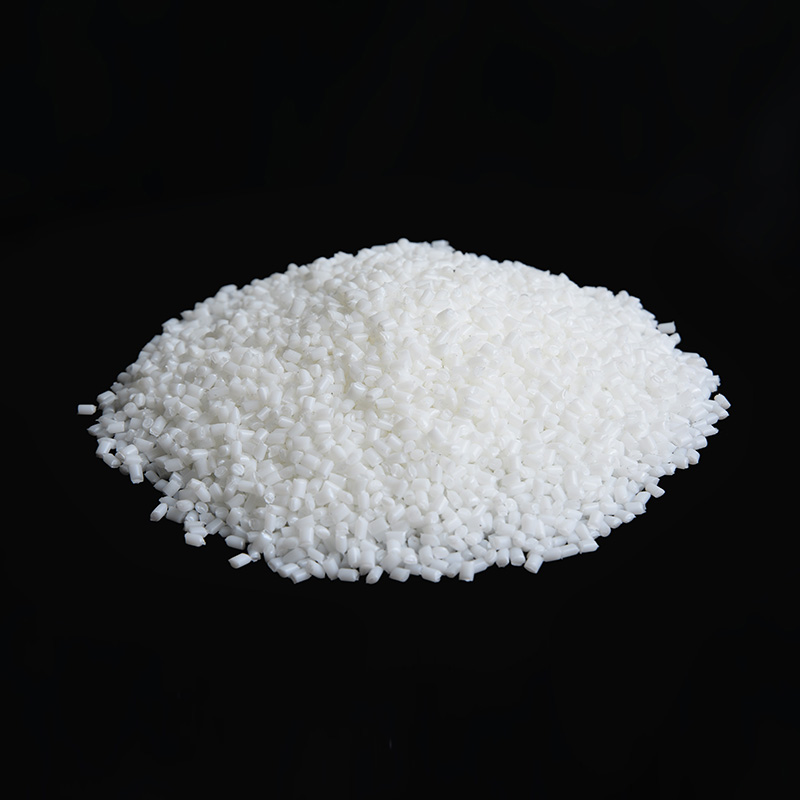
Yes. PVC is technically recyclable, and post-industrial scrap is commonly reground and reprocessed. However, mixed post-consumer PVC is harder to recycle because of additives and contaminants. If you need a material with a more straightforward closed-loop story, recycled polyamide granules are now available for non-food industrial piping components.
 Mob: +86-15867822829
 Tel: +86-0574-62538663
 Fax: +86-0574-62530664
 E-mail:

 Follow Us
 Home

