


 English
 中文简体
中文简体 Español
 русский
 عربى
عربى
Content
- 1 What Does PA6 Stand For?
- 2 The Chemistry Behind Polyamide 6
- 3 Key Physical and Mechanical Properties of PA6
- 4 PA6 vs PA66: How They Differ and When to Choose Each
- 5 Common Grades and Formulations of Polyamide 6
- 6 How PA6 Is Processed: Manufacturing Methods
- 7 Major Applications of PA6 Across Industries
- 8 Understanding the Moisture Sensitivity of Polyamide 6
- 9 Sustainability and Recycling of PA6
- 10 Limitations and Design Considerations for PA6
What Does PA6 Stand For?
PA6 stands for Polyamide 6, a semi-crystalline thermoplastic polymer produced by the ring-opening polymerization of caprolactam. It belongs to the broader nylon family and is one of the most widely used engineering plastics in the world. The "6" refers to the six carbon atoms in the repeating monomer unit derived from caprolactam (C₆H₁₁NO). PA6 is also commonly referred to as Nylon 6, and both terms describe the same base material.
In industrial and technical contexts, PA6 and Polyamide 6 are used interchangeably. You will find it labeled as PA6 in engineering datasheets, as Nylon 6 in commercial product listings, and sometimes as polycaprolactam in scientific literature. Regardless of the label, all these names refer to the same polymer backbone structure defined by repeating amide linkages (-CO-NH-) along the polymer chain.
Globally, Polyamide 6 is one of the top-consumed engineering thermoplastics. Annual production volume exceeds 4 million metric tons, and the material is integral to industries ranging from automotive and electronics to textiles and food packaging. Understanding what PA6 stands for is only the starting point — its chemistry, performance characteristics, and processing behavior define why it has become so commercially dominant.
The Chemistry Behind Polyamide 6
Polyamide 6 is synthesized through the hydrolytic ring-opening polymerization of ε-caprolactam, a cyclic amide. This process differs fundamentally from Polyamide 66 (PA66), which is made by condensation polymerization of two separate monomers — hexamethylenediamine and adipic acid. The single-monomer origin of PA6 gives it a more uniform and slightly more flexible chain structure compared to PA66.
The amide group (-CONH-) repeating along the PA6 backbone is responsible for many of its key characteristics, including:
- Strong intermolecular hydrogen bonding, which contributes to mechanical stiffness and high melting point
- Affinity for water molecules, leading to moisture absorption (hygroscopicity) that affects dimensional stability
- Chemical resistance to oils, greases, fuels, and most organic solvents
- Susceptibility to strong acids and bases, which can hydrolyze the amide bond
The degree of crystallinity in Polyamide 6 typically ranges from 35% to 45%, depending on processing conditions. Higher crystallinity correlates with greater rigidity, strength, and chemical resistance, while lower crystallinity enhances impact toughness and flexibility. This balance can be tuned through nucleating agents, cooling rates, and annealing protocols during manufacturing.
The molecular weight of commercial PA6 grades varies considerably. Standard injection-molding grades typically have number-average molecular weights (Mn) in the range of 15,000 to 40,000 g/mol, while fiber-grade and film-grade variants can reach higher molecular weights to meet specific tensile and elongation demands.
Key Physical and Mechanical Properties of PA6
The performance profile of Polyamide 6 makes it one of the most versatile engineering thermoplastics available. The following table summarizes typical properties of unfilled, standard-grade PA6 in dry-as-molded (DAM) condition:
| Property | Typical Value (DAM) | Test Standard |
|---|---|---|
| Tensile Strength | 70–85 MPa | ISO 527 |
| Flexural Modulus | 2,600–3,200 MPa | ISO 178 |
| Elongation at Break | 30–50% | ISO 527 |
| Impact Strength (Charpy, notched) | 5–8 kJ/m² | ISO 179 |
| Melting Point | 215–225°C | ISO 11357 |
| Density | 1.12–1.15 g/cm³ | ISO 1183 |
| Water Absorption (23°C, 24h) | 1.6–1.9% | ISO 62 |
| Continuous Use Temperature | 80–100°C | UL 746B |
One property that requires careful attention is moisture absorption. PA6 absorbs moisture from the environment, and at saturation (equilibrium moisture content, or EMC), properties shift significantly. Tensile strength can drop by 20–30%, while impact resistance and elongation at break improve. This means that PA6 parts tested in a conditioned state (wet) behave quite differently from the same parts tested immediately after molding (dry). Engineers must account for this when designing for structural applications.
Thermal Behavior
Polyamide 6 has a melting point around 220°C, which places it comfortably in the medium-temperature engineering plastics range. Its heat deflection temperature (HDT) under a load of 1.8 MPa is approximately 55–65°C for unfilled grades, but this increases dramatically with glass fiber reinforcement — a 30% glass-filled PA6 can achieve an HDT of 200°C or higher. This makes reinforced PA6 suitable for under-hood automotive applications where heat exposure is a daily reality.
PA6 vs PA66: How They Differ and When to Choose Each
Polyamide 6 and Polyamide 66 are the two most commercially important nylon grades, and they are frequently compared. While they share a similar chemical family, their differences matter in real applications.
| Parameter | PA6 (Polyamide 6) | PA66 (Polyamide 66) |
|---|---|---|
| Melting Point | ~220°C | ~260°C |
| Synthesis Route | Ring-opening polymerization | Condensation polymerization |
| Moisture Absorption | Higher (~9.5% at saturation) | Lower (~8.5% at saturation) |
| Processing Temperature | 240–280°C | 270–310°C |
| Surface Finish Quality | Smoother, better appearance | Slightly rougher |
| Cost | Generally lower | Generally higher |
| Thermal Stability | Moderate | Higher |
| Flexibility / Toughness | Slightly better | Slightly stiffer |
For most general-purpose applications — consumer goods, non-structural housings, textile fibers — PA6 is the preferred choice due to its lower cost, better flow during injection molding, and superior surface aesthetics. For demanding automotive or industrial applications requiring sustained exposure to temperatures above 150°C, PA66 has an edge. However, with stabilizer packages and glass reinforcement, PA6 can be engineered to close much of this performance gap.
Common Grades and Formulations of Polyamide 6
Raw unfilled PA6 is just the baseline. The commercial landscape includes dozens of modified grades engineered for specific performance targets. The major categories are:
Glass Fiber Reinforced PA6
Adding glass fibers at loadings of 15%, 30%, or 50% by weight transforms PA6 into a structural material. A 30% glass-filled PA6 grade typically delivers tensile strength of 160–180 MPa and a flexural modulus of 8,000–10,000 MPa — roughly three to four times the stiffness of the unfilled base resin. This reinforced variant is a standard choice for structural brackets, engine covers, electrical housings, and load-bearing clips in automotive assemblies.
Flame-Retardant PA6
For electrical and electronic applications, flame-retardant (FR) grades of Polyamide 6 incorporate halogen-free or halogenated additives to achieve UL 94 V-0 ratings at specified wall thicknesses, often as thin as 0.4 mm. These grades are critical for circuit breaker housings, relay bases, connector bodies, and other components where ignition risk must be minimized in compliance with IEC 60695 and UL standards.
Impact-Modified PA6
Rubber toughening via elastomeric modifiers such as EPDM or maleic anhydride-grafted polyolefins substantially improves low-temperature impact resistance. Super-tough PA6 grades can achieve Charpy notched impact values of 50–80 kJ/m² compared to the 5–8 kJ/m² of standard grades. These formulations are used in sporting goods, tool housings, and automotive bumper components.
Heat-Stabilized PA6
Standard PA6 undergoes thermal oxidative degradation above 100°C in long-term exposure scenarios. Heat-stabilized grades incorporate copper-based or hindered amine stabilizer systems to extend continuous service life at temperatures of 120–130°C. This is relevant for air intake manifolds, cooling system components, and other parts near heat-generating automotive subsystems.
Mineral-Filled and Carbon Fiber Grades
Mineral fillers such as talc or wollastonite are added to improve dimensional stability, stiffness, and surface hardness at lower cost compared to glass fibers. Carbon fiber reinforced PA6 delivers exceptional specific stiffness and is increasingly specified in lightweight structural applications in aerospace and high-performance sporting equipment, though material costs are substantially higher.
How PA6 Is Processed: Manufacturing Methods
Polyamide 6 is compatible with a wide range of polymer processing methods, which contributes significantly to its commercial versatility. The choice of processing method depends on the intended product geometry and end-use requirements.
Injection Molding
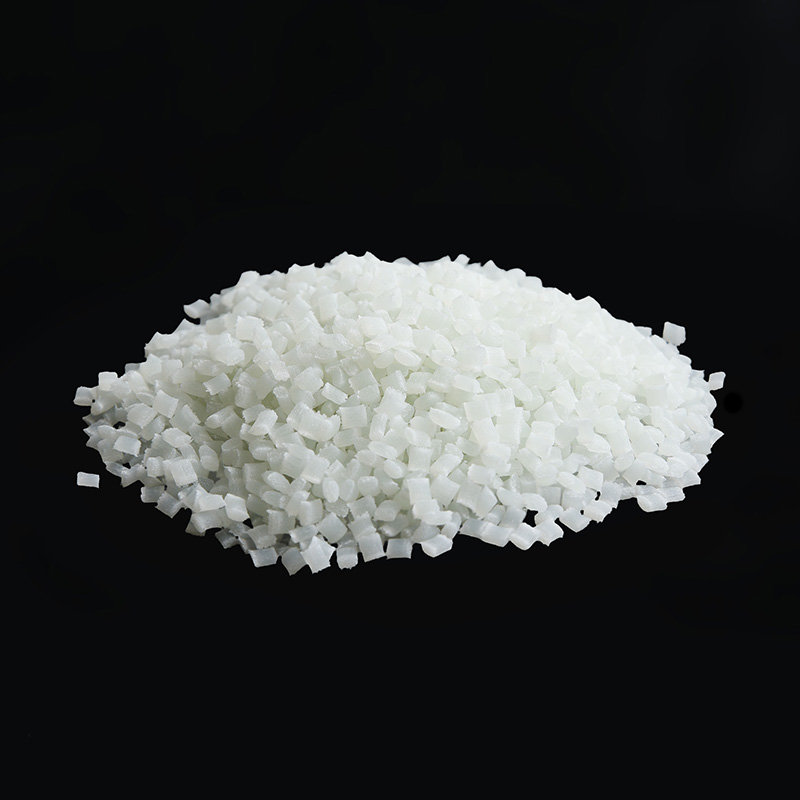
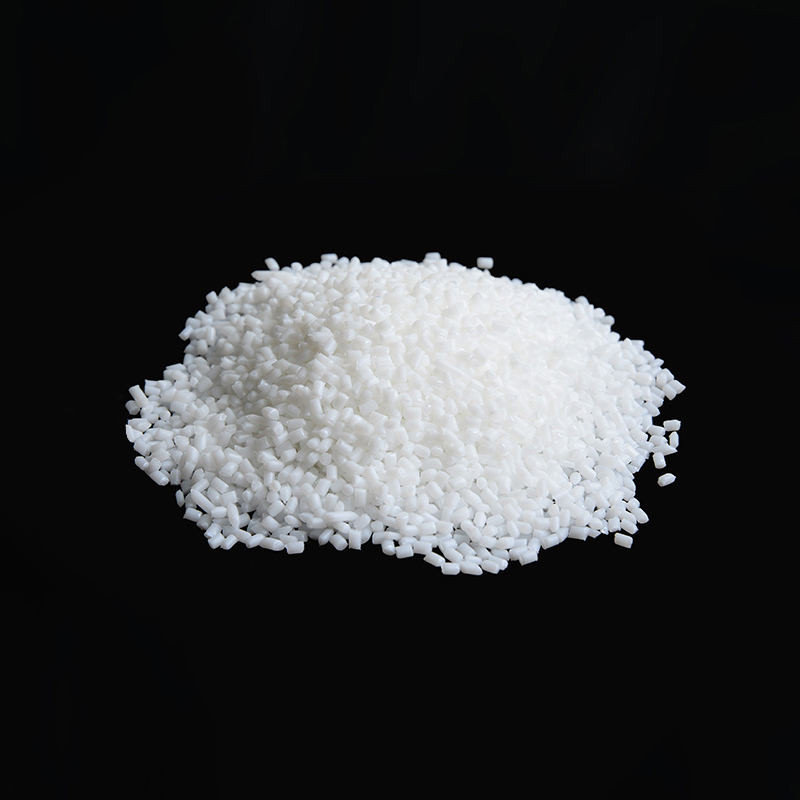
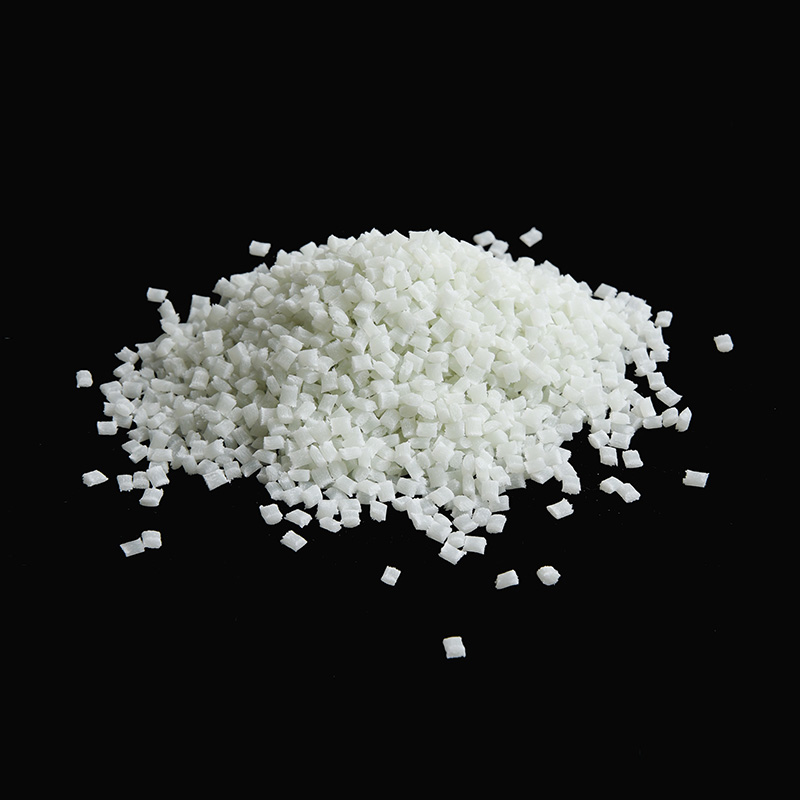
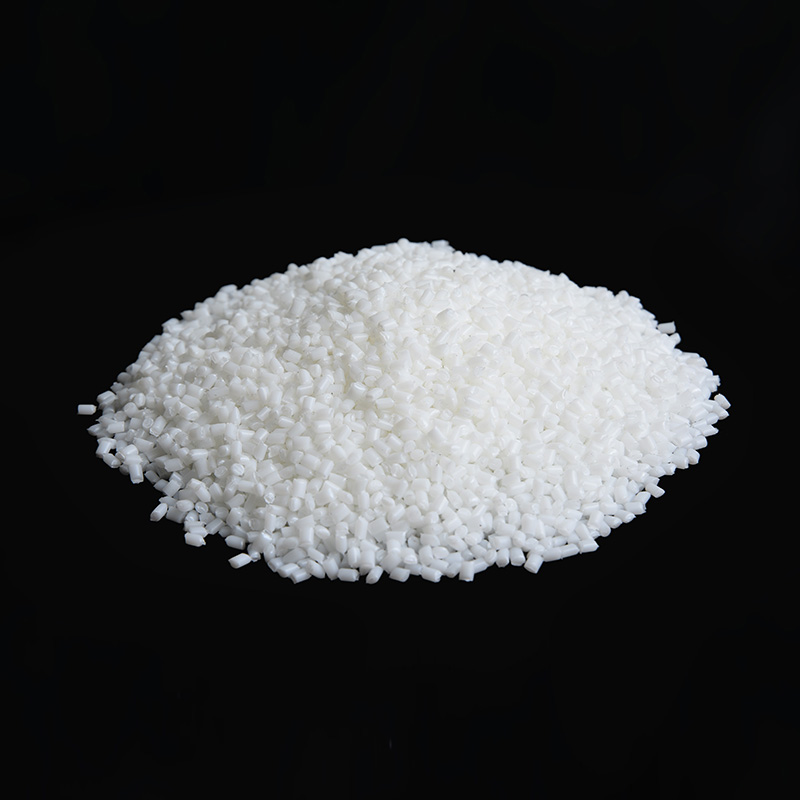
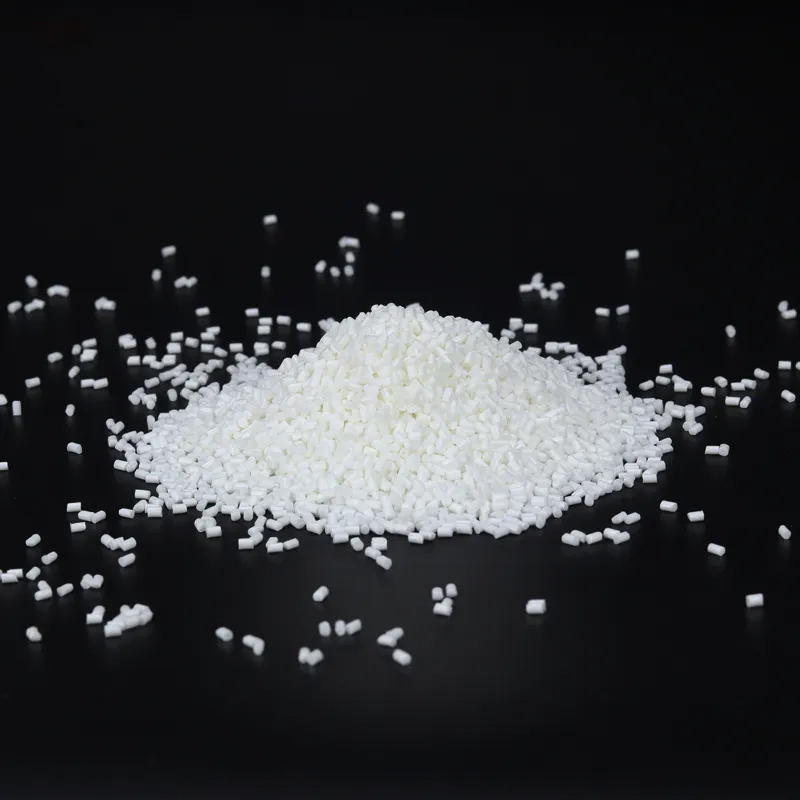
Injection molding is the dominant processing method for PA6 in engineering applications. Typical melt temperatures range from 240°C to 280°C, with mold temperatures of 60–100°C used to control crystallinity and surface finish. Pre-drying is essential: PA6 pellets must be dried to moisture content below 0.2% before processing to prevent hydrolytic degradation during molding, which causes molecular weight loss, surface defects (splay, streaking), and reduced mechanical properties. Drying at 80°C for 4–6 hours in a dehumidifying dryer is standard practice.
Extrusion
PA6 is widely extruded into profiles, tubes, rods, films, and sheets. Film-grade PA6 is extensively used in food packaging as a barrier layer, owing to its excellent oxygen and aroma barrier properties. Co-extruded multilayer films combining PA6 with polyethylene or polypropylene layers deliver packaging solutions that balance flexibility, barrier performance, and heat sealability. PA6 film achieves oxygen transmission rates of below 30 cc·mil/100 in²·day under dry conditions.
Melt Spinning for Fiber Production
The textile industry relies on melt-spun PA6 fibers (Nylon 6 fibers) for hosiery, sportswear, swimwear, carpets, and industrial fabrics. The melt spinning process involves extruding molten PA6 through spinnerets, followed by drawing and texturing to achieve target tenacity and elongation values. Commercial PA6 filament yarns typically exhibit tenacities in the range of 4–7 g/denier, making them durable, abrasion-resistant, and resilient under repeated mechanical stress.
Blow Molding and Rotational Molding
Specialized blow-molding grades of PA6 are used to produce fuel lines, fluid reservoirs, and hollow automotive components where the combination of chemical resistance and mechanical integrity is required. Rotational molding with PA6 powder is applied in industrial containers and specialty housings, though this is less common than for polyethylene grades.
Major Applications of PA6 Across Industries
The application range of Polyamide 6 is exceptionally broad. Below are the primary industries and specific end-use applications where PA6 is a standard or preferred material.
Automotive Industry
The automotive sector is the single largest consumer of engineering-grade PA6, accounting for roughly 35–40% of total PA6 engineering plastic consumption. Key automotive components made from glass-reinforced or heat-stabilized PA6 include:
- Air intake manifolds and resonators
- Engine covers and oil pans (on select platforms)
- Cooling system housings and thermostat bodies
- Pedal brackets and cable guides
- Fuel line connectors and fluid conduits
- Structural clips, fastener bushings, and door handle mechanisms
The automotive industry's transition toward lightweight vehicle design (to improve fuel efficiency and reduce CO₂ emissions) continues to drive substitution of metal components with glass-reinforced PA6 — a trend commonly described as "metal replacement." A typical modern vehicle contains between 15 and 25 kg of polyamide materials, with PA6 and PA66 representing the majority share.
Electrical and Electronic (E&E) Applications
FR-grade and general-purpose PA6 are widely used in electrical components because of their combination of mechanical strength, dimensional stability, and electrical insulation properties. The surface resistivity of PA6 exceeds 10¹³ Ω, and its dielectric strength is typically 14–16 kV/mm, making it well-suited for connector housings, relay enclosures, circuit breaker bases, terminal blocks, and motor bobbin cores.
Textile and Fiber Applications
On a volume basis, fiber is actually the largest application of Polyamide 6 globally, consuming approximately 60–65% of total PA6 production. Nylon 6 fibers appear in hosiery, underwear, activewear, upholstery fabrics, and carpets. The outstanding abrasion resistance and elastic recovery of PA6 fiber make it particularly valued in carpet face fibers, where it competes with PA66 and polyester.
Food Packaging
PA6 film is a key material in flexible food packaging, particularly for vacuum-packaged meats, cheese, and processed foods. Its superior barrier properties compared to polyolefins prevent oxygen ingress that leads to oxidative spoilage, extending shelf life significantly. PA6-based packaging films also exhibit excellent puncture resistance and can withstand pasteurization and retort processing at temperatures up to 121°C.
Industrial and Consumer Goods
PA6 is used extensively in power tool housings, sports equipment (ski bindings, climbing hardware, bicycle components), industrial conveyor components, gears and bushings, zip ties and cable management systems, and pneumatic fittings. Its combination of toughness, wear resistance, and machinability makes it a practical choice for both injection-molded mass production parts and machined semi-finished stock.
Understanding the Moisture Sensitivity of Polyamide 6
Moisture management is one of the most practically important aspects of working with PA6, and it affects both processing and end-use performance. PA6 is hygroscopic — it absorbs water from the ambient environment until it reaches equilibrium with the surrounding relative humidity.
At 50% relative humidity and 23°C (typical conditioned state per ISO 1110), PA6 absorbs approximately 2.5–3.0% moisture by weight. At full saturation (immersed in water), this rises to roughly 9–10%. These moisture levels directly influence:
- Dimensional stability: PA6 exhibits dimensional change (swelling) as moisture content rises, with linear expansion of approximately 0.7–1.0% per percent of moisture absorbed. For precision-fit components, this must be factored into tolerancing.
- Tensile strength and modulus: Both decrease with moisture uptake, as water acts as a plasticizer by disrupting intermolecular hydrogen bonding.
- Impact resistance: Improves as moisture content increases, due to increased ductility. Conditioned PA6 is significantly tougher than DAM PA6 in low-temperature impact testing.
- Processing quality: Wet pellets processed without adequate drying produce parts with surface defects, voids, reduced molecular weight, and compromised mechanical properties.
Engineers specifying PA6 for structural applications should always reference conditioned mechanical data (at expected service moisture content) rather than dry-as-molded values to avoid overestimating in-service performance.
Sustainability and Recycling of PA6
Sustainability is an increasingly critical dimension of material selection, and Polyamide 6 has a more favorable end-of-life profile than many other engineering plastics. PA6 can be mechanically recycled — re-melted and reprocessed into new parts — with some degradation in molecular weight and properties, particularly after multiple processing cycles. Industrial scrap and post-consumer PA6 from carpet fibers, fishing nets, and textile waste are collected and recycled at scale in several programs worldwide.
Chemical recycling is particularly advantageous for PA6 compared to PA66. Because PA6 is made from a single monomer (caprolactam), it can be depolymerized back to pure caprolactam through hydrolysis or glycolysis, and the recovered monomer can then be repolymerized into virgin-quality PA6. This closed-loop recycling pathway is already commercially operational — companies including Aquafil produce Econyl, a regenerated PA6 fiber made from post-consumer waste such as discarded fishing nets and carpet fibers, with a significantly lower carbon footprint than virgin production.
Life cycle assessments indicate that producing 1 kg of virgin PA6 requires approximately 120–130 MJ of energy and generates around 6–8 kg CO₂-equivalent emissions. Recycled PA6 reduces these figures by 50–80% depending on the recycling route, making it one of the more recyclable engineering polymers from a chemistry standpoint.
Bio-based caprolactam, derived from plant-based feedstocks, is also under active development as a route to reducing the fossil-fuel dependency of PA6 production, though commercial scale remains limited as of now.
Limitations and Design Considerations for PA6
While Polyamide 6 offers a compelling combination of properties, it is not universally suitable for every application. Designers and engineers should be aware of the following limitations:
- Moisture-induced dimensional change: As discussed, hygroscopic swelling limits use in tight-tolerance assemblies exposed to varying humidity or direct water immersion without proper design compensation.
- UV degradation: Unmodified PA6 degrades under prolonged UV exposure, leading to surface chalking, embrittlement, and color changes. UV-stabilized grades or protective coatings are required for outdoor applications.
- Acid and strong base sensitivity: PA6 is attacked by concentrated mineral acids (HCl, H₂SO₄) and strong alkalis, which hydrolyze the amide bond and cause chain scission. Applications involving such chemicals require alternative materials.
- Creep under sustained load: Like all semi-crystalline thermoplastics, PA6 exhibits creep (slow deformation under constant load), which must be accounted for in long-term structural applications, especially at elevated temperatures or in conditioned states.
- Shrinkage and warpage: PA6 has a relatively high mold shrinkage (0.6–1.8% for unfilled grades, and 0.3–0.7% anisotropically for glass-filled grades), which requires careful mold design and processing parameter control to minimize warpage in flat or asymmetric parts.
For applications where these limitations are deal-breakers, alternatives include PA12 (lower moisture absorption), POM (better dimensional stability), PPS (superior chemical and thermal resistance), or PEEK (extreme performance but at significantly higher cost).

 Mob: +86-15867822829
 Tel: +86-0574-62538663
 Fax: +86-0574-62530664
 E-mail:
 Follow Us
 Home
Home
