


 English
 中文简体
中文简体 Español
 русский
 عربى
عربى
Content
- 1 What Is Polyamide? Structure, Types and Everyday Uses
- 2 Is Polyamide Toxic? A Direct Answer for Fast Decisions
- 3 How Polyamide Safety Changes Across Applications
- 4 Key Risk Factors: What Actually Determines Polyamide Safety
- 5 How to Choose a Safer Polyamide Grade for Your Product
- 6 Polyamide in Industrial Engineering: Performance and Safety in Real Applications
- 7 Common Misconceptions About Polyamide Toxicity
- 8 Frequently Asked Questions
- 8.1 Q: Is polyamide safe for skin?
- 8.2 Q: Can polyamide cause cancer?
- 8.3 Q: Is polyamide food-safe?
- 8.4 Q: Why do some articles say polyamide is toxic?
- 8.5 Q: How can I identify a safe polyamide product?
- 8.6 Q: Is recycled polyamide as safe as virgin polyamide?
- 8.7 Q: Does polyamide absorb water and cause mold?
- 9 Conclusion
Polyamide is a synthetic polymer marketed under the commercial name nylon. When someone asks "what is polyamide and is it toxic," the direct answer depends on which part of the material you are discussing. The base polymer itself is chemically stable, insoluble in liquids, and biologically inert under normal use conditions. The toxic concerns that surround polyamide almost always come from residual monomers, additives, dyes, and finishing chemicals used during manufacturing, not from the polymer chain itself.
This distinction matters for every practical decision, whether you are selecting a raw material for automotive parts, packaging a food product, or evaluating the safety of a sports garment. The following guide breaks down polyamide chemistry, real toxicological evidence, risk factors, application-specific safety, and a practical method for choosing a safe grade.
What Is Polyamide? Structure, Types and Everyday Uses
Polyamide is a long-chain polymer created by bonding amine groups with acid groups through amide linkages. Wallace Carothers at DuPont patented the first polyamide, nylon 66, in 1935, and Paul Schlack developed nylon 6 in Europe just years later. These two inventions birthed the modern synthetic fiber and engineering plastics industries.
The polyamide family includes several commercially important materials. PA6 and PA66 are the most common, used in both textiles and engineering plastics. PA11 and PA12 are bio-based versions with lower moisture absorption. Polyphthalamide, or PPA, brings high glass transition temperature and mechanical stiffness for automotive electronics and engine components. Understanding what nylon material is provides the foundation for seeing why polyamide outperforms many other polymers in harsh environments.
Typical applications include:
- Textile fibers: sportswear, socks, carpets, fishing nets, climbing ropes
- Engineering plastics: gears, bearings, automotive underbody parts, power tool housings
- Packaging films: food packaging, medical packaging, protective films
- 3D printing: selective laser sintering powders and filament for additive manufacturing
In all these forms, the finished material is a solid, stable polymer. It has no free-flowing reactive chemical groups that can bind to human tissue. It does not dissolve in water, sweat, or stomach acid. These two properties are the core reason why pure polyamide is considered non-toxic.
Is Polyamide Toxic? A Direct Answer for Fast Decisions
The polymer molecule itself is not considered a hazardous substance. Polyamide pellets and molded parts can be handled without protective equipment. They do not release dangerous fumes at room temperature, do not dissolve in body fluids, and do not cause immediate toxic reactions in humans.
However, scientific literature has identified specific areas where polyamide products can create health risks. A 2023 review published in Environment International examined immunotoxic and genotoxic impacts of polyamide 12 used in additive manufacturing. The researchers detected that heating polyamide powder during 3D printing releases volatile organic compounds and fine particles that can trigger lung irritation. That evidence applies to the powder form and the thermal process, not to the cooled finished part.
The Center for Environmental Health also tested polyamide-based sports bras and athletic shirts and reported measurable bisphenol A (BPA) concentrations in some released samples. BPA is a known endocrine disruptor, but the findings do not indicate that the polyamide chain itself creates BPA. The BPA enters the fabric through recycled feedstocks, dyes, or surface coatings. This is a supply chain issue, not a fundamental polymer property.
| Risk Layer | Concern | Evidence | Practical Relevance |
|---|---|---|---|
| Base polyamide | Low hazard | No direct toxicological pathway | Safe for most consumer goods |
| Residual monomers | Caprolactam, hexamethylene diamine | Migration during washing or heating | Minimized by solid state polymerization |
| Additives | Flame retardants, plasticizers, stabilizers | Varies by formulation | Depends on the chemical package |
| Dyes and coatings | Low-quality dyes can contain BPA | CEH test findings on sportswear | Source and dye quality matter |
| Recycled content | Contaminants from mixed waste | Batch-dependent variation | Requires rigorous sorting |
Table: Risk layers in polyamide materials. Source: Author's summary of published research and CEH testing data.
The bottom line for a buyer or engineer is simple: the negative reputation of polyamide is not an inherent property of the polymer. It is a supply chain condition. A well-specified product with low residual monomer, clean additives, and high-quality dyes is completely safe for direct skin contact and for most industrial uses.
How Polyamide Safety Changes Across Applications
Polyamide behaves differently depending on its intended use. The correct way to decide whether a polyamide grade is safe for your application is to look at the environment in which it will operate.
Food Contact Materials
In food packaging and kitchen tools, polyamide is accepted when produced specifically for food-contact use. The main technical concern is caprolactam migration from PA6. Modern chip makers run solid-state polymerization to drive residual caprolactam below 0.1%. The result is a clean, dense pellet that can withstand hot-fill, microwave, and dishwasher cycles without releasing detectable monomers into food.
Textiles and Apparel
The health conversation around nylon clothing is complicated by cheap dyes, softeners, and textile finishing agents. Garments colored with low-cost pigments may contain aromatic amines, heavy metal compounds, and surface BPA. When a person sweats, the open skin pores can absorb substances from these coatings. The fiber itself is inert, but the external chemical layer is not. This is why the dyeing process controls the actual safety of a polyamide garment more than the base fiber does.
Engineering Plastics
In automotive and electronic components, polyamide is usually reinforced with glass fibers or made flame retardant. The mechanical benefits are substantial, but the additive package needs evaluation. Some flame retardant systems contain halogenated compounds, which produce smoke and corrosive gases during a fire. For enclosed housings, the safety concern is mostly about fire emissions rather than day-to-day skin exposure. Non-halogenated flame retardants are increasingly specified for products that need to meet strict fire safety levels without delivering additional health risks.
Medical Applications
Medical-grade polyamide is specially refined: it has very low residual monomer levels, no plasticizers, and no colored additives. Suture threads, dialysis membranes, and urinary catheters made from this grade have been used in clinical practice for decades with no evidence of material-related harm to patients.
3D Printing
When polyamide powder is sintered in a laser printer, the heated powder releases fine particles and volatile organic compounds. Print operators must use a ventilation system or an enclosed printer with carbon filtration. Once the part cools below its glass transition temperature, it is safe to handle and can be polished, dyed, or shipped without restrictions.
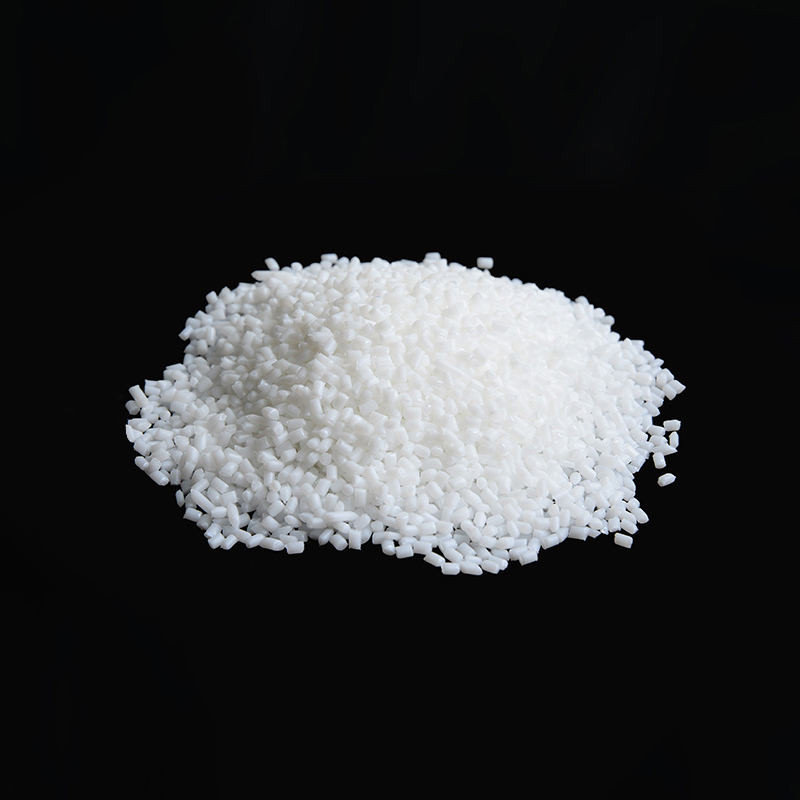
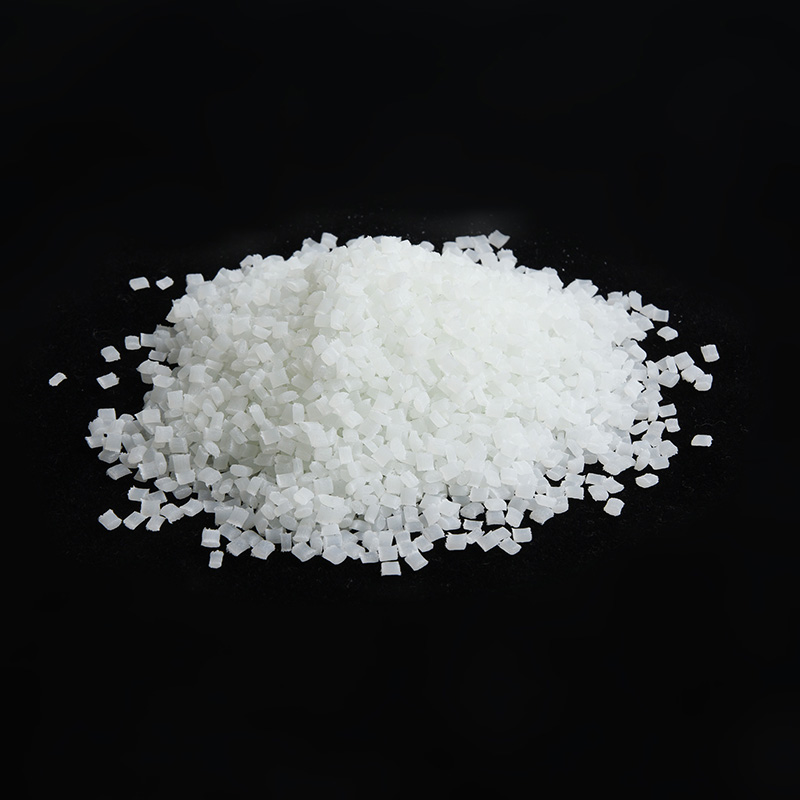 Reinforced PA6 Chips for High-Load Engineering ApplicationsThese reinforced PA6 chips offer improved strength, stiffness, and heat resistance over standard nylon. They suit demanding parts like automotive components and electrical housings, where creep and wear resistance are critical for long-term reliability.View Product →
Key Risk Factors: What Actually Determines Polyamide Safety
Only a few variables control the safety of the final polyamide product. Knowing these variables lets any engineer or buyer evaluate raw material quickly without relying on vague promotional language.
1. Residual Monomer Content
Caprolactam is the monomer of PA6. Hexamethylene diamine is the monomer of PA66. If residual monomer levels are high, the material gives off a noticeable odor and releases small amounts of the monomer into washing water or into a packaged product. The level is determined by polymerization efficiency and post-processing. High-quality chips from advanced producers keep residual caprolactam after solid-state condensation below 0.1%.
2. Additive Package
Polyamide formulations typically contain antioxidants, heat stabilizers, UV stabilizers, and possibly flame retardants. Since the polymer chain is inert, the additive package effectively defines the safety profile of the compound. Non-halogenated flame retardants, aluminum diethylphosphinate, and melamine polyphosphate are commonly used to reduce fire risk without introducing the toxic byproducts of halogenated systems. The trade-off is usually tensile strength and impact resistance, which must be managed through the polymer grade selection.
3. Dye and Coating Quality
Low-quality dyes on a polyamide fabric are the single largest risk for textile products. These dyes have poor washing fastness and can migrate onto the skin. A simple rub test on a finished garment can reveal this issue. If color transfers to a white cloth, the dyeing system is too weak for extended skin contact. High-quality reactive dyes and properly fixed dyestuffs do not migrate, even in sweat-saturated garments.
4. Recycled Feedstock Quality
Recycled polyamide chips originate from post-industrial waste, fishing nets, or textile offcuts. If the sorting step is careful, the reclaimed chips can be as clean as virgin polymer. If the waste includes coated fabrics, polycarbonate parts, or food packaging, the recycled product may carry BPA, phthalates, or heavy metals into the final material. Strict multi-stage separation and batch testing for contaminants are mandatory for a safe recycled grade.
5. Thermal Processing Conditions
In injection molding or extrusion, polyamide can oxidize and degrade if the melt temperature exceeds the recommended processing window. Overheating generates off-gas, black specks, and molecular weight loss. The final molded part stays safe to touch, but the factory process data must show controlled barrel temperatures, appropriate residence time, and regular cleaning of the screw.
| Risk Factor | Typical Source | Exposure Route | Mitigation Strategy |
|---|---|---|---|
| Residual monomer | Incomplete polymerization | Skin and mouth contact during washing | Solid-state polymerization of chips |
| Additives | Flame retardants, plasticizers | Fire smoke, long-term skin contact | Non-halogenated, low-migration packages |
| Dyes | Low-cost textile dyeing | Skin absorption during sweating | High-quality, well-fixed dyes |
| Recycled content | Mixed waste streams | Ingestion and skin exposure | Multi-stage separation and batch testing |
| Thermal degradation | Overheating during melt processing | Inhalation of decomposition products | Strict process temperature control |
How to Choose a Safer Polyamide Grade for Your Product
If you source polyamide chips or compounds, a short checklist can help you make safe decisions without relying on marketing messages. This section is written for procurement managers, product engineers, and factory owners who need to defend their material choice in technical terms.
Request the residual monomer data
Ask the supplier for a typical caprolactam or hexamethylene diamine value from the current production batch. A level below 0.1% is appropriate for food-contact and textile applications. Be aware that some suppliers publish only the grade specification, not the actual batch result. Requesting batch data creates a stronger safety verification.
Match the additive package to your application
For electronics, choose flame retardant grades with low migration and high tracking resistance. For food-contact items, use uncolored food-contact grades without halogenated additives. For outdoor equipment, use UV-stabilized formulations that do not yellow or lose mechanical performance after long sun exposure.
Verify the dye process for textile applications
When you buy activewear, socks, or technical textiles, request the color fastness properties of the dyeing system. High-quality dyes should not rub off on a white cloth and should be resistant to sweat and bodily fluids. If the fabric supplier cannot supply test data for color fastness when exposed to sweat, the material may not be safe for prolonged skin direct contact.
Use a responsible supply chain
Polyamide chips from unrecognized sources sometimes contain contaminated regrind, foreign polymers, and elevated monomer levels. A responsible supplier presents residual monomer values, ash content, relative viscosity, and batch consistency. These numbers are measurable and reproducible, which means you can verify them by tests at your own laboratory.
Prefer solid-state polymerized chips
Polyamide chips that have passed through solid-state polymerization have lower monomer content, higher molecular weight, and excellent dimensional stability. For engineering components that must hold tight tolerances or withstand heat aging, this chip form is the safe choice.
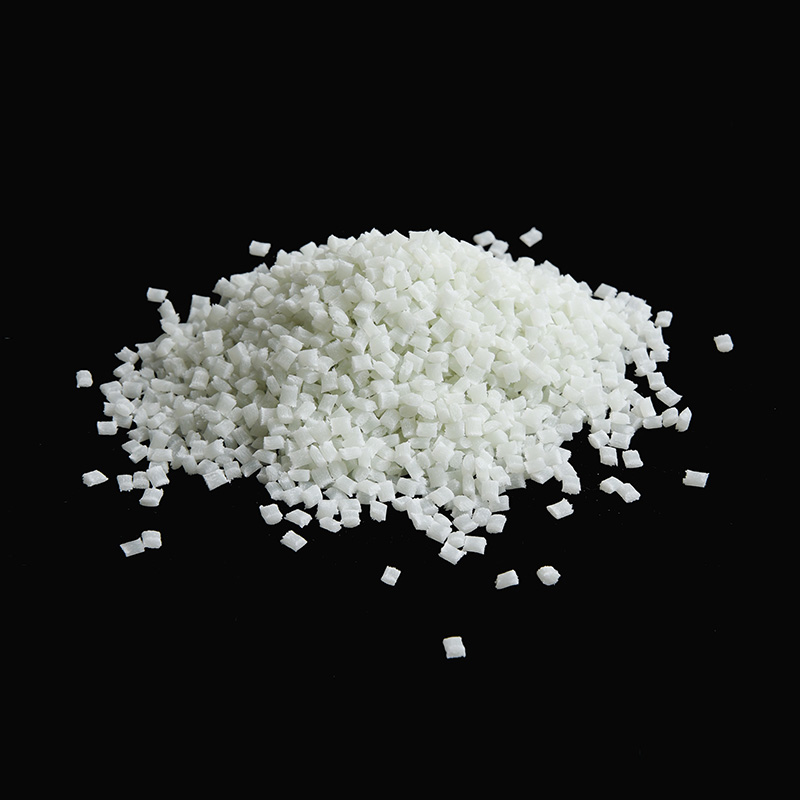
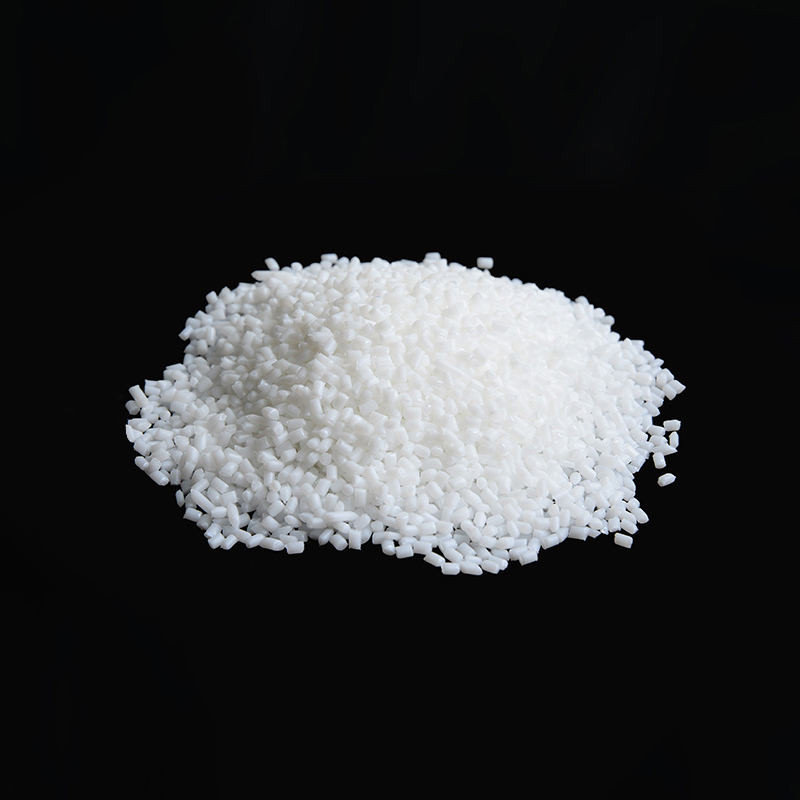 Flame Retardant PA6 Chips for Fire-Safe Electrical and Automotive PartsModified with flame retardants, these PA6 chips slow burning and reduce smoke in fire situations. They maintain mechanical properties and are ideal for connectors, appliance housings, and other parts requiring strict fire safety standards.View Product →
Polyamide in Industrial Engineering: Performance and Safety in Real Applications
Polyamide is a favorite in most manufacturing sectors because it combines high tensile strength, toughness, and chemical resistance against oils, greases, and fuels. The safety discussion in industrial engineering is closely tied to mechanical reliability, but health and reliability are connected through the additive package.
Automotive Components
In automotive applications, PA6 and PA66 go into engine covers, intake manifolds, airbag containers, and structural brackets. Glass-reinforced grades deliver the stiffness required to hold bolts and to keep sealing systems flat. A poorly stabilized material could lose mechanical strength after heat aging, causing a functional failure rather than a health problem. Heat-stabilized enhanced PA6 chips are used precisely because they maintain properties after 1,000 hours of continuous service above 130°C.
Sports and Leisure Equipment
Bicycle frames, ski boots, fishing reels, and tennis racket grommets use polyamide. Toughened grades absorb repeated impacts without cracking. The critical safety requirement here is cold-temperature impact resistance, because materials can become brittle in winter or at high altitude. Toughened PA6 or PA66 with impact modifiers delivers resilience down to -30°C, which is important for any outdoor equipment.
Industrial Products
Pumps, valves, gear wheels, and sensor housings frequently use polyamide because it slides cleanly against steel and survives contact with mineral oil. The safety consideration in industrial settings relates to wear particles. In food-processing equipment, the polyamide grade must have no colored pigments and must avoid fillers that could migrate into food materials. A clean natural grade with low oligomer content is the best fit for this environment.
Small Appliances and Consumer Electronics
Power tool housings, hair dryer bodies, coffee machine parts, and electrical connectors make extensive use of polyamide. Flame retardant grades are mandatory in these segments because the device may be subjected to overload, arcing, or direct heating. The right grade must pass fire testing without losing insulation resistance after humidity exposure. A good flame retardant system reduces the risk of thermal runaway while keeping the connector stable during its service life.
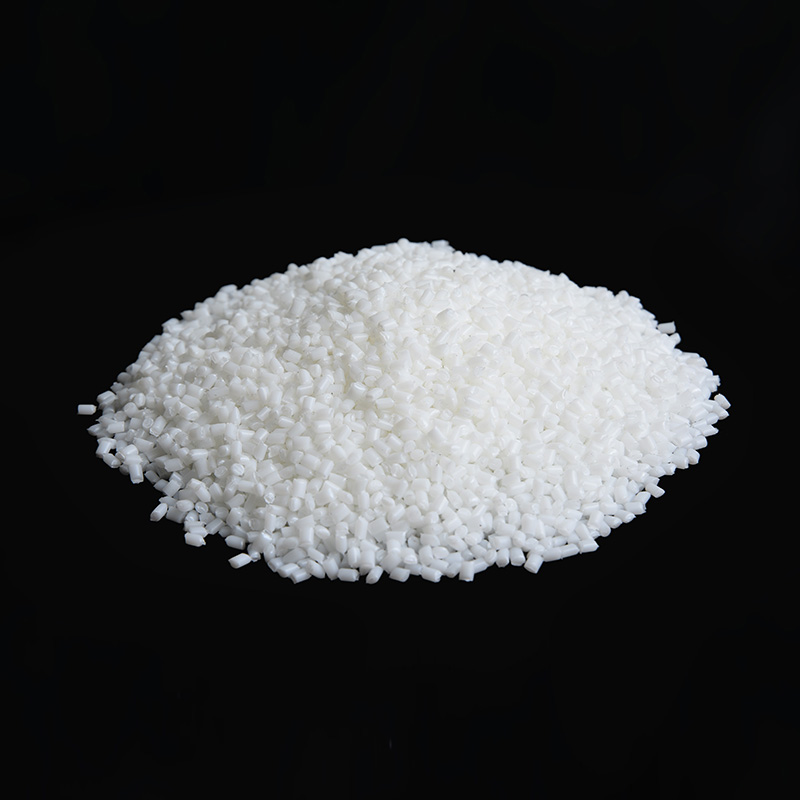
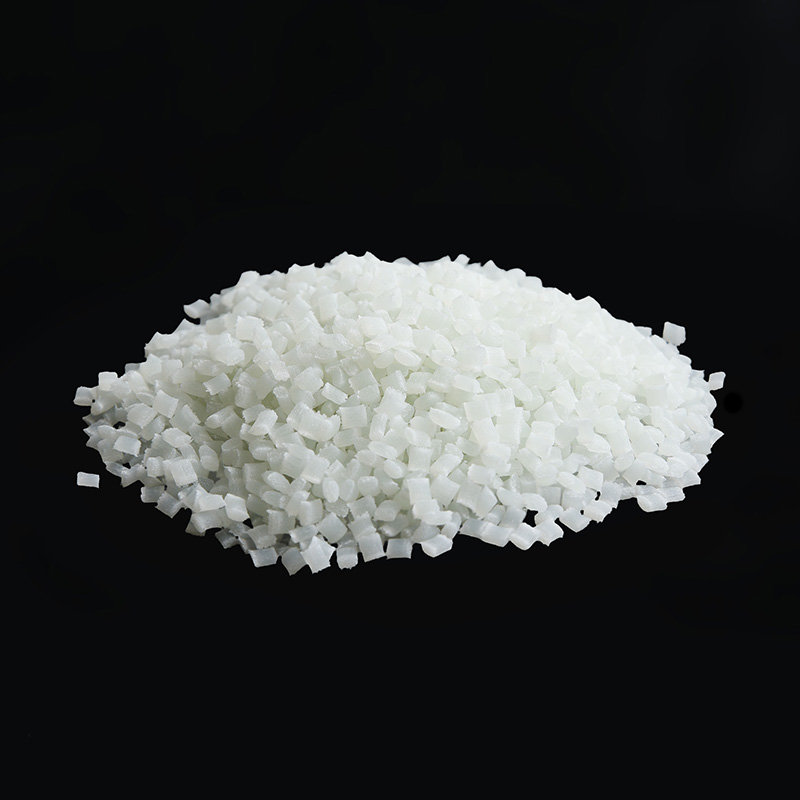 Recycled Polyamide Granules for Sustainable ManufacturingThese recycled polyamide granules provide a more sustainable option for producing nylon components. Suitable for a range of applications, they help reduce environmental impact while meeting the performance needs of industrial and consumer products.View Product →
Common Misconceptions About Polyamide Toxicity
Several persistent false beliefs make it harder for engineers and consumers to separate facts from fear. The following misconceptions are widely repeated online, and each deserves a clear correction.
Misconception 1: Polyamide contains BPA
BPA is a bisphenol compound used in polycarbonate and epoxy resins. It is not a building block of nylon. The BPA found in some athletic garments enters the fabric through recycled polyester feedstock, poor-quality dyes, or surface coatings. If you start with clean polyamide resin and high-quality dyes, the finished product has no measurable BPA.
Misconception 2: Petroleum-based polymers are automatically toxic
Raw material origin does not define toxicity. Glass, ceramic, and graphite are all derived from mined sources and are regularly used in medical implants. What matters is the molecular structure of the final product and the presence or absence of leachable small molecules. A pure polymer made from petroleum feedstocks can be completely inert.
Misconception 3: Polyamide causes frequent skin allergies
Allergic contact dermatitis from polyamide is possible but rare. The more common culprits are amine-based curing agents, dye setters, and nickel-containing pigments used in colored textiles. The same polyamide material in an uncolored, low-additive form is tolerated by most skin types. To be safe with sensitive wearers, use undyed or lightly dyed polyamide fabric with clear color fastness data.
Misconception 4: All polyamide harms the environment
Virgin polyamide production does consume significant energy. However, polyamide is extraordinarily durable and recyclable. Mechanically recycled polyamide granules use far less energy than virgin polymer production. In closed-loop systems, recycled chips are used to manufacture housing parts, cable clips, and automotive components, keeping usable material out of landfill.
Misconception 5: Polyamide emits toxic gas during normal use
Even at high ambient temperatures, solid polyamide parts do not release toxic gases. Emissions occur only during thermal breakdown, such as during an uncontrolled overheat in an extruder or in a fire. In standard service conditions, a molded polyamide part is stable and safe.
Frequently Asked Questions
Q: Is polyamide safe for skin?
In its solid, finished form, polyamide is safe for skin contact. The polymer does not dissolve, does not penetrate the outer skin layer, and does not provoke an immune response by itself. Problems appear when the material is dyed with poor-quality chemicals or when it is made from contaminated recycled feedstocks. A clean, uncolored polyamide grade is normally well tolerated.
Q: Can polyamide cause cancer?
There is no credible scientific evidence linking the polyamide molecule itself to cancer. The concern centers on additives and residual compounds that can be present in the final product. If a manufacturer uses high-quality raw materials and a clean additive package, the finished part is not carcinogenic. The distinction between base polymer and additives is exactly where many online claims go wrong.
Q: Is polyamide food-safe?
Yes, when it is manufactured specifically for food contact. This means residual monomer is very low, no harmful additives are present, and the material has been tested for migration. Food-grade PA6 chips are used in coffee machines, food containers, and kitchen appliances across the world. The key is the production specification, not the chemistry of polyamide.
Q: Why do some articles say polyamide is toxic?
Most articles combine the polymer molecule with additives, dyes, and finishing chemicals. The true toxicological risk is not the base polymer but the chemical set around it. A single article mentioning PET, polycarbonate, and polyamide in the same paragraph can obscure the real difference between these materials.
Q: How can I identify a safe polyamide product?
Look for residual monomer data below 0.1%, clear disclosure of the additive system, good color fastness in dyed textiles, and a supplier that can provide batch-level test results. Asking for these documents is a normal technical request and should not be treated as an unusual requirement by a responsible supplier.
Q: Is recycled polyamide as safe as virgin polyamide?
If the recycle stream is carefully sorted and washed, recycled polyamide can be as safe as virgin material. Heat history during recycling can reduce molecular weight, so recycled grades often perform best in less demanding applications. The article on recycled polyamide granules in the circular economy explains how contamination control separates safe recycled polymers from unsafe ones.
Q: Does polyamide absorb water and cause mold?
Polyamide can absorb up to about 3% water in the PA6 grade because of its amide groups. The absorption is physical, not chemical. It does not feed mold growth, but it can change dimensional stability. Snow and humidity exposure can swell the part slightly. For components that need stable dimensions, low-water-absorption grades such as PA66 with moisture-resistant additives are recommended.
Conclusion
Polyamide itself is not a chemical hazard. It is one of the most stable engineering polymers in commercial use, with a safety record stretching back nearly a century. The practical safety of any polyamide product is shaped by the manufacturer's choices: the raw material quality, the additive package, the dyeing process, and the thermal processing conditions.
For production engineers, the key is to ask the right questions. Request batch-level residual monomer data. Confirm the flame retardant chemistry. Check dye fastness in textile applications. Reject suppliers who cannot provide these numbers. When these factors are handled correctly, polyamide is one of the safest polymers available for consumer goods, automotive components, and industrial equipment.
As manufacturers continue to improve solid-state polymerization, develop non-halogenated flame retardant systems, and build better processes for recycling, polyamide will remain a safe and high-performance choice for the next generation of products.
 Mob: +86-15867822829
 Tel: +86-0574-62538663
 Fax: +86-0574-62530664
 E-mail:
 Follow Us
 Home
Home
