


 English
 中文简体
中文简体 Español
 русский
 عربى
عربى
Content
- 1 Direct Answer: Is There a Difference Between Nylon 6 and Polyamide 6?
- 2 Terminology Breakdown: Trade Names vs. Chemical Names
- 3 The Chemical Identity of the "6" Molecule
- 4 Quick Reference Table: Comparing Names and Origins
- 5 Properties and Characteristics of PA6/Nylon 6
- 6 Why Manufacturers Might Use One Name Over the Other
- 7 Constructive Conclusion
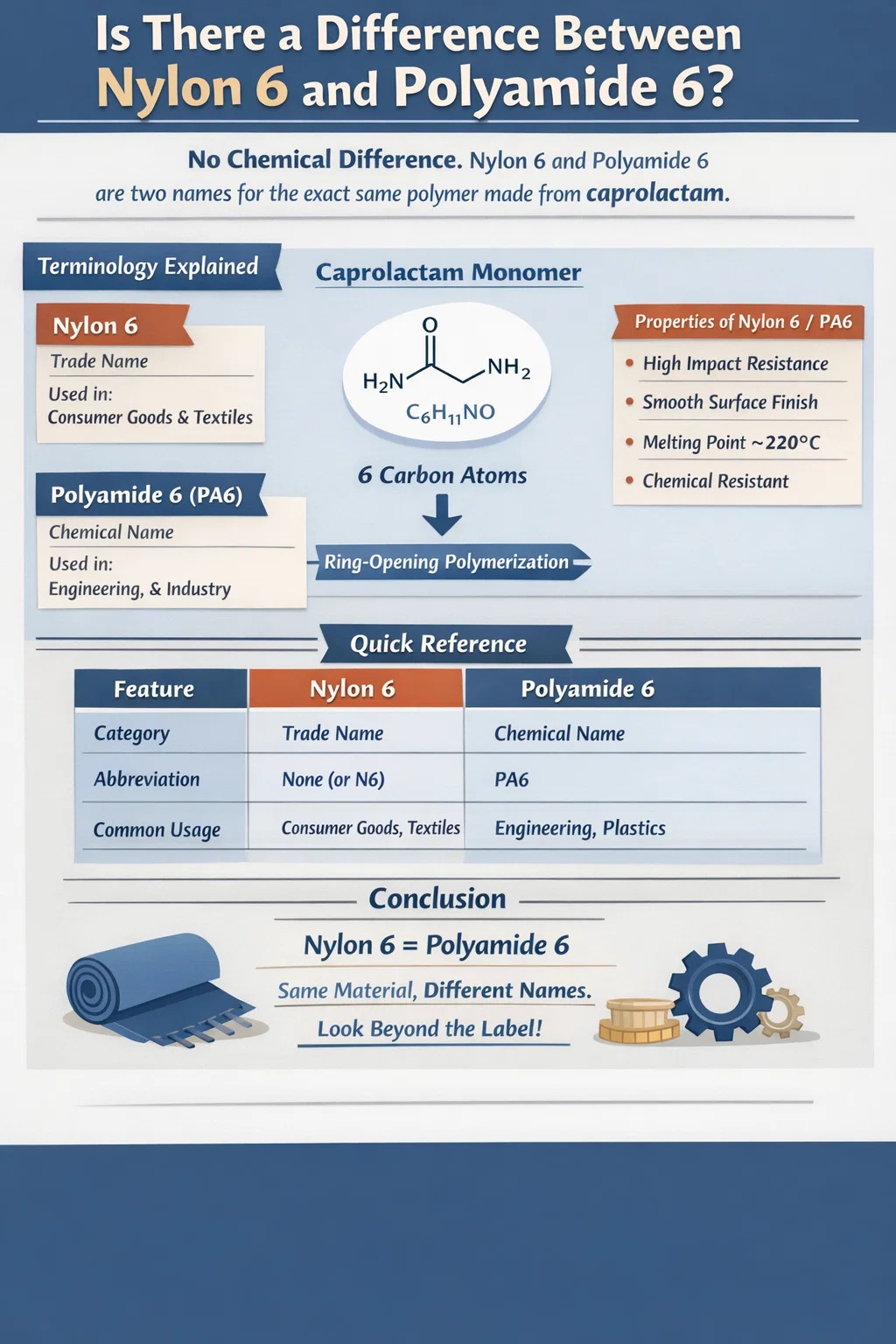
Direct Answer: Is There a Difference Between Nylon 6 and Polyamide 6?
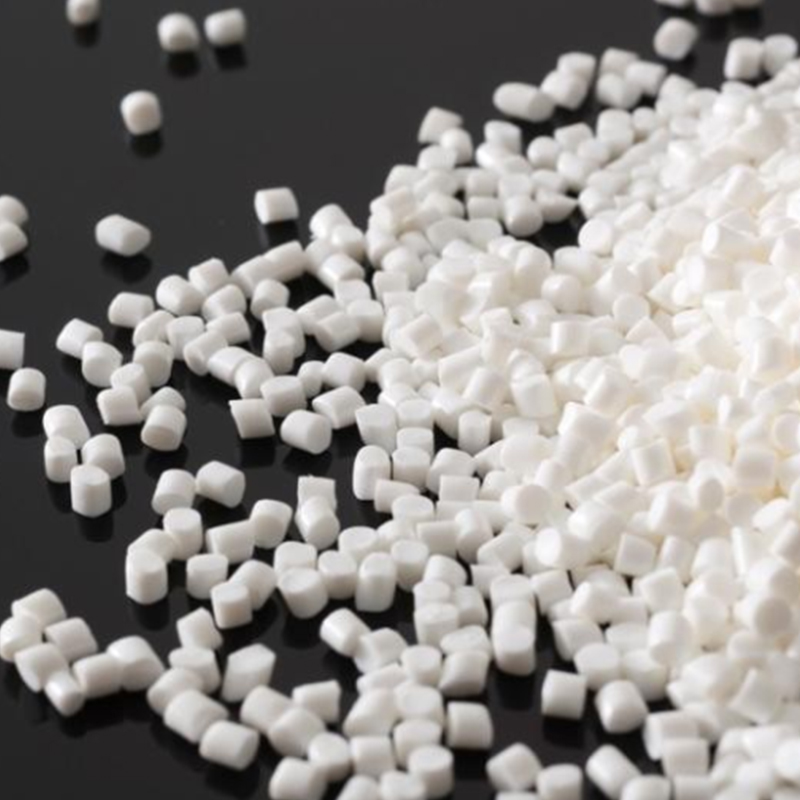
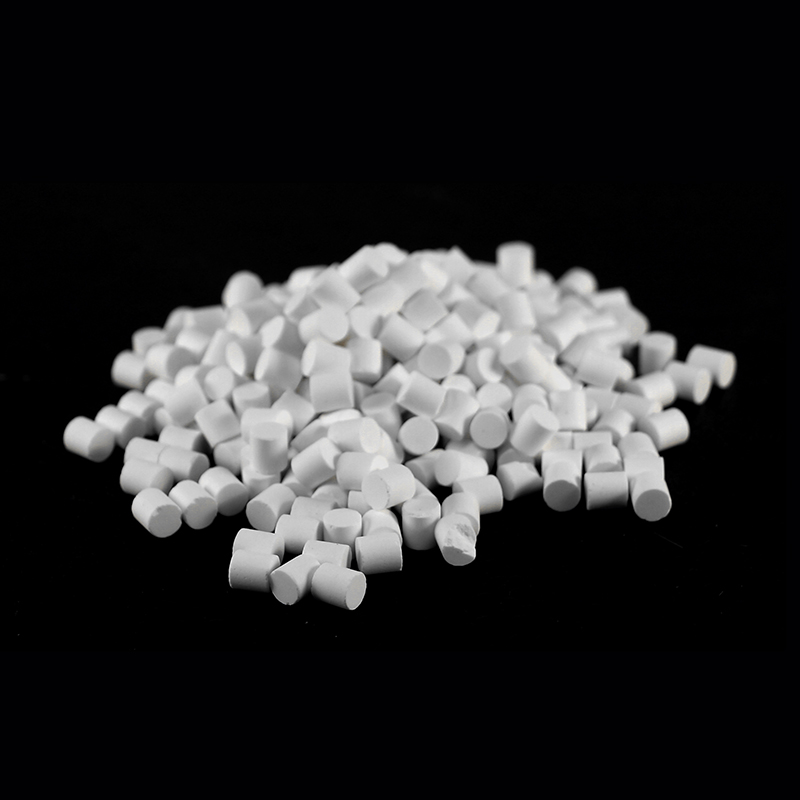
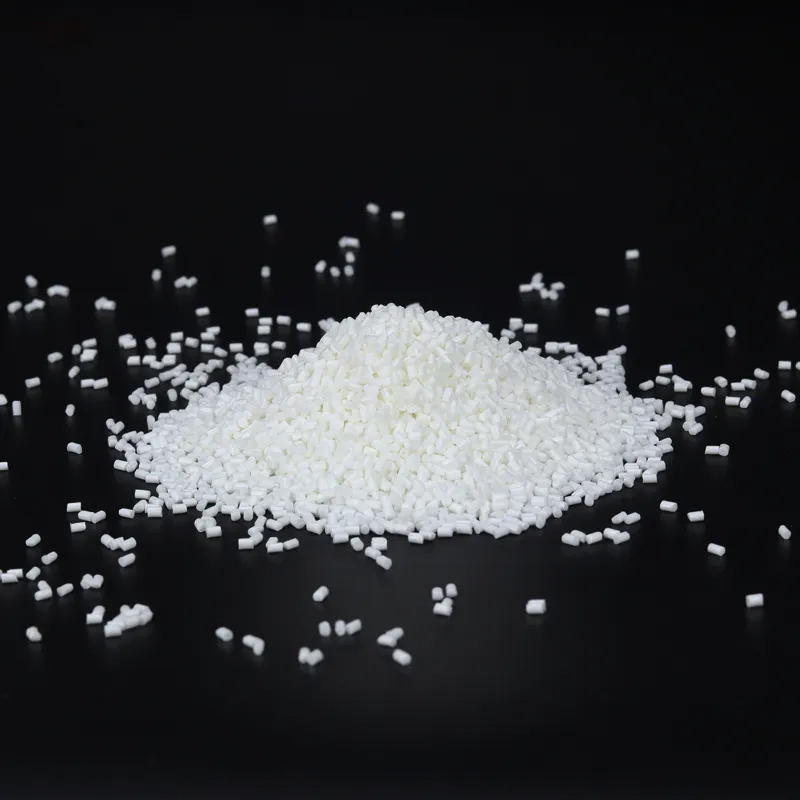
To put it simply: there is no chemical difference between Nylon 6 and Polyamide 6. They are two different names for the exact same polymer. "Nylon" is the well-known trade name originally coined by DuPont, while "Polyamide" is the formal chemical name used in science and engineering. When you see Nylon 6 on a consumer product label and Polyamide 6 on a technical data sheet, they are referring to the same material made from caprolactam monomers.
Terminology Breakdown: Trade Names vs. Chemical Names
Understanding why we have two names requires a look at industrial history and chemical classification.
The Origin of the Term "Nylon"
Nylon was the first commercially successful synthetic thermoplastic polymer. Because it became a household name for stockings and bristles, the term "Nylon" entered common parlance. Today, it serves as a genericized trademark. In the United States and the UK, Nylon 6 is the preferred term in marketing and textile industries.
The Science of "Polyamide"
The term "Polyamide" describes the chemical structure of the material—specifically, the repeating amide bonds that link the molecular chain together. In many parts of Europe and in highly technical manufacturing sectors, Polyamide 6 (often abbreviated as PA6) is the standard nomenclature used to describe the resin's properties and grades.
The Chemical Identity of the "6" Molecule
Whether you call it Nylon 6 or Polyamide 6, the number "6" refers to the specific arrangement of carbon atoms in its precursor.
The material is produced through a process called ring-opening polymerization of caprolactam. This specific monomer contains six carbon atoms. Unlike Nylon 6,6, which is made from two different monomers (each with six carbons), Polyamide 6 is formed from a single type of monomer that links into a continuous chain.
Quick Reference Table: Comparing Names and Origins
| Feature | Nylon 6 | Polyamide 6 |
|---|---|---|
| Category | Common/Trade Name | Scientific/Chemical Name |
| Abbreviation | None (or N6) | PA6 |
| Common Usage | Consumer goods, Textiles | Engineering, Industrial Plastics |
| Monomer Source | Caprolactam | Caprolactam |
Properties and Characteristics of PA6/Nylon 6
Regardless of what you call it, the material exhibits several distinct physical properties that make it a favorite in manufacturing:
- High Impact Resistance: It is tougher than many other plastics, making it ideal for parts that might be dropped or hit.
- Surface Finish: Polyamide 6 is known for its excellent surface aesthetics. It takes on color vibrantly and has a high-gloss finish.
- Lower Melting Point: Compared to Nylon 6,6, PA6 melts at approximately 220°C. This makes it easier and more energy-efficient to process via injection molding.
- Chemical Resistance: It stands up well against oils, greases, and fuels, which is why it is used so frequently in the automotive industry.
Why Manufacturers Might Use One Name Over the Other
While they are identical materials, the choice of name often signals the intended audience. Designers working on high-performance automotive manifolds or electrical housing will almost always search for Polyamide 6 specifications because the data sheets focus on technical metrics like tensile strength and heat deflection.
Conversely, a fashion brand designing a new line of yoga pants or durable backpacks will use the term Nylon 6. This is because consumers recognize "Nylon" as a synonym for "durable, stretchy, and high-quality synthetic fabric." It is a matter of marketing vs. engineering.
Constructive Conclusion
If you are sourcing materials for a project, do not be confused by the conflicting labels. Whether a supplier lists the material as Nylon 6 or Polyamide 6, you are getting the same versatile, tough, and high-quality polymer. The key is to look beyond the name and focus on the specific grade—such as whether it is glass-fiber reinforced or UV-stabilized—to ensure it meets your functional requirements.
 Mob: +86-15867822829
 Tel: +86-0574-62538663
 Fax: +86-0574-62530664
 E-mail:
 Follow Us
 Home
Home
