


 English
 中文简体
中文简体 Español
 русский
 عربى
عربى
Content
- 1 What Is TPU Material? A Direct Answer
- 2 How TPU Is Made: Hard and Soft Segments
- 3 Key Properties of TPU: Hardness, Strength, and Resistance
- 4 TPU vs Nylon (PA6, PA66, PPA): Which Fits Your Part?
- 5 Common TPU Applications by Industry
- 6 Processing TPU: Injection Molding, Extrusion, and 3D Printing
- 7 How to Choose the Right Grade: TPU or Nylon
- 8 TPU Material FAQ
What Is TPU Material? A Direct Answer
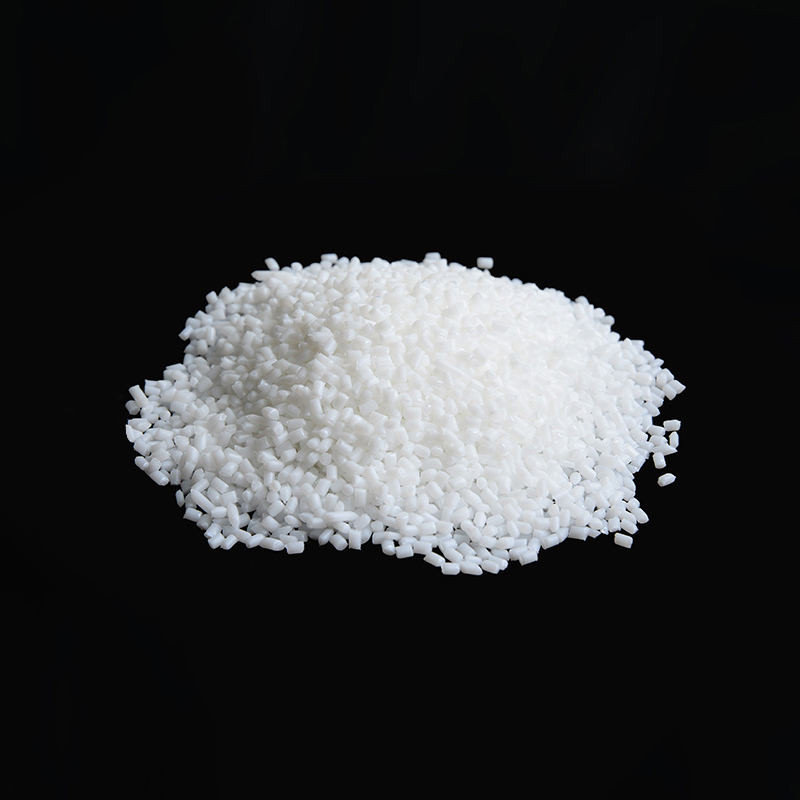
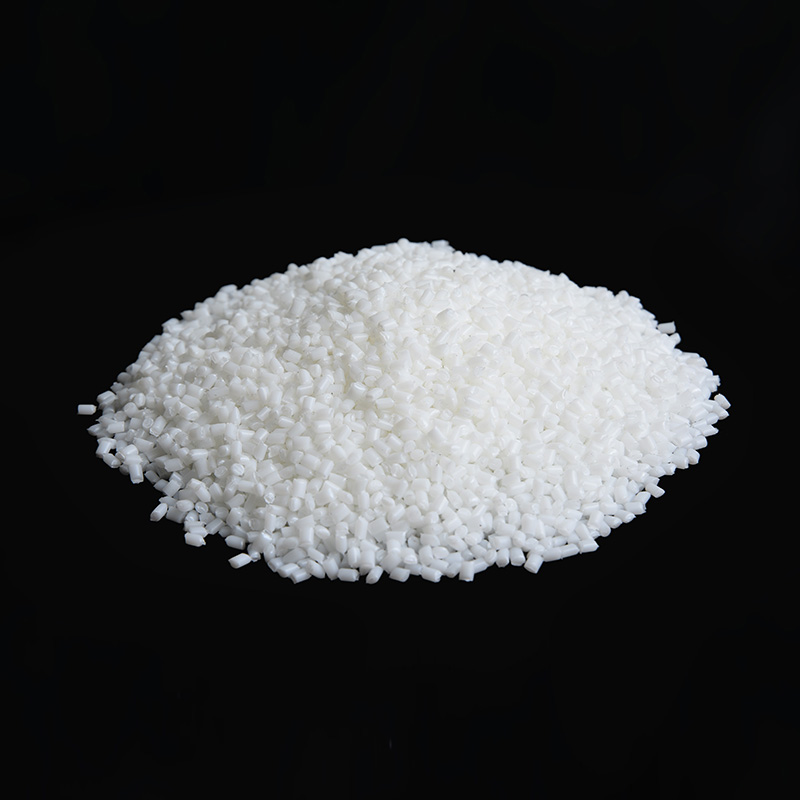
TPU, short for thermoplastic polyurethane, is a thermoplastic elastomer that behaves like rubber in the end product and like a conventional plastic on the production line. When heated, it softens and flows; when cooled, it hardens again. That reversibility is the defining difference between TPU and thermoset rubber: TPU can be injection molded, extruded, and 3D printed, and production scrap can be reground and reused.
In practical terms, TPU is the material inside flexible phone cases, industrial hoses, caster wheels, conveyor belts, cable jackets, air-suspension bellows, and soft-touch overmolds. It bends, stretches, absorbs impacts, and resists sliding wear, yet it still runs on standard plastic processing equipment.
The short conclusion for engineers and buyers: choose TPU when the part must flex, absorb repeated impacts, or survive sliding contact. Choose a rigid engineering plastic such as nylon PA6, PA66, or PPA when the part carries structural load and must hold its shape under sustained heat.Typical values from published TPU raw-material datasheets give a useful starting picture: hardness ranges from 60 Shore A to 75 Shore D, elongation at break sits between 300 percent and 700 percent, and continuous service temperature spans about -35 to 90-120 degrees Celsius depending on the grade. Exact numbers vary with the polyol type and hard-segment content, so the final grade must always be verified against manufacturer documentation.
How TPU Is Made: Hard and Soft Segments
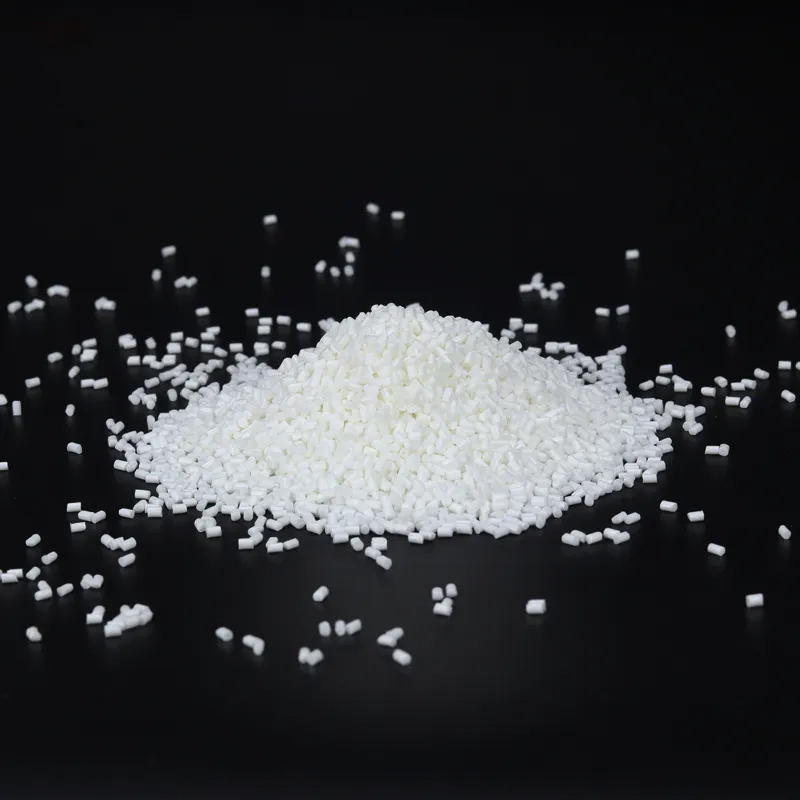
TPU is synthesized by a polyaddition reaction of three building blocks: a diisocyanate, usually MDI; a long-chain polyol, either polyester or polyether; and a short-chain diol called a chain extender. The diisocyanate reacts with the chain extender to form stiff hard segments, while the polyol forms flexible soft segments. Because these two segment types are chemically incompatible, they separate into microdomains. The hard domains act as reversible physical cross-links that give TPU strength and heat resistance, and the soft domains supply elasticity and low-temperature flexibility.
The hard-to-soft ratio determines how TPU feels
If a formulator raises the hard-segment content, the TPU becomes stiffer, stronger, and more heat resistant. If the soft-segment content rises, the TPU becomes softer, more elastic, and more flexible at low temperature. This is why TPU is a material family rather than a single recipe, and why two TPU grades with the same Shore hardness can still differ in abrasion resistance, compression set, and chemical stability.
Polyester-based versus polyether-based TPU
The two main families come from the polyol. Polyester-based TPU generally delivers higher tensile and tear strength, better abrasion resistance, and stronger resistance to oils and fuels. Polyether-based TPU performs better against hydrolysis, microbial attack, and repeated flexing in humid environments. That choice matters more than the hardness number for long service life.
| Property | Polyester-based TPU | Polyether-based TPU |
|---|---|---|
| Tensile and tear strength | Higher | Slightly lower |
| Abrasion resistance | Excellent | Very good |
| Oil and fuel resistance | Excellent | Good |
| Hydrolysis resistance | Moderate | Excellent |
| Low-temperature flexibility | Good | Excellent |
| Microbial resistance | Moderate | Excellent |
Key Properties of TPU: Hardness, Strength, and Resistance
The property ranges below appear repeatedly in supplier technical literature and are the ones engineers ask about first during material selection.
| Property | Typical range | Practical implication |
|---|---|---|
| Hardness | 60 Shore A to 75 Shore D | Soft grades handle sealing and grip; hard grades act like impact-resistant rigid plastics |
| Tensile strength | 25-70 MPa | Strong enough for load-bearing flexible parts |
| Elongation at break | 300-700 percent | High stretch prevents brittle failure in snap-fit and press-fit designs |
| Tear resistance | High in both families | Resists punctures, cuts, and edge tears |
| Abrasion resistance | Excellent, top tier among flexible polymers | Long lifespan in sliding or scraping contact |
| Low-temperature flexibility | Usable down to about -35 degrees Celsius or lower | Keeps flexibility in cold environments |
| Continuous service temperature | 80-120 degrees Celsius by grade | Avoid sustained heat near engines or hot fluids |
Hardness behavior
Shore hardness is the fastest way to communicate a TPU requirement. Common flexible-part grades sit between 80A and 95A, while semi-rigid grades run from 55D to 75D. Hardness alone is not enough: compression set and tear strength predict long-term sealing and repeated-flex behavior better, especially in gaskets and bellows.
Mechanical strength and elasticity
Tensile strength in the 25-70 MPa range is modest next to metals or glass-filled nylon, but TPU pairs that strength with 300-700 percent elongation. The combination determines energy absorption: the material deforms rather than cracks, then returns to its original shape. That is why TPU bumpers and cases survive drops that would fracture rigid housings.
Thermal limits
Standard TPU grades are rated for continuous service around 90-120 degrees Celsius. Short-term peaks can be higher, but prolonged exposure breaks down the elastomer network and reduces mechanical properties. If the application sits near a hot engine, inside an enclosed lighting assembly, or anywhere solder heat is applied, nylon or PPA is the safer direction.
Chemical and environmental resistance
Polyester-based TPU resists oils, fuels, and solvents well. Polyether-based TPU resists water, hydrolysis, and microbial growth. Sunlight exposure discolors and embrittles unmodified TPU, so outdoor parts use carbon black or UV-stabilized grades. The correct grade always depends on the specific chemicals the part will touch.
TPU vs Nylon (PA6, PA66, PPA): Which Fits Your Part?
TPU and nylon are both high-performance polymers with different engineering answers. Nylon, also called polyamide, is a rigid semicrystalline engineering thermoplastic whose chemistry and grades are explained in our article on what nylon material is. TPU is an elastomer. The choice usually distills to one question: does the part bend and bounce, or carry load and hold shape?
| Criterion | TPU | PA6 | PA66 | PPA |
|---|---|---|---|---|
| Material class | Thermoplastic elastomer | Semicrystalline nylon | Semicrystalline nylon | High-performance polyamide |
| Flexibility | High | Low | Low | Low |
| Typical hardness | 60A to 75D | Rigid | Rigid | Rigid |
| Heat resistance | 80-120 degrees Celsius | Moderate | Higher than PA6 | Highest of the four |
| Moisture absorption | Low to moderate | High | High | Low |
| Abrasion resistance | Excellent | Good | Good | Good |
| Dimensional stability | Moderate | Affected by moisture | Affected by moisture | Excellent |
| Typical part types | Seals, hoses, cases, overmolds | Gears, housings, brackets | Stronger structural parts | Electronics, heat-duty components |
Choose TPU when the part must flex
- Seals, bellows, grommets, and dust boots that bend on every cycle
- Protective cases and drop-absorbing housings for electronics and tools
- Caster wheels, skate wheels, and conveyor rollers exposed to constant wear
- Hoses and tubing that need oil resistance and a tight bend radius
- Soft-touch overmolds on grips, handles, and knobs
Choose nylon when the part must carry load and hold shape
- Gears, pulleys, and bearings that need rigidity and wear resistance
- Structural brackets and housings where flex would cause misalignment
- Parts running continuously above 120 degrees Celsius
- Components that must keep dimensions in humid heat, which favors low-moisture PPA
For parts that land in the nylon column, the next step is matching the nylon chemistry to the requirement. The PA6 chips series is the standard starting point for enhanced stiffness and balanced cost. If strength and heat deflection both matter, the PA66 chips series upgrades the mechanical ceiling. For electronics and heat-exposed parts, the PPA plastic series keeps water uptake low and dimensional stability high.
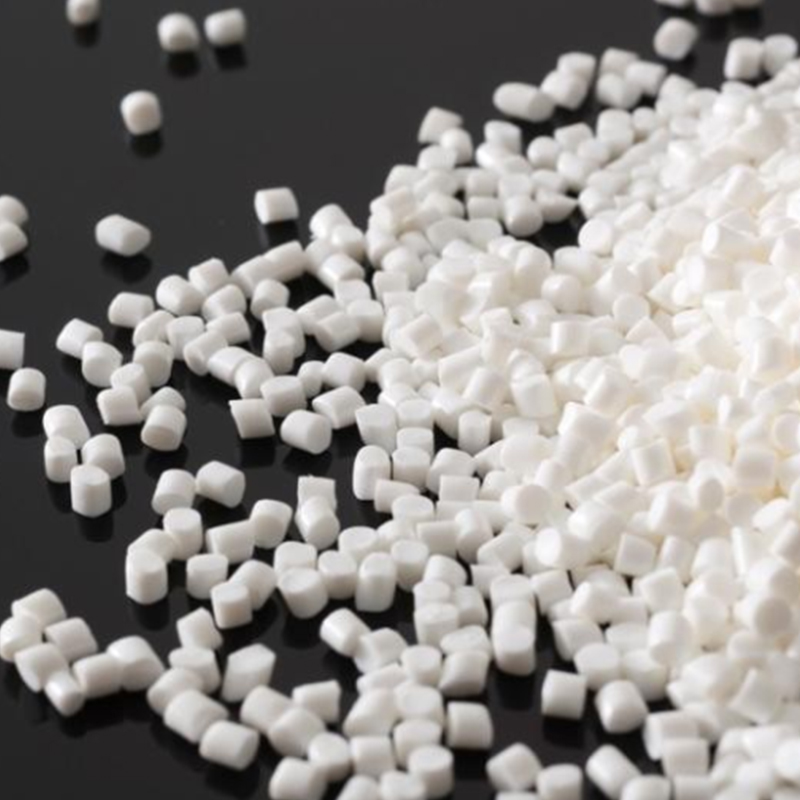 PPA Plastic Chips Manufacturers, Polyphthalamide Plastic Chips FactoryAs China PPA plastic chips manufacturers and polyphthalamide plastic chips factory, Ningbo Frontechnic New Material Technology Co., Ltd s...View Product →
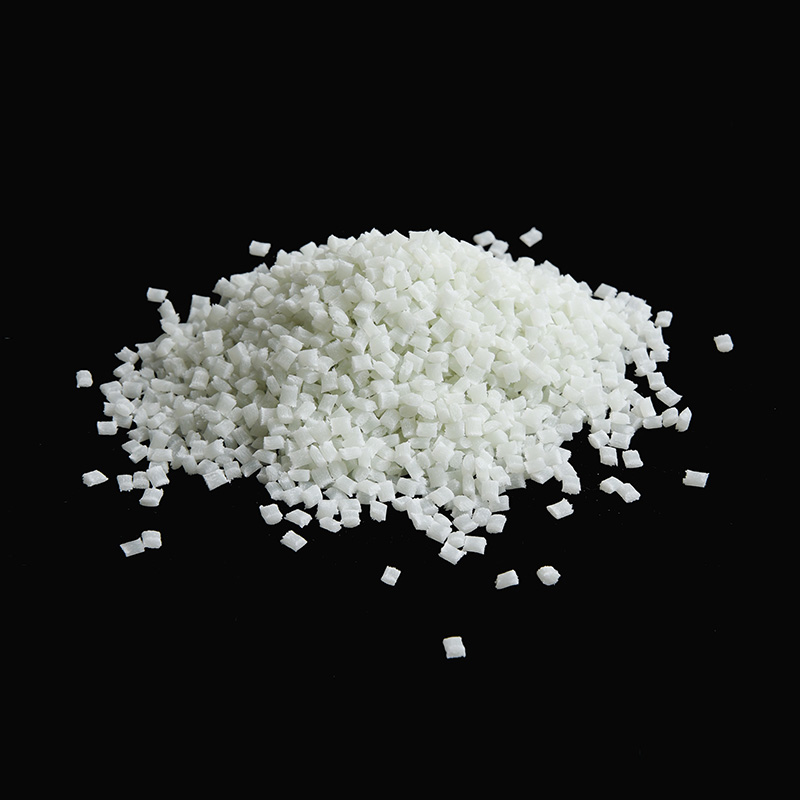 Nylon 66 Chips, Polyamide 66 Chips, PA66 Chips Manufacturers, FactoryAs China nylon 66 chips manufacturers and Polyamide 66 chips, PA66 chips factory, Ningbo Frontechnic New Material Technology Co., Ltd pro...View Product →
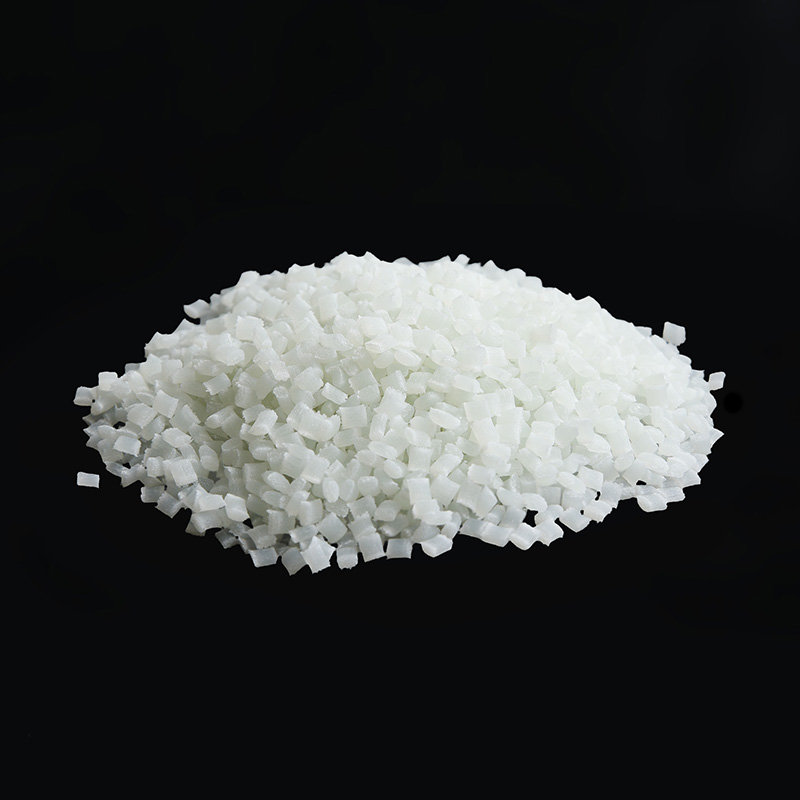 Nylon 6 Chips, Polyamide 6, PA6 Chips Manufacturers, FactoryAs China nylon 6 chips manufacturers and Polyamide 6 chips, PA6 chips factory, Ningbo Frontechnic New Material Technology Co., Ltd profes...View Product →
Common TPU Applications by Industry
TPU's processing flexibility shows up across very different products. The typical uses below are organized by sector so you can locate the closest analog to your own part.
- Consumer electronics: flexible phone cases, smartwatch bands, protective bumpers, earbud housings, and cable strain reliefs.
- Automotive: air-suspension bellows, protective boots, grommets, cable sheathing, and interior soft-touch surfaces.
- Industrial: conveyor belts, drive belts, caster wheels, high-pressure hoses, seals, diaphragms, and damping elements.
- Footwear and sporting goods: shoe soles, cleats, protective pads, and inflatable structures.
- Textiles and coated fabrics: waterproof membranes, inflatable boats, and protective clothing layers.
- Additive manufacturing: flexible prototypes, custom gaskets, and low-volume soft parts printed in TPU filament or powder.
Processing TPU: Injection Molding, Extrusion, and 3D Printing
TPU processes on conventional plastics equipment, but it follows different rules than rigid thermoplastics. The two points that cause the most quality problems are moisture and shear.
Drying is not optional
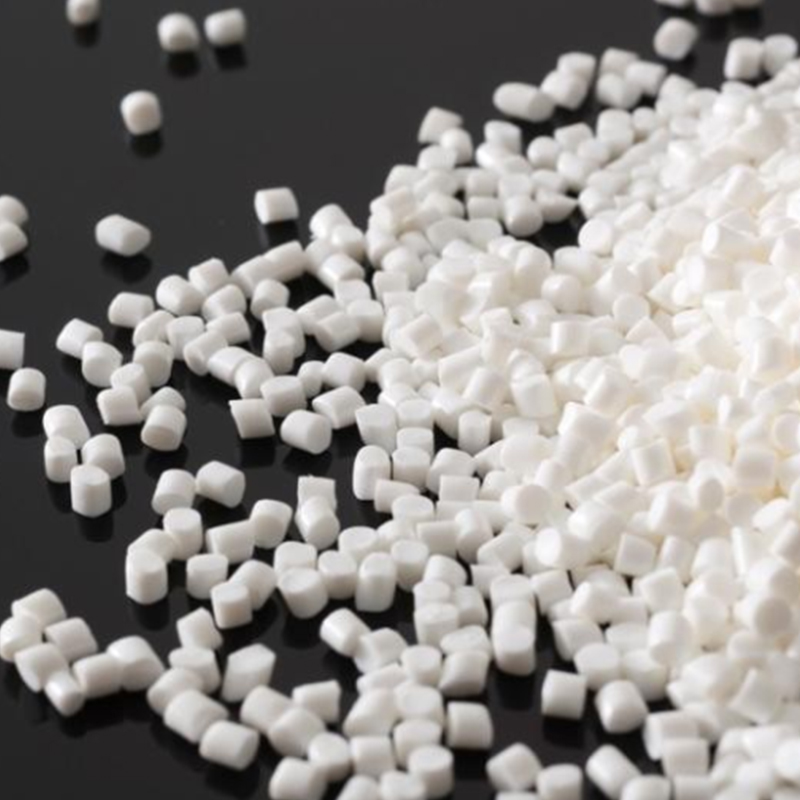
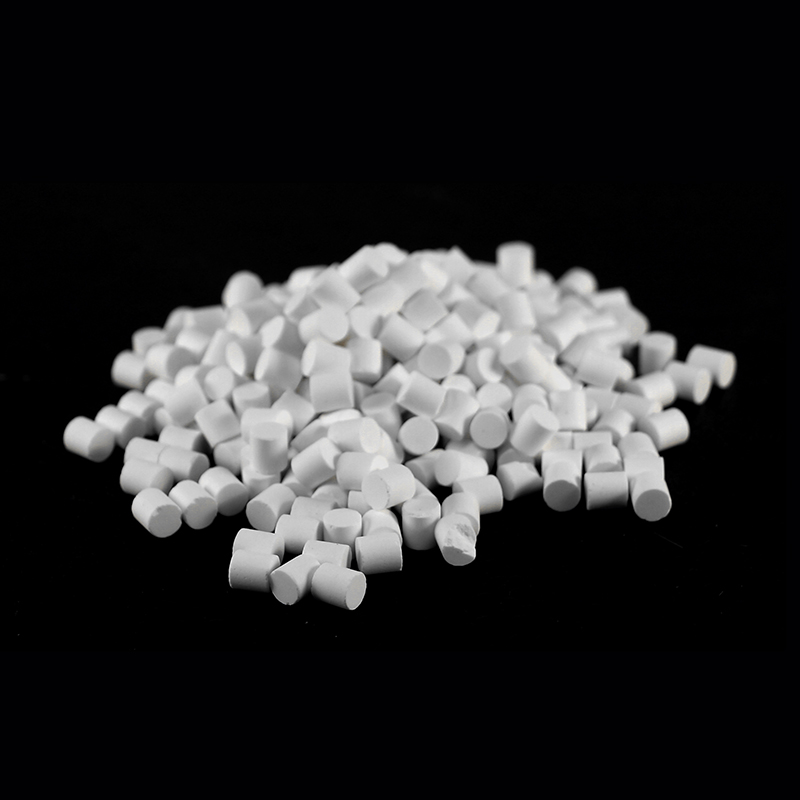
TPU pellets absorb moisture quickly. Most suppliers recommend drying at 80-100 degrees Celsius for two to four hours before processing. Undried material produces splay marks on molded parts and a measurable drop in mechanical properties because the moisture degrades the polymer during melting.
Injection molding guidelines
Typical melt temperatures stay in the 170-220 degrees Celsius range depending on the grade. Molds are often kept between 20 and 50 degrees Celsius. Because TPU viscosity is sensitive to shear rate, the common failures are burn marks from high injection speed and short shots from poor venting. Increasing gate and runner cross-sections fixes most filling problems before any formulation change is needed.
Extrusion and 3D printing
Film, sheet, and tube extrusion follow the same drying rule and use slightly lower melt temperatures than molding. For FDM 3D printing, a typical 95A TPU filament prints at nozzle temperatures around 220-250 degrees Celsius and at slower feed rates than PLA or nylon to keep the soft filament from buckling. Printed TPU parts sacrifice some strength compared with molded parts due to layer adhesion, but they work well for prototypes, gaskets, and custom soft components.
How to Choose the Right Grade: TPU or Nylon
Use the sequence below to filter the decision quickly.
- Decide whether the part must flex or stay rigid. Elastic recovery in sealing and impact means TPU; load-carrying and dimensional accuracy means nylon.
- Set the hardness target. Watch bands and grips sit around 80-95A; structural but slightly flexible parts start at 55D and above.
- Choose the polyol family. Oily and fuel environments favor polyester-based TPU; humid or outdoor environments favor polyether-based TPU.
- Check the thermal ceiling. Continuous heat above 120 degrees Celsius disqualifies most standard TPU grades and points to PA66 or PPA.
- Verify moisture and dimensional stability. Parts exposed to humid heat hold tolerances better in PPA than in standard PA6.
Supply considerations also play a role. The current state of the nylon 6 chip industry affects pricing and lead times for PA6-based materials, which is worth checking before committing to a large production run. If recyclability is a priority, recycled polyamide granules are one of the available routes for closing the loop on nylon waste.
TPU Material FAQ
Is TPU the same as rubber or silicone?
No. TPU is a thermoplastic elastomer, so it melts and can be remolded. Thermoset rubber cures and cannot be remelted. Silicone is a different elastomer with higher heat tolerance but softer tear and abrasion behavior. TPU wins where abrasion and toughness are the priority; silicone wins where extreme heat and low compression set dominate.
What do hardness numbers like Shore 95A and Shore 55D mean?
Shore hardness measures resistance to indentation with a durometer. A-scale numbers below 80 describe soft, rubbery materials; numbers above 90A describe firm flexible materials. D-scale numbers above 50 describe semi-rigid materials that still have some flexibility. The 95A and 55D regions feel similar in hand, but the two scales use different indenters, so compare only within the same scale or use a conversion chart.
What temperature can TPU withstand?
Continuous service limits for standard TPU grades sit around 80-120 degrees Celsius depending on the formulation, and polyether types remain flexible down to about -35 degrees Celsius or lower. For sustained heat above 120 degrees Celsius, PA66 with heat stabilizers or PPA is the more appropriate material.
Can TPU be recycled?
Because TPU is thermoplastic, production scrap and sprues can be reground and reprocessed, and recycled TPU grades are commercially available. That same remeltability runs through the nylon family, where recycled polyamide granules are used to reduce virgin material content in molded products.
Which resists oil better: TPU or nylon?
Polyester-based TPU offers excellent oil and fuel resistance, generally better than unreinforced nylon in flexible sealing applications. Nylon also resists oils, but it absorbs water and that moisture affects dimensions over time. For a flexible part in constant contact with oil, TPU is the usual first choice.
Is TPU difficult to injection mold?
TPU is not inherently difficult, but it demands stricter process control than most nylon grades. Keep the pellets dry, use a lower melt temperature than many engineering plastics, and design generous gates and vents; the material fills fine. In tooling design, TPU tolerates lower mold temperatures and shorter cycles than heat-stabilized nylons.
 Mob: +86-15867822829
 Tel: +86-0574-62538663
 Fax: +86-0574-62530664
 E-mail:
 Follow Us
 Home
Home
