


 English
 中文简体
中文简体 Español
 русский
 عربى
عربى
Content
- 1 What Is Injection Molding? A Direct Answer
- 2 How Does Injection Molding Work? The Four-Step Cycle
- 3 Machine Architecture and Mold Construction
- 4 Common Types of Injection Molding Processes
- 5 Material Selection for Injection Molding: Why Polyamides Matter
- 6 Design Rules for Injection Molded Parts
- 7 Common Injection Molding Defects and Practical Fixes
- 8 Advantages and Limitations of Injection Molding
- 9 Cost Drivers in Injection Molding
- 10 Sustainability and Material Efficiency
- 11 Frequently Asked Questions
- 11.1 Q1. Is injection molding limited to thermoplastics?
- 11.2 Q2. How long does an injection molding cycle take?
- 11.3 Q3. What is the minimum production volume for injection molding?
- 11.4 Q4. Why are PA6 and PA66 the most popular injection-molding nylons?
- 11.5 Q5. What is the difference between injection molding and 3D printing?
- 12 Final Thoughts
What Is Injection Molding? A Direct Answer
Injection molding is a manufacturing process that converts plastic pellets into finished parts by melting the polymer, injecting it under high pressure into a closed steel mold, cooling it until it solidifies, and ejecting the finished part. The mold contains the inverted shape of the product, and the entire sequence runs automatically in cycles that typically last from 15 seconds to several minutes.
The practical result of this design is straightforward: the cost of each part falls sharply as production volume rises, because the expensive mold is shared across every piece. That is why injection molding is the default route for mass-produced plastic components, including automotive engineering parts, electronic housings, appliance components, industrial products and sporting goods.
How Does Injection Molding Work? The Four-Step Cycle
Every injection molding cycle follows the same four steps: clamping, injection, cooling and ejection. An injection molding machine performs these steps with two main systems: an injection unit that melts and delivers the resin, and a clamping unit that holds the mold shut.
Step 1: Clamping
The clamping unit locks the two halves of the mold together. The clamping force, rated in tons, must resist the pressure of the molten plastic pushing against the cavity walls. A widely used industry rule is 2 to 4 tons of clamping force per square inch of projected part area. If the force is too low, the mold opens slightly and thin fins of plastic, called flash, form around the edges of the part.
Step 2: Injection
Plastic granules drop from a hopper into a heated barrel, where a rotating screw melts the polymer and moves the melt forward. The screw then acts as a plunger and forces the molten resin through a nozzle, sprue, runner and gate into the mold cavity. Injection pressures commonly reach 30 to 150 megapascals, about 4,000 to 20,000 psi, depending on how easily the resin flows.
Step 3: Cooling
Water or oil circulating through channels inside the mold removes heat, and the polymer solidifies into the cavity shape. Cooling usually consumes between 50 and 70 percent of the total cycle time. Uniform wall thickness is therefore one of the most important design goals, because uneven cooling is the main cause of warpage and residual stress.
Step 4: Ejection
Once the part has cooled enough to keep its shape, the mold opens and ejector pins push the part off the core. The part drops into a bin or is picked up by a robot, and the machine immediately starts the next cycle. Thin-wall parts can run in under 15 seconds per cycle, while large or thick parts can take several minutes.
Machine Architecture and Mold Construction
The injection unit contains the hopper, the reciprocating screw, the barrel, heater bands and the nozzle. It melts and doses the polymer. The clamping unit holds the mold closed and operates the ejection system using a toggle mechanism or a hydraulic cylinder; modern all-electric machines offer better energy efficiency and more consistent repeatability.
The mold is the most demanding component of the process. It is normally machined from tool steel or stainless steel and contains the cavity, the core, a runner system, a gate, cooling channels and ejector pins. For engineers unfamiliar with the resin family, understanding nylon material fundamentals is a useful first step, because the interaction between the polymer and the tool steel determines surface quality, cycle time and dimensional stability.
A hardened tool-steel production mold can survive more than one million cycles when properly maintained, while softer P20 tool steel is common for prototype molds expected to run only a few thousand parts. Stainless tool steels are preferred when molding corrosive or highly abrasive resins.
Common Types of Injection Molding Processes
Conventional thermoplastic injection molding covers most industrial production, but several specialized variants solve specific problems. A 2023 academic review in the journal Polymers identifies water-assisted, gas-assisted, microcellular and multicomponent molding among the most important advanced techniques.
- Insert molding places metal inserts in the cavity before injection so the plastic encapsulates them; it is the standard method for threaded inserts and electrical contacts.
- Overmolding injects a second material over a substrate, usually to create a soft-touch grip or a two-color appearance on a single component.
- Gas-assisted molding injects pressurized nitrogen into the melt to hollow out thick sections, reducing weight, cycle time and sink marks in large handles and automotive panels.
- Reaction injection molding pumps two liquid reactants into the mold, where they polymerize; it is widely used for large polyurethane parts.
- Micro injection molding produces parts weighing less than one gram for medical and microelectronic applications, using precisely controlled small-shot machines.
Material Selection for Injection Molding: Why Polyamides Matter
The resin determines the mechanical strength, heat resistance, chemical resistance, surface finish and unit cost of the molded part. Commodity thermoplastics such as polypropylene, polyethylene, ABS and polystyrene are adequate for consumer goods, but engineering applications usually move to polyamides.
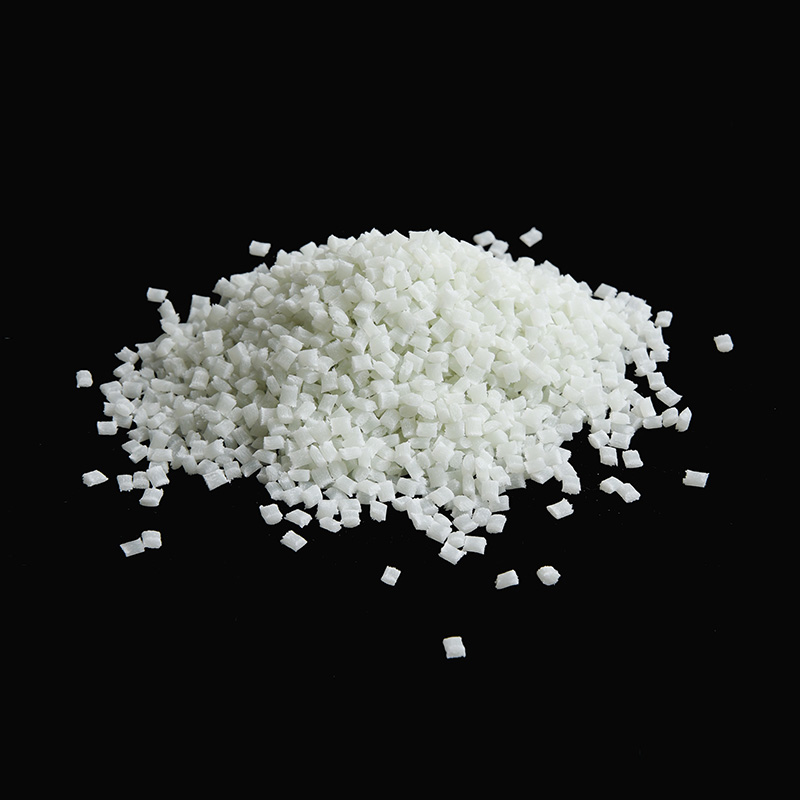
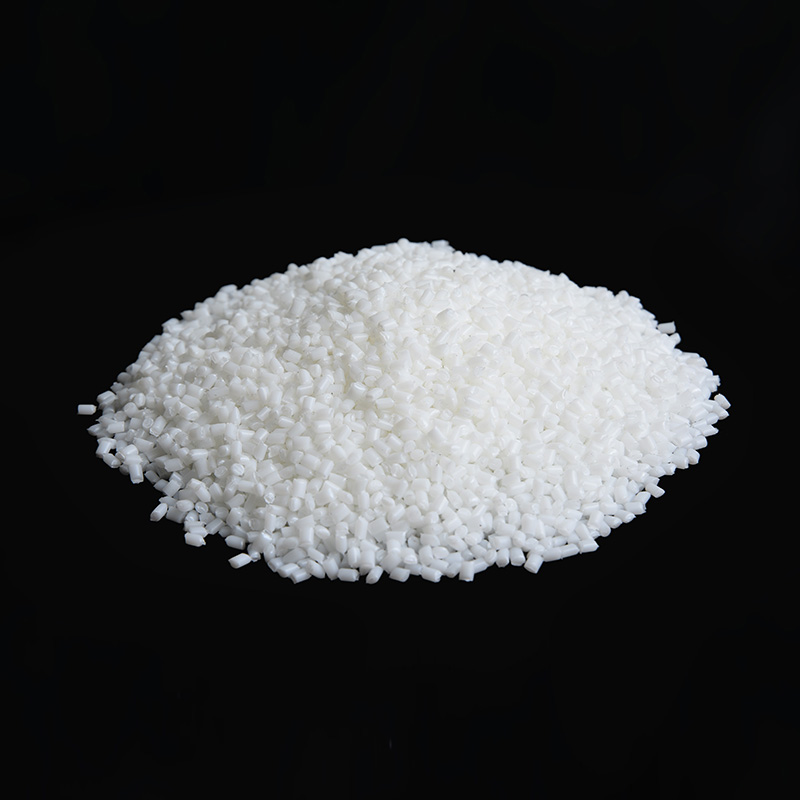
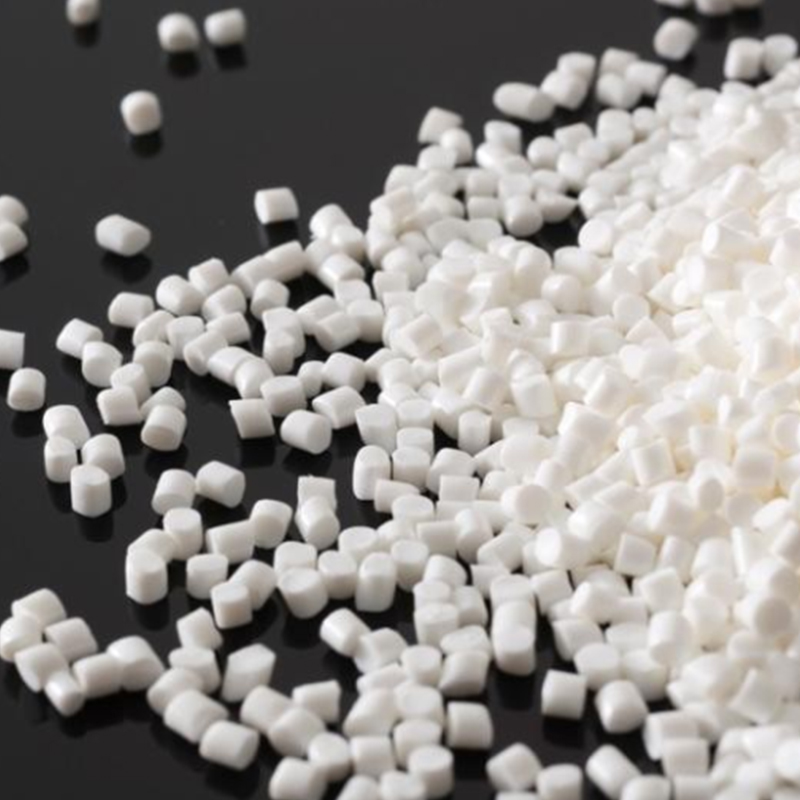
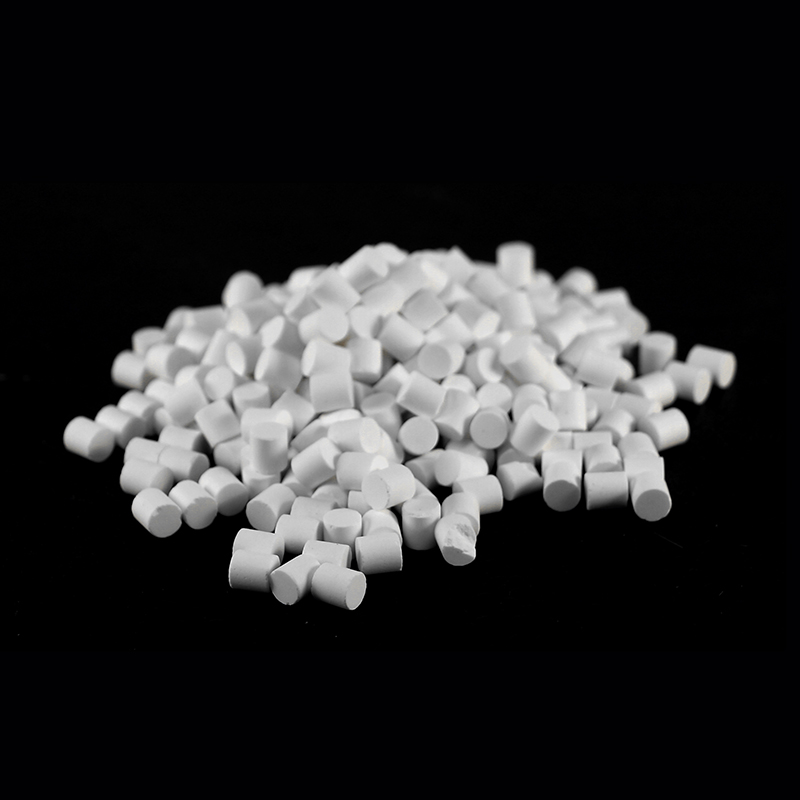
Polyamide, also known as nylon, offers a combination of strength, stiffness, toughness, wear resistance and chemical resistance that few other thermoplastics match. The three most important families for injection molding are PA6, PA66 and PPA. PA6 melts at about 220 to 250 degrees C and delivers excellent impact strength, which makes it ideal for gears, cable ties, automotive connectors and mechanical housings. PA66 melts at about 260 to 290 degrees C and offers higher stiffness and heat deflection temperature, so it appears in engine-bay components, bearings and power tools. PPA, a partially aromatic polyamide, performs at continuous service temperatures above standard nylon with low moisture absorption, which is why it is used in electronics and demanding under-hood parts.
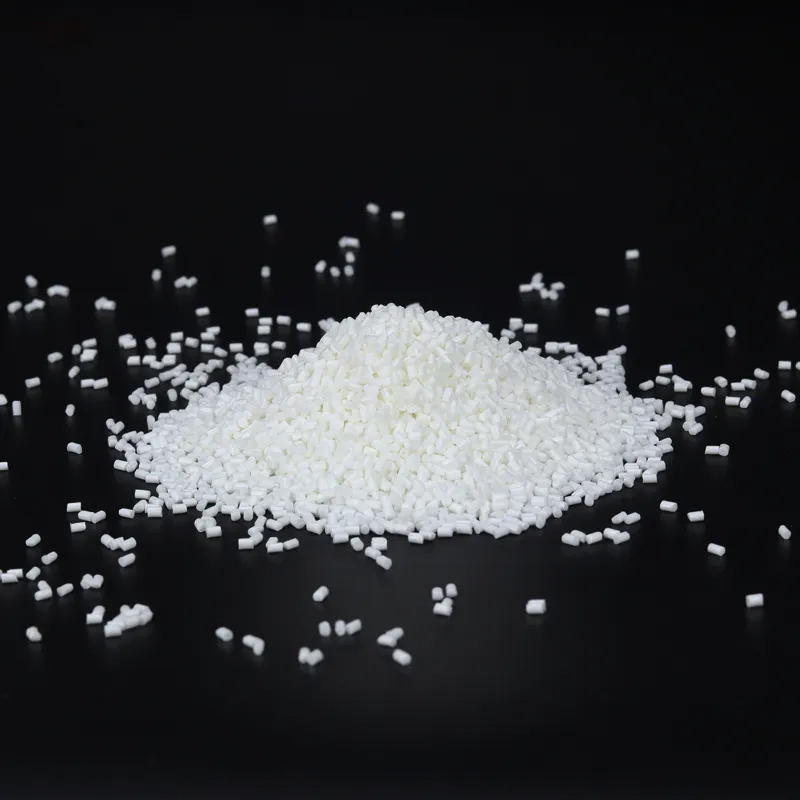
When choosing an injection molding resin, the first question is not price but operating environment. A nylon gear running in hot oil requires enhanced PA66 chips, while an electronic connector inside a compact power tool may need high-temperature PPA chips to survive soldering and high-density heat.
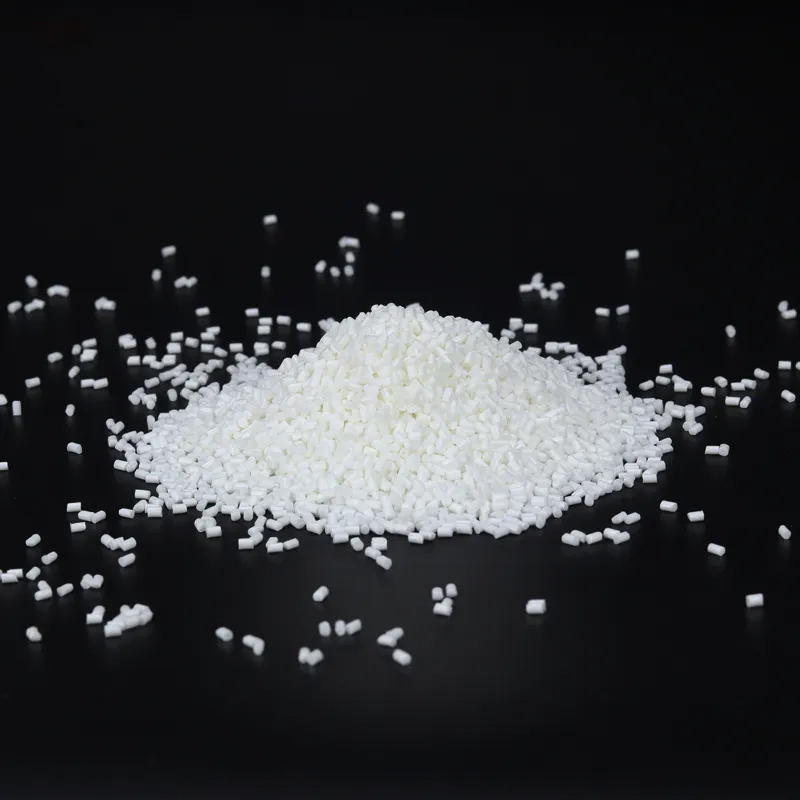 Enhanced PPA Polyphthalamide Plastic Chips Suppliers, CompanyNingbo Frontechnic New Material Technology Co., Ltd is China enhanced PPA polyphthalamide plastic chips suppliers and company, Profession...View Product →
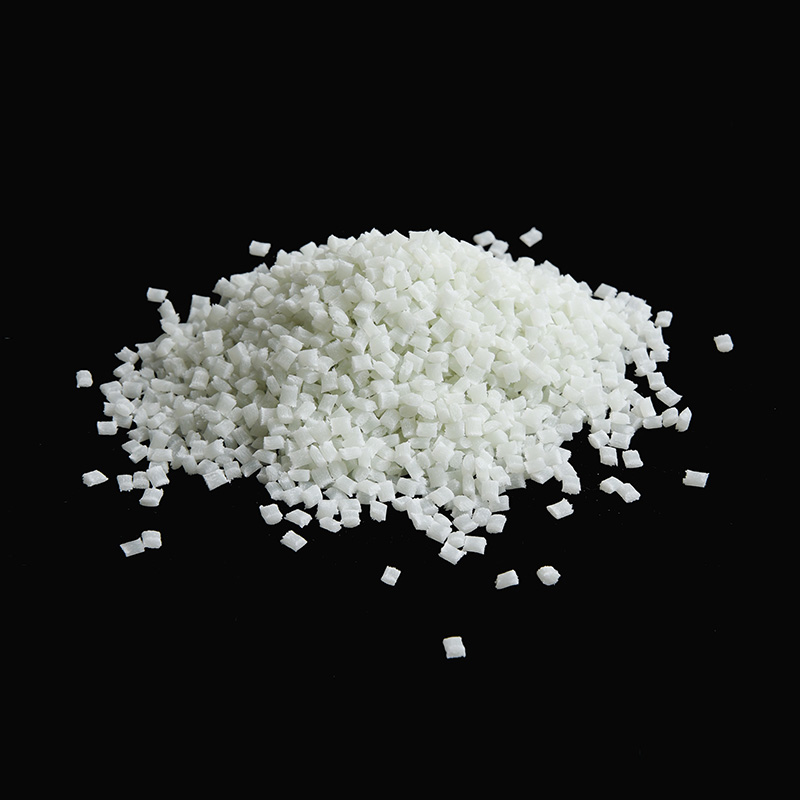 PA66 GF Chips Suppliers, Enhanced grade PA66 Chips CompanyNingbo Frontechnic New Material Technology Co., Ltd is China PA66 GF chips suppliers and enhanced grade PA66 chips company, Professional ...View Product →
| Property | PA6 | PA66 | PPA |
|---|---|---|---|
| Melting range | 220 to 250 degrees C | 260 to 290 degrees C | 290 to 320 degrees C |
| Heat deflection temperature | 65 to 90 degrees C (unfilled) | 80 to 105 degrees C (unfilled) | 115 to 130 degrees C |
| Moisture absorption | High | Moderate to high | Low |
| Typical parts | Gears, cable ties, connectors | Engine parts, bearings, power tools | Electronics, under-hood components |
| Relative resin cost | Lowest | Moderate | Highest |
For structural components where stiffness and dimensional stability matter most, glass-reinforced PA6 chips are the most economical entry point into engineering injection molding. A supplier who controls both the base resin and the compounding step gives molders consistent melt flow and lot-to-lot repeatability, which directly reduces defect rates. Buyers planning long production runs should also check the current supply status of nylon 6 chips before committing to a grade.
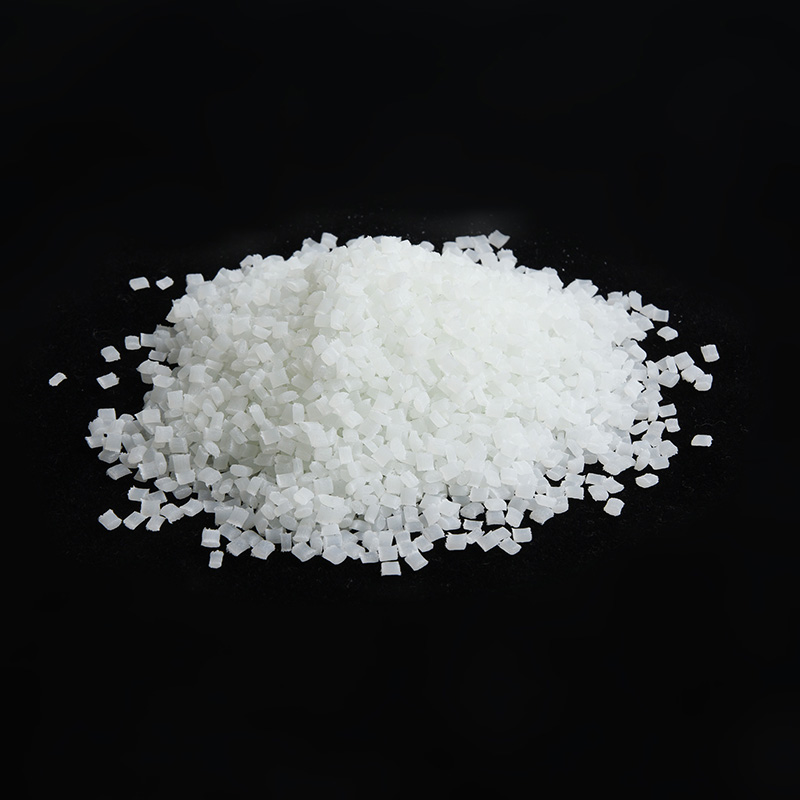 Custom PA6 GF Materials Suppliers, Enhanced PA6 Chip CompanyNingbo Frontechnic New Material Technology Co., Ltd is China PA6 GF materials suppliers and enhanced PA6 chips company, Professional cust...View Product →
Design Rules for Injection Molded Parts
Part geometry decides mold cost, cycle time and quality. The four rules below prevent most design-related failures and follow the guidance used by molding programs at universities and professional tool shops.
Uniform Wall Thickness
Keep wall thickness as constant as possible. Typical values are 2.0 to 3.0 mm for nylon parts and 1.0 to 1.5 mm for thin-wall components. Abrupt thickness changes produce differential shrinkage, which causes sink marks and warpage. When stiffness is needed, add ribs rather than thickening the wall.
Draft Angle
Angles on vertical walls help parts release from the mold. The recommended draft is 1 to 2 degrees per side on polished steel, and at least 3 degrees on textured surfaces. UNSW Making's injection moulding basics guidance emphasizes that shallow draft angles increase drag and can scratch the part during ejection.
Ribs, Bosses and Radii
Rib thickness should be 50 to 60 percent of the adjacent wall thickness, which prevents sink marks on the visible surface. Bosses surrounding screw holes need a minimum wall of about 0.5 to 1 times the screw diameter, and internal corners require a radius of at least 0.5 times the wall thickness. A 1.0 mm radius at a corner can reduce stress concentration by more than a factor of two compared with a sharp corner.
Common Injection Molding Defects and Practical Fixes
Defects appear predictably when parameters or geometry deviate from the ideal window. The table below lists the five most frequent defects and the adjustments that typically solve them.
| Defect | Appearance | Primary Cause | Standard Fix |
|---|---|---|---|
| Warpage | Twisted or distorted part | Uneven cooling and differential shrinkage | Uniform walls; optimized cooling; lower melt temperature |
| Sink marks | Depressions on the surface | Thick sections shrink more than surrounding walls | Use ribs; hollow out thick areas; increase hold pressure |
| Short shot | Incomplete filling | Low injection pressure, cold mold or blocked gate | Raise pressure and mold temperature; improve venting |
| Flash | Thin fins of plastic at edges | Clamping force too low or worn mold surfaces | Increase clamp tonnage; repair the mold; lower pressure |
| Knit lines | Visible weld lines | Melt fronts meet at reduced temperature | Raise melt temperature; speed up injection; move the gate |
Advantages and Limitations of Injection Molding
The principal advantage of injection molding is unit economics at volume. Once the mold is paid for, labor per part is low, scrap is minimal, and the process can hold tolerances of plus or minus 0.1 mm on many dimensions while producing smooth surfaces and identical geometry across millions of parts. Multi-cavity molds multiply output by running several identical parts in every cycle.
The principal limitation is the upfront investment. A production tool can cost from several thousand dollars for a simple single-cavity mold to over one hundred thousand dollars for a complex multi-cavity system, and first-article deliveries commonly sit 4 to 12 weeks after final design approval. Because the steel tool is expensive, injection molding is rarely economic for a few hundred pieces; aluminum prototype molds or 3D printing are the usual alternatives at low volume. As a rule of thumb, an injection mold becomes the rational choice when total volume exceeds roughly 5,000 to 10,000 parts.
Cost Drivers in Injection Molding
The price of an injection molded part is the sum of tooling, resin, machine time and secondary operations. Each driver behaves differently:
- Tooling — simple prototype molds start around $3,000 to $10,000; production molds usually range from $30,000 to $100,000 or more depending on cavity count, steel grade and complexity.
- Resin — commodity grades such as polypropylene cost roughly $1 to $2 per kg; engineering resins like PA6 and PA66 typically range from $2 to $4 per kg; glass-reinforced and specialty PPA grades carry a further premium.
- Machine time — commonly billed at $30 to $150 per hour based on tonnage and region, and cycle time is the multiplier. Reducing cooling time is the most effective cost lever available to the designer.
- Post-processing — trimming, painting, welding or buffing adds labor and handling expense, so net-shaped designs that avoid secondary operations are preferred.
Sustainability and Material Efficiency
Modern injection molding is more resource-efficient than it appears. Sprues, runners and off-spec parts are reground and fed back into the process, so many production jobs achieve near-zero material waste. Shorter cooling times, servo-driven machines and optimized runner systems further reduce energy use per part.
For nylon processors, the most practical sustainability decision is often replacing a portion of virgin resin with recycled polyamide granules. The trade-off is covered in detail in this review of recycled polyamide granules and the circular economy, which examines whether recycled grades can preserve mechanical performance while lowering environmental impact. In many non-visible or moderately loaded parts, they can.
Frequently Asked Questions
Q1. Is injection molding limited to thermoplastics?
No. Thermoplastics dominate in volume, but the process also handles thermosets, elastomers and, through metal injection molding, alloy powders.
Q2. How long does an injection molding cycle take?
Small thin-wall parts cycle in 10 to 15 seconds; medium engineering parts typically run 30 to 60 seconds; large or thick parts can take several minutes. Cooling is the largest slice of every cycle.
Q3. What is the minimum production volume for injection molding?
There is no fixed number. Aluminum prototype molds make a few hundred parts practical, while steel molds are justified once total volume exceeds roughly 5,000 to 10,000 parts, depending on part size and geometry.
Q4. Why are PA6 and PA66 the most popular injection-molding nylons?
They combine high strength, toughness, wear resistance and moderate price, and they process well on conventional machinery. The main limitation is moisture absorption, which changes dimensions after molding; parts with tight tolerances should be conditioned at controlled humidity before use.
Q5. What is the difference between injection molding and 3D printing?
Injection molding requires a mold but produces identical parts in seconds with a very low per-unit cost at scale. 3D printing requires no tooling and suits prototyping and small series, but the per-part cost stays high and the material range is narrower.
Final Thoughts
Injection molding remains the backbone of plastic component production because it turns a heavy upfront tooling investment into an extremely low per-part cost over large volumes. The four-step cycle, clamping, injection, cooling and ejection, is simple to explain but demanding to optimize; the material, the mold and the part geometry must work together if defects are to be avoided.
For engineering parts, polyamides such as PA6, PA66 and PPA repeatedly prove to be the most reliable families, especially in glass-reinforced and heat-stabilized formulations. Whether you are designing a new product or troubleshooting a stubborn mold, giving attention to material selection, wall thickness, draft angles and cooling design will eliminate most problems before they appear.
 Mob: +86-15867822829
 Tel: +86-0574-62538663
 Fax: +86-0574-62530664
 E-mail:
 Follow Us
 Home
Home
