


 English
 中文简体
中文简体 Español
 русский
 عربى
عربى
Content
- 1 What Does ABS Stand For in Plastics?
- 2 Understanding the Three Components: Acrylonitrile, Butadiene, and Styrene
- 3 Key Properties of ABS That Engineers Rely On
- 4 ABS vs. Polyamide (PA6, PA66, PPA): What Changes in Practice?
- 5 Common ABS Applications and When To Consider an Alternative
- 6 A Practical Selection Framework for ABS vs. Polyamide
- 7 Frequently Asked Questions
- 7.1 Is ABS a polymer or a plastic?
- 7.2 What are the biggest advantages of ABS?
- 7.3 What are the biggest disadvantages of ABS?
- 7.4 Can ABS be used in high-temperature environments?
- 7.5 Is ABS recyclable?
- 7.6 What is the difference between ABS and polyamide?
- 7.7 How can I choose between ABS and polyamide for my product?
ABS is an acronym that appears on countless material datasheets. The full name is Acrylonitrile Butadiene Styrene, and it is one of the most widely used thermoplastics in modern manufacturing. In simple terms, ABS is a polymer made from three monomers: acrylonitrile, butadiene, and styrene. The combination gives the material a strong balance of toughness, rigidity, and ease of processing. If you have ever asked “what does ABS stand for in plastics,” the short answer is the three chemical building blocks listed above.
The letters, however, only tell part of the story. What makes ABS interesting in real-world engineering is how those three components work together. This article explains the chemical composition, key properties, practical applications, and how ABS compares with polyamide (nylon) materials when your part needs more than just good looks.
What Does ABS Stand For in Plastics?
ABS is classified as a terpolymer, meaning it contains three different types of monomer units in its polymer chain. The word “terpolymer” distinguishes it from copolymers like polyethylene or polystyrene, which use only one or two monomers. The material was first developed in the 1940s and has since become one of the most important engineering thermoplastics.
The three percentages of each monomer can vary depending on the specific ABS grade, and this variation directly changes the final properties. Most commercial grades contain roughly 15–35% acrylonitrile, 5–30% butadiene, and 40–60% styrene by weight. That is why some ABS grades feel stiff and glossy while others are rubbery and impact-resistant. A material supplier will adjust the recipe to match your production requirement.
The Practical Takeaway
When someone asks “what does ABS stand for in plastics,” they are usually not asking for a chemistry lesson. They want to know whether ABS is the right material for their part. The answer usually depends on the operating temperature, load-bearing requirements, chemical exposure, and surface finish needs. The next section breaks down each monomer’s role so you can better predict how a particular ABS grade will behave.
Understanding the Three Components: Acrylonitrile, Butadiene, and Styrene
Each monomer in ABS contributes a specific set of characteristics. When the polymerisation process combines them into one long chain, the material inherits the best of each component while suppressing some of their individual weaknesses. That is why ABS has become a “general-purpose” choice in many industries.
| Monomer | Role in the Polymer | Effect on Properties |
|---|---|---|
| Acrylonitrile | Provides polar nitrile groups | Improves chemical resistance, rigidity, and heat stability |
| Butadiene | Acts as a rubber-like modifier | Adds impact strength, toughness, and flexibility |
| Styrene | Gives the polymer chain rigidity | Enhances processability, gloss, and dimensional stability |
Typical published data indicate that increasing the butadiene content in an ABS formulation raises the notched Izod impact strength, while increasing the styrene content improves the melt flow index and surface finish. If your moulded part needs more gloss, choose a grade with a higher styrene ratio. If your part must withstand repeated impacts in cold temperatures, choose an ABS with more butadiene. This type of grade selection happens before you open the mould, not after.
Key Properties of ABS That Engineers Rely On
ABS is a tough, rigid, and easy-to-machine material. It is often the default choice for applications that require durable housings and aesthetic surfaces. The following properties explain why ABS remains so popular across industries.
- Impact Resistance: ABS absorbs energy well, even at low temperatures. This makes it suitable for safety helmets, luggage shells, and automotive interiors that face minor collisions.
- Rigidity and Dimensional Stability: ABS holds its shape under normal load without much creep. That is important for enclosures where screw bosses and snap-fit features must stay aligned.
- Surface Finish Quality: ABS has excellent paintability, electroplating performance, and print adhesion. In the electronics industry, this allows manufacturers to create attractive outer shells with a smooth, glossy finish.
- Electrical Insulation: ABS is a good dielectric material, which makes it a common choice for electrical housings and connector covers.
- Chemical Resistance: It resists weak acids, weak alkalis, and many oils, but it is not recommended for contact with strong solvents like acetone, ketones, and esters.
Typical published values for general-purpose ABS, taken from material databases such as CAMPUS and common industry references, include tensile strength of 30–50 MPa, flexural modulus of 1.5–3.5 GPa, notched Izod impact strength of 15–30 kJ/m², and heat deflection temperature at 1.82 MPa of roughly 90–100°C. Continuous service temperature is normally around 70–90°C. These numbers help engineers compare ABS with other thermoplastics before committing to a design.
When the application runs hotter or needs more rigidity, ABS starts to show its limits. This is the point where many engineers look at polyamide (nylon) families such as PA6, PA66, or PPA. The next section compares ABS with those materials side by side.
ABS vs. Polyamide (PA6, PA66, PPA): What Changes in Practice?
Polyamide, commonly known as nylon, is a family of engineering plastics that has been used in industrial applications since the 1930s. Unlike ABS, nylon is a crystalline polymer. Its mechanical properties rely on strong intermolecular hydrogen bonds, which is why nylon can carry far higher loads and tolerate higher temperatures.
| Property | ABS | PA6 (Unfilled) | PA66 (Unfilled) | PPA (30% Glass) |
|---|---|---|---|---|
| Tensile Strength (MPa) | 30–50 | 60–80 | 70–90 | 150–180 |
| HDT at 1.82 MPa (°C) | 90–100 | 60–90 | 75–105 | 250–280 |
| Notched Impact Strength | Excellent | Good | Good | Fair |
| Water Absorption | Low (~0.3%) | High (~1.5%) | Moderate (~1.0%) | Very Low |
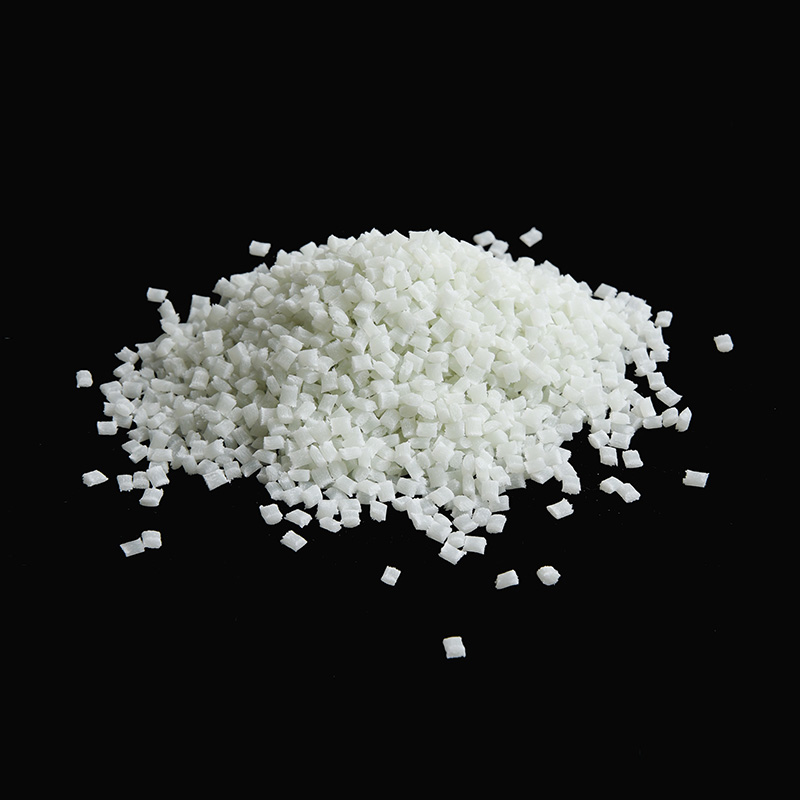
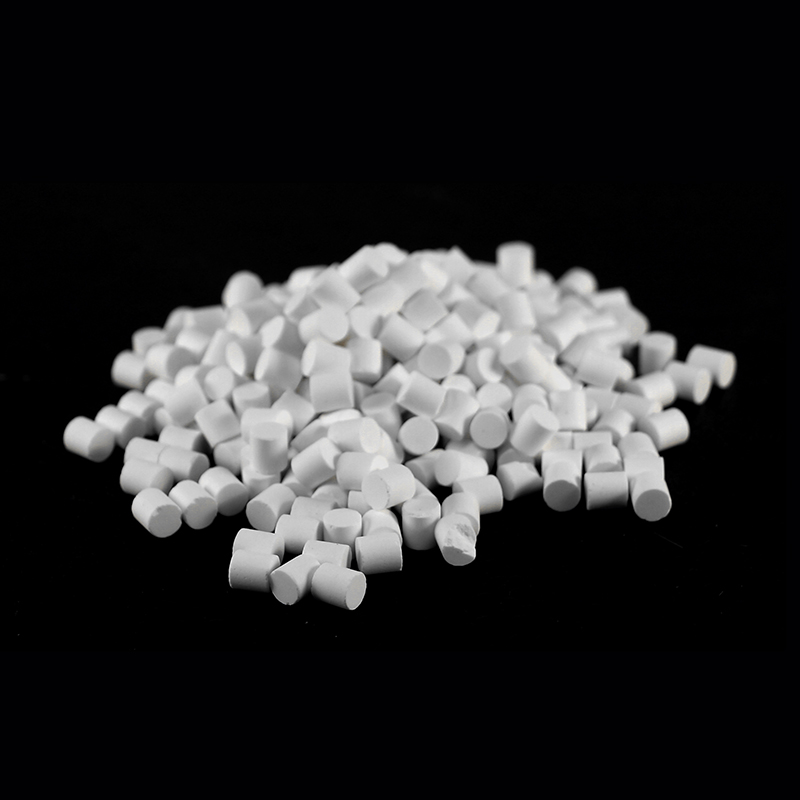
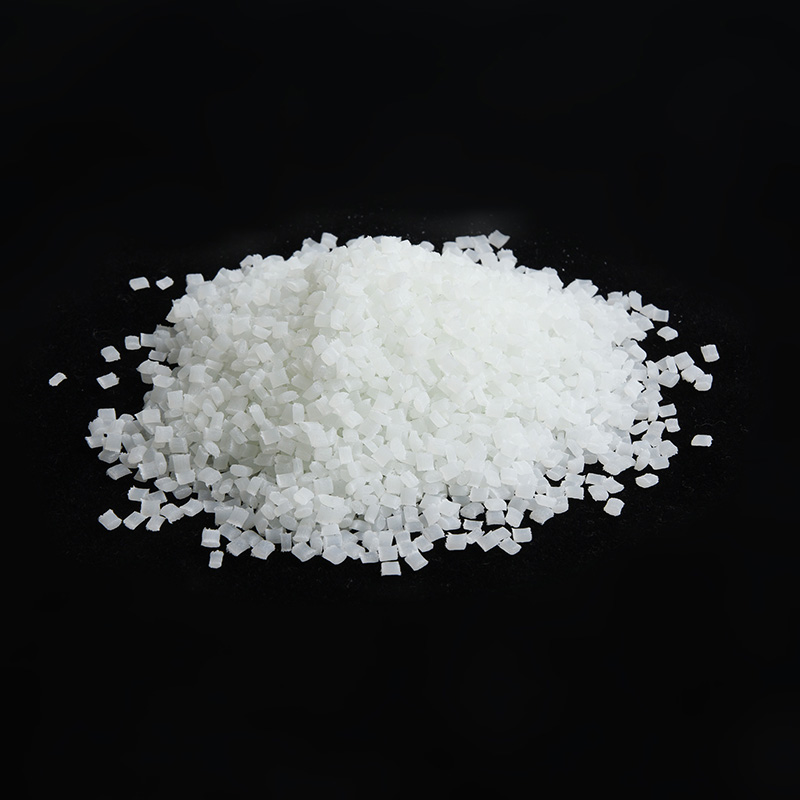 Reinforced PA6 Chips for High-Load and High-Temperature UseThis reinforced PA6 offers higher strength, rigidity, and heat resistance than standard nylon, making it a suitable alternative to ABS for demanding structural or motor-adjacent parts where ABS would soften.View Product →
In practice, what makes nylon attractive over ABS is its greater strength-to-weight ratio and much higher continuous service temperature. PA6 with glass reinforcement can reach tensile strengths two to three times higher than ABS, while PPA with 30% glass reinforcement can perform continuously at temperatures above 200°C. If your application is located near a motor, in an engine bay, or in a structural component, ABS will likely be too soft and will soften too early.
The trade-off is that nylon is more sensitive to moisture and requires drying before injection moulding. For a production environment that already processes engineering plastics, this is rarely a problem. For a design team used to ABS, moving to polyamide requires some adjustment in gate design, mould cooling, and shrinkage compensation.
Common ABS Applications and When To Consider an Alternative
ABS is used in countless everyday products. Some of the best-known applications include:
- Automotive interior trim: dashboard components, door panels, and console housings.
- Consumer electronics: television housings, monitor stands, keyboards, and printer casings.
- Home appliances: vacuum cleaner housings, refrigerator liners, and small kitchen appliance frames.
- 3D printing: ABS filament is a popular material for functional prototypes and end-use brackets.
- Safety and consumer goods: safety helmets, luggage shells, tool housings, and toys.
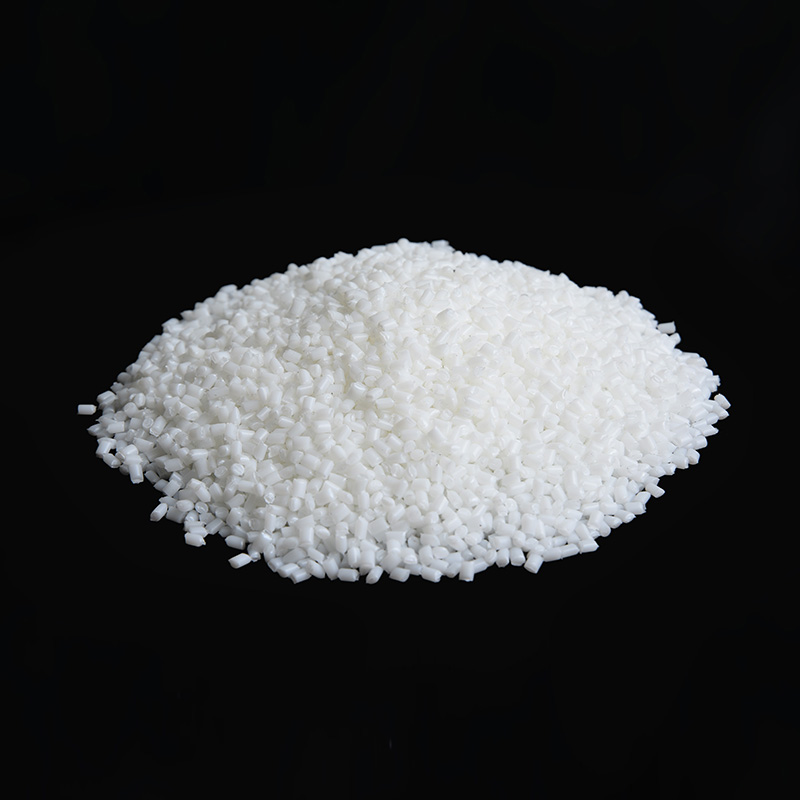
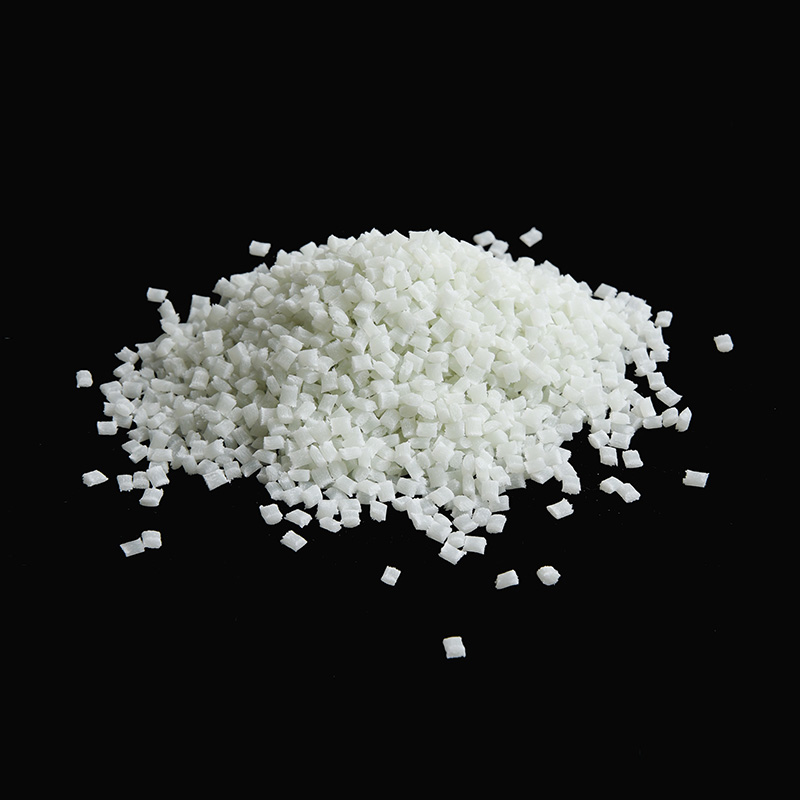 Reinforced PA66 Chips for High-Strength and Heat-Resistant PartsPA66 with glass reinforcement provides excellent mechanical strength and thermal stability, ideal for automotive, electrical, and machinery components requiring rigidity and performance beyond ABS.View Product →
There are several situations where a polyamide grade is a better fit:
- High heat. If the part sees continuous temperatures above 100°C, ABS softens and loses structural integrity. PA6 or PA66 with glass filler can handle much higher loads with less creep.
- Mechanical stress. Gears, bearings, and clips under repeated stress will deform in ABS. Polyamide is better suited for dynamic load-bearing parts due to its higher flexural strength and wear resistance.
- Chemical exposure to oils and greases. ABS can swell or crack when exposed to certain solvents. Nylon resists oils, greases, and many fuels, making it common in automotive under-hood components.
- Friction and sliding. ABS is not a self-lubricating material. Nylon has lower friction and better anti-wear properties, especially when compounded with fillers such as glass or molybdenum disulfide.
While ABS remains excellent for large, glossy housings and cosmetic parts, many functional and structural parts are now being converted to polyamide. The typical conversion happens when the original ABS part fails in testing or in the field, not during the initial design phase.
A Practical Selection Framework for ABS vs. Polyamide
Choosing between ABS and a polyamide grade is not about picking a “better” material. It is about matching the material behaviour to the real operating conditions. The following process works well for most engineers and product managers:
- Identify the maximum continuous service temperature. If it is above 85–90°C, ABS becomes risky. Nylon PA66 or PPA should move to the top of your list.
- Calculate the mechanical load. Use flexural modulus and tensile strength as first screening parameters. If your part carries static load longer than a few weeks, pay attention to creep resistance. Polyamide usually wins here.
- Check the chemical environment. ABS resists weak acids and alkalis but fails with many solvents. Nylon has better resistance to oils, fuels, and greases, but it can be attacked by strong acids.
- Consider humidity and water exposure. Unfillled PA6 and PA66 absorb moisture and change dimensions. If your part operates in a wet environment, ABS is more stable unless you choose a lower-moisture polyamide like PPA.
- Evaluate post-processing requirements. ABS is easy to paint, electroplate, and glue. Nylon is more difficult to paint but can be welded with ultrasonic or glued with specific adhesives.
- Run material comparison trials. Load your actual mould with both ABS and PA66, then measure dimensional accuracy, warpage, and cycle time. The data from a real mould is far more reliable than a datasheet.
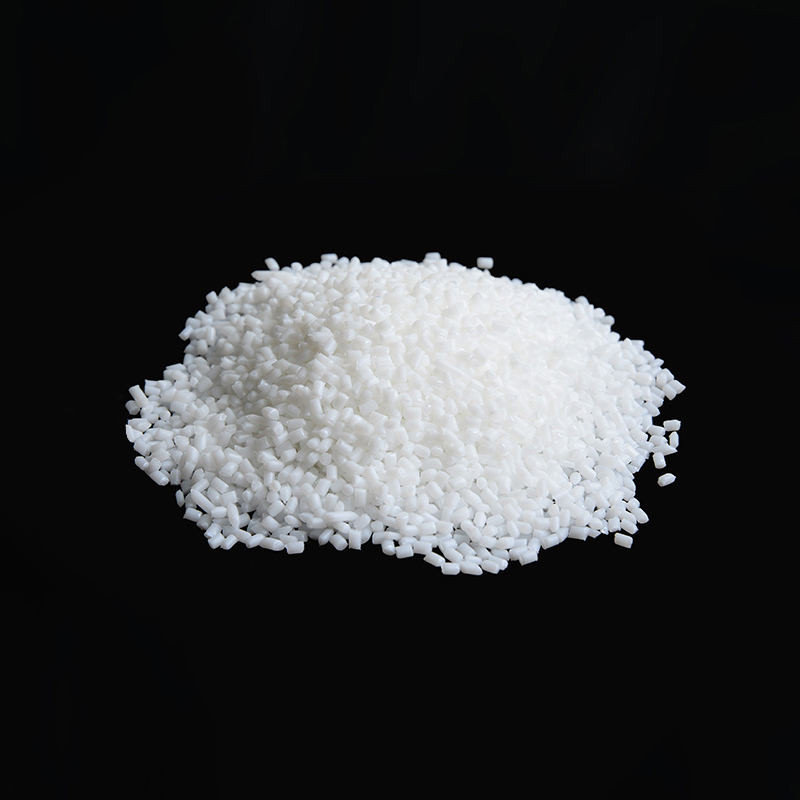
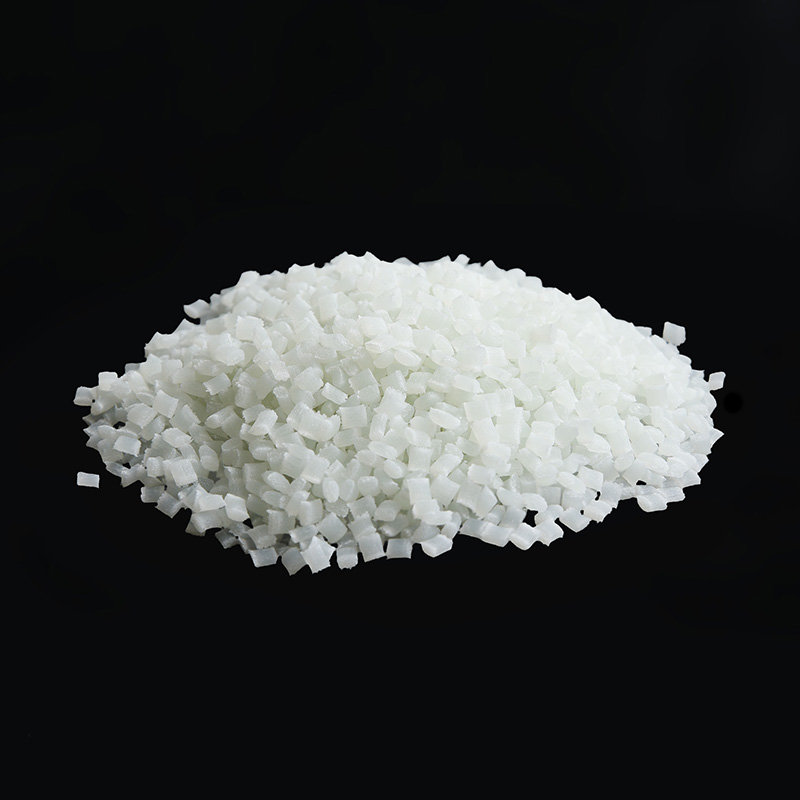 Customized Nylon Compounding Services for Tailored Material SolutionsWith a flexible compounding line, this manufacturer can develop customized nylon grades to match specific operating conditions, helping engineers test reinforcement levels and additives for hybrid or undefined applications.View Product →
If your target application is not fully defined or requires a hybrid solution, a supplier with a flexible compounding line can help you test different reinforcement levels and additives. For a broader understanding of nylon as a material class, you can read more about what nylon is before finalising your design.
Frequently Asked Questions
Is ABS a polymer or a plastic?
ABS is both. “Plastic” is the broad category of materials that can be shaped by heat and pressure. “Polymer” refers to the molecular structure built from long repeating chains. ABS is a thermoplastic polymer, so it can be softened, moulded, and cooled repeatedly without changing its chemical identity.
What are the biggest advantages of ABS?
The main advantages are impact resistance, ease of processing, dimensional stability, and a smooth surface that is easy to paint or electroplate. Its ready availability and reasonable cost make it an attractive choice for large-volume consumer products.
What are the biggest disadvantages of ABS?
ABS has a relatively low continuous service temperature of about 70–90°C. It also has poor solvent resistance, particularly against ketones and aromatic hydrocarbons. Under UV light for long periods, it can yellow and degrade if not protected.
Can ABS be used in high-temperature environments?
Not for continuous use above approximately 100°C. Above that, the material begins to soften and creep. For hotter environments, polyamide grades like PA66 and PPA are much safer options.
Is ABS recyclable?
Yes, ABS is recyclable. It can be ground up and reprocessed into new products. However, each recycling cycle can degrade the impact strength and colour, so recycled ABS is generally used for non-critical or hidden parts.
What is the difference between ABS and polyamide?
ABS is an amorphous terpolymer with good impact resistance but limited heat resistance. Polyamide is a crystalline polymer with higher strength, stiffness, and temperature tolerance. Nylon also absorbs more moisture, which can cause dimensional changes in humid environments.
How can I choose between ABS and polyamide for my product?
Define the operating temperature, mechanical loads, chemical exposure, and tolerance for moisture absorption. If the application is purely cosmetic and stays near room temperature, ABS is more economical. If the part sits near heat, carries load, or contacts oils, polyamide is usually the safer choice. Running a mould trial with both materials is the most reliable way to make the final decision.
To summarise, ABS always stands for Acrylonitrile Butadiene Styrene, and it continues to be an easy-to-process, impact-resistant material for a huge range of everyday products. At the same time, polyamide engineering plastics offer clear advantages when the part needs to withstand higher temperatures, heavier loads, or more aggressive chemicals.
A good material choice starts with a clear list of actual operating conditions. Before you lock in ABS as the default, take a few minutes to compare it with a nylon grade like PA6, PA66, or PPA. The small effort spent on material selection at the beginning can save you from costly mould modifications and field failures later.
 Mob: +86-15867822829
 Tel: +86-0574-62538663
 Fax: +86-0574-62530664
 E-mail:
 Follow Us
 Home
Home
